3 easy ways to improve your car’s fuel economy
Fuel costs can have a noticeable effect on the total cost of owning a car, truck, SUV, or van. Small changes in maintenance and driving habits often make a measurable difference, especially when they are practiced consistently over weeks and months.
Improving fuel efficiency does not require a complicated modification or an expensive upgrade. Keeping tires properly inflated, accelerating smoothly, reducing unnecessary weight, and following the vehicle’s maintenance schedule can help your engine use gasoline more effectively.
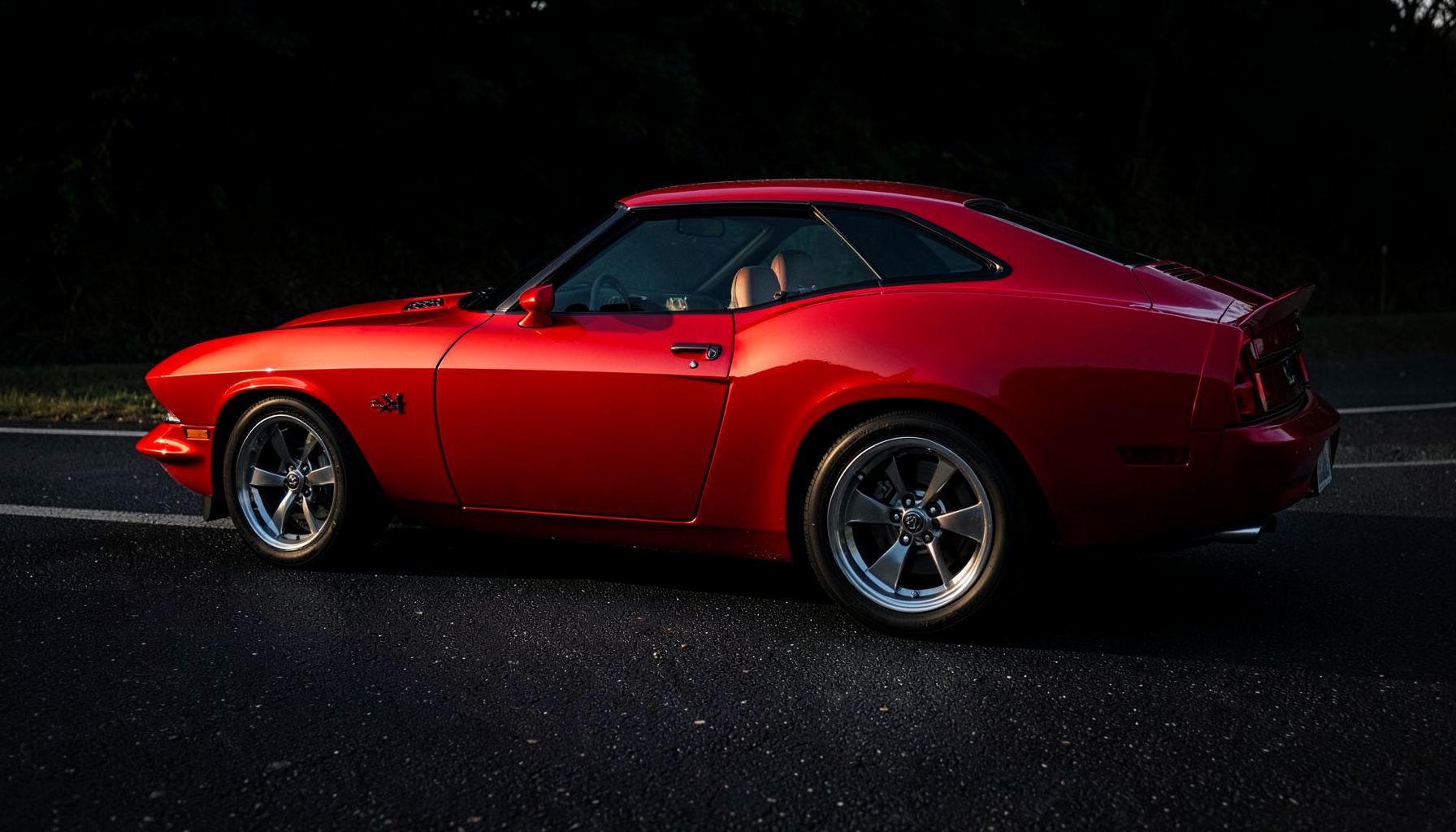
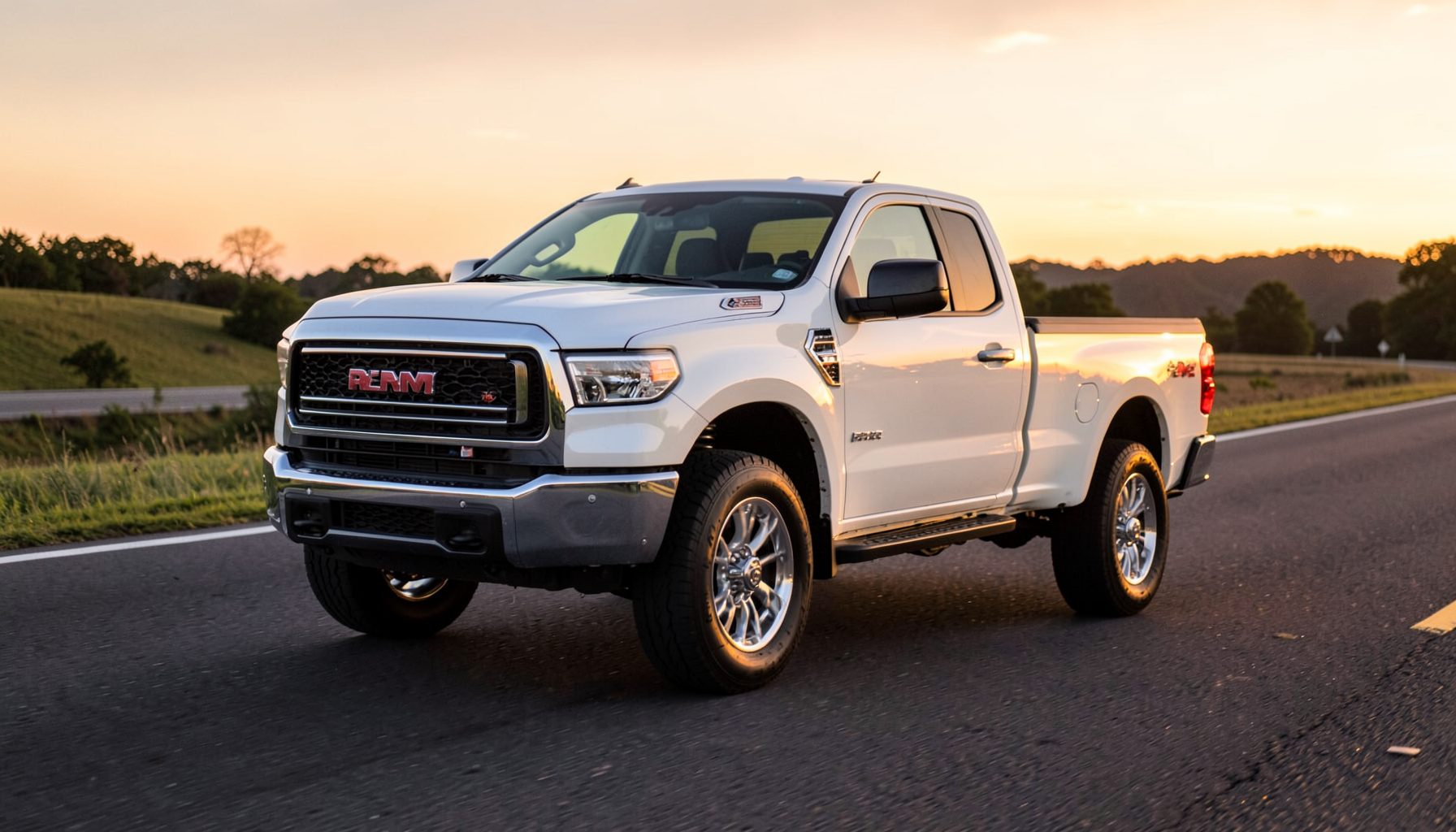
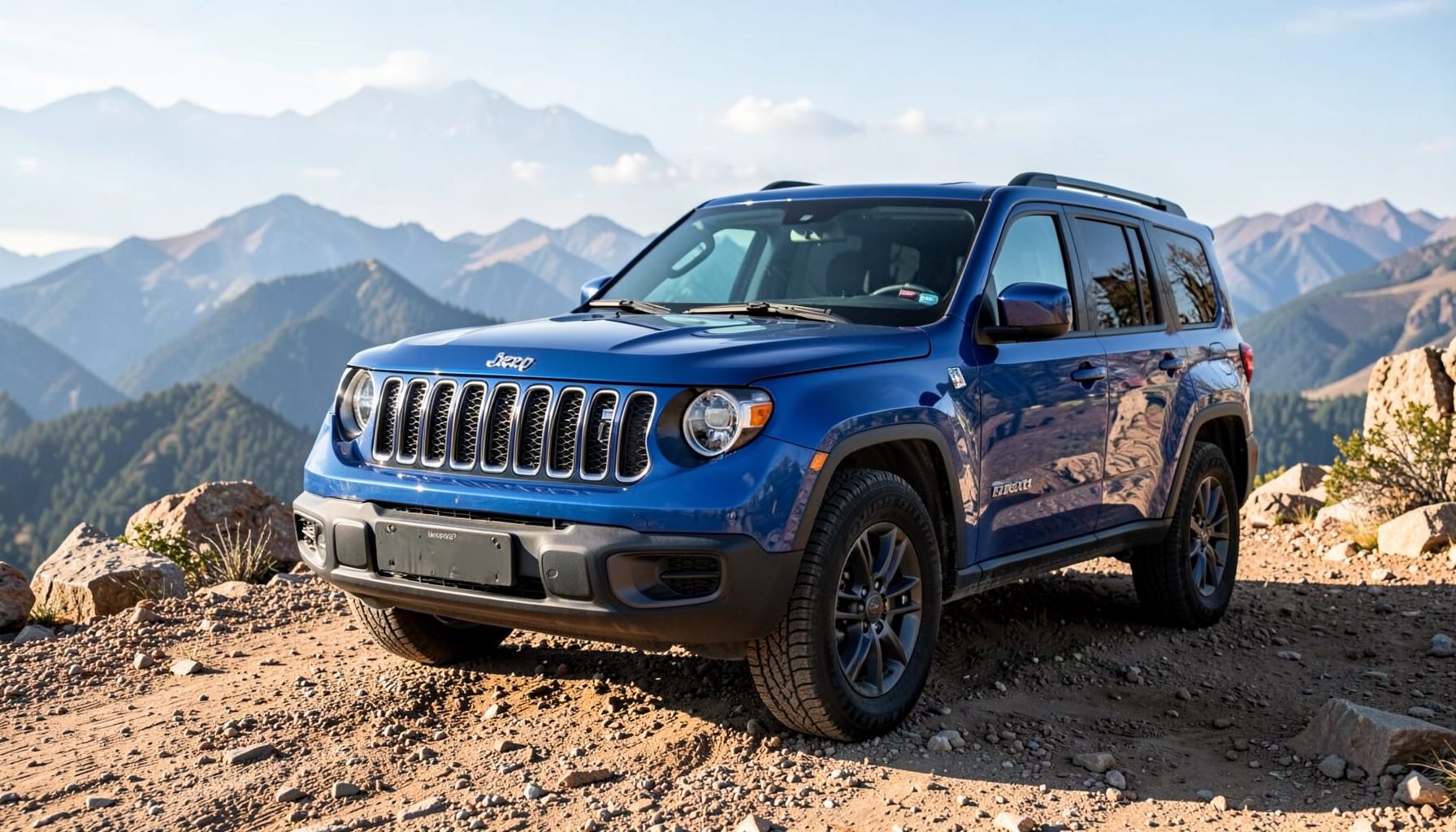
The best approach depends on your vehicle, commute, and driving environment. A compact sedan, full-size Ram truck, Jeep SUV, and family van will naturally have different fuel-economy ratings, but the fundamentals of efficient driving apply to nearly every gasoline-powered vehicle.
Check tire pressure and reduce rolling resistance
Underinflated tires create more rolling resistance, which means the engine must work harder to move the vehicle. Even a small pressure loss can affect handling, tire wear, and fuel consumption. Check your tire pressure at least once a month and before long road trips, using the pressure listed on the driver’s doorjamb label rather than the maximum pressure printed on the tire sidewall.
Temperature changes can alter tire pressure. A cold snap may lower pressure, while extended highway driving can raise it temporarily. For the most accurate reading, check the tires when they are cold. Remember to inspect the spare tire if your vehicle has one, since it may be needed when you least expect it.
Wheel alignment also affects how efficiently a vehicle rolls. If the steering wheel is off-center, the vehicle pulls to one side, or the tires show uneven wear, schedule an inspection. Correct alignment can support better fuel mileage while helping your tires last longer.
Accelerate smoothly and anticipate traffic
Rapid acceleration uses a large amount of fuel because the engine must deliver more power in a short period. Press the accelerator gradually and allow the transmission to shift smoothly. You do not need to accelerate slowly enough to inconvenience other drivers; the goal is steady, controlled input rather than sudden bursts of speed.
Look farther ahead in traffic so you can respond early to red lights, stopped vehicles, merging traffic, and changes in speed. When appropriate, ease off the accelerator instead of waiting until the last moment to brake. This reduces unnecessary speed changes and helps preserve the momentum your vehicle has already built.
Frequent hard braking followed by fast acceleration is especially inefficient in city driving. Leave enough space between your vehicle and the one ahead, then use that space to maintain a more consistent pace. Cruise control can help on relatively flat highways with light traffic, although it should be switched off on slippery roads or winding routes where driver control is more important.
Keep speed, idling, and cargo under control
Highway speed has a direct effect on fuel consumption. Air resistance increases as speed rises, so driving moderately below the fastest legal speed can often improve fuel economy. Follow posted limits, maintain a safe speed for road conditions, and avoid treating every open stretch of highway as an opportunity to accelerate.
Extended idling also wastes fuel. If you are waiting for someone, loading groceries, or stopped for several minutes, turning the engine off may be more efficient than leaving it running. Modern vehicles are designed to restart reliably, though drivers should follow local traffic laws and use good judgment in extreme temperatures or unsafe surroundings.
Remove heavy items that do not need to stay in the vehicle. Tools, sports equipment, construction materials, and other cargo add weight, requiring additional energy during acceleration. Roof boxes and exterior racks can increase aerodynamic drag, so take them off when they are not needed. A clean cargo area can support better mileage and make the vehicle easier to use.
| Driving or maintenance habit | Why it affects fuel use | Practical action |
|---|---|---|
| Low tire pressure | Increases rolling resistance | Check pressure monthly and before trips |
| Hard acceleration | Requires extra engine power | Press the accelerator progressively |
| Excessive idling | Burns fuel while the vehicle is stationary | Shut off the engine during longer waits |
| High highway speeds | Creates greater aerodynamic drag | Maintain a legal, steady speed |
| Heavy cargo | Makes the engine work harder | Remove items you do not need |
| Missed maintenance | Can reduce engine and drivetrain efficiency | Follow the recommended service schedule |
| Short, separate trips | Keeps the engine from reaching efficient operating temperature | Combine errands when practical |
Use climate controls thoughtfully
Air conditioning can increase fuel consumption, particularly during stop-and-go driving or when the system is working hard to cool a hot cabin. When possible, park in the shade, use a windshield sunshade, and open the doors briefly before turning on the air conditioner. These steps reduce the initial heat load inside the vehicle.
At higher speeds, keeping the windows open may create enough aerodynamic drag to offset any benefit from avoiding air conditioning. On the highway, using climate controls with the windows closed is often the more efficient choice. In slow-moving traffic, a brief period of ventilation may be useful before switching to cooled air.
Do not compromise visibility or comfort in an effort to save fuel. Defrost settings may activate the air conditioner to remove moisture from the cabin, even when cooling is not obvious. Use the system as needed, and have it inspected if the air conditioner takes too long to cool, makes unusual sounds, or produces weak airflow.
Protect efficiency with regular maintenance
A well-maintained engine generally operates more efficiently than one with worn or neglected components. Oil changes, air-filter inspections, spark plug replacement, and fluid checks should be completed according to the schedule in your owner’s manual. The exact intervals vary by model, engine, driving conditions, and vehicle age.
A malfunctioning oxygen sensor, failing thermostat, clogged filter, or engine warning light can affect the air-fuel mixture and reduce mileage. Ignoring a small drivability problem may allow it to become a more expensive repair. Pay attention to rough idling, hesitation, hard starting, unusual odors, or a sudden change in fuel consumption.
Service at a dealership can be useful when your vehicle requires model-specific diagnostic equipment, trained technicians, or genuine replacement parts. Alan Vines Automotive Group’s service department works on vehicles from the brands it represents, including Dodge, Jeep, Ram, Mitsubishi, Chrysler, and Hyundai. Keeping maintenance records also helps establish a clear ownership history and can support resale value later.
Drivers researching a replacement vehicle can review customer testimonials to learn how other shoppers describe their dealership and service experiences. A newer vehicle with updated engine technology, improved transmission programming, or a hybrid powertrain may provide a better fit for a high-mileage commute than an older model that requires frequent repairs.
Match the vehicle to your driving needs
Driving technique can improve the efficiency of almost any vehicle, but vehicle selection remains important. If most trips involve city streets, a compact car or hybrid crossover may be a practical choice. If you regularly tow, carry equipment, or travel with a large family, a truck, SUV, or van with the appropriate powertrain may make more sense.
Look beyond the advertised miles-per-gallon figure. Consider annual mileage, fuel type, insurance, tire costs, service needs, cargo capacity, and the conditions in which you drive. A vehicle that fits your everyday needs can be more economical overall than a smaller model that cannot handle your work or family requirements.
When comparing options, study the official fuel-economy ratings and think about how your habits may differ from standardized testing. Heavy traffic, winter weather, steep roads, frequent passengers, and towing can all lower real-world mileage. A test drive can help you evaluate visibility, acceleration, ride comfort, and whether the vehicle feels suited to your routine.
Alan Vines Automotive Group provides online tools that allow shoppers to browse new and used inventory before visiting the dealership. This online inventory guide can help you filter vehicles by body style, brand, features, and other priorities. Comparing several models in advance makes it easier to focus on fuel-efficient choices that still meet your practical needs.
Build a fuel-saving routine
The most effective fuel-saving measures are simple enough to repeat. Use the following routine as a starting point:
- Check tire pressure monthly and inspect the tread for uneven wear.
- Combine errands when practical so the engine reaches operating temperature efficiently.
- Accelerate smoothly, anticipate traffic, and avoid unnecessary hard braking.
- Remove unused cargo, roof racks, and exterior carriers when they are not needed.
- Follow the maintenance schedule and investigate warning lights or sudden mileage changes promptly.
Track your fuel purchases for a few weeks before and after changing your habits. An odometer reading or fuel-tracking app can reveal patterns that are easy to miss from one fill-up to the next. Compare similar driving conditions whenever possible, since a long highway trip cannot be measured fairly against a week of short urban journeys.
Fuel economy can also improve when every driver in the household uses the same basic habits. Discuss tire checks, idle time, cargo, and smooth acceleration with anyone who regularly operates the vehicle. Consistency turns occasional savings into a more dependable reduction in fuel use.
For a vehicle inspection, scheduled maintenance, or help comparing a more efficient car, truck, SUV, or van, contact Alan Vines Automotive Group in Jackson, Tennessee. Browse the available inventory, explore financing and trade-in resources, and arrange a service visit to keep your current vehicle performing at its best.