Storage Smarts: How the Dodge Journey Handles Aussie Family Life
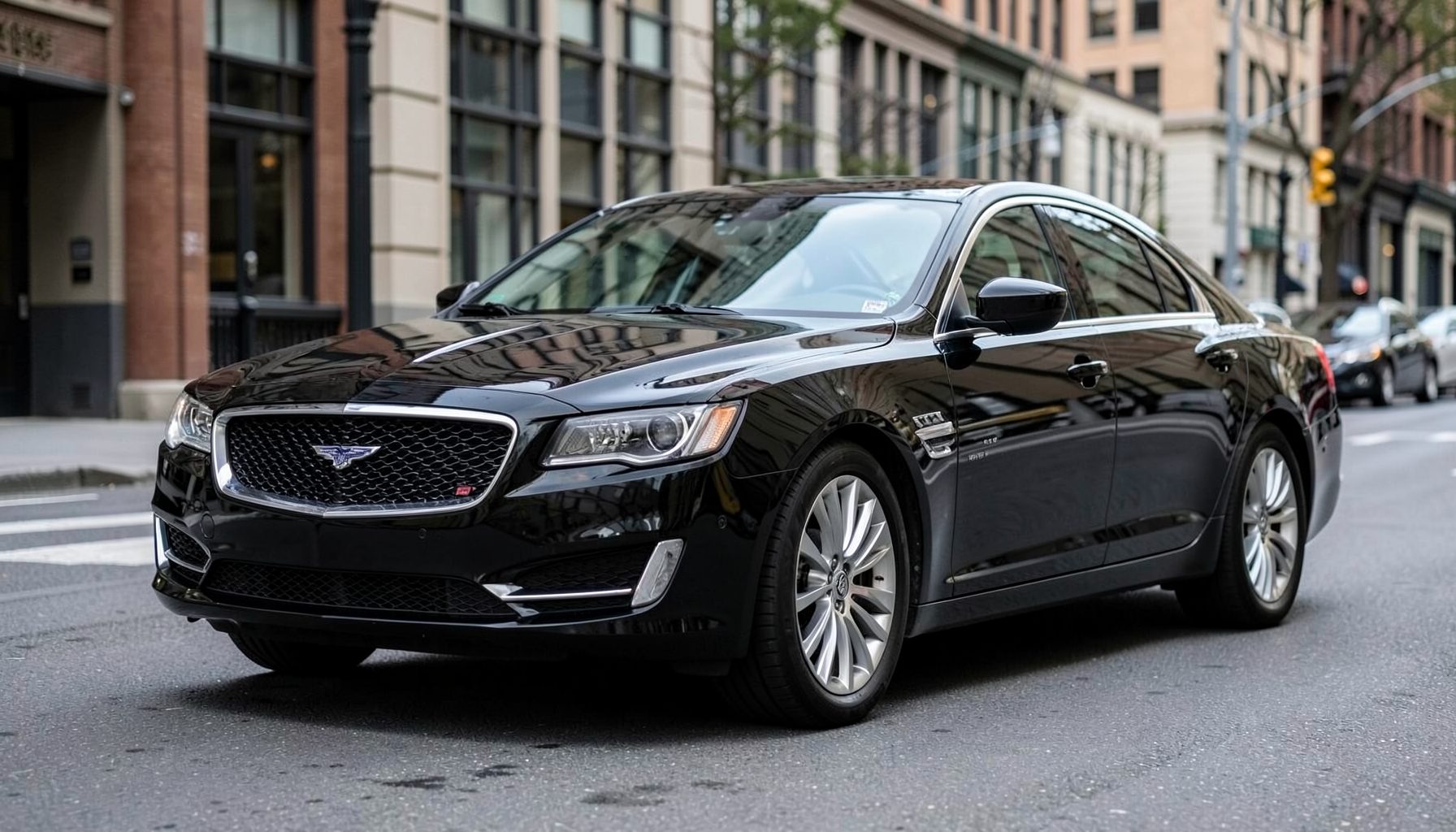
The Dodge Journey remains a quietly capable people-mover that found its way into Australian driveways before the brand's local chapter closed, and plenty of used examples still pop up on dealer lots and private listings around the country. Its seven-seat layout, generous glass area and surprisingly thoughtful cubby layout make it a contender for families who spend their weekends loading up the car for footy games, beach trips and Bunnings sausage sizzles. Even though newer rivals have arrived, the Journey's cabin still holds its own when it comes to keeping water bottles, devices, snacks and sports gear sorted during a long run down the Hume or across town to school pickup.
For buyers eyeing a budget-friendly SUV that does the heavy lifting without fuss, the storage story matters more than headline horsepower. Open the doors and the Journey reveals a layered approach to organisation, with conventional door bins joined by in-floor bins, under-seat drawers and a flexible centre console. Understanding what each compartment is designed to hold helps owners get the most out of every kilometre, whether they are commuting through Brisbane traffic or heading up the Pacific Highway for a coastal weekend.
Front cabin storage and cup holders
Up front, the Journey greets driver and passenger with a deep glovebox that swallows manuals, sunnies cases and the inevitable pile of parking receipts. Above it, a smaller secondary tray holds a phone or wallet within easy reach, and the dashboard-top shelf offers a flat surface for loose coins or a park pass. Twin cup holders sit within the lower dash area, sized to accept large takeaway coffees from the servo without tipping during a sudden lane change on the West Gate.
The front door pockets are wide enough to take a refillable water bottle, a small umbrella and a folded road atlas, which still earns its keep for older suburbs where mobile coverage can drop out. A small bin integrated into the lower dashboard on some variants keeps charging cables tidy, and the overhead console houses a pair of map lights plus a sunglasses holder, the sort of detail that becomes essential on a bright arvo drive heading inland. Together, these forward compartments handle the clutter of daily life without forcing anything onto the passenger seat.
Centre console flexibility
The centre console varies by trim, but every Journey offers a multi-stage storage system designed for devices, drinks and paperwork. Lower trims get a simple deep bin with a 12-volt outlet, while higher grades add a sliding armrest that can be repositioned to suit different driving postures. This is handy for tall drivers doing long stints between Wagga Wagga and the coast, where arm fatigue matters.
Inside the armrest, the cavity is large enough to take a small handbag, a tablet or even a folded jacket, and the rubber mat at the base stops items from sliding during cornering. Some variants include a cooled storage section that uses the air conditioning to keep drinks chilled, a genuine blessing on a forty-degree day in Mildura. Forward of the armrest sits a shallow tray that is perfect for keys, a park receipt and the kids' school notes, keeping the essentials visible rather than buried.
Seating configuration and cargo versatility
The second row in the Journey is more than just a bench seat. It splits and folds, and on many variants it slides forward to reveal an in-floor storage compartment hidden beneath the footwell. This hidden stash is ideal for valuables, a laptop or outback driving essentials like a first-aid kit and torch. Families running kids to weekend sport will appreciate being able to tuck away muddy boots or a wet towel without leaving a mess on the carpet.
The second-row seats also feature a fold-flat mechanism that creates a flat load floor when the third row is not in use. With both rows folded, the boot becomes a cavernous space ready for camping gear, flat-pack furniture or a couple of mountain bikes. The 60/40 split also allows for carrying four passengers and still loading longer items like skis or a surfboard, which suits families split between the snow and the surf. For a closer look at how Dodge approaches family SUVs in general, the write-up on the Dodge Durango SRT offers a useful comparison point for buyers weighing their options.
Rear cabin storage for passengers
Third-row passengers are not forgotten, with cup holders moulded into the rear quarter panels and small storage cubbies built into the side trim. These are sized for a drink bottle and a phone, the two essentials for back-seat kids on a long school-holiday drive to Cairns. There are also shallow pockets on the back of the front seats that can hold colouring books, tablets or a small backpack.
Second-row passengers benefit from a fold-down armrest with integrated cup holders, plus map pockets in the seatbacks for magazines or a tablet. Ventilation ducts run to the rear of the cabin, keeping air circulating during those steamy summer afternoons spent parked at the cricket. The rear door bins are noticeably smaller than the fronts, but still take a water bottle and a snack, which is often all that is needed back there. Owners running a family shuttle or just ferrying kids to after-school activities will find the rear storage layout handles the demands of daily life with minimal fuss.
Boot space and hidden compartments
With all three rows in place, the boot offers a modest cargo area suited to groceries, school bags and a couple of soft suitcases. Drop the third row flat and the area grows substantially, enough for a pram, a couple of cabin bags and the weekly shop haul. Lower the second row as well and the Journey turns into a proper load-lugger, capable of swallowing a flat-pack bed frame or a stack of surfboards for a road trip down to Byron.
Under the boot floor sits a temporary spare and tool kit, plus on higher trims a subwoofer enclosure that eats into a small amount of depth. The boot lights are bright enough for night-time loading in unlit carparks, and the low loading lip makes sliding heavy items in easier, which is appreciated by anyone who has wrestled a full esky into a high-slung SUV. For buyers thinking about joining the team that helps customers find vehicles like these, the https://alanvinesautomotive.com/employment page at the dealership lists current roles for salespeople, technicians and support staff.
Living with the Journey day to day
In real-world use, the Dodge Journey's storage design pays off in small ways every day. The in-floor bins, cooled console and seatback pockets become habits rather than novelties, and the cabin's flexibility means the vehicle adapts to whatever the week throws at it. Whether it is a quick run to the shops, a Bunnings mission on a Saturday morning or a long haul to a holiday rental, the layout keeps essentials accessible and the family organised.
That practicality explains why the Journey still appeals to budget-conscious Aussie families searching the used market. Right-hand-drive production means local examples feel familiar at the wheel, and parts availability through the wider Chrysler and Dodge network has kept servicing straightforward in capital cities and regional centres alike. For anyone comparing it to newer three-row SUVs, the Journey delivers useful storage without the price premium of the latest models.
Practical storage upgrades owners tend to make after a few months:
- Add a custom-fitted boot tray to protect the carpet from muddy gear and spilt drinks
- Use modular organisers in the second-row footwell bins for snacks, wipes and toys
- Install a phone mount on the dashboard tray to keep the forward storage free for other items
- Fit a cargo barrier if regularly carrying dogs in the rear to keep them safely separated
- Add seatback protectors with storage pockets for tablets and colouring books on long drives
- Use stackable crates in the boot when moving house or transporting camping gear
- Keep a small rubbish bin clipped to the back of the centre console to manage wrappers and receipts
Booking a test drive through the dealership website lets you bring the kids, the pram and a few boxes along so you can see exactly how the storage works under real load before signing anything.