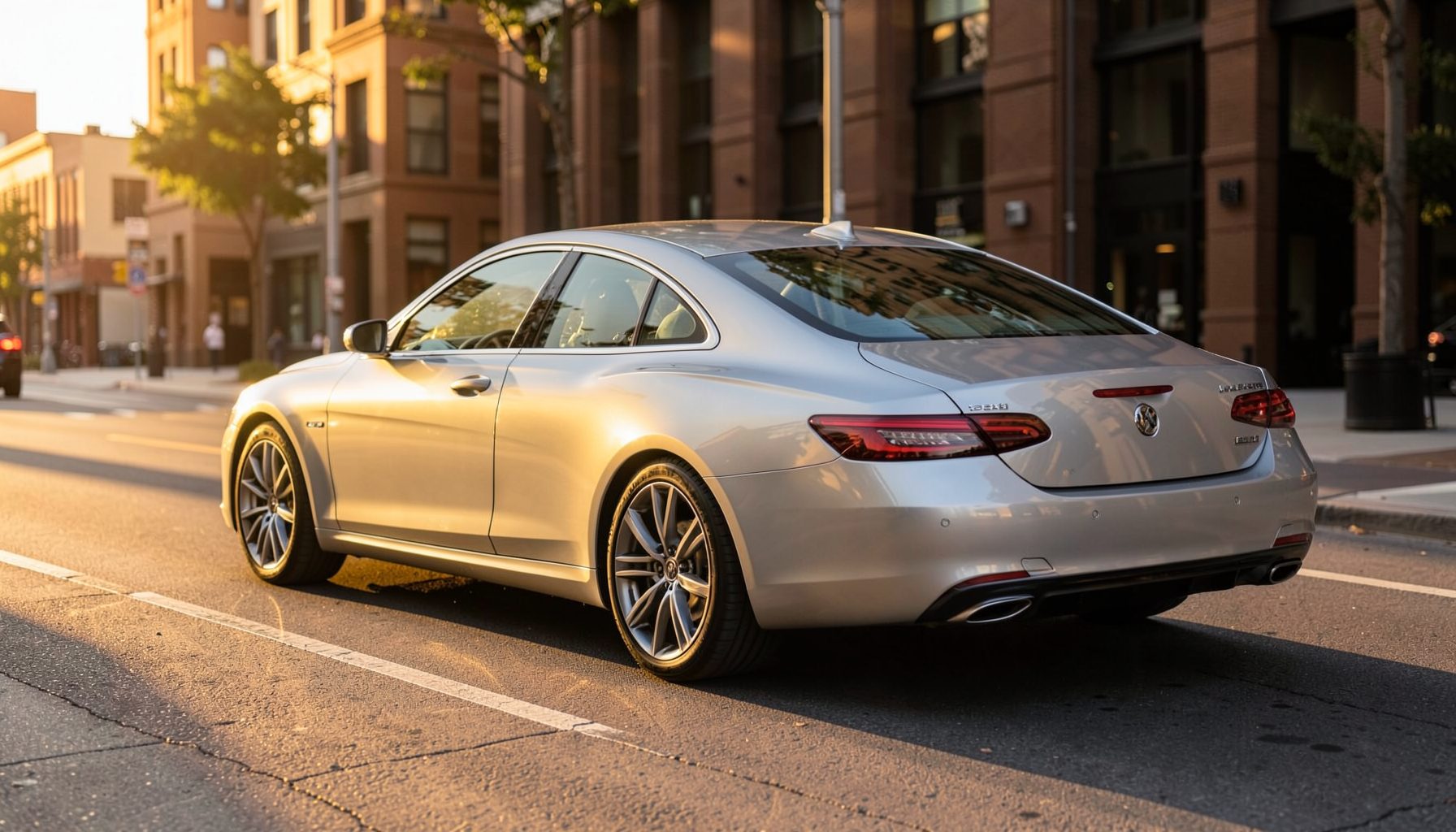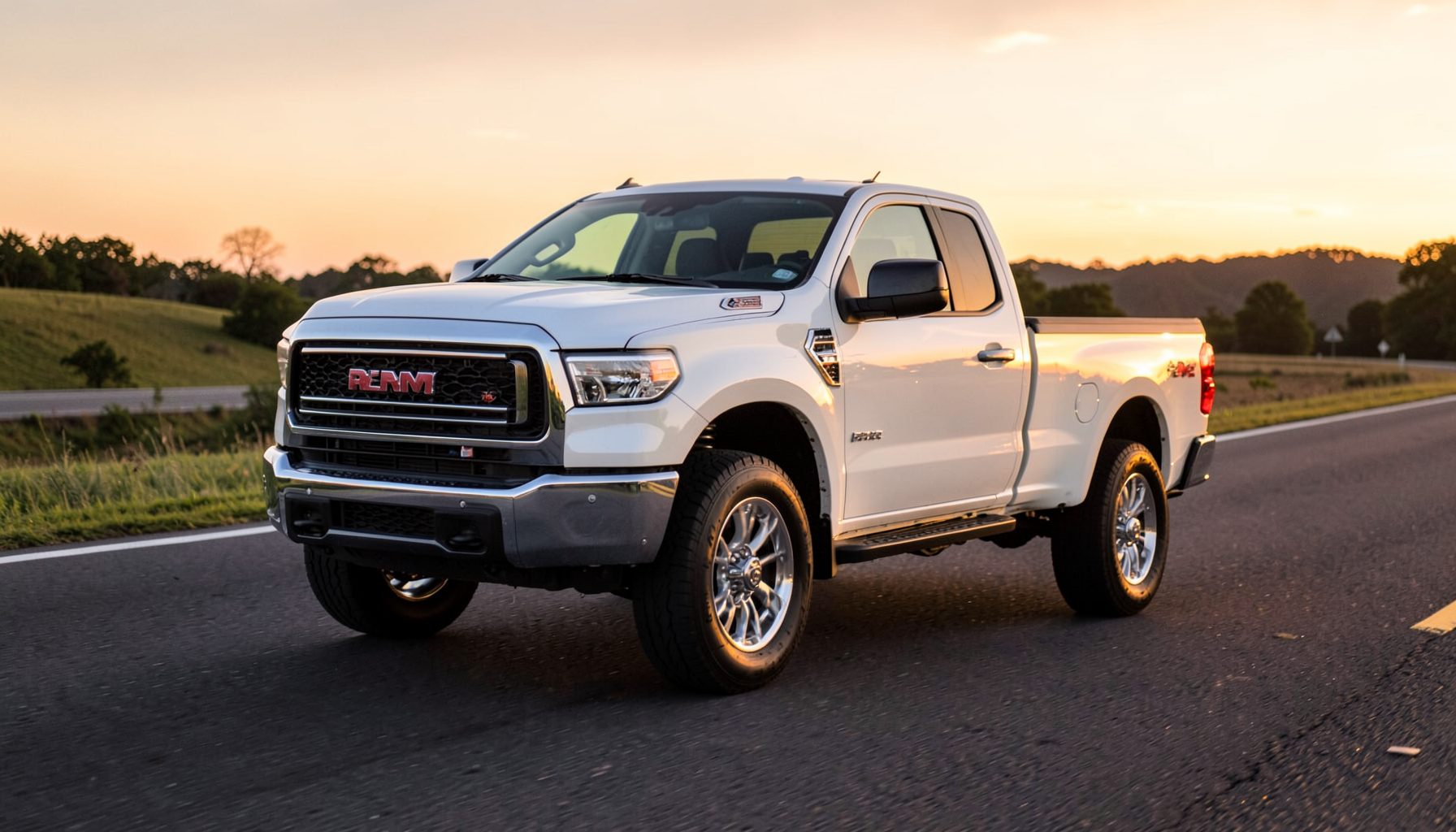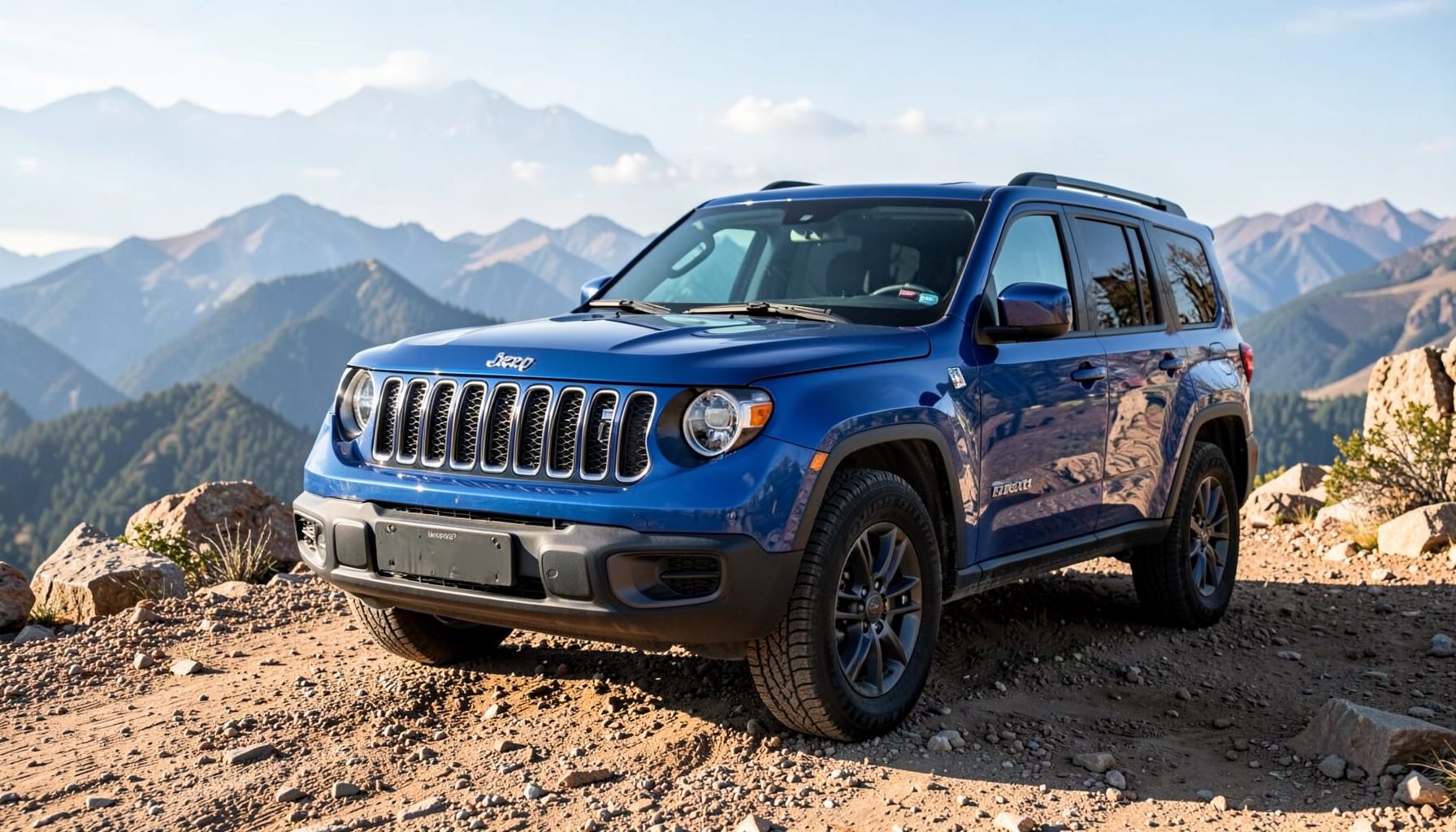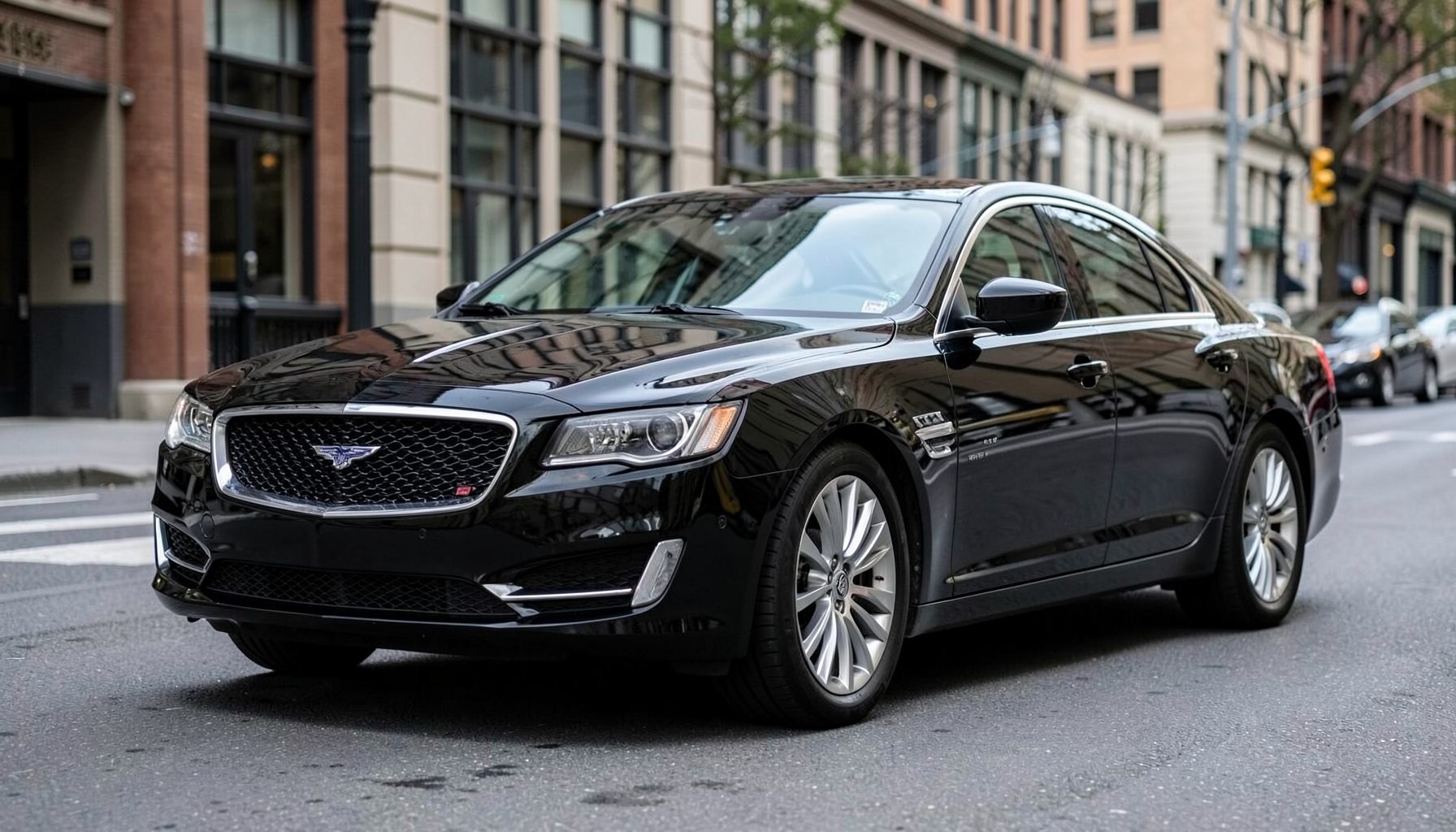
2025 Dodge Durango vs 2025 Jeep Wagoneer
Both the 2025 Dodge Durango and the 2025 Jeep Wagoneer are sold as three-row family SUVs in the United States, yet they answer the same question at different scales. The Durango is a midsize model aimed at buyers who want SUV space, strong road performance and a lower entry price. The Wagoneer is a full-size vehicle with a longer cabin, a larger rear compartment and a traditional V8 focus. Alan Vines Automotive Group in Jackson, Tennessee, stocks both nameplates, making a side-by-side inspection practical.
For Australian buyers, that U.S. market context matters. Both vehicles are generally sold there as left-hand-drive models, while traffic in Australia keeps vehicles on the left and mainstream local SUVs are right-hand drive. Import approval, road-standard compliance, Australian dollars, local insurance and parts availability can therefore matter as much as engine output. This comparison focuses on how the models differ for someone weighing an imported purchase against familiar local choices such as the Toyota Kluger, Kia Telluride or Mazda CX-9.
A different kind of three-row SUV
The Durango sits between a conventional family SUV and the larger wagons in a showroom. Its body is noticeably shorter and lower than a Wagoneer, even though it still offers three rows and up to eight seats in the right configuration. The shorter footprint makes it easier to place in a car park and gives drivers a clearer view over the bonnet. For buyers moving between medium SUVs and full-size utes or SUVs, the transition to Durango dimensions feels manageable.
The Wagoneer adopts a squarer, more upright shape designed to maximise passenger space and luggage capacity. Its longer wheelbase creates more rear legroom, while the boxier rear quarter is useful when fitting child seats, luggage or touring equipment. Depending on specification, it can accommodate up to nine occupants. The trade-off is a larger turning circle, more difficult parking in narrow locations and a bulkier presence in traffic.
That distinction becomes clearer around Australian cities. A Durango is generally easier to manage in a Melbourne laneway or a Sydney parking garage, while a Wagoneer may require more care in tight urban spaces. Conversely, families regularly travelling between metropolitan areas and regional destinations gain useful room from the Wagoneer’s longer cabin. Neither model is a seven-seater in every configuration, so seat count, third-row access and luggage behind the final row should be checked with the particular vehicle.
Powertrains, performance and towing
The standard Durango uses a 3.6-litre Pentastar V6 producing 295 horsepower and 325 lb-ft, or about 403 Nm, of torque. It is paired with an eight-speed automatic transmission and provides enough performance for highway touring without the running costs associated with the larger V8 in the Wagoneer. The optional 6.2-litre supercharged HEMI in the R/T Scat Pack raises output to 710 horsepower and 875 lb-ft, making it one of the quickest three-row SUVs available.
The regular Wagoneer takes a different approach with a 5.7-litre naturally aspirated HEMI V8. Its 357 horsepower and 390 lb-ft, or roughly 485 Nm, are less spectacular on paper than the Scat Pack, but the V8 delivers smooth low-speed pulling and a relaxed feel at highway speeds. The 510-horsepower twin-turbo V6 belongs to the costlier Grand Wagoneer, not the standard Wagoneer considered here. Fuel consumption also differs sharply between the Durango’s V6 and the Wagoneer’s V8.
Maximum published towing figures for many Durango and Wagoneer configurations reach about 9,100 pounds, or 4,127 kg, although the rating changes with axle, trim and drivetrain. Performance variants such as the Scat Pack have a reduced maximum tow rating, while some Wagoneer grades can still handle a heavy caravan. For an Australian buyer towing a 2,500–3,500 kg caravan, the headline figure is only the first check: payload, towball load, gross vehicle mass and the weight of occupants must leave enough capacity for the trailer.
Cabin space, technology and safety
Inside, the Durango combines a driver-focused dashboard with a family-friendly arrangement. Its Uconnect infotainment system supports smartphone integration, navigation and available driver-assistance features, while physical climate and volume controls remain useful in hot weather. Depending on trim, the cabin includes a digital instrument cluster, configurable displays, wireless charging, leather seating and a power-folding third row. Options such as a powered tailgate can save effort during school runs and camping trips.
The Wagoneer places greater emphasis on space and comfort. Its long cabin provides more generous second- and third-row accommodation, with useful storage areas and a large luggage opening for bulky equipment. Uconnect hardware and software are closely related to the Dodge system, but the Wagoneer’s larger screens and higher-end seating, audio and convenience equipment create a more luxurious atmosphere. Exact screens, seat configurations and bundled options vary considerably between the many trim levels.
Both vehicles provide three-row seating, blind-spot monitoring, rear cross-traffic alerts and other driver aids, but equipment is not identical across grades. Adaptive cruise control, lane-departure assistance and automated emergency braking may be standard, optional or unavailable on particular versions. Australian buyers should not treat a U.S. crash rating or equipment list as a substitute for current ANCAP information. The availability of ISOFIX anchor positions, seat-belt arrangements and child-seat clearance should also be confirmed for any particular imported vehicle.
Planning for Australian ownership
A U.S.-market vehicle cannot be registered in Australia merely because it carries a new or low-kilometre odometer. Import approval, customs documentation, applicable goods and services tax and duty must be handled first, while high-value examples may attract Luxury Vehicle Tax. Both models are normally left-hand-drive. Some privately imported vehicles may be eligible in that configuration, but road-standard compliance must be confirmed; converting to right-hand drive does not bypass the approval process. Warranty coverage, servicing arrangements and parts supply can also change after export.
The dealer's estimate repayments tool provides a useful starting point for illustrating U.S. monthly payments, but an Australian buyer should build a separate budget. That budget needs to include the landed purchase price, registration, insurance, fuel, servicing and any modifications required for local use. U.S. fuel-economy figures are also based on different test cycles and should not be treated as a direct local consumption guide, particularly for a fuel-intensive V8.
Practical ownership becomes clearer on regional roads and at busy urban destinations. The Wagoneer’s V8 may feel composed while carrying a full load between Melbourne and regional campsites or towing along routes north of Sydney, but fuel receipts will quickly reveal the cost of its extra output. The Durango is generally easier to fill and more economical when used as a family car. For either vehicle, an independent Australian inspection remains valuable because access to brand-specific parts, diagnostic equipment and trained technicians can be more limited than for locally supported marques.
Choosing the better fit
The Durango offers the stronger value argument for most performance-focused buyers. Its U.S. starting price was roughly US$40,000, compared with about US$59,000 for the Wagoneer, before options, freight and taxes. The Scat Pack adds exceptional speed for relatively little money, while the V6 versions cover most family needs with lower fuel use. Buyers who regularly visit Melbourne’s central laneways or use compact city parking spaces will also appreciate the smaller footprint.
The Wagoneer makes more sense when cabin space, a V8 and a relaxed towing character outweigh fuel cost and parking inconvenience. Its extra length creates a calmer highway environment and more practical room for passengers and luggage, while the larger grille and upright body give it a unmistakable presence. Australian buyers considering a full-size local alternative should compare it with vehicles such as the Nissan Patrol, which come with established right-hand-drive supply and local service support.
Alan Vines Automotive Group provides current Dodge and Jeep inventory for buyers searching around Jackson, and its service department uses trained technicians and genuine parts. The dealership also publishes practical advice on maximising trade-in value and advertises a three-day money-back guarantee on qualifying vehicles, subject to its published terms. Comparing actual advertised prices is important because equipment, condition and financing terms can shift the gap between the two SUVs.
The concrete next step is a back-to-back test drive or equivalent independent inspection of the exact trim, with towing, payload, equipment and service parts confirmed in writing before any Australian freight or import commitment.