Comparing the 2025 Hyundai Tucson and the 2025 Jeep Cherokee
Australian SUV buyers have more choice than ever heading into 2025, and two models that consistently draw showroom traffic are the Hyundai Tucson and the Jeep Cherokee. Both names carry weight locally, with the Tucson a familiar sight in suburban driveways from Brisbane to Adelaide and the Cherokee enjoying a strong following among drivers who want a bit more American flavour in their family hauler. This year brings meaningful updates to each, making a side-by-side look worthwhile for anyone weighing up their next purchase.
The Australian new-car market has shifted noticeably over the past five years, with medium SUVs overtaking small cars as the default family choice. Inflation, fuel costs, and the rising price of bigger vehicles have nudged buyers toward value-packed options that still feel premium. Hyundai has built its Tucson on that formula, while Jeep has worked hard to modernise the Cherokee after a period when it looked a touch dated against its rivals. Both arrive in 2025 with sharper styling, updated infotainment, and revised drivetrains aimed at keeping them competitive.
City buyers face particular considerations that rural shoppers do not, and vice versa. Navigating Brisbane's Clem7 tunnel during peak hour differs sharply from tackling the gravel roads leading out of regional Western Australia, and a vehicle's size, visibility, and turning circle can swing a buying decision either way. Even parking dimensions matter, especially in older Melbourne apartment blocks where tight car parks punish oversized SUVs. Comparing the Tucson and Cherokee side by side means weighing these everyday realities, not just glossy brochure claims.
Reliability and long-term running costs matter deeply for Australian households juggling mortgages and rising insurance premiums. Warranty coverage, parts availability, and the strength of the dealer network all play a part, particularly for buyers in regional centres where the closest service point might be hundreds of kilometres away. Many Australians also weigh a slightly older example against the very latest model, and a used car with verified service history can deliver much of the same dependability without the new-car price. Sorting through these practical details helps cut through marketing noise.
Exterior styling and road presence
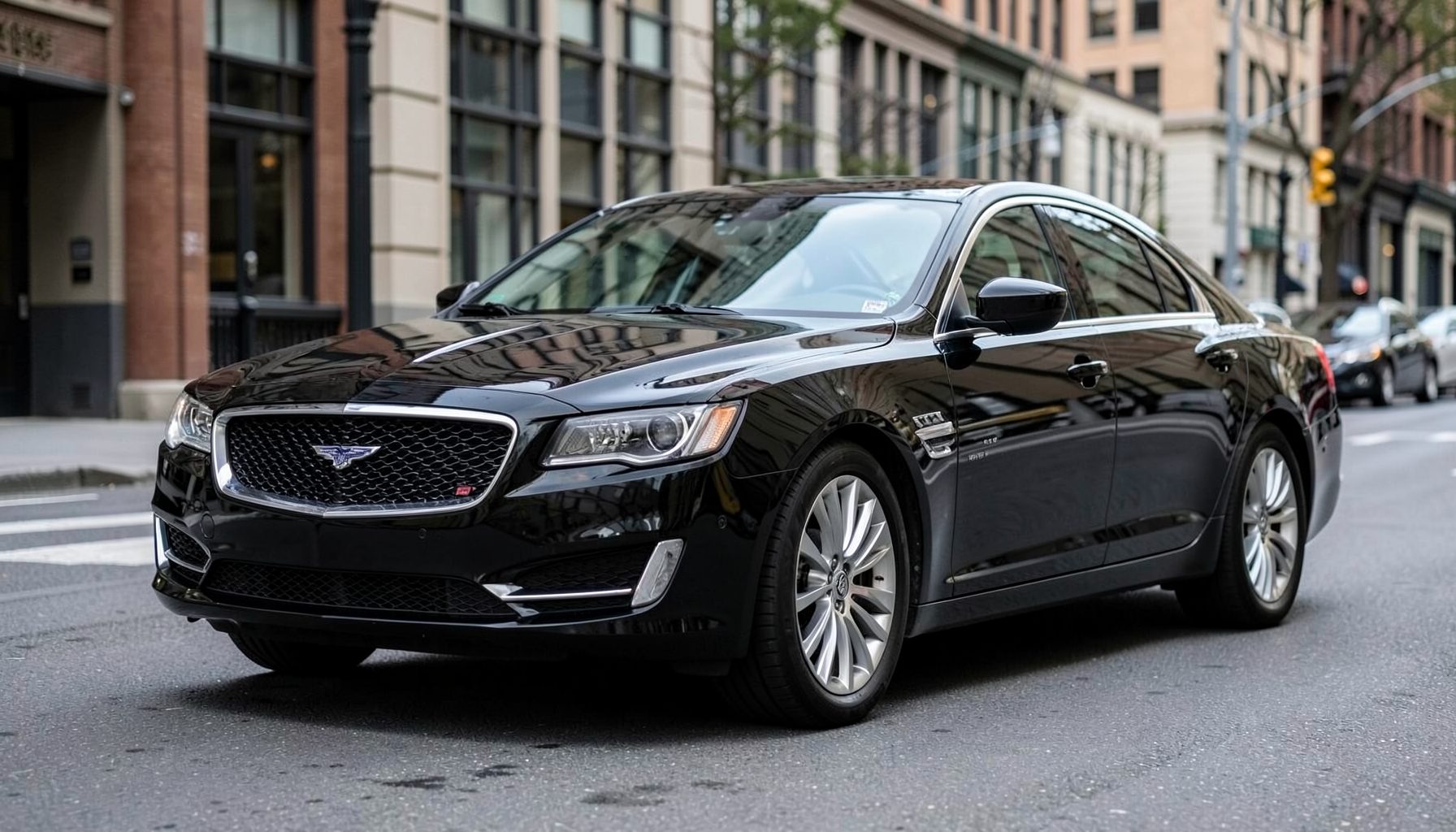
The 2025 Hyundai Tucson carries forward the brand's bold, parametric design language that turned heads when it first launched. Its jewel-like headlight clusters, hidden grille elements, and muscular wheel arches give it a futuristic look that still feels current three years on. In Australia, where buyers tend to favour vehicles with strong road presence for school drop-offs and weekend highway runs, the Tucson's wide stance and high beltline deliver exactly that. It looks more like a concept car than a family SUV, which has helped it win over style-conscious buyers in Sydney's inner west and Perth's beachside suburbs.
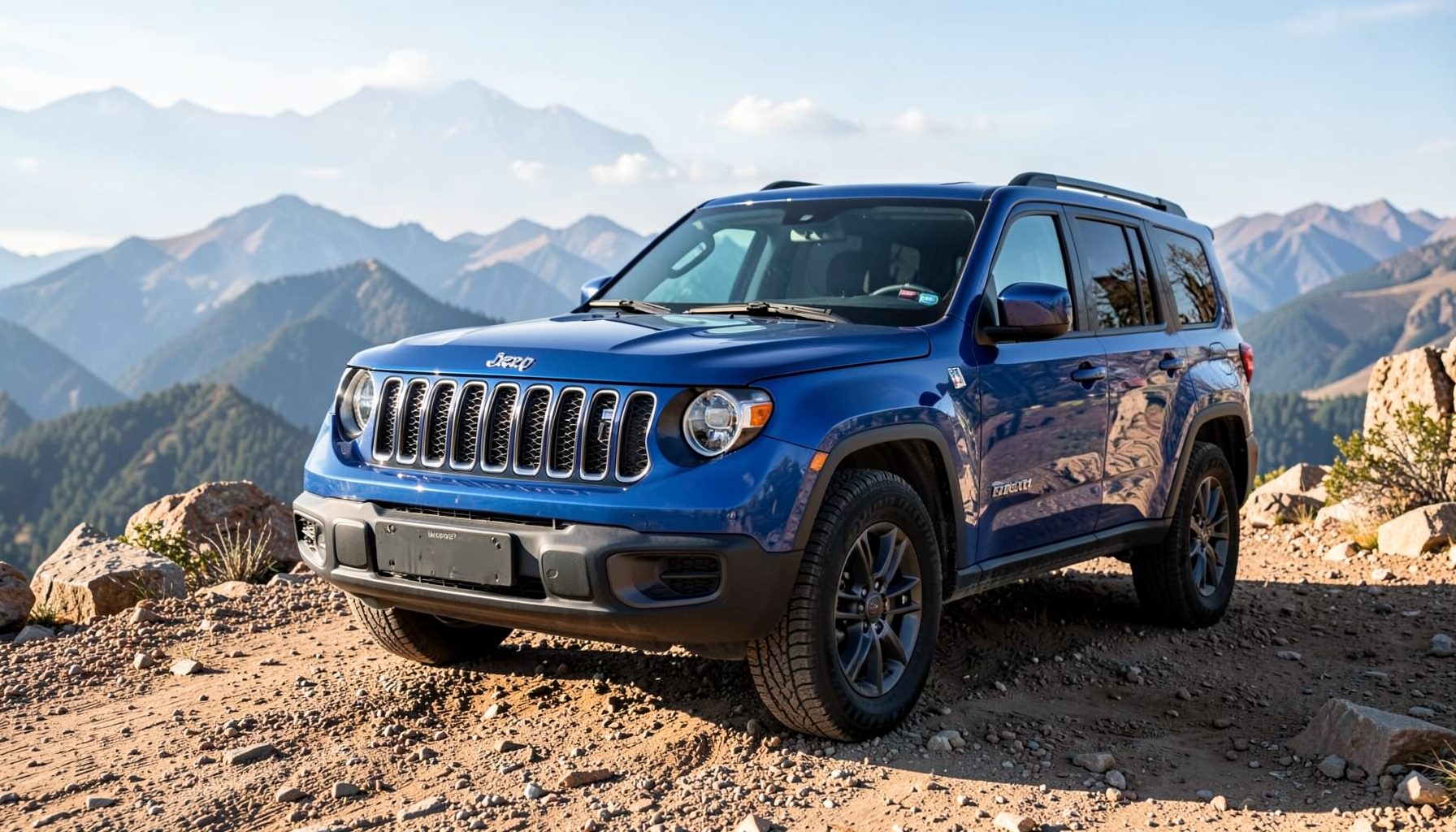
The 2025 Jeep Cherokee takes a more traditional path, returning to a conventional two-box SUV shape after the divisive previous-generation styling. Its seven-slot grille, square shoulders, and upright proportions signal its heritage without feeling overly nostalgic. Jeep has clearly studied what Australian buyers responded to in the larger Grand Cherokee and applied those lessons here. The result reads as confidently American, which appeals to a specific slice of the market that wants something different from the European and Korean entries crowding showrooms.
Dimensionally, the two sit close together but favour different priorities. The Tucson is slightly shorter in overall length, which helps in tight Woollahra car spots and Hobart's narrow inner-city streets. The Cherokee offers a touch more ground clearance, useful when negotiating flooded causeways in tropical Cairns during the wet season or rutted tracks on the slopes of the NSW Southern Tablelands. Neither feels oversized for everyday Australian duties, but both reward drivers who think about where they typically park and drive.
Interior comfort and tech
Step inside the Tucson and the cabin immediately impresses with its clean, horizontal dashboard and large, integrated display screen. Ventilated seats, dual-zone climate control, and an uncluttered centre console make it feel more like a lounge than a workhorse. For Australians clocking long kilometres between capital cities, the supportive seats and noise insulation earn their keep on stretches like the drive from Sydney to Canberra. Hyundai's local tune of ride comfort also feels well matched to suburban speed humps and corrugated country roads alike.
The 2025 Cherokee counters with a more upright, traditional dashboard layout that places physical controls within easy reach. Jeep's new Uconnect system runs through a central touchscreen that is responsive and clearly labelled, an improvement over earlier iterations. Storage cubbies are plentiful, USB ports appear in sensible spots, and the seats in higher trims come trimmed in materials that feel suitably premium. The cabin rewards drivers who prefer tactile buttons over touchscreen-only interfaces, a preference that remains strong among older Australian buyers.
Both vehicles offer wireless Apple CarPlay and Android Auto as standard, fitting for a market where phone integration has become almost expected rather than a luxury. Rear-seat space is generous in each, with enough legroom for lanky teens and booster seats. The Tucson's rear air vents are a noticeable bonus during Brisbane's humid summers, while the Cherokee's wider rear door opening makes fitting child seats easier, a small detail that matters enormously to young families.
Powertrain and efficiency
Hyundai offers the 2025 Tucson with a choice of efficient powertrains suited to Australian conditions. The naturally aspirated 2.0-litre petrol suits urban commuters perfectly, while the 1.6-litre turbocharged hybrid delivers meaningful fuel savings over a tank, particularly valuable with petrol prices fluctuating across the country. Rated efficiency figures are competitive, and the Tucson typically uses standard 91-octane unleaded, which keeps running costs sensible for families filling up in expensive markets like Sydney and Darwin.
The Cherokee arrives with a turbocharged 2.0-litre four-cylinder that delivers more pulling power than its predecessor. Paired with a smooth-shifting automatic, it feels brisk in city traffic and confident when overtaking on regional highways. Jeep has worked on refinement, and the new Cherokee is noticeably quieter under acceleration than the model it replaces. Fuel economy improves over the old V6, which helps soften the sting of higher fuel excise on larger engines in the Australian tax system.
Australia's ethanol-blended E10 fuel is compatible with both vehicles, expanding refuelling options in regional areas where standard 95 or 98 octane pumps can be scarce. Towing capacity is solid in both, with each rated to handle a small caravan or a box trailer for weekend getaways. Drivers who tow boats to the Mornington Peninsula or jet skis to the Gold Coast Hinterland will appreciate the extra torque, though neither SUV is built for heavy commercial duties.
Safety and driver assistance
Safety ratings shape buying decisions in Australia more than in many other markets, thanks to the influence of the Australasian New Car Assessment Program. The Tucson has long held strong ANCAP scores, and Hyundai typically loads even base variants with adaptive cruise control, lane-keep assist, and automatic emergency braking. For school-run parents in Adelaide or retirees navigating Perth's freeway network, these features offer real peace of mind.
Jeep has invested heavily in the Cherokee's safety suite, addressing criticisms levelled at older models. The 2025 variant brings blind-spot monitoring, rear cross-traffic alert, and a more refined autonomous emergency braking system. ANCAP testing will provide the final word, but the underlying hardware mirrors that used in other Stellantis products that have scored well in Australian assessments. Side curtain airbags extend to rear passengers in both vehicles, an important detail for families with older children.
Driver drowsiness detection, traffic sign recognition, and tyre pressure monitoring appear in both line-ups. Each also offers a reversing camera with rear parking sensors as standard, though the Cherokee's camera resolution appears marginally sharper in early showroom previews. For buyers prioritising ANCAP results above all else, checking the latest published assessments before signing paperwork is a sensible move, as ratings occasionally change between model years and trim grades.
Off-road and all-weather confidence
Neither the Tucson nor the Cherokee sits in the dedicated 4x4 category, but both offer genuine peace of mind when conditions turn rough. The Tucson's optional all-wheel-drive system includes a terrain mode selector that adjusts throttle response and traction control for snow, mud, and sand. For Australian buyers in elevated regions like the Blue Mountains or the Dandenong Ranges, where winter roads can turn slick, this functionality matters more than brochure glamour.
Jeep's Selec-Terrain system is more capable in technical terms, drawing on decades of off-road engineering from the brand's larger models. The Cherokee can tackle light-to-moderate trails with confidence, including fire trails through national parks and gravel access roads to campsites in places like the Grampians or Tasmania's east coast. Ground clearance edges ahead of the Tucson, which helps when negotiating rocky sections, though serious off-roaders will still want a proper Wrangler or 4Runner for demanding adventures.
For the vast majority of Australian drivers, both vehicles handle everything from coastal rain to outback heat without complaint. Cooling systems are designed to cope with high ambient temperatures, and air-conditioning performance holds up even after hours parked in the sun at a Darwin shopping centre. The choice between them often comes down to how much genuine off-road use a buyer expects, rather than any single specification sheet number.
Pricing, warranty, and ownership
The Tucson typically undercuts the Cherokee in entry-level pricing, a deliberate Hyundai strategy that has paid off in Australian sales charts. Servicing costs follow similar patterns, with capped-price programs available through the dealer network. Hyundai's five-year unlimited-kilometre warranty remains one of the strongest in the industry, which makes the Tucson a safe pick for high-mileage drivers commuting long distances in mining regions or across vast rural shires.
Jeep's warranty terms have improved significantly in recent years, and the Cherokee now comes with competitive coverage matched by fixed-price servicing through authorised dealers. Resale values are reasonable though typically a touch softer than the Tucson's, partly because of historical perceptions around Jeep reliability. Buyers planning to keep the car for a decade may weigh this more heavily than those who upgrade every few years.
For shoppers considering a used alternative rather than a brand-new model, browsing a curated dealer lot often reduces the risk of inheriting someone else's mechanical problems. Many Australian drivers also appreciate a money-back guarantee when buying a used SUV, since it removes the anxiety that often comes with pre-owned vehicles, especially when the seller is unfamiliar. Both considerations point toward dealers who stand behind what they sell rather than private listings.
A practical first step is to book back-to-back test drives at a local dealership, ideally on roads that mirror your real commute. Spend at least thirty minutes in each vehicle, noting seat comfort over speed humps, visibility in tight roundabouts, and how the infotainment responds while wearing sunglasses. Bring the family, load the child seats, and treat it like a real-world trial rather than a polite showroom loop. That single outing usually clarifies which SUV fits Australian life better.