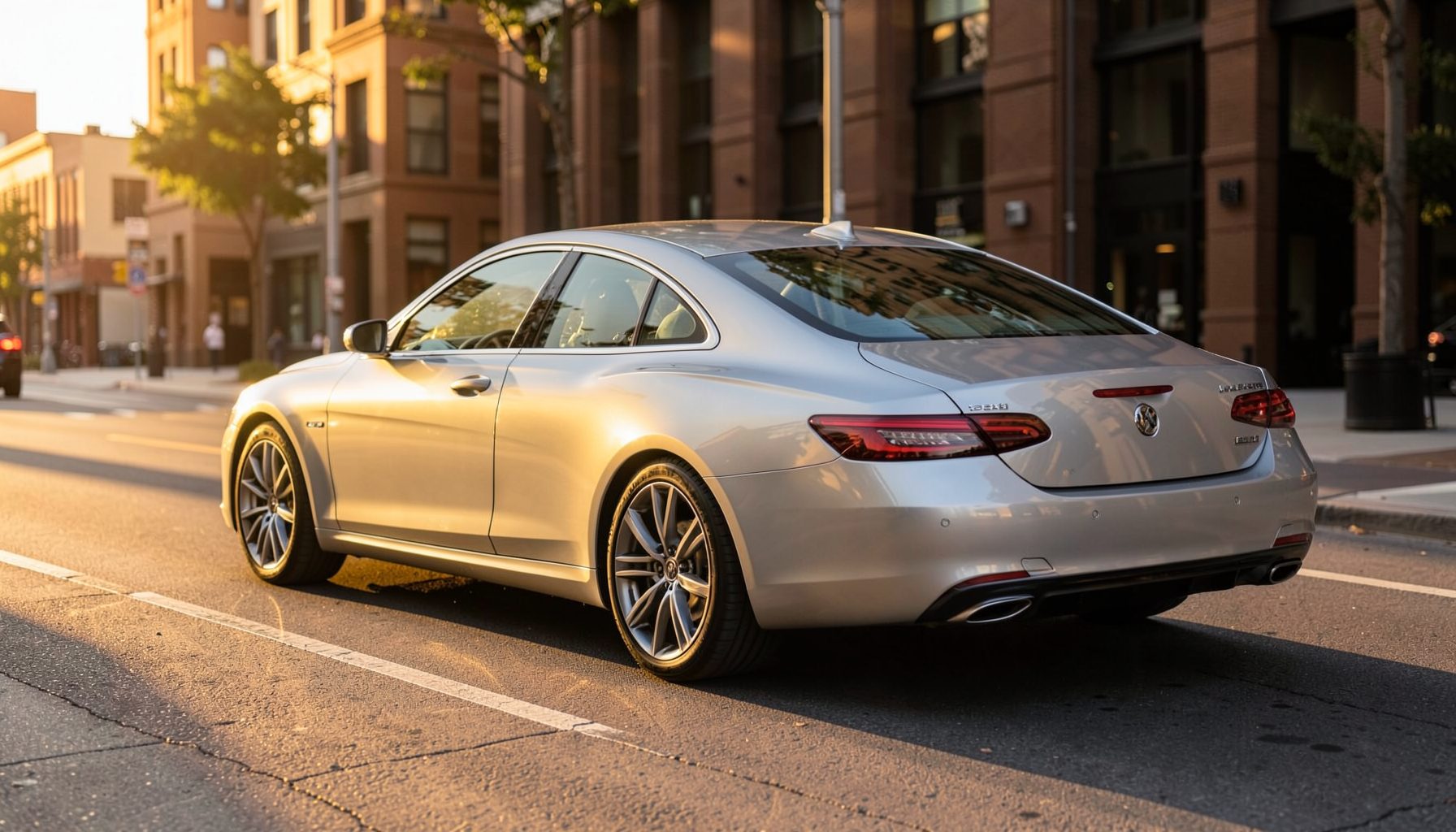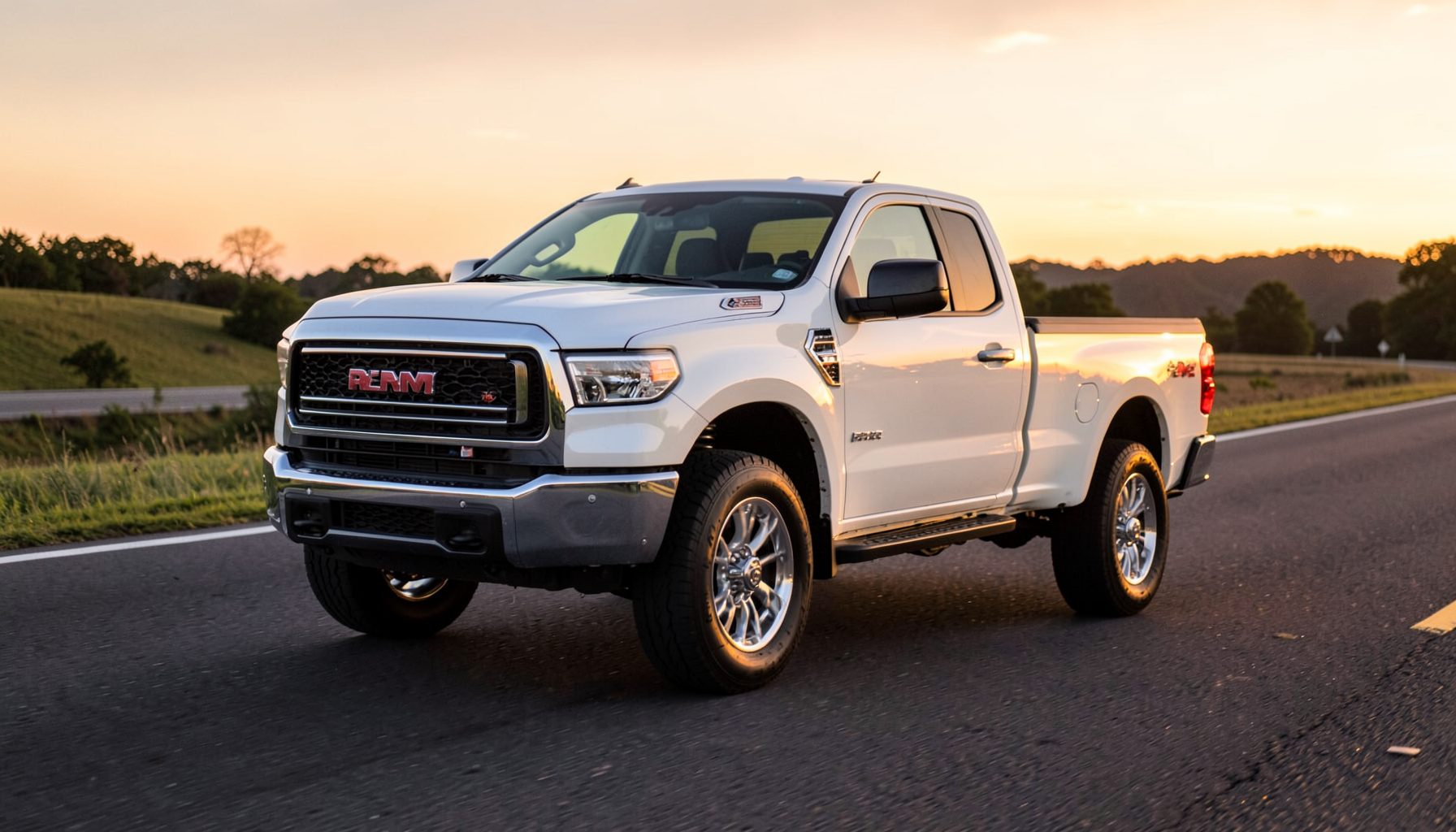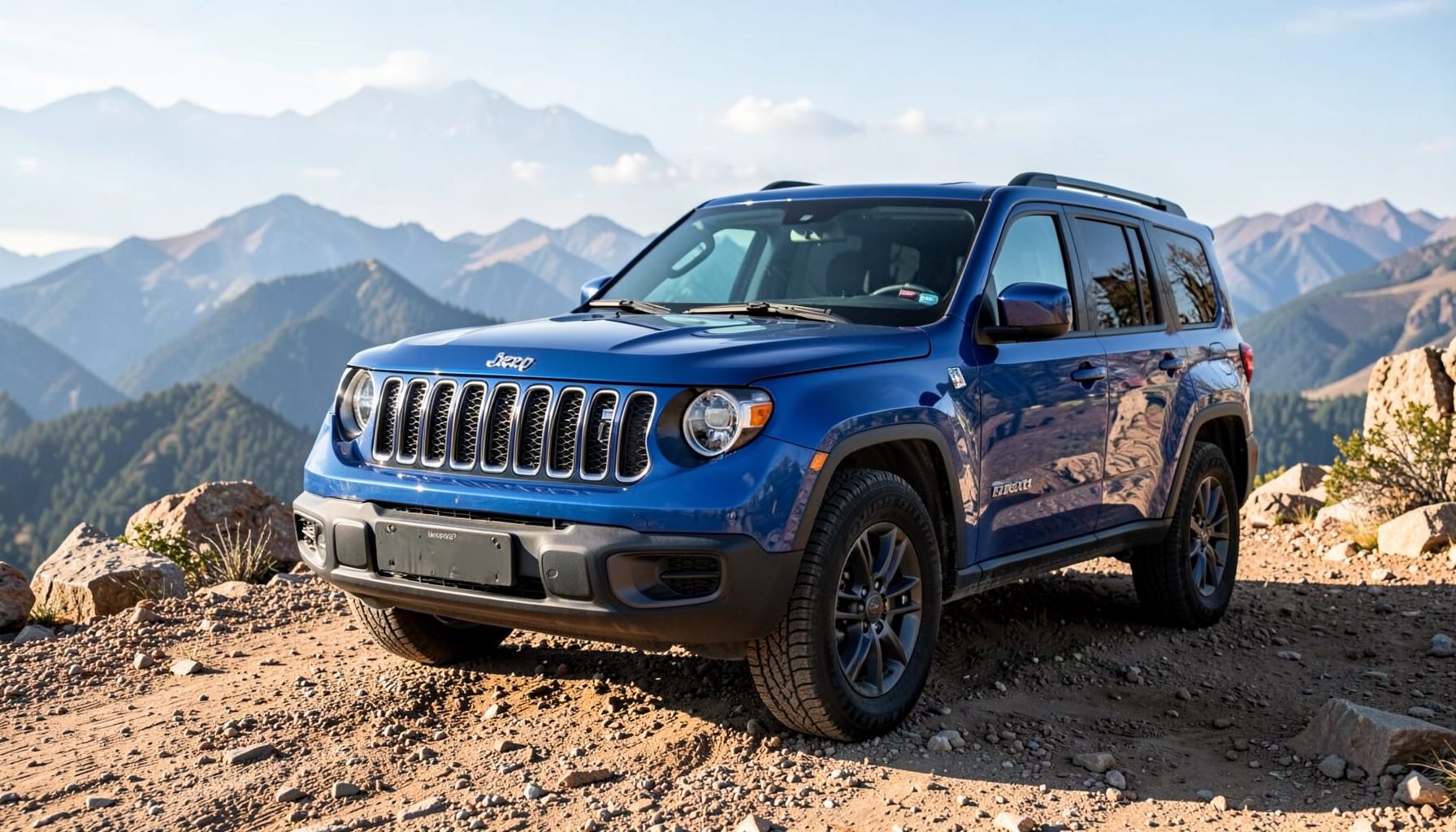
Dodge Durango Or Hyundai Palisade For Large Families
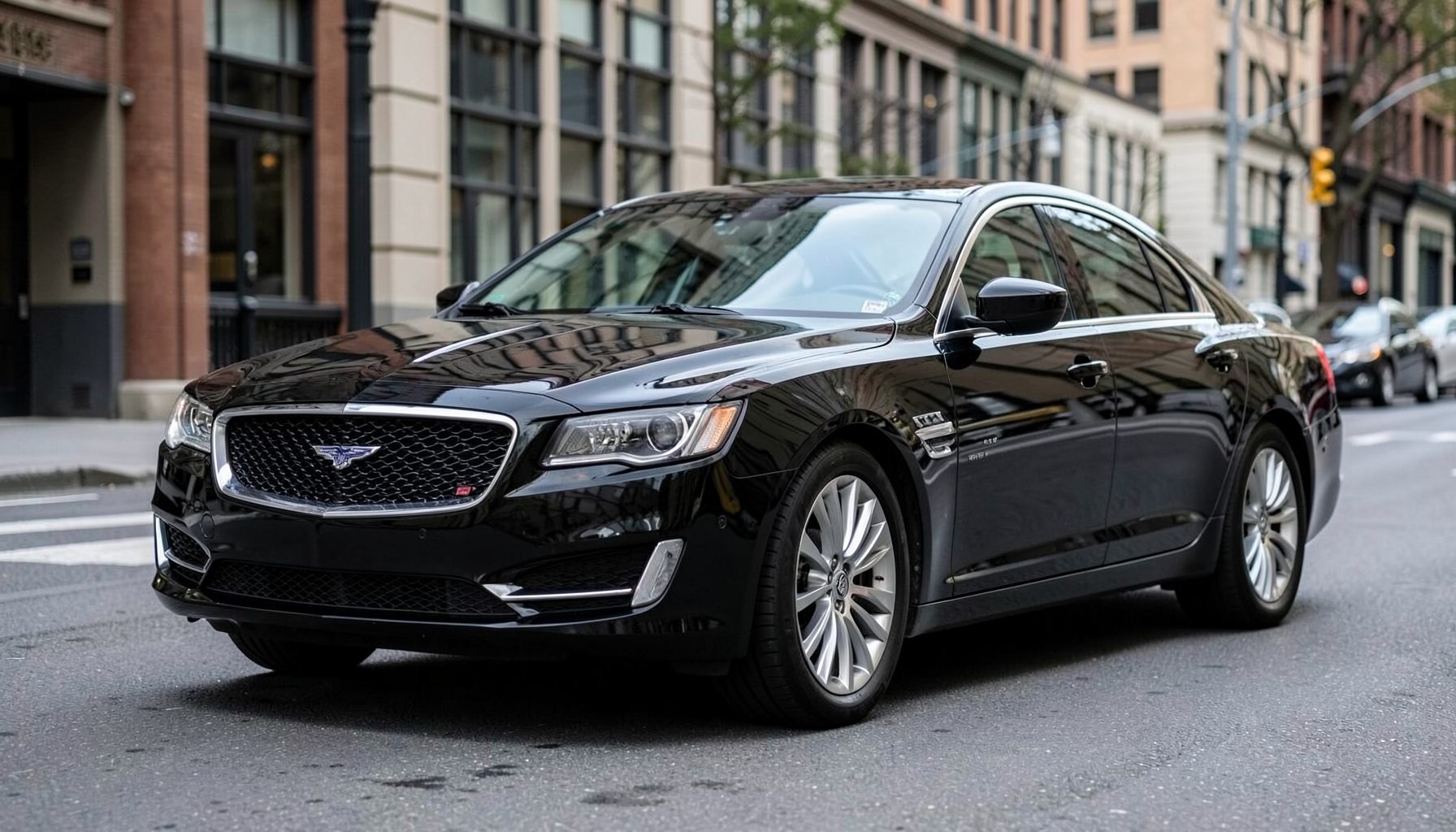
Choosing a large family SUV involves more than counting seats. Daily school runs, weekend luggage, fuel costs, child-seat access and the confidence to travel long distances all shape the right decision. The Dodge Durango and Hyundai Palisade approach those needs from different directions: the Durango leans toward performance and towing, while the Palisade focuses on comfort, practicality and family-friendly technology.
For Australian buyers, availability is an important part of the comparison. The Hyundai Palisade has been sold through Hyundai’s local network, while the Dodge Durango is generally a left-hand-drive North American model rather than a regular Australian-market vehicle. That difference can affect import approval, servicing, insurance, resale value and replacement parts.
Families comparing vehicles from overseas can browse current models, used stock and valuation resources through the Alan Vines inventory. Although the dealership is based in Jackson, Tennessee, its online tools provide a useful way to examine equipment, prices and finance examples before narrowing down a suitable large SUV.
The best choice will depend on the family’s driving pattern. A household in suburban Melbourne may value easy parking and a comfortable third row, while a family near Cairns, Perth or regional New South Wales may place greater emphasis on towing, highway stability and access to service support. The two vehicles can both carry a large household, but they do not deliver the same ownership experience.
Seating And Interior Flexibility
The Hyundai Palisade is designed around family travel. Depending on the model year and market, it is commonly configured with seven or eight seats, with generous access to the second and third rows. Captain’s chairs in the middle row can make it easier to reach the rear seats, while a bench seat may suit families who need maximum passenger capacity.
The Dodge Durango generally seats seven, although some versions use second-row captain’s chairs and carry six occupants. Its cabin feels more like a performance-oriented American SUV, with supportive front seats and a driving position that suits long highway trips. Third-row space is usable for children and teenagers, though adults may find the Palisade’s rear seating more accommodating.
For Australian families using child restraints, check the exact configuration carefully. A vehicle may have several seating positions, but that does not automatically mean three bulky child seats will fit across one row. Australian child restraints must comply with local requirements, including applicable AS/NZS 1754 standards, and installation can reduce access to the third row.
Passenger Comfort And Everyday Use
The Palisade’s interior is aimed at quiet, relaxed travel. Wide-opening doors, multiple storage areas, rear climate controls and USB charging points can make a difference during school runs or a long trip from Adelaide to Melbourne. Higher-grade versions may add ventilated seats, premium upholstery, a panoramic roof and additional driver-assistance features.
The Durango offers a more traditional SUV environment, with straightforward controls and a firm, composed feel. It can appeal to drivers who want a large vehicle that feels responsive rather than minibus-like. Its third-row access and cargo arrangement are practical, but the interior design may feel less lounge-like than the Palisade’s in family-focused trims.
Urban conditions should also influence the decision. In Sydney or Brisbane, a large SUV can be challenging in older multi-storey car parks, narrow residential streets and tight supermarket spaces. The Palisade’s parking cameras and sensors are valuable in those situations, while the Durango’s larger footprint and left-hand-drive layout may require extra care if it has been privately imported.
Engines, Performance And Fuel Use
The Durango has a broad engine range, depending on year and trim. V6 models offer a balance between everyday performance and running costs, while V8 versions provide stronger acceleration and substantially higher towing capacity. Some high-performance variants are exceptionally powerful, but their fuel consumption, tyre costs and insurance premiums are unlikely to suit a typical family budget.
The Palisade has traditionally used a naturally aspirated petrol V6 in some markets, with diesel availability in selected Australian versions and model years. Its power delivery is smooth and predictable, which suits suburban driving and motorway travel. An available all-wheel-drive system can provide extra traction on wet roads, gravel surfaces and steep holiday routes, but it does not turn the vehicle into a specialist off-roader.
Fuel prices are a practical consideration in Australia, where large petrol SUVs can become expensive during frequent stop-start driving. A family covering short trips around Canberra or the Gold Coast may notice consumption more than a household that mainly travels on open highways. Comparing real-world fuel use, tank range and servicing costs is more helpful than relying only on laboratory figures.
Towing And Long-Distance Capability
The Durango is the clear choice for buyers who need serious towing ability. Certain V8 versions can tow close to 3,900 kilograms when properly equipped in their original specification, although the legal limit in Australia depends on the vehicle’s compliance plate, towbar rating, trailer brakes and local regulations. The V6 is less capable, but still suitable for many boats, camper trailers and utility trailers.
The Palisade is competent for moderate towing, often with a capacity around 2,000 to 2,300 kilograms depending on engine, drivetrain and market. That is enough for a small caravan, box trailer or family boat in many cases. Buyers should confirm the exact Australian rating and ensure the trailer’s loaded mass, ball weight and braking system remain within the permitted limits.
Technology can also matter when towing. Readers comparing family SUVs with other vehicles may find useful explanations of electrified drivetrain features in this Ram eTorque guide, although the Durango and Palisade use different powertrain designs. In Australia, a tow package should be professionally fitted and checked against state or territory road rules before a trip.
Safety And Driver Assistance
Both SUVs can offer a strong selection of active safety systems, including autonomous emergency braking, blind-spot monitoring, lane-keeping assistance, adaptive cruise control and rear cross-traffic alert. Equipment varies considerably by trim and model year, so a used vehicle should be checked by its exact specification rather than by the name of the model alone.
The Palisade’s family-friendly safety package and broad local availability make it easier for Australian buyers to compare official crash ratings, recall information and replacement parts. The Durango can also provide robust occupant protection, but an imported example may have equipment calibrated for North American conditions and may not have an Australian rating through the same assessment pathway.
No safety system replaces correct seating and attentive driving. Children should be placed in suitable restraints, luggage must be secured, and driver-assistance features should be treated as support rather than self-driving capability. This is especially important on long Australian routes where fatigue, wildlife and changing weather can create hazards well beyond city traffic.
Cargo Space And Road-Trip Practicality
With all seats in use, both vehicles leave useful room for groceries, school bags and smaller luggage, but neither can carry a full family’s holiday equipment without planning. The Palisade generally makes good use of its upright cabin, with a practical cargo area behind the third row and folding rear seats for larger loads.
The Durango’s boxier shape and strong towing focus are helpful when carrying sports equipment, camping gear or a trailer. Folding the third row creates a larger load floor, and the vehicle’s substantial exterior dimensions can be an advantage for bulky items. Its higher fuel use and imported-parts considerations may matter more once a family begins using it for frequent road trips.
Australian travel often means packing for very different conditions. A weekend at the coast may require prams, beach equipment and bags, while a trip through the Victorian High Country or the Northern Territory may demand recovery gear, water and extra supplies. Check payload as well as boot volume, because passengers, luggage, accessories and tow-ball load all count toward the vehicle’s permitted mass.
Ownership, Availability And Value
The Palisade has the simpler ownership case for most Australians. Local dealer support, established parts channels and familiarity among independent workshops can reduce inconvenience. Hyundai’s warranty, roadside assistance and servicing terms should be checked for the particular vehicle and purchase date, especially when considering a used example.
A Durango can be appealing to enthusiasts who want American styling, strong performance and greater towing potential. However, a grey import may require an approval process, engineering checks, compliance work and specialist servicing. Left-hand-drive operation can be awkward at toll booths, drive-throughs and overtaking situations, while registration rules differ between states and territories.
Purchase costs also extend beyond the advertised price. Australian buyers may need to allow for stamp duty, registration, compulsory insurance, comprehensive cover, import-related charges and any modifications required for compliance. A vehicle valuation and trade-in estimate can help establish the genuine changeover cost, rather than focusing only on monthly finance repayments.
Digital research can include a mixture of useful vehicle information and unrelated entertainment material, so shoppers should verify specifications through the manufacturer, government registers and the seller’s documentation. An online casino tournament article illustrates why website content should be judged by its subject and source; it has no bearing on vehicle safety, towing ratings or Australian compliance.
The Palisade is usually the more straightforward recommendation for an Australian large family wanting local support, comfortable seating and balanced everyday usability. The Durango becomes more compelling when towing strength, engine performance and American SUV character matter more than easy access to local parts and right-hand-drive convenience.
Whichever model is selected, inspect the exact trim, seating arrangement, service history, safety equipment and compliance status. The right family SUV is the one that fits the household’s passengers, cargo, roads and budget in real life—not simply the one with the biggest engine or longest equipment list.
What the reader should remember is simple: the Hyundai Palisade is generally the easier all-round family choice in Australia, while the Dodge Durango earns consideration for power and towing, provided its import, running and compliance requirements are fully understood.