Service loaner vehicles during repairs at Alan Vines
When your vehicle needs a repair that cannot be finished before you leave, the practical question is how you will get home and return. Alan Vines Automotive Group’s service loaner program gives qualifying customers a temporary vehicle while their car is being serviced. Understanding how our service loaner program works starts with the repair itself: the length of the visit, the work required, and whether a suitable loaner is available.
A courtesy loaner is different from a rental vehicle arranged through an insurance company. It is provided for a specific service visit and normally comes with conditions covering authorisation, identification, fuel, permitted use and responsibility for damage. Availability can change as the workshop schedule changes, so an initial request should not be treated as a confirmed reservation until the service team approves it.
The program is based in Jackson, Tennessee, rather than Australia. For customers travelling from Melbourne, Sydney, Brisbane or regional areas, that distinction is important. A loaner can support a repair at the dealership, but it does not provide a replacement vehicle in Australia or remove the requirements involved in shipping, registering and insuring a U.S.-specification vehicle locally.
When a service loaner is useful
A loaner is most useful when diagnostic testing, mechanical repairs, electrical work or warranty procedures require the vehicle to remain at the workshop. The service adviser can identify the likely duration once the vehicle has been inspected. If the work can be completed while you wait, a loaner may not be necessary and may not be allocated.
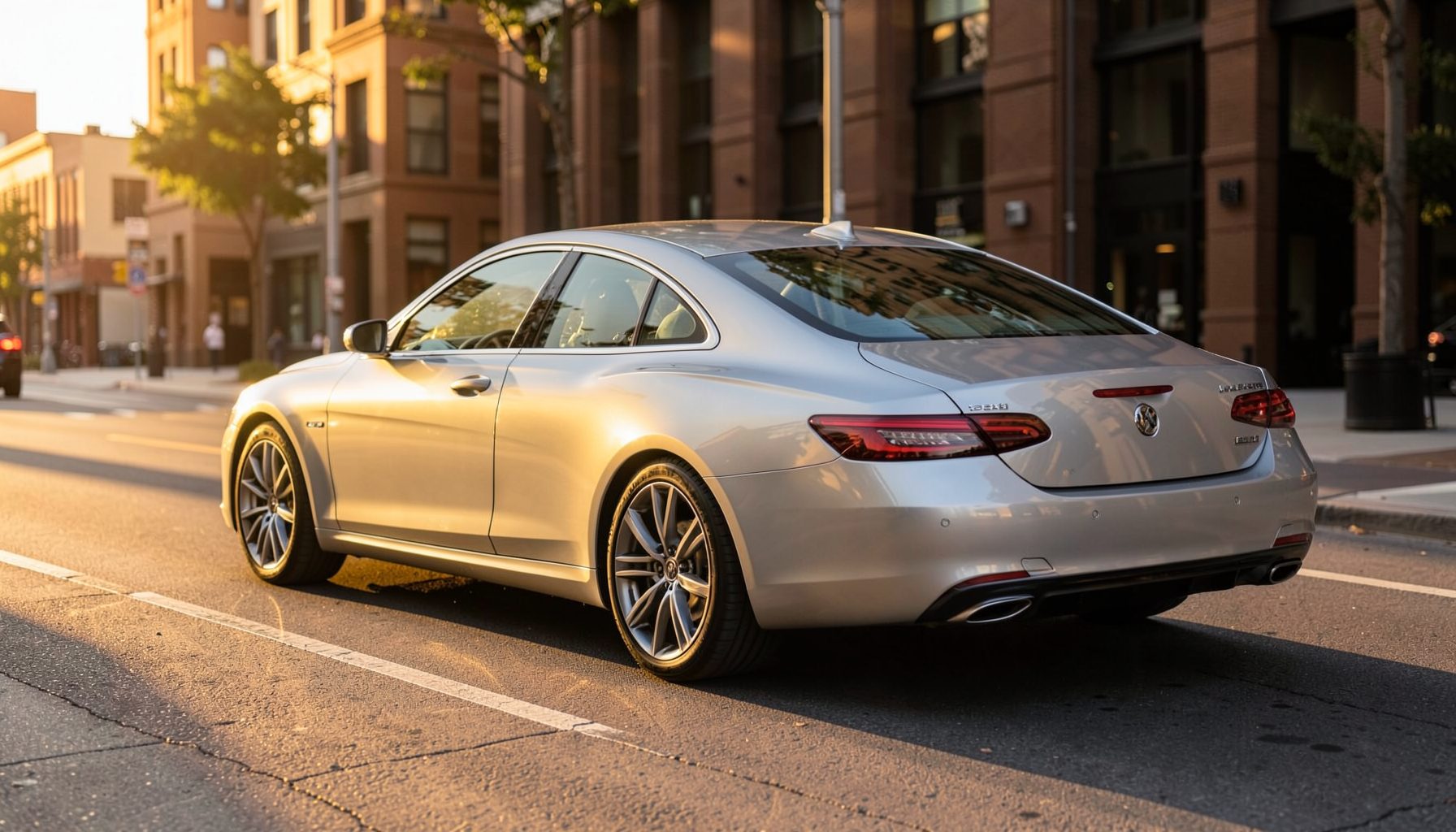
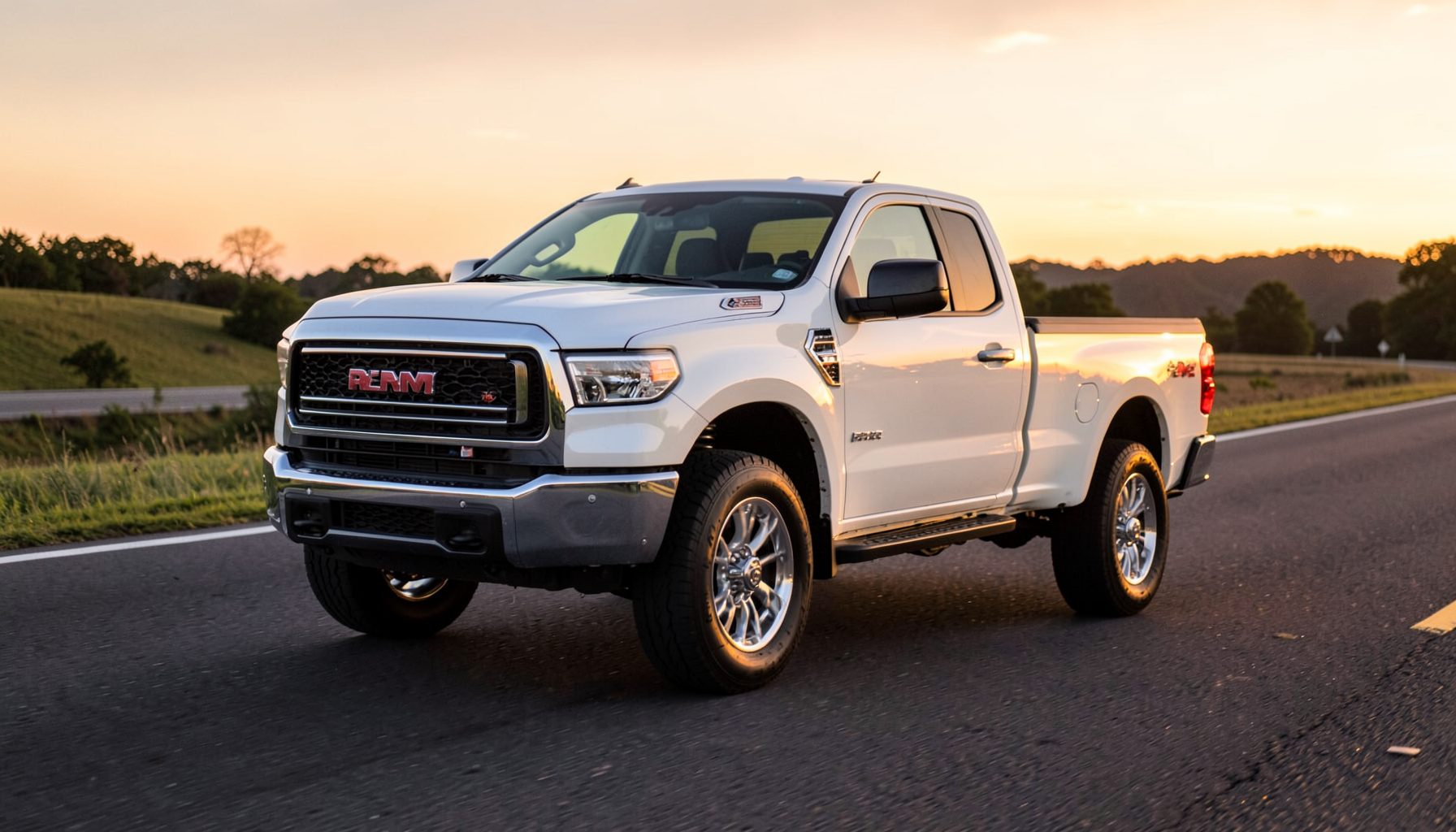
The replacement is usually a general-purpose courtesy vehicle. It may not match the year, model, trim, passenger capacity or drivetrain of the vehicle being repaired. Customers needing an automatic transmission, a specific number of seats, a tow bar or all-wheel drive should raise those requirements when booking rather than assuming they will be supplied.
Insurance-related repairs can involve a different arrangement. A collision repair may be covered by an insurer that offers a rental or hire-car benefit, while a dealership warranty repair may be handled under the service department’s own policy. The service adviser can identify which arrangement applies before vehicles are collected or work begins.
How the loaner vehicle process works
First, contact the service department with the vehicle identification number, a description of the concern and any diagnostic information already available. The adviser arranges an appointment, explains what documents to bring and checks the likely repair schedule. If a loaner may be required, ask whether one can be made available for the planned dates.
After the vehicle is accepted, a technician may inspect it before a firm estimate or completion time is available. The service adviser then obtains approval for the recommended work and confirms whether the customer wants a loaner. This approval stage matters because a loaner is generally associated with an authorised repair, not an open-ended vehicle request made before the vehicle arrives.
At handover, expect to sign a loaner agreement and provide a valid driving licence and acceptable identification. The adviser may also confirm insurance information, the fuel level, odometer reading and existing condition of the loaner. Record these details before driving away, particularly if the vehicle is used for work or regular long-distance travel.
When the repair is ready, the customer returns the loaner in the agreed condition and discusses any final charges or lost-property items. This service arrangement is separate from the dealership’s three-day money-back guarantee, which concerns qualifying vehicle purchases rather than temporary transport during maintenance or repair.
Who may qualify for a loaner
The strongest candidates are customers whose vehicles are being repaired or diagnosed by the Alan Vines service department and who cannot complete the visit in one sitting. A completed repair order, accepted liability for authorised charges and a valid licence are generally required. Customers also need to meet any age, insurance or licence conditions set for the particular loaner vehicle.
Qualification also depends on operational factors. A suitable vehicle must be free during the expected repair period, and some models or customer circumstances may have different conditions. During busy periods, a particular vehicle class may be unavailable even when another courtesy vehicle is available. The service adviser therefore checks eligibility and availability together rather than promising a vehicle over the telephone.
A request may not be approved when the customer only wants a vehicle for personal use, the repair has not been authorised, or the requested arrangement extends beyond the agreed service period. Long-term replacement vehicles, commercial use and rideshare work may also fall outside a courtesy-loaner agreement. These are separate from a conventional rental arrangement and should be confirmed before the vehicle is collected.
Documents and terms to expect
Bring a current driving licence, proof of identity and information that can be verified by the service adviser. Australian visitors should carry their valid home-country licence and an International Driving Permit, which works only alongside the original licence. The dealer may also request insurance details so it can establish whether the customer’s policy provides coverage while driving the loaner.
The loaner agreement normally outlines who is authorised to drive, how the vehicle must be used and when it must be returned. Ask whether a deposit, card authorisation or fuel policy applies before signing. Most courtesy vehicles are supplied with a full tank and returned at the same level, although the actual terms should be stated in the agreement rather than assumed.
Drivers are generally responsible for keeping the vehicle clean, avoiding prohibited use and reporting damage or mechanical problems immediately. Fines, toll charges, fuel and loss-of-use charges caused by the driver can differ from repair costs. Request a copy of the terms or a written summary if any part of the agreement is unclear.
Insurance, fuel and liability
Owning insurance does not automatically mean every part of a loaner vehicle is covered. Depending on the agreement, the dealership may provide limited coverage or require the customer’s policy to extend to the courtesy vehicle. Confirm liability limits, deductibles and any waiver before driving away. Personal accident coverage, roadside assistance and mechanical breakdown support should not be assumed to be identical to those attached to the vehicle being serviced.
Fuel is usually returned at the level recorded at handover, while tolls and traffic penalties remain the driver’s responsibility. Tennessee roads use miles per hour, distances are expressed in miles and fuel is sold by the U.S. gallon, which can be less familiar to Australian drivers. Long journeys around Jackson or between American cities also require attention to road conditions, weather and the servicing requirements of a borrowed vehicle.
Loaner fees, if applicable, are separate from the cost of repairs and vehicle finance. For broader purchase planning, the dealership’s payment calculator can help estimate instalments on a vehicle. Australian buyers should compare the quoted U.S. dollar amount with the current AUD rate and check whether freight, Australian GST, import duties, registration and local insurance have been included separately.
What Australian buyers should know
The loaner program operates from Jackson and is not an Australia-wide hire network. It supports customers whose own vehicles are physically at the dealership. If an Australian buyer intends to ship a vehicle home, the useful service visit normally happens before export; once the vehicle has left Jackson, the U.S. loaner arrangement will no longer apply.
Traffic and vehicle controls differ significantly. Australia drives on the left, while many vehicles sold in Tennessee are left-hand drive. Their U.S. steering position, road rules, lighting equipment and emissions specifications are not direct like-for-like matches for a right-hand-drive Australian vehicle. A temporary loaner in Tennessee may also lack the child seats, roof racks, tow bars or load-carrying setup used by Australian families, tradespeople and farms.
The local Australian market offers several familiar nameplates, including Toyota, Mitsubishi, Hyundai and Ford, with strong demand for SUVs, utes and vehicles equipped for towing. A U.S.-market model should be compared carefully against those alternatives because spare-wheel design, service access, software, fuel requirements and towing equipment can vary. Features popular in Australia do not necessarily transfer directly to a vehicle originally configured for the U.S. market.
Before taking a U.S. vehicle onto Australian roads, it needs the appropriate customs clearance, roadworthiness assessment, registration or number-plate transfer, and local insurance. Exchange-rate movements, shipping charges, GST, duties and modification costs can materially change the purchase price. Those arrangements are separate from servicing in Jackson and from access to a dealership courtesy vehicle.
Securing a loaner for your visit
Contact the service department before bringing the vehicle in and provide the VIN, the symptoms or required service, your expected arrival time and the likely duration away. If work has already been diagnosed, include the estimate reference. This gives the adviser a better chance of matching an available loaner to the correct service window.
Ask for confirmation of the loaner category, collection and return times, insurance requirements, fuel policy and permitted drivers. If the planned repair is short, an overnight stay or several days away, say so clearly. Availability is determined by actual workshop demand, so only a confirmed allocation should be included in your travel arrangements.
Your next step is to call Alan Vines Automotive Group’s service department with your VIN, the repair required and the date you expect to drop the vehicle off, then ask them to confirm whether a loaner can be reserved.