Work out your monthly car payment before stepping into a dealership
Calculating your monthly car payment ahead of time turns a stressful trip into a focused one. Instead of reacting to figures flashed across a screen in a glass-walled finance office, you arrive knowing roughly what you can afford. That difference shapes how you negotiate, which vehicles you focus on, and how confidently you sign when the right one appears.
Australian car buyers face a few layers that buyers in some other markets do not. Stamp duty is calculated on the vehicle's value or its purchase price, depending on the state, and the figure can swing the total by thousands. Add CTP insurance bundled into registration, potential Luxury Car Tax thresholds for higher-end models, and dealer delivery charges, and the on-road figure rarely matches the headline price. Knowing how the monthly figure is built helps you spot where each dollar goes.
This walk-through covers the maths behind a typical repayment, the running-cost numbers most buyers forget, and how to match your own calculation against what the dealership finance team eventually quotes. Whether you are browsing new stock in a Sydney showroom, hunting for a used dual-cab in regional Queensland, or comparing SUVs from a Perth lot, the same principles apply.
Gather the right financial details first
Before opening any calculator, pull together the figures that shape a repayment. The deposit is the most obvious one. A larger deposit reduces the borrowed amount and, in turn, the monthly figure. In Australia, dealers typically expect at least ten percent of the purchase price as a deposit on a new car, though more is common. Some buyers also trade in an existing vehicle, and the equity in that car effectively becomes part of the deposit.
Next, identify which loan term suits you. Five years remains the most popular length among Australian borrowers, though seven-year terms have grown since the Reserve Bank began moving the cash rate. Shorter terms save interest overall, longer terms shrink the monthly figure. There is no single right answer, but knowing your preference before stepping into a store prevents the finance officer from guiding the term up to make the deal look cheaper each month.
Finally, have your income, regular commitments, and a rough idea of your credit position ready. Lenders calculate borrowing capacity differently, yet most use a debt-to-income framework. If your current car loan, rent or mortgage, and a couple of credit cards are already eating into monthly cash flow, that changes how much a new lender is likely to approve. A quick check of your credit report through a local bureau costs nothing and gives you a realistic interest-rate band to use in the maths.
Understand what shapes the monthly figure
A monthly car repayment rests on three variables: the loan amount, the interest rate, and the loan term. The loan amount is the drive-away price minus your deposit and any trade-in equity. The interest rate depends on your credit profile, the lender, and whether the dealership offers a subvented rate through a manufacturer-backed program. The loan term is how long you take to repay, expressed in months or years.
The longer the term, the smaller each monthly instalment, but the more interest you pay across the loan's life. A forty-five-thousand-dollar loan at 7.5 percent over five years works out very differently from the same amount over seven years. Some Australian buyers are surprised to learn how much extra the longer term adds once interest is factored in. A quick sketch on paper, or in a spreadsheet, makes the trade-off visible without needing a finance background.
Balloon payments or residual values are a separate layer worth understanding. Some dealer finance products, particularly those marketed for business or ride-share use, leave a lump sum due at the end of the term. That figure keeps the monthly number low, but you still owe the balloon when the loan finishes. If you are budgeting by monthly cash flow alone, ignoring the balloon is a common trap that catches first-time buyers.
Run the numbers through a calculator
Online calculators do the heavy lifting once the inputs are known. Most Australian lenders and motoring associations host free tools where you enter the loan amount, rate, and term, then receive the monthly figure. The result is a benchmark, not a final figure, but it is useful as a starting point. Plug in a few different terms to see how the monthly number moves with each extra year.
When using a calculator, always check whether the interest field is a comparison rate. Australian lenders are required to display a comparison rate that bundles most fees and charges into a single percentage. The advertised headline rate often looks more attractive than the comparison rate, so entering the comparison rate gives a closer estimate of the true monthly cost and prevents a nasty surprise later.
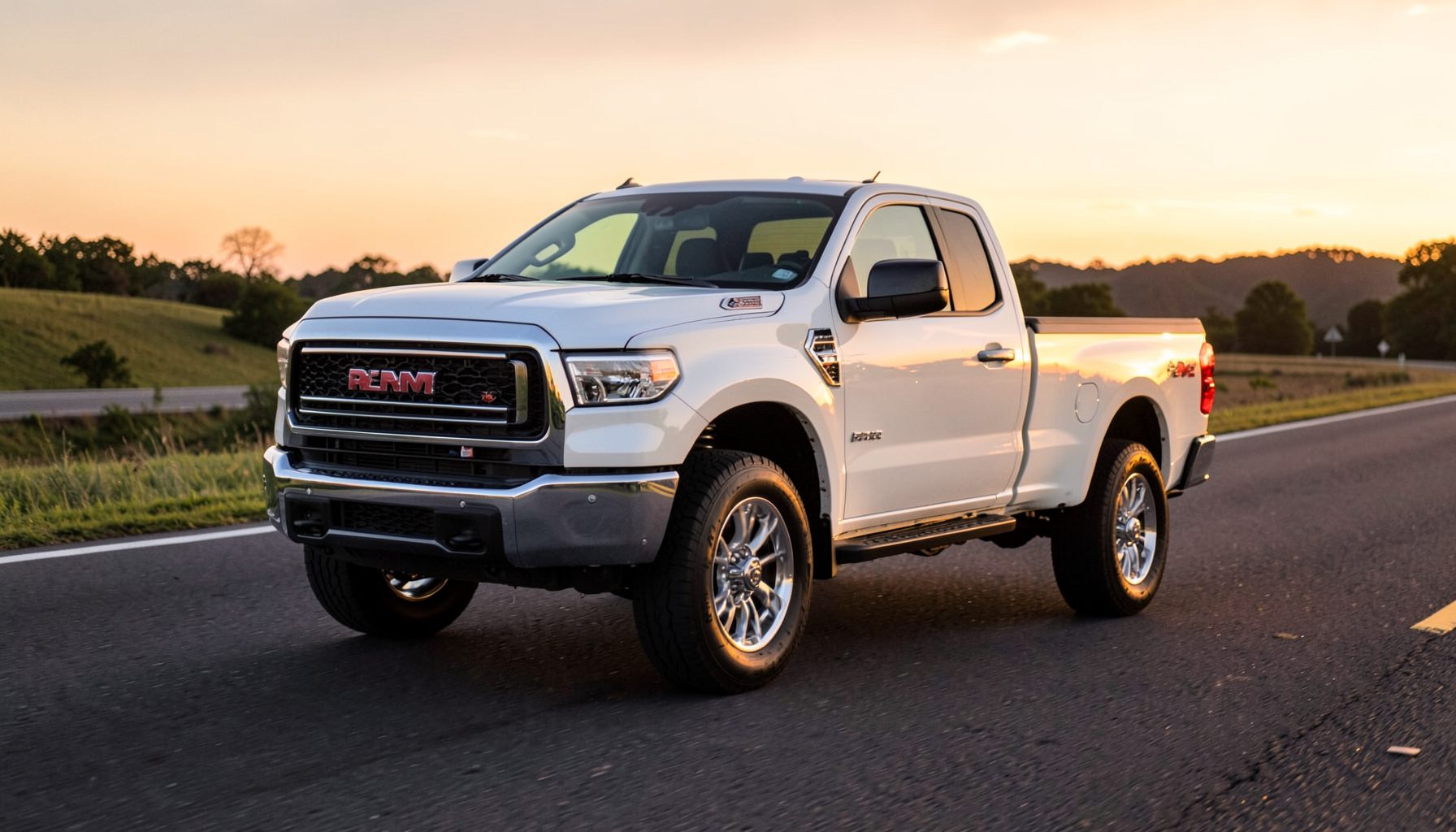
Once you have a monthly figure, look at it alongside your take-home pay. A common rule of thumb keeps total car expenses, including fuel, insurance, and maintenance, below twenty percent of net income. That discipline filters out vehicles that look affordable on paper but stretch your budget once everything is stacked together. Anyone cross-shopping the Ram 1500 versus F-150 will quickly see how the heavier fuel bill shifts the overall affordability picture for a full-size ute.
Add registration and running costs to the picture
The monthly repayment is only one slice of the total cost of ownership. Stamp duty, payable when you transfer the vehicle's registration, varies by state. In Victoria, for example, the rate climbs based on the car's market value, while New South Wales uses a flat fee structure tied to the purchase price. CTP is included in your rego in most states, though the cost depends on where you live and, in some cases, your driving record.
Fuel is another figure that catches some buyers off guard. A heavy four-wheel-drive or large SUV drinks more diesel than a small hatchback, and the gap shows up in your monthly budget. Tyres, servicing, and, depending on the model, AdBlue or premium unleaded all add to the running cost. A regional driver travelling between Tamworth and Moree will spend very different amounts on fuel compared with a city commuter in Adelaide who only clocks suburban kilometres.
Insurance is the third running cost worth budgeting for. Comprehensive cover in Australia tends to cost more for vehicles with higher market values and for younger drivers. If you are financing through the dealership, gap insurance is sometimes offered to cover the difference between what you owe and what the car is worth if it is written off. Decide before the visit whether you want that product, so the offer does not sway the maths during the deal.
Match your figure against dealer finance offers
Once you have a calculated payment based on a realistic rate, walk into the dealership with that number in mind. Dealer finance offers can be sharper than what is available through a broker or a bank, particularly when the manufacturer subsidises the rate to move stock. Comparing your calculated figure against the dealer's quoted figure shows whether the advertised offer is genuinely competitive or simply dressed up to win the credit-check conversation.
If the dealer rate comes in lower than what you expected, the monthly figure drops. If it is higher, and you have a strong credit profile, applying through a broker or your own bank before signing may save real money over the loan's life. The trade-off is time. Dealer finance is usually arranged in under an hour, while a bank or broker can take a few days to approve. For a buyer who has found the right vehicle and wants to drive away, that speed has genuine value.
Before signing, ask the finance officer to break down the total amount payable, the comparison rate, and any fees included. Penalties for early repayment also matter, especially if you plan to sell or upgrade within a few years. A clear picture now avoids surprises later when you would rather be focused on enjoying the car.
Plan the visit with the numbers locked in
With your calculated figure, deposit, and preferred term already decided, the dealership visit becomes a comparison rather than a pitch session. You can focus on the test drive, the condition of any used vehicle you are considering, and the feel of the deal. That focus is what separates a confident buyer from someone scrolling through figures in the finance office hours later, wondering where the comfortable monthly number went.
For a used car specifically, checking the vehicle's history report is one step that should not wait until you are sitting in front of a salesperson. A PPSR-style check, available through motoring associations and private providers, will flag any money owing on the car, written-off status, and odometer discrepancies before you part with a deposit.
If you are looking at a used vehicle from a dealer, ask to see the service record and any independent inspection completed before listing. A multi-point vehicle inspection typically covers brakes, tyres, fluids, and electrical systems, and any report is worth reading before agreeing to the purchase.
Practical habits that protect your monthly budget
- Use the comparison rate rather than the headline rate in any calculator
- Budget for stamp duty, CTP, fuel, and tyres alongside the loan repayment
- Keep the loan term as short as monthly cash flow comfortably allows
- Check the vehicle's history report before paying a deposit on a used car
- Get pre-approval from your own bank when the dealer's offer is unclear
The figure on your calculator is a starting point, not the final answer. Stamp duty, registration, insurance, fuel, and the loan's true interest rate all shape what actually leaves your account each month. Walking in with your own calculation, the relevant running costs, and a clear sense of how a dealer quote is built leaves you a step ahead of most buyers in the showroom. The right vehicle should fit both the road and the budget, and that match starts at the kitchen table long before you collect the keys.