How to Decide Between a New and Used Car Based on Your Budget
Choosing between a new and used car based on your budget involves more than comparing the prices shown on a windscreen or website. The cheaper vehicle may carry higher maintenance costs, while a newer model may protect you from unexpected repairs but require larger repayments. The right choice depends on how the car fits into your complete financial picture.
Australian buyers also need to account for expenses beyond the advertised price. Stamp duty, registration, compulsory insurance, comprehensive cover, fuel, servicing and finance charges can change the total cost substantially. In some states, a roadworthy inspection or safety certificate is part of the transfer process, while New South Wales buyers may need to consider a pink slip when renewing registration.
A useful comparison begins with your driving habits and ends with a realistic ownership budget. Whether you are considering a family SUV, a work-ready ute, a compact hatchback or a seven-seat vehicle, the goal is to find dependable transport without stretching your finances. Online inventory, vehicle valuation tools, trade-in estimates and dealership support can make that process easier to manage.
Start With Total Ownership Cost
The purchase price is only the first figure to assess. A new car may cost more upfront but often comes with a manufacturer warranty, current safety equipment and a predictable service schedule. A used car may offer a lower entry price and reduce the amount borrowed, although tyres, brakes, batteries and other wear items may need attention sooner.
Create an annual estimate before comparing specific vehicles. Include loan repayments, insurance, registration, fuel, scheduled servicing, parking and likely repairs. For an Australian driver, the engine size and fuel type can make a noticeable difference over long regional trips or daily commuting in cities such as Melbourne, Brisbane or Perth. A vehicle that saves money at the dealership may cost more at the petrol pump.
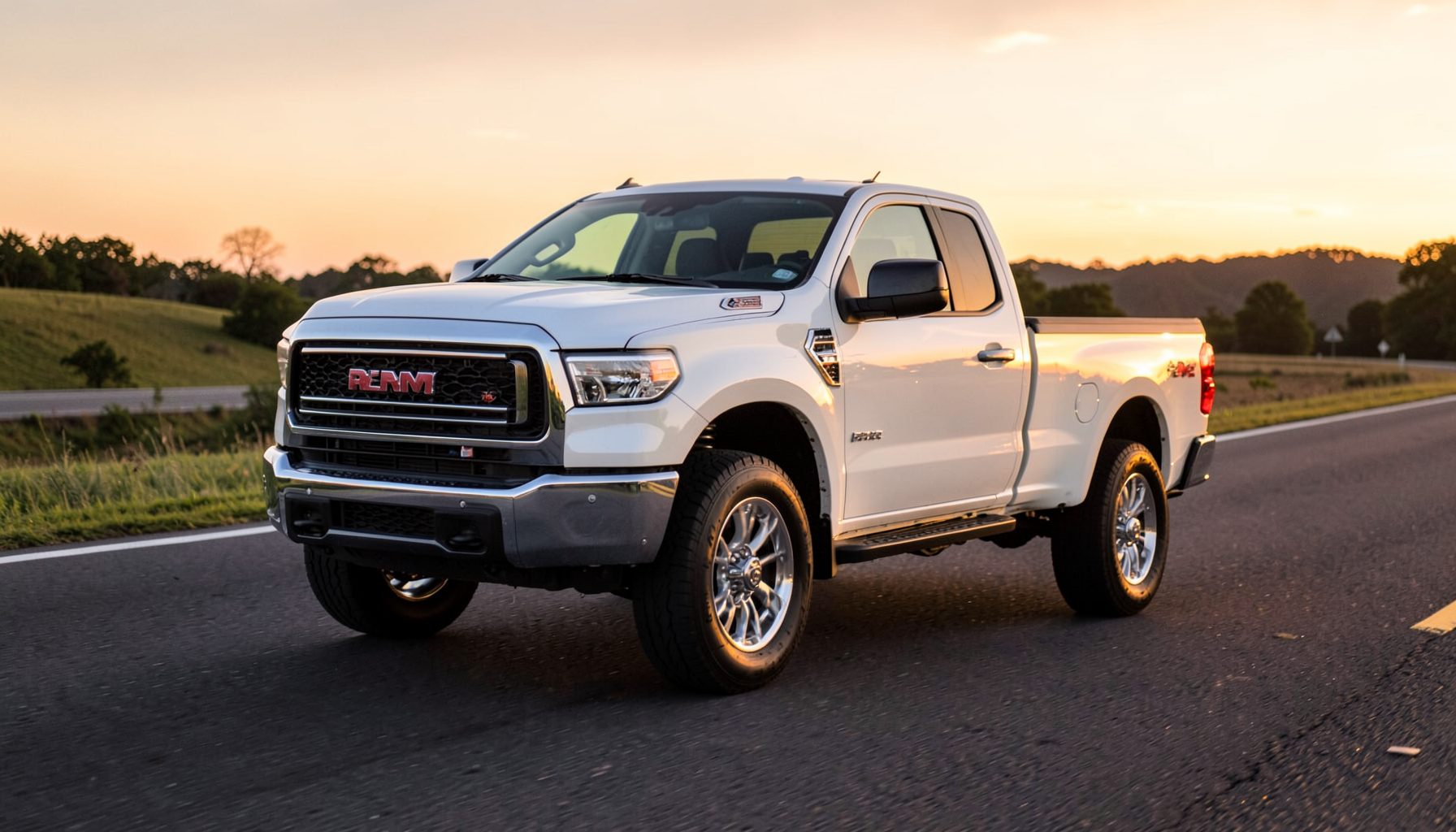
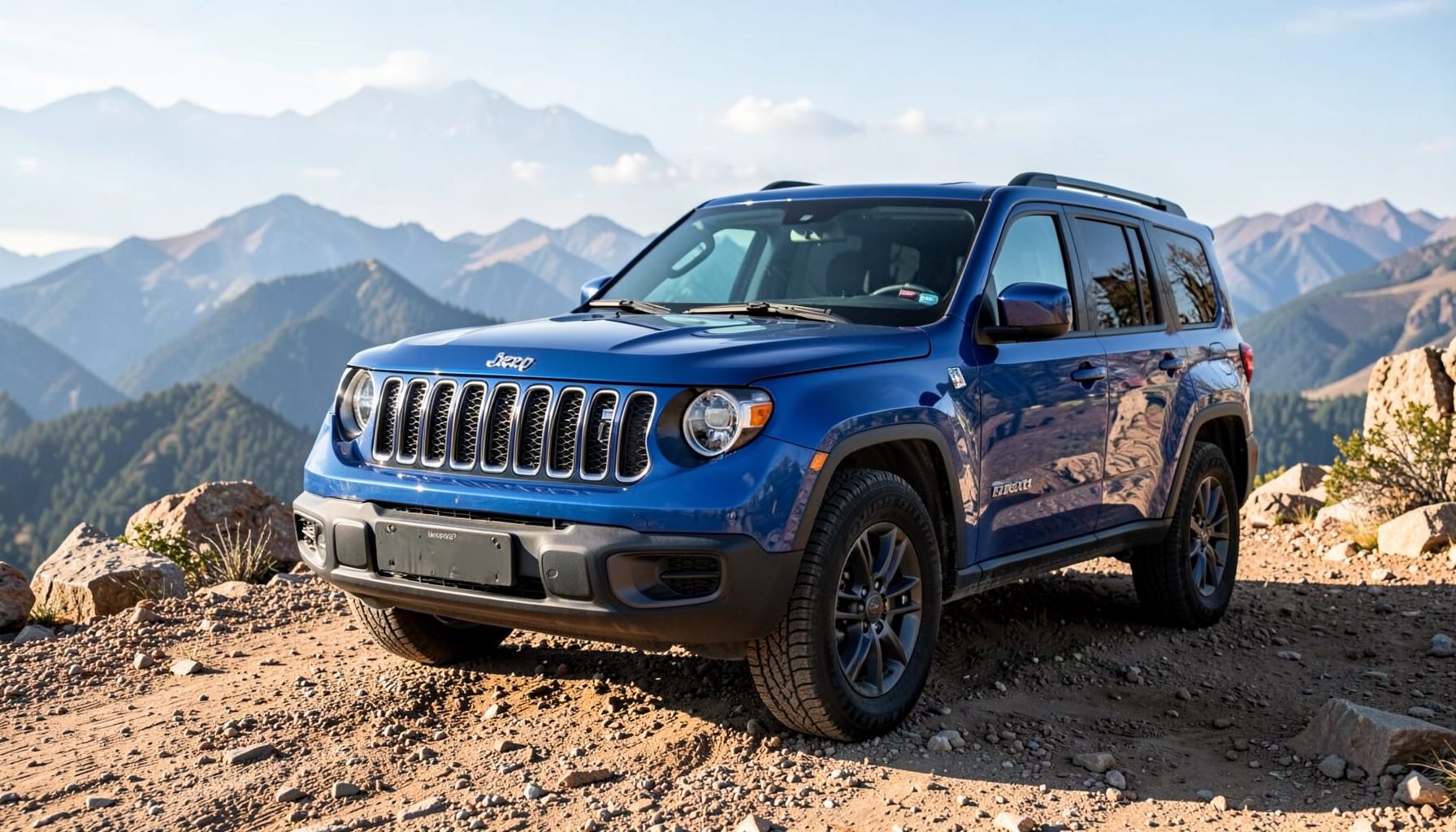
Ownership costs also vary between vehicle classes. A compact Mitsubishi or Hyundai may be economical for urban travel, while a Ram or Jeep may suit towing, rural roads or large families but require a larger fuel and maintenance budget. Consider the work the vehicle must perform rather than paying for capability you will rarely use.
Set A Realistic Purchase Ceiling
A sensible budget should leave room for ordinary life. If every dollar is committed to a car repayment, a modest repair or an increase in insurance premiums can create pressure. Instead of deciding on the maximum amount a lender might approve, choose a payment that remains comfortable after rent or mortgage costs, household bills, savings and other debts.
Many buyers use a deposit to reduce the amount financed. A larger deposit can lower interest charges and monthly repayments, but it should not consume your emergency savings. Keep enough cash available for registration, insurance, accessories, initial servicing and unexpected household expenses. When assessing a used vehicle, reserve an additional amount for immediate maintenance even if the seller describes it as well cared for.
Australian car prices may be advertised as drive-away, plus on-road costs or with separate government charges. Read the pricing carefully so that stamp duty, registration and dealer fees are not overlooked. If you are comparing an American dealership such as Alan Vines Automotive Group in Jackson, Tennessee, remember that its advertised figures and finance products follow United States market practices, so Australian buyers should treat them as vehicle and budgeting references rather than assuming local tax treatment.
Compare Depreciation And Warranty
New vehicles generally lose value most quickly during their early years. That depreciation can be worthwhile when you want the latest safety features, a full factory warranty and the ability to choose the exact colour, trim and equipment. It matters more if you plan to sell or trade the vehicle after only a few years, because the difference between what you paid and what the car is worth may be substantial.
A used vehicle that is several years old may have already absorbed much of its steepest depreciation. Buying at this stage can provide access to a higher trim level or a larger SUV for the same budget as a smaller new car. The trade-off is that warranty coverage may be shorter or finished, and the vehicle’s history becomes especially important.
Look beyond the word “warranty”. Check what is covered, how long it lasts, whether servicing must follow particular conditions and who pays for diagnostic work. A new-car warranty can make budgeting easier, while a dealer-backed guarantee may add reassurance to a used purchase. Understanding these protections helps you decide whether the lower price of an older vehicle genuinely compensates for the added risk.
Match Vehicle Age To Your Driving
Your annual kilometres should influence the balance between age, price and dependability. Someone travelling a short distance through Sydney or Adelaide each day may be comfortable with a well-maintained older hatchback. A driver covering large distances in regional Queensland or Western Australia may place a higher value on warranty protection, roadside assistance and a newer powertrain.
Think about how long you expect to keep the vehicle. If you plan to own it for eight years, buying a lightly used car can provide a reasonable middle ground between depreciation and reliability. If you change vehicles frequently, a new model may deliver a more straightforward ownership experience, though the early depreciation needs to be included in your calculation.
Your lifestyle should guide the body style as well. Australians commonly use the word “ute” for a pickup, and a dual-cab ute can be practical for tools, camping equipment and towing. It can also be expensive to insure and operate compared with a small SUV. A seven-seat vehicle may be useful for school runs and holidays, but a smaller model could be the financially smarter choice if most journeys involve one or two occupants.
Inspect The Used Car Carefully
Condition is often more important than age. Review the service history, odometer readings, registration details, accident records and the number of previous owners. In Australia, a PPSR search can help identify whether a vehicle has finance owing, has been reported stolen or has been written off. That check does not replace a mechanical inspection, but it can reveal serious concerns before money changes hands.
Arrange an independent inspection when possible. A qualified mechanic can examine the engine, transmission, suspension, cooling system, brakes, tyres and signs of poor repairs. Test the air conditioning, windows, cameras, infotainment and safety systems because electrical faults can be costly and easy to miss during a short viewing.
The test drive should include local streets, a faster road and, if appropriate, a hill or rougher surface. Listen for unusual noises, notice whether the car pulls to one side and check that the gearbox changes smoothly. Ask why the vehicle is being sold and compare the answers with the paperwork. A clean presentation is useful, but consistent maintenance records are more valuable.
Make Finance And Trade-In Work
Compare the total repayment rather than focusing only on the weekly or fortnightly figure. A longer loan term can make payments look manageable while increasing the total interest paid and leaving you owing more than the car is worth. Review the interest rate, establishment fees, balloon payment, early repayment conditions and any optional products added to the contract.
A pre-approved loan can give you a clearer spending limit before you visit a dealership. It also provides a useful comparison against dealer finance. Keep the price of the vehicle, the value of your trade-in and the finance arrangement separate during negotiations. Combining all three into one repayment can make it difficult to tell whether you received a fair result.
If you have an existing vehicle, obtain an independent valuation before accepting a trade-in offer. Online valuation tools can provide a starting point, although condition, service history, demand and location affect the final figure. Alan Vines Automotive Group offers online inventory browsing and vehicle valuation resources, along with new and used Dodge, Jeep, Ram, Mitsubishi, Chrysler and Hyundai models, which can help buyers organise their research even when they are comparing different vehicle types.
Use A Test Drive And Return Policy
A test drive should answer practical questions that a specification sheet cannot. Check the driving position, visibility, rear-seat space, boot or tray capacity, child-seat compatibility and ease of loading. If you regularly tow, carry equipment or travel with several passengers, test the vehicle in the way you expect to use it rather than judging it only during a quiet lap around a dealership.
Research the model’s running costs and common problems before making an offer. Read owner feedback carefully, separating recurring mechanical concerns from isolated complaints. For a new model, an overview such as this 2025 Dodge Durango guide can help you understand changes in equipment, design and intended use before comparing it with an older alternative.
Review every document before signing, including the sale price, warranty terms, return conditions and any included accessories. A return policy can be especially valuable when buying a used vehicle because some faults become apparent only after several drives. Alan Vines Automotive Group explains how its three-day guarantee can provide extra peace of mind, although buyers should read the conditions and eligibility requirements carefully.
The best budget decision is the one that remains comfortable after the excitement of purchase has passed. Compare the full ownership cost, protect an emergency reserve, verify the vehicle’s condition and choose equipment that serves your real driving needs. A new car can make sense when warranty coverage and predictable running costs matter most; a used car can be the stronger choice when a lower purchase price and slower depreciation are priorities. What matters most is remembering that affordability includes every cost of keeping the vehicle on the road, not just the number on the price tag.