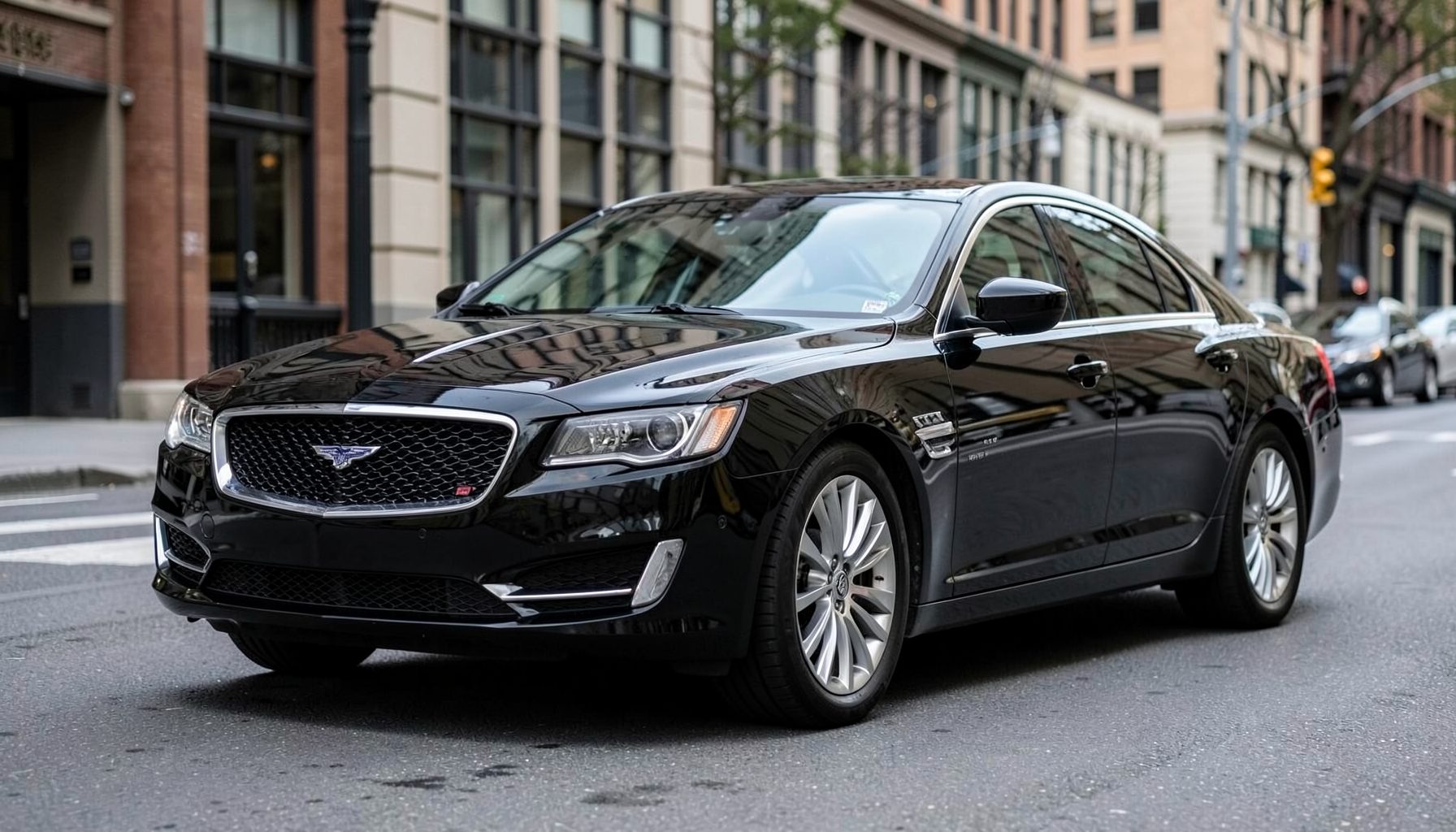
How to negotiate a strong trade-in value for a modified vehicle
Modified vehicles are everywhere on Australian roads. From a lifted Toyota Hilux in the Brisbane hinterland to a tuned Holden Commodore in suburban Melbourne, personalisation is part of the local car culture. So when it comes time to upgrade, owners of modified vehicles face a specific challenge: how do you get a fair trade-in price when a dealer sees your car as something other than factory stock?
The common assumption is that any modification automatically reduces value. That's only half true. Some modifications are genuinely valued by the right buyer, while others genuinely hurt. The difference comes down to documentation, market awareness, and how you handle the conversation at the desk. A dealer doesn't need to be your enemy; they need to be convinced that your modified vehicle is a known quantity, not a liability.
Dealers assess trade-ins through a different lens than private buyers. They factor in reconditioning costs, warranty exposure, and the time it might take to resell the vehicle. A modified car introduces unknowns into that calculation. Your goal during negotiation is to remove as many of those unknowns as possible, replacing suspicion with evidence. That means paperwork, comparable sales data, and a clear story about why your car is worth what you're asking.
This guide focuses on the realities of the Australian market: the vehicles Australians actually modify, the regulations they need to navigate, and the timing rhythms that affect dealer demand across cities like Sydney, Perth, and Adelaide.
Understanding how dealers evaluate modified cars
When a dealer pulls your car into the appraisal bay, they're running a mental checklist of risks. Mechanical risk is obvious. Legal risk matters too, particularly in Australia where the Australian Design Rules govern what can and can't be changed on a road-registered vehicle. A Sydney dealer familiar with the local market will immediately check whether your modifications are engineering-certified where required, and whether the vehicle can still pass an eSafety inspection, often called a Pink Slip.
The third risk is commercial. Modified cars sit on a lot longer than stock equivalents because the buyer pool is smaller. A dealer in Adelaide might price a modified Ford Ranger lower than a stock one simply because they know the average buyer walking through the door wants a factory-fresh dual-cab, not a personalised one. This isn't malice; it's inventory math. Recognising this reality is the foundation of any successful negotiation.
Appraisers also lean heavily on book values from sources like RedBook and Glass's Guide. These tools give a baseline based on year, kilometres, and condition, but they rarely account for modifications. That's both a weakness and an opportunity. A book value provides the floor; your documentation provides the case for going above it. For those curious about the dealer side, employment opportunities at franchise groups reveal how structured the appraisal process tends to be.
Build a paper trail before you negotiate
Documentation is your most powerful tool. Before you visit a dealership, gather every receipt related to the modifications: parts, labour, dyno tuning sessions, and any engineering certifications. In Australia, certain modifications — like suspension lifts above a certain height or engine swaps — require certification by a licensed engineer. If you have that paperwork, your car transforms from a "modified vehicle" into a "compliant modified vehicle," a much more valuable category in a dealer's eyes.
Photographs matter too. Take clear shots of the vehicle when stock, then of each modification as it was installed. If a modification was undone to return the car to standard before trade, document the original parts and the professional restoration. Buyers and dealers both respond well to a visual timeline because it tells them the work was deliberate, not improvised.
Service history is the final piece. A log book stamped by a recognised workshop — preferably the same franchise dealer network where you're trading in — carries more weight than a bundle of receipts from anonymous mechanics. If your local franchise in Brisbane or Geelong has been servicing the car, bring those records along. They signal that the underlying vehicle has been cared for, separate from whatever modifications you've added.
Know which mods hold value in the Australian market
Not all modifications are equal in the eyes of Australian buyers. Bull bars, tow bars, canvas or fibreglass canopies, and dual-battery systems on a ute or 4x4 are valued by families, tradies, and grey nomads heading off on outback trips. A Toyota Land Cruiser or Nissan Patrol with a quality ARB bar and a properly engineered suspension lift often trades closer to the higher end of the book range because the next buyer wants those features and pays a premium for them.
Cosmetic modifications — custom wraps, aftermarket wheels with non-standard offsets, tinted windows beyond legal limits — tend to reduce value. They narrow the buyer pool to enthusiasts only. Performance modifications like ECU tunes, aftermarket exhausts, and supercharger kits sit in a grey zone. Some buyers will pay extra, but most dealers discount them because they introduce warranty concerns and complicate resale.
If you're considering a trade-in soon, it's worth getting an objective sense of how your specific modifications affect valuation. Independent outlets like CarExpert, the Drive marketplace, and the valuations tool at the dealership you're visiting all provide useful reference points. Comparing your car against three similar modified examples on these platforms gives you concrete evidence to bring into the negotiation, rather than relying on memory or hope.
Timing and market conditions matter
When you trade in matters as much as how. In Australia, the end of financial year on 30 June is a peak period for dealer activity, as franchises chase volume targets and write aggressive deals. Trading in during May or June can mean a more motivated buyer on the other side of the desk. Conversely, trading in just after a new model launch — for example, when a freshly revealed Ford Ranger or Mitsubishi Triton hits showrooms — depresses the value of the outgoing model.
Regional seasonality also plays a role. Four-wheel-drive conversions and lifted 4x4s trade well ahead of dry-season outback trips, which in southern states kicks off around March. Convertibles and sports cars see stronger interest as spring arrives in September. Fuel price spikes soften demand for large V8 utes and SUVs, while small turbocharged vehicles become more attractive. Watching these cycles gives you an advantage that financial negotiation alone cannot match.
Negotiation tactics that actually work
The most effective tactic is separating the trade-in from the new car purchase. Many dealers prefer to roll the two together so they can obscure what they're really paying for your old car. Insist on a stand-alone trade-in figure first, written down, before any discussion of the new vehicle. Once you have that number, you can compare it against your independent research and either accept it or walk.
Lead with your documentation. Hand over the receipts, the engineer certificates, the service log, and the comparable sales printouts before the dealer starts making generalisations about modified cars being hard to move. Each piece of paper is a small argument that your specific car is a known quantity. Let the paperwork do the talking while you stay calm and unhurried.
Don't be afraid to mention other quotes. If CarExpert valued your car at thirty-two thousand dollars and the dealer is offering twenty-four, you have legitimate grounds to push back. Dealers respect prepared buyers. The moment you mention you've done your homework, the conversation shifts from haggling over price to closing fairly.
When mods work against you
Some modifications genuinely damage trade-in value, and no amount of paperwork changes that. Illegal modifications — non-compliant lighting, engine swaps without engineer approval, ride-height changes outside Australian Design Rule limits — will see a dealer reduce their offer sharply or refuse the trade entirely. The risk of being unable to register the vehicle in another state is too high.
Poor workmanship also hurts. Visible shortcuts, mismatched panels after a body kit installation, or aftermarket parts from unknown brands signal to a dealer that other corners may have been cut. This is where your documentation helps again: receipts from reputable installers with verifiable addresses reassure the dealer that the work was done properly.
If your modifications fall into these categories, consider partial restoration before trade-in. Returning suspension to standard height, removing a non-compliant exhaust, and replacing aftermarket wheels with the originals can recover thousands of dollars in trade value. The cost of restoration is almost always less than the discount a dealer will apply for an unverified modification.
Finalising the deal and what comes next
Once you've agreed on a trade-in figure, get it in writing on the deal sheet before signing anything. Confirm whether the figure is inclusive or exclusive of GST, since trade-ins are typically treated as a part-payment. Clarify any conditions the dealer has placed — for example, that the car must pass their internal inspection — and make sure those conditions are written in, not just spoken.
If you're handing the car over, prepare it as if you were selling privately: clean inside and out, remove personal items, and replace any missing items that came with the vehicle such as floor mats, the owner's manual, and the spare key. Small details make the handover smoother and remove any last-minute reasons for the dealer to renegotiate. The same attention to detail applies whether you're handling a Pink Slip locally or preparing for emissions inspection elsewhere; the principle of presenting the vehicle well holds.
Practical steps before you approach a dealer
- Compile all modification receipts, engineering certificates, and service records in a single folder
- Obtain valuations from at least three independent sources, including online platforms and competing dealerships
- Remove purely cosmetic personal items such as stickers and novelty plates, but leave performance modifications in place unless they are illegal
- Schedule your trade-in visit for late May or June if possible, to align with end-of-financial-year demand
- Research current advertised prices for your exact make and model in your city, noting any modified examples nearby
Your next concrete step is to book a fifteen-minute phone call with a trade-in specialist at a dealership in your area. During that call, describe your vehicle and its modifications honestly, and ask for a preliminary range. That single conversation will tell you whether the dealer you're planning to visit is realistic, and give you a benchmark before you ever hand over the keys.