Keeping Vehicle Add-Ons And Warranties In Check
Buying a vehicle involves more than agreeing on the advertised price. Once finance, insurance, accessories, protection packages and extended warranties enter the discussion, the final drive-away figure can change quickly. A clear negotiation strategy helps you decide which products provide genuine value and which simply increase the repayment.
This is especially important when comparing vehicles across different markets. Australian buyers are familiar with drive-away pricing, GST, registration and stamp duty, while a dealership in Tennessee may present taxes, documentation fees and optional products separately. The names differ, but the essential question remains the same: what are you paying for, and is it worth the cost?
Alan Vines Automotive Group gives shoppers access to Dodge, Jeep, Ram, Mitsubishi, Chrysler and Hyundai vehicles, along with used cars, trucks, SUVs and vans. The same careful approach applies whether you are reviewing an online listing, valuing a trade-in or discussing finance in person: separate the vehicle price from every optional item before signing.
Start With The Complete Vehicle Price
Ask for an itemised buyer’s order before discussing monthly repayments. It should show the agreed vehicle price, compulsory taxes, registration-related charges where applicable, dealer documentation fees, finance costs and every optional product. An attractive weekly or monthly figure can conceal a long loan term, a large balloon payment or a collection of extras bundled into the amount financed.
For an Australian buyer, the equivalent comparison is the drive-away figure. Confirm whether the advertised amount includes GST, registration, compulsory third-party insurance and stamp duty, as treatment can vary between states and territories. A vehicle purchased in Sydney may attract different registration and transfer costs from one bought in Melbourne or Brisbane. These charges are separate from optional dealer products and should not be presented as though they are unavoidable extras.
If you are buying in the United States, ask which fees are required by the state or dealer and which can be declined. A genuine government charge cannot usually be negotiated in the same way as a paint protection package, nitrogen tyre fill or interior treatment. Mark each line as compulsory, negotiable or optional, then calculate the total amount before considering the repayment.
Separate Useful Protection From Convenience Products
Dealers may offer fabric or leather protection, paint sealant, window tinting, theft marking, roadside assistance, key replacement cover and prepaid servicing. Some can be useful, particularly for a vehicle used on country roads or exposed to harsh coastal conditions, but their value depends on the price, coverage and alternatives available. A product is not automatically worthwhile because it is described as premium, comprehensive or dealer-backed.
Request a plain explanation of what the product covers, who provides it, how long it lasts and what exclusions apply. Ask whether the benefit transfers to a future owner, whether a claim involves an excess and whether the protection is cancelled if the vehicle is sold early. For accessories, compare the installed price with an independent supplier, while checking that fitting them elsewhere will not affect the manufacturer’s warranty.
Australian buyers should be particularly careful with products described as mandatory when they are not. Consumer guarantees under Australian Consumer Law cannot simply be removed by selling a separate warranty or protection package. A dealer may still offer an optional service contract, but it should be explained as an additional product rather than a replacement for your existing legal rights.
Evaluate An Extended Warranty On Its Terms
An extended warranty, vehicle service contract or mechanical protection plan can help manage repair risk after the factory warranty expires. It may be valuable for a complex SUV, a high-kilometre used vehicle or a model likely to face expensive electronic, driveline or air-conditioning repairs. It is less attractive when the coverage is narrow, the term overlaps heavily with the manufacturer’s warranty or the price approaches the likely repair risk.
Read the schedule rather than relying on a verbal summary. Look for covered components, claim limits, labour-rate restrictions, diagnostic fees, towing rules, waiting periods and requirements for service records. Some plans cover only listed parts, meaning anything not named is excluded. Others advertise broad coverage but exclude seals, gaskets, wear items, batteries, infotainment equipment or damage caused by modifications.
Clarify whether repairs must be approved before work begins and whether you can use an independent repairer. In Australia, servicing outside the dealer network does not automatically cancel a manufacturer warranty, provided the work is completed properly and the required maintenance is followed. Keep invoices and service records. If a plan requires genuine parts or approved workshops, understand that restriction before paying for it.
Use The Vehicle And Your Driving Pattern As A Guide
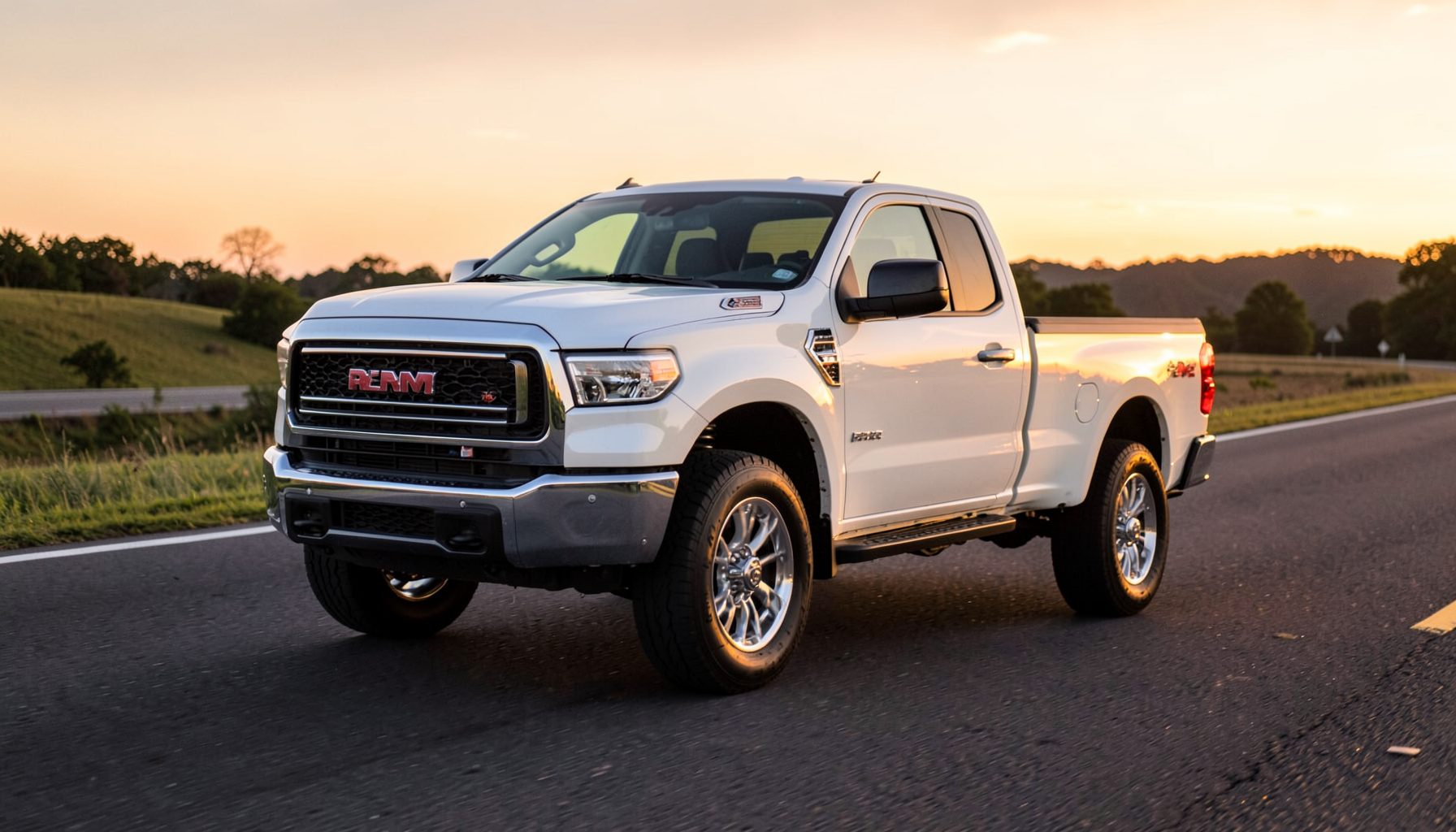
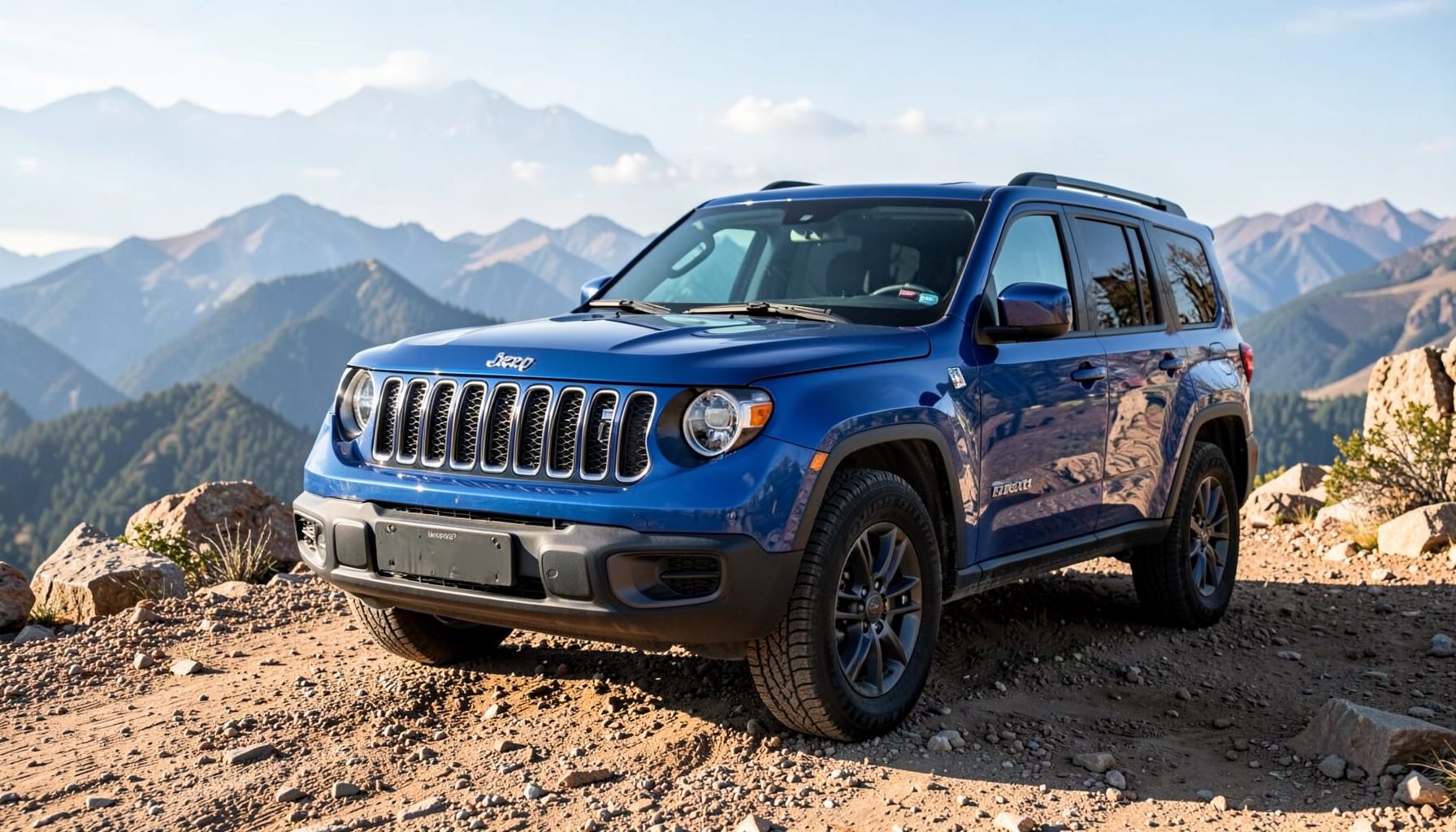
The right decision depends on how you use the vehicle. A Ram or Jeep that regularly tows, carries heavy loads or travels long distances through regional New South Wales may face different demands from a small hatchback used for short urban trips in Adelaide. Frequent towing, high annual kilometres, remote travel and an intention to keep the vehicle for many years can make mechanical protection more relevant.
Start by estimating the cost without the warranty. Review the manufacturer’s maintenance schedule, likely service prices and common repair risks for that specific engine, transmission and trim level. Compare the warranty premium with its coverage limits and deductible. If the plan costs $4,000 but caps claims at $3,000, excludes several expensive systems and requires a $500 excess each time, its practical value is limited.
Research the exact vehicle rather than relying on the reputation of the badge. A used vehicle with a complete service history may represent less risk than a newer model with poor maintenance records. Conversely, a sophisticated plug-in, turbocharged or heavily equipped vehicle may justify stronger protection if you plan to keep it beyond the original coverage period. Vehicle condition, age and ownership plans matter more than a salesperson’s general statement that “everyone takes the warranty.”
Negotiate Finance And Extras Separately
Dealers can discuss the car price, trade-in value, deposit, interest rate and optional products in a single conversation, but you do not have to negotiate them as one package. Agree on the vehicle price first, then settle the value of your trade-in, and only then compare finance offers. This makes it easier to see whether a discount on the car is being offset by a costly warranty or accessory bundle.
The interest rate also affects the real cost of add-ons. When an extended warranty is financed over five or seven years, you pay interest on the product long after its useful coverage may have ended. Ask for the cash price, the amount added to the loan and the total repayment impact. A lower monthly payment may simply reflect a longer term, not a better deal.
If credit history is a concern, review the finance structure carefully rather than accepting every optional product as a condition of approval. Alan Vines’ bad-credit finance guide explains preparation steps that can help applicants approach lending more clearly. Compare the annual percentage rate, establishment fees, balloon payment and early payout conditions, and avoid allowing a dealer to focus only on the repayment amount.
Take Time Before Signing The Contract
A pressure-filled finance office is not the ideal place to make a decision about a five-year loan. Ask for copies of the warranty booklet, insurance wording, accessory invoice and finance contract so you can check them carefully. Confirm the cancellation period, refund calculation and whether cancellation reduces the loan balance or is paid directly to you.
Do not assume that a cooling-off period applies to every vehicle purchase or every optional product. Australian rules differ by state, and private vehicle sales may have different protections from dealer purchases. In the United States, cancellation rights can depend on the contract and the specific product. A dealership promise that “you can always cancel later” is not a substitute for written terms.
A short inspection and research period can also prevent an emotional purchase. Review independent vehicle pricing, check the service history and consider a pre-purchase inspection for a used vehicle. If comparing a newer SUV, features should be assessed against actual needs; for example, these Grand Cherokee features may help determine whether a particular trim is worth its higher price before optional extras are added.
When a dealer offers a money-back guarantee, read the eligibility rules instead of treating it as an unrestricted return policy. Alan Vines Automotive Group’s 3 Day Money Back Guarantee may have conditions concerning mileage, vehicle condition, financing, trade-ins or the type of purchase. Understanding those details gives you a useful safety net without assuming it replaces careful negotiation.
A strong deal is one where the vehicle price, finance cost and optional protection are understandable on their own. Write down the maximum total you are prepared to spend, decline products that cannot be explained clearly, and compare the full cost rather than the weekly repayment. Before signing, verify every line against your notes and leave with copies of the documents, warranty terms and payment schedule.