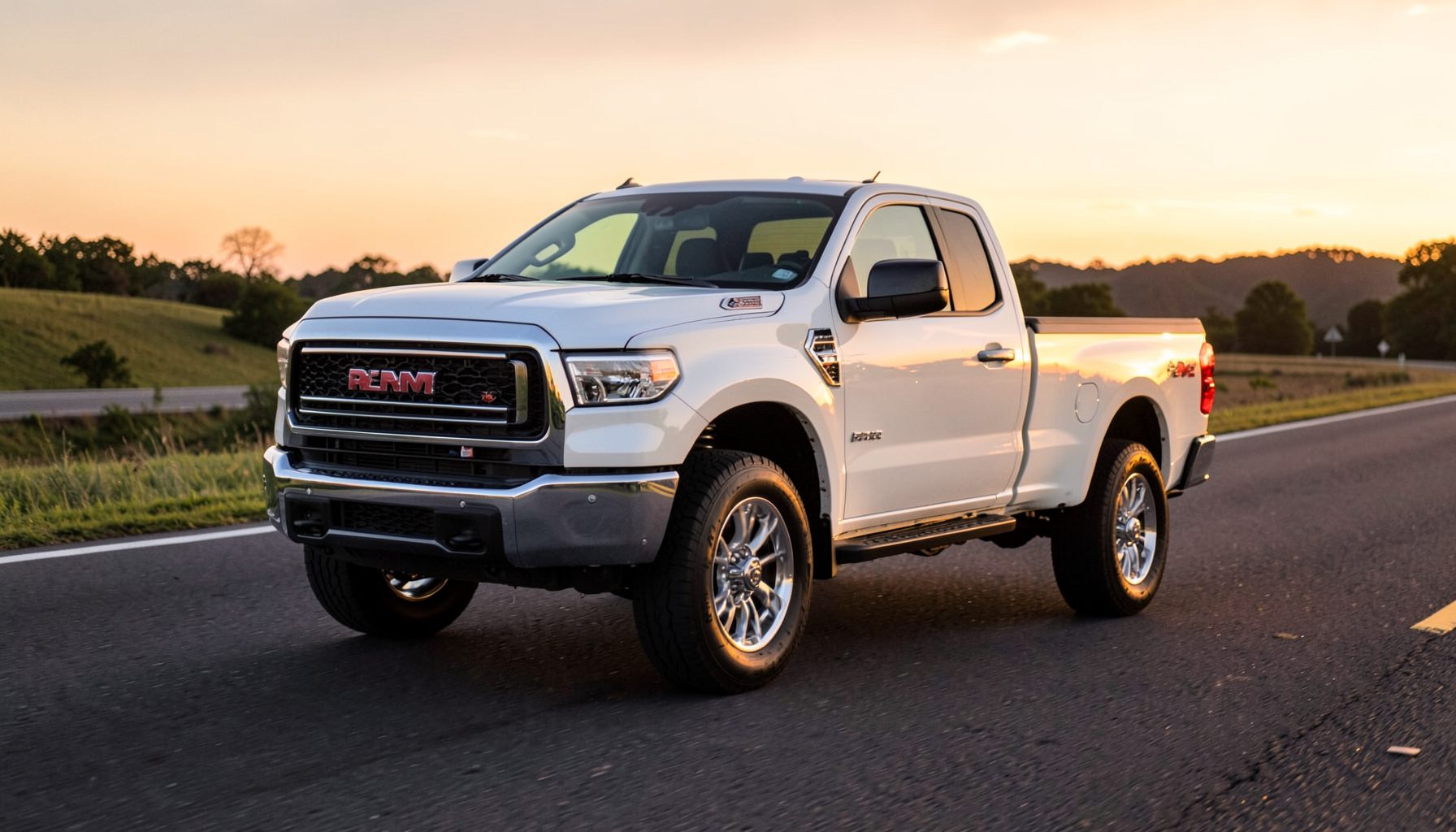
How to Safely Haul a Trailer with a Ram 1500
A Ram 1500 can be a capable tow vehicle for caravans, box trailers, boats, horse floats, and work trailers, but safe towing depends on the complete combination rather than the badge on the grille. Engine output and four-wheel-drive traction are useful, yet the truck’s rated mass, axle limits, hitch equipment, trailer brakes, and payload determine what it can legally and comfortably carry.
Australian owners also need to account for differences between American-market trucks and local towing practice. A Ram 1500 imported or converted for right-hand drive may have different equipment from a locally delivered vehicle, while Australian roads use left-hand traffic, metric speed limits, and state-based trailer regulations. A setup that appears suitable in a dealership yard may need additional compliance work before it is ready for a long trip.
Before buying or towing, check the truck’s compliance plate, owner’s manual, towbar rating, and actual trailer mass. If you are comparing vehicles, the Alan Vines Automotive dealership site provides a useful starting point for reviewing Ram inventory, finance information, and vehicle details before arranging a closer inspection.
Check The Ram 1500’s Towing Limits
Start with the manufacturer’s maximum braked towing rating, but do not treat that figure as the target load for every journey. Towing capacity varies with the engine, gearbox, cab configuration, drive system, axle ratio, wheel size, and factory tow package. The figure also assumes that the truck is correctly equipped and operated within its gross combined mass rating.
Payload is frequently overlooked. Passengers, tools, a canopy, recovery equipment, luggage, fuel, and the trailer’s tow-ball download all count against the Ram 1500’s available payload. A large caravan may remain below the advertised tow rating while pushing the truck over its gross vehicle mass or rear axle rating. Weigh the loaded vehicle and trailer at a certified public weighbridge in kilograms before travelling.
Tow-ball download commonly needs to sit around 8 to 10 percent of a conventional trailer’s loaded mass, although the vehicle, trailer manufacturer, and local regulations determine the proper figure. Too little download can encourage sway, while too much can overload the rear suspension, tyres, towbar, or axle. Use the lower limit when several ratings conflict.
Verify Australian Compliance And Equipment
A US-specification Ram may use a 2-inch receiver, a 7-way round electrical connector, and a different tow-ball arrangement from common Australian trailers. Australian trailers often use a 50 mm tow ball and a 7-pin flat plug, so an adapter may be needed. Adapters must preserve every lighting and braking function rather than simply making the connector fit.
Electric trailer brakes are important for heavier loads, and a compliant electric brake controller should be installed where required. Some trailers also need a breakaway system that applies the trailer brakes if the trailer separates. Requirements differ between states and territories, so check the rules applying to the registration location and the roads you will use. A vehicle engineer or recognised inspection authority can clarify requirements for an imported or converted truck.
Check that the Ram’s compliance plate, identification numbers, towbar markings, mirrors, lighting, and safety chains meet local standards. In New South Wales, Victoria, Queensland, and Western Australia, inspection and modification expectations can differ. A compliant towbar fitted by a qualified installer is preferable to a generic unit selected only for its advertised towing figure.
Prepare The Truck And Trailer
Inspect the tyres on both units before every substantial trip. Confirm the correct cold pressures from the Ram’s placard and the trailer maker’s instructions, then increase pressure only as specified for the load. Look for uneven wear, sidewall damage, cracking, and wheel-nut movement. Trailer tyres can age while covering very few kilometres, so check their manufacture date as well as their tread.
The towbar, hitch pin, safety-chain attachment points, and coupling need a close inspection. The coupling must lock fully onto the ball, with its latch secured by the correct retaining pin. Cross the safety chains beneath the coupling so they can support the drawbar if it drops, keeping enough slack for turns without allowing the chains to drag.
Set the electric brake controller after connecting the trailer. On a quiet, level road, apply the manual control at low speed and confirm that the trailer brakes engage smoothly without locking. Adjust the gain so the trailer contributes firm, progressive braking without pushing the Ram or jerking the combination. Recheck the setting after loading changes or on long descents.
Load For Stability And Control
Place heavy items low and close to the trailer’s axle group, then secure them so they cannot move during braking. Distribute left and right weight evenly, as a lopsided load can create uneven tyre temperatures and unstable handling. Keep bulky items inside the trailer where possible instead of adding unnecessary weight high on a roof rack or rear carrier.
Caravans and enclosed trailers are especially sensitive to aerodynamic forces. A tall caravan can catch crosswinds on exposed roads near Adelaide or along the New South Wales coast, while a box trailer can become difficult to control when a truck passes in the opposite direction. A properly rated weight-distribution hitch may help some combinations, but it does not increase the Ram’s legal mass limits and should be fitted according to the vehicle and trailer manufacturers’ instructions.
After loading, measure the tow-ball download rather than estimating it by eye. Check the front and rear ride height of the Ram, confirm that the headlights have not been aimed too high, and inspect ground clearance around the chains and electrical cable. A suspension helper or airbag kit can improve level ride height in some applications, but it cannot legally compensate for excess payload.
Drive For The Conditions
Allow much more distance for braking and avoid abrupt steering inputs. The trailer will extend the combination’s stopping distance, and wet bitumen can make the situation worse. In Melbourne or Sydney traffic, leave room for lane changes and avoid squeezing into short gaps. Signal early, use extended towing mirrors, and remember that the trailer may track inside the Ram’s path when turning.
Reduce speed before bends, roundabouts, downhill sections, and rough surfaces. On a steep descent through the Blue Mountains or the Great Dividing Range, select a lower transmission range before speed builds and use the trailer brakes smoothly. Continuous hard braking can overheat the truck and trailer braking systems, so pause safely when temperatures or brake smell indicate a problem.
If sway begins, stay calm and keep the steering as straight as possible. Ease off the accelerator without making a sharp steering correction, and apply the trailer brake controller manually if it is safe and appropriate. Do not accelerate in an attempt to overpower severe sway. Stop in a safe location and inspect the load, tyre pressures, coupling, and weight distribution before continuing.
Allow For Heat, Distance And Terrain
Australian conditions can expose weaknesses that remain unnoticed on a short suburban test drive. High temperatures in western New South Wales, Queensland, or the Northern Territory increase demands on the engine cooling system, automatic transmission, tyres, and trailer bearings. Long distances between towns also make a pre-trip inspection more valuable than relying on roadside assistance.
Carry suitable wheel chocks, a correctly rated jack, spare wheel arrangements for both truck and trailer, a torque wrench, basic tools, and emergency lighting. Check coolant, engine oil, transmission fluid, washer fluid, and battery condition before departure. If the Ram has an aftermarket transmission cooler or electric brake controller, inspect its wiring and mounting points for heat or vibration damage.
Corrugated roads require lower speeds and regular checks of fasteners, suspension components, and cargo straps. Avoid travelling onto remote tracks with a trailer unless the trailer is designed for that terrain. Sand, mud, and steep off-road surfaces can consume the traction and cooling margin that seemed generous on sealed roads, even when the Ram has four-wheel drive.
Maintain The Whole Towing Combination
Service the Ram according to the severe-use or towing schedule rather than the light-duty schedule used for ordinary commuting. Pay particular attention to transmission servicing, cooling-system condition, differential oil, brake wear, steering components, and suspension bushes. Genuine or correctly specified replacement parts help preserve the clearances and load ratings intended by the manufacturer.
The trailer needs its own maintenance plan. Grease or inspect wheel bearings at the interval recommended by the trailer maker, test all lamps, examine the coupling, and inspect the chassis for cracks or corrosion. Check the brake magnets, drums, cables, and breakaway battery where fitted. A trailer that sits unused for months can still develop tyre, battery, and bearing problems.
A qualified service department can inspect the tow vehicle and trailer interface, particularly after a suspension modification, towbar replacement, or electrical fault. Keep records of weights, tyre pressures, controller settings, and repairs. These details make it easier to identify changes in handling before they become a roadside failure.
Practical Checks Before Every Trip
A short inspection prevents many towing problems. Build it into your departure routine, then repeat it after the first 50 to 100 kilometres when a new trailer or freshly loaded caravan may settle.
- Confirm the loaded truck and trailer remain below every relevant mass, axle, towbar, and tyre rating.
- Test the coupling latch, safety chains, breakaway cable, trailer plug, lights, and electric brakes.
- Check tyre pressures, tread, sidewalls, wheel nuts, and the condition of the spare wheels.
- Secure internal and external cargo, measure tow-ball download, and verify that the truck sits level.
- Reduce speed for heat, wind, rain, corrugations, steep grades, and congested city traffic.
A Ram 1500 is safest when its towing equipment is treated as a complete engineered system. Match the trailer to the truck’s real payload, verify Australian compliance, load for stability, and allow extra time for braking and inspection. The practical takeaway is simple: weigh the loaded combination, test every connection, and drive within the lowest applicable rating.