How to spot a good deal on a pre-owned Ram ProMaster
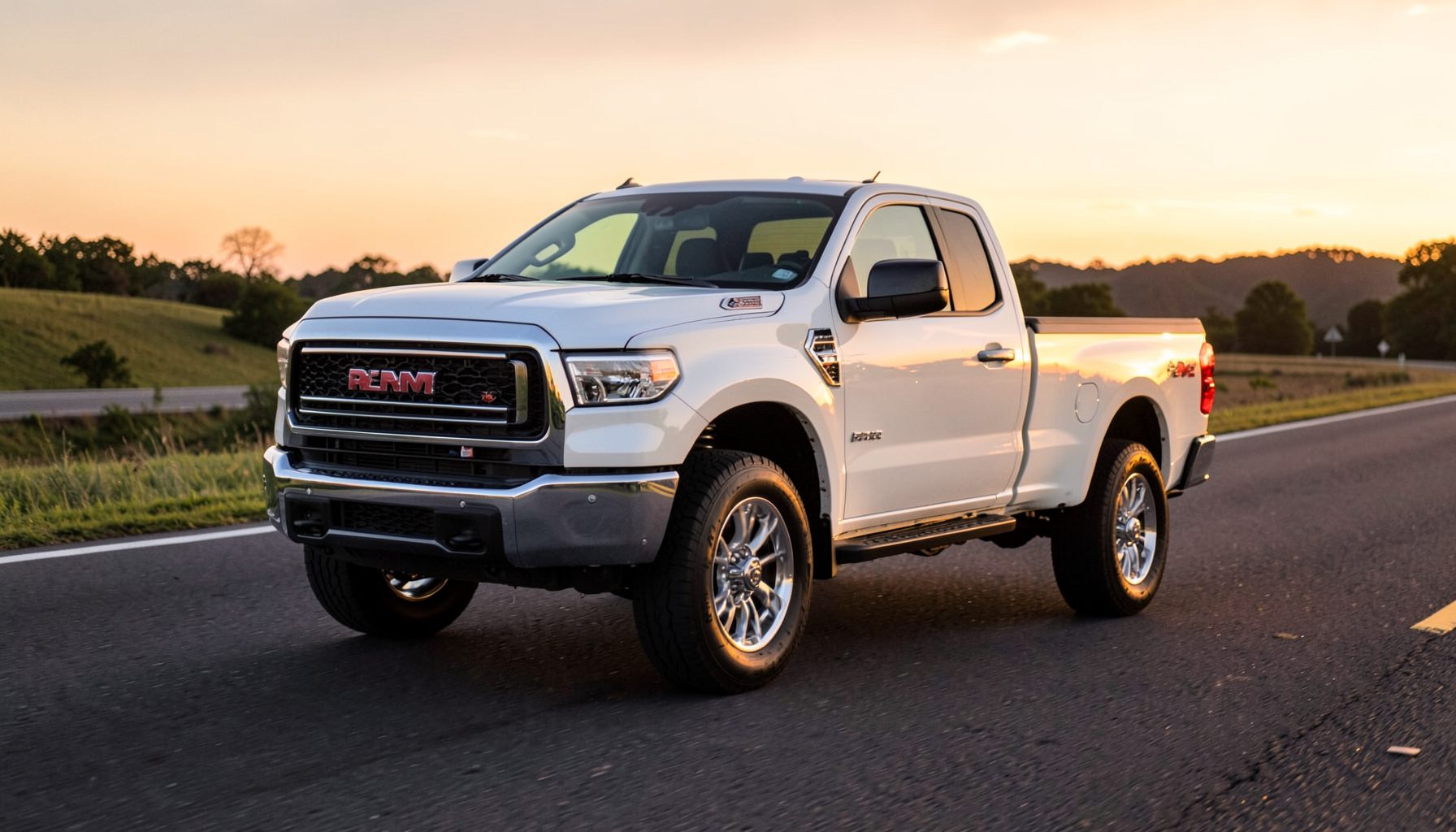
A pre-owned Ram ProMaster can look like a bargain because large vans often lose value quickly, particularly when they have high kilometres, basic interiors, or a history as delivery vehicles. The attractive price may reflect genuine wear, expensive repairs, import complications, or a specification that does not suit Australian roads. A careful buyer needs to assess the complete cost rather than relying on the figure printed in an online advert.
The ProMaster is also an unusual choice for an Australian buyer. It is closely related to the Fiat Ducato platform, but North American examples are generally left-hand drive and may require import approval, engineering work, or compliance checks before they can be legally registered. Whether you are considering a camper conversion, a trades van, or a courier vehicle, the best deal is the one that remains sound after its history, mechanical condition, and Australian ownership costs have been verified.
Understand the ProMaster’s real market value
Start by comparing similar Ram ProMaster vans by model year, wheelbase, roof height, engine, mileage, and equipment. A high-roof cargo van with shelving, a bulkhead, and a documented fleet history should not be compared directly with a basic low-roof example. Service records, tyre condition, accident history, and conversion quality can move the price substantially.
Look at several dealer listings rather than trusting a single advertised price. The dealership’s new inventory can help establish current pricing for related Ram products and show how equipment affects the value of a newer vehicle. For a used ProMaster, compare the asking price with the likely repair budget and with the cost of an equivalent Fiat Ducato, Mercedes-Benz Sprinter, Ford Transit, or Iveco Daily available in Australia.
Be cautious when a van is dramatically cheaper than comparable examples. It could have salvage branding, flood damage, a missing service history, a failed transmission, or an ownership history that makes export difficult. A fair discount is usually linked to a visible, measurable issue. A vague claim that the vehicle is “priced to move” is not a substitute for evidence.
Check the van’s identity and history
Ask for the vehicle identification number, title documents, registration details, import records, and any auction photographs before paying a deposit. A VIN history check can reveal odometer readings, insurance claims, theft records, title branding, and previous commercial use. Delivery vans can accumulate heavy stop-start wear even when the odometer appears moderate.
In the United States, confirm whether the title is clean, rebuilt, salvage, or branded for flood or hail damage. A repaired van may look tidy in photographs while retaining alignment, wiring, airbag, or corrosion problems. Check that the VIN on the dashboard matches the door label and paperwork, and verify that the engine, transmission, and body configuration correspond with the advertised specification.
Australian buyers should also consider a PPSR search once the vehicle enters the local system or has an Australian registration record. A PPSR check can identify finance interests and written-off status, although it does not replace an American title search or a physical inspection. If the vehicle is being imported, retain every document connected with purchase, shipping, customs, approval, and modifications.
Inspect the body, cabin, and load area
Examine the ProMaster in daylight, ideally when it is clean but not freshly polished. Mismatched paint, uneven panel gaps, overspray on rubber seals, and ripples in the roof can indicate accident repairs. Inspect the sliding door tracks, rear hinges, bonnet alignment, windscreen surround, and underside of the body. Water entry around doors and roof fittings can create costly electrical and mould problems.
Inside the cargo area, look for dents, torn flooring, overloaded suspension signs, and poorly mounted shelving. A former courier van may have experienced much harder use than a privately owned camper. Check the load floor for standing-water marks and inspect the roof lining for stains. Any conversion should have secure cabinetry, correctly protected wiring, adequate ventilation, and professionally installed gas or electrical systems.
The driver’s seat, steering wheel, pedals, and door handles can help verify whether the wear matches the stated kilometres. Test every switch, warning light, camera, parking sensor, air conditioner, heater, and power window. Warning lights that disappear after the engine starts are normal only if the correct self-check occurs; persistent ABS, airbag, engine, or transmission warnings require diagnosis before negotiation.
Assess the drivetrain and service record
Most ProMaster examples use a petrol V6 and automatic transmission, although specifications vary by year and market. During a cold start, listen for rattles, uneven idle, or excessive smoke. The engine should start promptly and settle into a stable idle. Inspect for oil or coolant leaks, damaged hoses, brittle wiring, and evidence of overheating. A professional inspection is especially important if the seller presents the van warm.
On the road, test acceleration, braking, steering, gear changes, and low-speed manoeuvring. Transmission hesitation, harsh engagement, shuddering, or a flare in engine speed between gears can point to expensive faults. The van should track straight without pulling, vibration, or clunks over uneven surfaces. Check the tyres for uneven wear, as this can indicate alignment, suspension, or accident damage.
A thick folder of invoices is more valuable than a stamped booklet with no detail. Look for scheduled oil changes, transmission servicing, cooling-system work, brake replacement, suspension repairs, and recalls. It is useful to understand what a proper service may cover; this explanation of tune-up work provides helpful background on filters, spark plugs, and related maintenance, although a modern van still needs model-specific servicing.
Calculate the Australian landed cost
The purchase price is only one part of the calculation for an Australian buyer. Add transport from the seller to the port, international freight, marine insurance, customs and quarantine charges, GST, import duty where applicable, port fees, compliance work, inspection costs, registration, stamp duty, and compulsory insurance. State and territory rules differ, so a vehicle that is straightforward to register in one location may require additional steps elsewhere.
A left-hand-drive ProMaster can create a major practical and legal issue. Australia drives on the left, and some jurisdictions restrict the registration or use of left-hand-drive vehicles depending on age, category, and modification status. A right-hand-drive conversion may involve steering, braking, airbags, pedals, wiring, mirrors, and certification. Obtain written advice from an approved compliance engineer before buying rather than assuming a conversion will be simple.
Convert miles to kilometres and US gallons to litres when comparing fuel economy and service intervals. Parts may be available through Fiat Ducato, Ram, or specialist import channels, but compatibility should be confirmed by VIN. The vehicle may use US-market lighting, emissions equipment, tyres, or safety components that are unfamiliar to local workshops. A cheap van becomes poor value if every repair requires special-order parts from overseas.
Compare seller protections and paperwork
A reputable dealer should be willing to explain the vehicle’s title, condition, reconditioning work, fees, and delivery arrangements in plain language. Read the purchase contract carefully for clauses covering export, returns, deposits, warranty limits, and transport damage. Verify whether the advertised price includes dealer fees, documentation charges, accessories, or mandatory add-ons.
Be wary of pressure tactics, countdown offers, and payment requests to unfamiliar accounts. A polished website does not prove that a vehicle or seller is legitimate. The site’s wider content may include unrelated entertainment material, such as a page discussing a casino bonus offer; treat the vehicle transaction separately and verify the dealership, contract, VIN, and payment details through reliable contact information.
For a US purchase, ask whether the dealer can provide an independent inspection, title copy, service documents, and clear export paperwork before funds are released. A money-back policy can be valuable, but check its exact conditions, time limit, mileage allowance, transport responsibility, and exclusions. Do not assume that a return promise will cover the cost of shipping a large vehicle back across the Pacific.
Build a practical buying shortlist
Before making an offer, write down the vehicle’s strengths, confirmed defects, unknowns, and likely first-year expenses. Separate essential repairs from cosmetic work. New tyres, brakes, fluids, belts, batteries, and a professional inspection may quickly consume a discount, while a minor scratch may have little effect on the van’s usefulness.
Use the following checks to keep the comparison objective:
- Confirm the VIN, title status, odometer history, and import eligibility.
- Obtain an independent mechanical inspection and a written repair estimate.
- Compare the fully landed cost with locally available Ducato, Transit, Sprinter, and Daily vans.
- Verify left-hand-drive registration rules and any engineering or compliance requirements.
- Keep a reserve for specialist parts, shipping delays, and unexpected commercial-vehicle repairs.
Once those checks are complete, negotiate from documented facts. A seller may reduce the price for worn tyres, incomplete servicing, or cosmetic damage, but serious title or compliance concerns should generally stop the purchase rather than become bargaining points. A deposit should be paid only when the contract identifies the vehicle, total price, refund terms, and responsibilities of both parties.
What a sound purchase looks like
A good ProMaster deal has a traceable history, consistent mileage, healthy mechanical behaviour, and paperwork that supports legal ownership and registration. It also leaves enough financial room for inspection, servicing, insurance, compliance, and the occasional inconvenience that comes with owning an uncommon imported van. The best example may cost more initially but require far less remedial work.
For an Australian buyer, the decisive test is whether the van remains good value after conversion or registration requirements, freight, taxes, parts supply, and local servicing are included. Remember that a low advertised price is only the starting point; a genuinely good deal is a safe, supportable, road-legal vehicle whose total cost matches its condition and intended use.