Compare two vehicle models with confidence on our website
Choosing between two vehicles can be harder than finding a long list of possible cars. A ute may look ideal for weekend jobs, while an SUV could make school runs and city parking easier. Comparing the models side by side helps you focus on the details that matter rather than relying on styling, badge reputation, or a quick glance at the price.
Alan Vines Automotive Group supports shoppers across Dodge, Jeep, Ram, Mitsubishi, Chrysler, and Hyundai, with new and used cars, trucks, SUVs, and vans available to browse online. The compare tool is designed to make that research clearer, whether you are in Jackson, Tennessee, planning a visit, or comparing American-market vehicles from Australia before making contact with the dealership.
Start with two closely matched vehicles
Open the online inventory and begin by selecting the two models you genuinely want to weigh up. A useful comparison normally involves vehicles from the same broad category, such as two family SUVs, two work-focused trucks, or two compact cars. Comparing a base-model hatchback with a full-size pickup may produce interesting figures, but it will not answer a practical buying question.
Use filters before adding vehicles to your comparison. You can narrow the results by make, model, body style, model year, price, mileage, drivetrain, and availability. If you are deciding between a new Hyundai and a used Mitsubishi, for example, first identify vehicles with broadly similar equipment and intended use. This prevents a heavily optioned vehicle from appearing superior simply because it has a higher specification.
When the first vehicle is selected, look for the compare option on its listing or inventory card. Add the second model from the same search results, then open the comparison view. If a vehicle disappears from stock, save its details or note the stock number so the sales team can help you locate an equivalent option.
Read the comparison from the top down
The side-by-side display may show pricing, engine information, fuel figures, dimensions, seating, cargo capacity, drivetrain, and standard equipment. Start with the categories that determine whether the vehicle suits your routine. A vehicle with more power may be appealing, but cargo space, ride height, turning space, and passenger room may have a greater effect on everyday convenience.
Check whether each figure applies to the exact vehicle you selected. Trim level, engine choice, cab configuration, four-wheel-drive system, and optional packages can change the numbers. Two versions of the same model can have different towing limits or fuel consumption, so avoid treating a model name as a complete specification.
Australian shoppers should also keep market differences in mind. A US-listed vehicle may use miles, gallons, pounds, and Fahrenheit, while Australian buyers generally think in kilometres, litres, kilograms, and Celsius. A large American truck can be useful on rural property, but its width, parking needs, registration requirements, and availability of right-hand-drive support deserve careful checking before you make assumptions about local use.
Focus on safety and driver assistance
Safety equipment deserves a separate review rather than a quick tick in a comparison column. Look for features such as automatic emergency braking, forward collision warning, blind-spot monitoring, lane-keeping assistance, adaptive cruise control, rear cross-traffic alert, parking sensors, and a reversing camera. Then check whether each feature is standard, optional, or limited to a higher trim.
The technology can have different names across brands, so compare the function rather than the label. Hyundai’s SmartSense systems, for instance, combine several driver-assistance technologies, and this SmartSense safety guide can help explain what the individual features are intended to do. Driver assistance supports attention; it does not replace it, and performance can vary with weather, road markings, traffic, and sensor conditions.
For Australian use, think about where the vehicle will travel. Lane markings on regional roads may be inconsistent, glare can affect cameras, and long distances between towns can make fatigue a serious consideration. In Melbourne, Sydney, Brisbane, or Perth, parking sensors and a manageable turning circle may matter more than maximum towing strength. In regional New South Wales, Queensland, or the Northern Territory, ground clearance, cooling capacity, and a full-size spare may carry more weight.
Compare performance with your actual driving
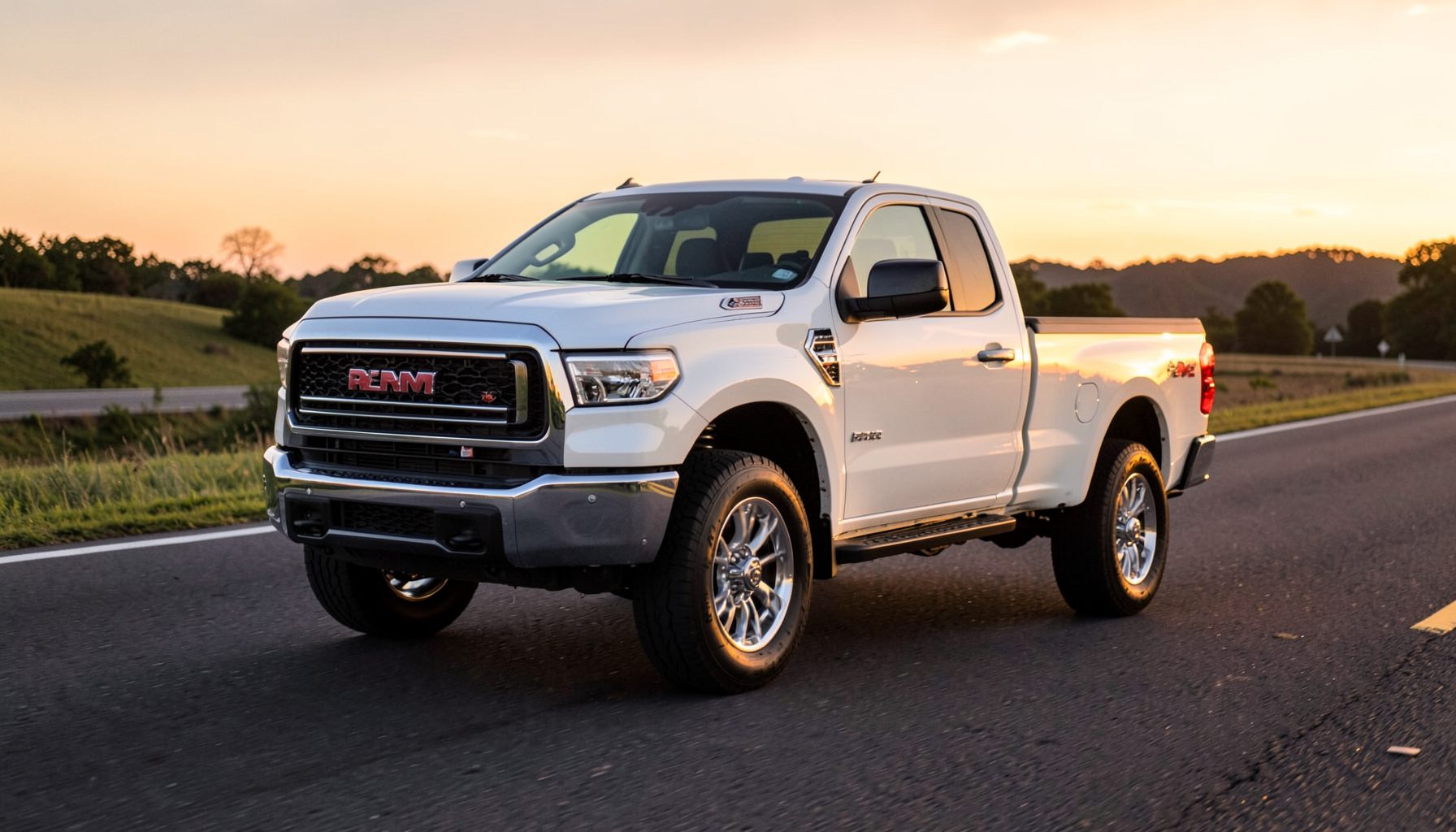
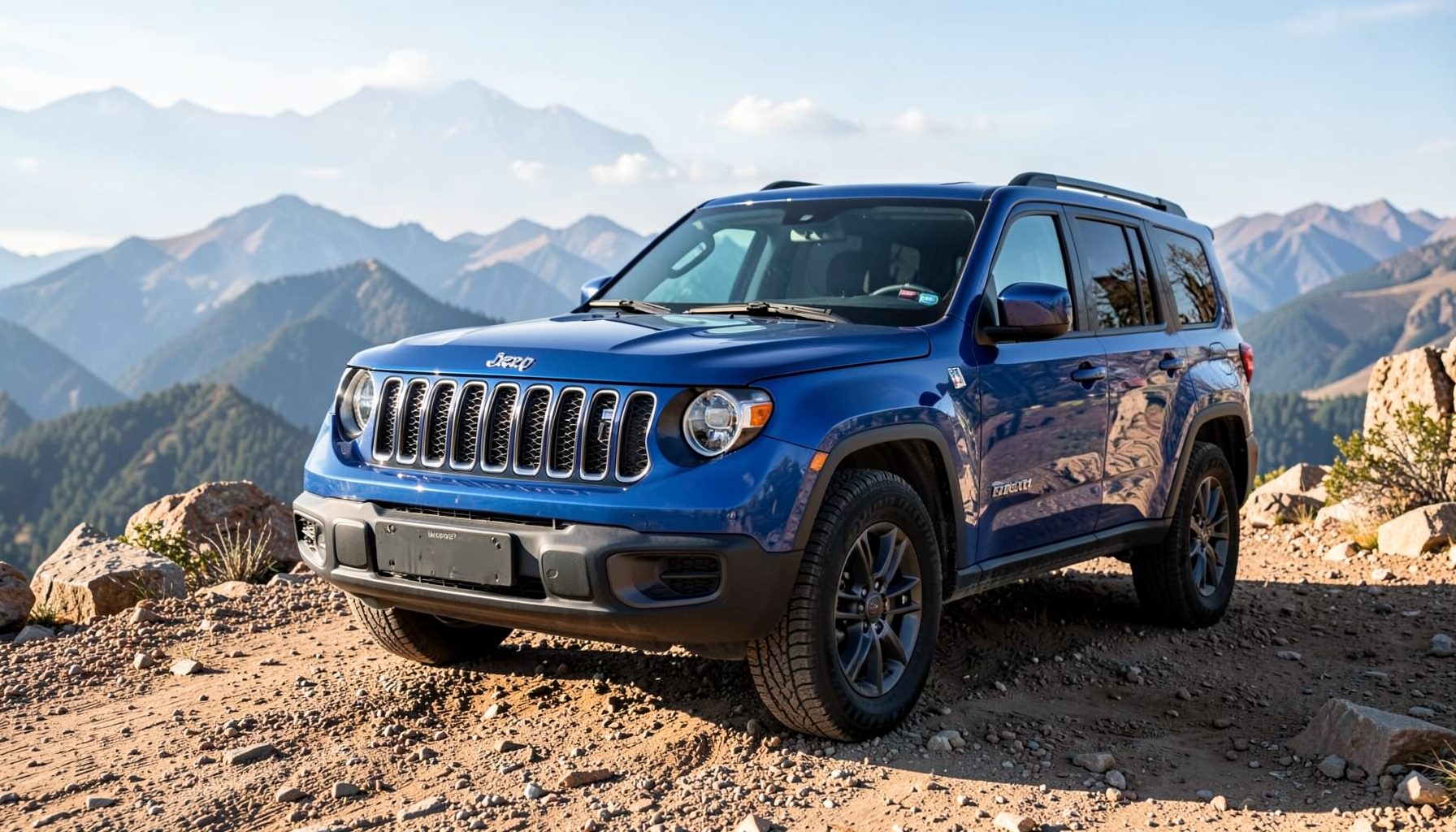
A comparison page often puts horsepower, torque, transmission, drivetrain, towing capacity, and payload close together. These numbers are useful when you know what job the vehicle must perform. A Ram truck used for a horse float or trailer needs a different assessment from a Jeep used mainly for commuting and camping trips.
Think about normal driving first, then occasional heavy work. If most trips involve school drop-offs, traffic, and shopping, a smooth automatic transmission, easy visibility, and sensible fuel use may be more valuable than a large engine. If you regularly tow, confirm the complete towing setup, including tow-ball rating, trailer brakes, payload, and the weight of passengers and luggage.
Fuel type and running costs also deserve attention. Petrol, diesel, hybrid, and electric vehicles can suit different travel patterns, but advertised figures are laboratory results rather than a guarantee of real-world consumption. Australian petrol prices vary by state and can rise sharply in remote areas, while charging access may be limited outside major routes. Use the comparison to identify the likely fit, then verify local operating costs for your circumstances.
Look beyond the headline price
The displayed price is an important starting point, but it is not the whole ownership picture. Compare mileage, vehicle age, service records, tyre condition, warranty coverage, included accessories, and any dealer-backed protection. A cheaper used vehicle may require immediate maintenance, while a newer vehicle may provide more predictable costs.
For pre-owned stock, history is especially valuable. Review the listing carefully and ask about previous servicing, accident history, title status, recalls, and the condition of consumable items. The dealership’s explanation of buying a local used car shows why a traceable service history can make a used vehicle easier to assess and maintain.
Australian buyers should account for the distance between the dealership and their home. A vehicle purchased in Tennessee may involve transport, import approval, compliance work, taxes, and modifications before it can be registered in Australia. Local registration rules differ between states and territories, and a vehicle that looks affordable online may cost much more after freight, duties, engineering checks, and compliance. Treat the website comparison as a research tool, then request a full location-specific cost estimate.
Quick checks before you shortlist a vehicle
Use the comparison screen to create a short, practical checklist rather than trying to memorise every specification. These checks help separate meaningful differences from attractive but low-priority features.
- Confirm the engine, transmission, drivetrain, and trim level
- Compare seating, cargo room, payload, and towing figures
- Check standard safety equipment and available driver assistance
- Note mileage, service history, warranty, and included accessories
Once you have completed the first pass, open each individual vehicle listing. Photos can reveal tyre wear, interior condition, tow equipment, roof racks, dents, and optional features that the comparison table may not explain. Read the vehicle description carefully and save the listings that remain suitable.
- Estimate fuel, insurance, servicing, and registration costs
- Check dimensions against your garage, driveway, or parking space
- Confirm whether the vehicle is still available
- Write down questions for the sales or service team
This second list is particularly useful when comparing a new vehicle with a used one. The new model may offer updated technology and warranty coverage, while the used example may include accessories, a lower purchase price, and a documented service history. The better choice depends on the complete ownership picture, not one winning column.
Use finance and trade-in information carefully
After comparing specifications, use the website’s finance resources to examine how the purchase could fit your budget. The finance centre can help you begin the process, but an advertised payment should never be treated as a final offer until the relevant application, terms, deposit, interest rate, taxes, and fees have been reviewed.
Compare total cost as well as monthly repayment. A longer loan term can reduce the payment while increasing the total interest paid, and a trade-in can change the amount financed. Use the dealership’s vehicle valuation tool to get a starting point for your current car, then provide accurate details about its condition, kilometres or miles, accessories, and service history.
The dealership also advertises special offers and a 3 Day Money Back Guarantee. Review the current terms, eligibility requirements, exclusions, and return conditions before relying on them in your decision. If you are buying from Australia, ask specifically how an offer applies to an overseas customer, vehicle transport, and any cross-border transaction arrangements.
Turn the comparison into a clear decision
By this point, you should be able to name the reason each model remains on your shortlist. One may be the better family vehicle because it offers easier access and more usable cargo space. The other may be stronger for towing, off-road travel, or carrying equipment. Write down the two or three differences that affect your life most, then ignore minor wins that do not change how you will use the vehicle.
Contact the dealership with the stock numbers of both vehicles and your key questions. Ask about availability, inspection records, service documentation, warranty details, current promotions, and the exact out-the-door figure. If you are arranging a purchase from Australia, request information about transport, compliance, currency, payment arrangements, and whether the selected vehicle can be legally registered where you live.
A comparison tool cannot replace a careful inspection, a test drive, or a direct conversation with the dealership’s trained staff. It can, however, turn a broad inventory into a reasoned shortlist and make your questions more precise. Open the Alan Vines Automotive Group inventory now, choose two matching vehicles, and record their stock numbers before contacting the dealership.