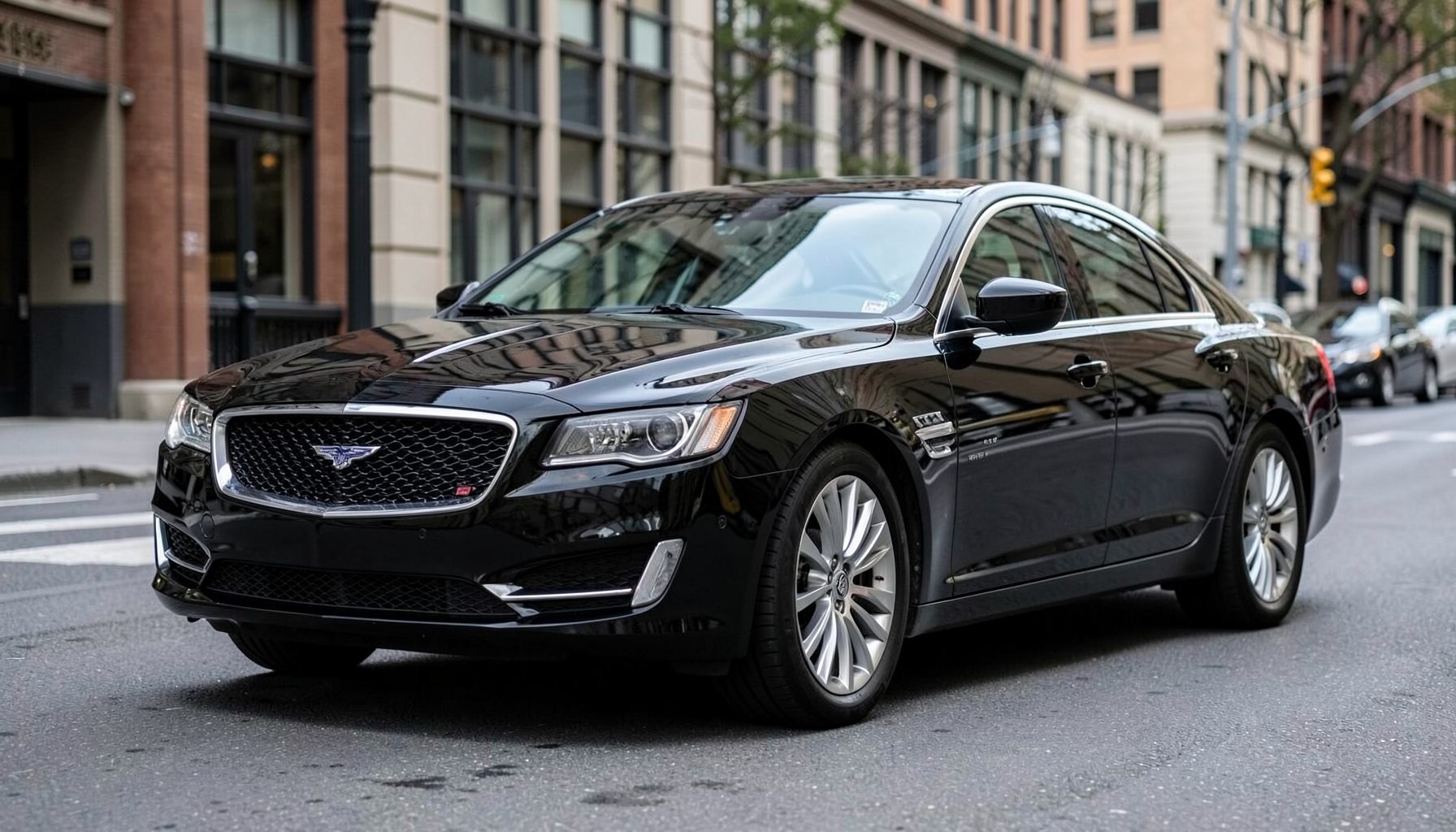
Hyundai Elantra vs. Dodge Dart: Which Sedan Saves More Gas
Fuel economy can make a meaningful difference in the cost of commuting, especially for drivers who cover a high number of miles each week. Compact sedans are often appealing because they combine manageable purchase prices with efficient four-cylinder engines, but the year, trim, transmission, and driving conditions all affect how much fuel a car actually uses.
The Hyundai Elantra and Dodge Dart represent two different points in the compact-sedan market. The Elantra remains in production and has continued to receive updates, while the Dart was discontinued after the 2016 model year. That difference matters when comparing technology, availability, warranty coverage, and long-term ownership costs.
For a fair comparison, the focus here is on gasoline-powered models and EPA fuel-economy estimates. Hybrid versions of the Elantra can save even more fuel, but they belong in a separate comparison because the Dodge Dart was never offered as a hybrid.
Fuel Economy At A Glance
The Hyundai Elantra generally has the advantage in fuel economy. Depending on configuration, a recent gas-powered Elantra can achieve up to roughly 33 mpg in city driving, 42 mpg on the highway, and 37 mpg combined. Some trims and wheel choices may produce slightly different figures, so shoppers should check the window sticker for the exact vehicle.
Dodge Dart mileage varies more widely because the sedan was sold with several engines and transmissions. The most efficient version was the Dart Aero with the 1.4-liter turbocharged engine, rated at approximately 28 city, 41 highway, and 33 combined mpg. A Dart equipped with the 2.0-liter engine typically returned about 24 city, 34 highway, and 28 combined mpg, while the sportier GT used more fuel.
That gives the Elantra an advantage of about four combined mpg over an efficient Dart Aero and approximately nine combined mpg over a Dart with the 2.0-liter engine. The difference may appear small during a single fill-up, but it becomes more significant over months of regular commuting.
Why The Elantra Uses Less Fuel
The Elantra benefits from newer engineering, aerodynamic improvements, and powertrains designed around everyday efficiency. Its four-cylinder engines provide enough power for commuting while avoiding the fuel demands associated with larger engines. The continuously variable transmission, available on many versions, also helps keep the engine operating in an efficient range.
The car’s efficiency is especially noticeable in steady highway driving. A driver who spends significant time on interstates may approach the upper end of the Elantra’s highway rating under favorable conditions. Smooth acceleration, proper tire inflation, and moderate speeds can help the sedan deliver consistent results.
A newer Elantra also offers an available hybrid powertrain. Depending on the model year and trim, an Elantra Hybrid can reach approximately 50 mpg combined, making it a much stronger choice for drivers whose primary goal is reducing fuel consumption. Its higher purchase price should be weighed against expected fuel savings and annual mileage.
Where The Dodge Dart Still Makes Sense
The Dodge Dart is not the fuel-economy winner, but it can still appeal to shoppers seeking an affordable used sedan with a distinctive design. The Dart has a comfortable cabin, a composed ride, and available features such as a touchscreen infotainment system, turbocharged performance, and upgraded interior materials. Its used-car pricing may also make it attractive to buyers working with a tighter budget.
Choosing the right Dart configuration is critical. The 1.4-liter turbocharged Aero is the model to seek when fuel economy is the priority, while the 2.0-liter engine is generally simpler but less efficient. The 2.4-liter engine and sport-oriented GT trim deliver stronger acceleration but require more fuel, making them less suitable for a gas-saving comparison.
Age introduces other considerations. Every Dodge Dart is now a used vehicle, so maintenance history, mileage, tire condition, and mechanical inspection can influence ownership costs as much as the EPA rating. A well-maintained Dart may serve a buyer effectively, but repairs on an older discontinued model can be harder to predict than routine ownership of a newer Elantra.
Comparing The Numbers
The figures below provide a practical snapshot of representative configurations. EPA ratings can change with model year, equipment, wheel size, and transmission, so they should be treated as comparison points rather than guarantees.
| Sedan and configuration | City mpg | Highway mpg | Combined mpg | Fuel-economy perspective |
|---|---|---|---|---|
| Recent Hyundai Elantra gas model | Up to 33 | Up to 42 | Up to 37 | Strong everyday efficiency |
| Hyundai Elantra Hybrid | Approximately 49–51 | Approximately 52–53 | Approximately 50 | Best fuel-saving option |
| Dodge Dart Aero 1.4T | Approximately 28 | Approximately 41 | Approximately 33 | Most efficient Dart version |
| Dodge Dart 2.0 | Approximately 24 | Approximately 34 | Approximately 28 | Lower purchase cost may offset weaker mileage |
| Dodge Dart GT 2.4 | Approximately 22 | Approximately 31 | Approximately 25 | Performance-oriented, higher fuel use |
The Elantra’s advantage is clearest in city driving, where frequent stops and starts place greater demands on an engine. A difference of five to nine mpg in urban use can add up quickly for drivers with long commutes or substantial daily errands.
Highway results are closer between the most efficient versions. A Dart Aero can approach the Elantra on the open road, particularly when driven gently. However, the Elantra still tends to offer better combined mileage, and newer examples may provide more consistent efficiency across mixed driving.
Fuel Costs Over A Year
Consider a driver who travels 15,000 miles annually and pays $3.50 per gallon. At 37 mpg, a gasoline Elantra would use about 405 gallons per year, costing approximately $1,419. At 33 mpg, a Dart Aero would use about 455 gallons, costing approximately $1,591. The annual difference would be about $172 under those assumptions.
Compared with a Dart averaging 28 mpg, the Elantra would use roughly 177 fewer gallons per year. At the same fuel price, that equals approximately $620 in annual savings. Actual results depend on local fuel prices, traffic, weather, tire pressure, driving habits, and the vehicle’s condition.
Fuel is only one part of the ownership equation. The Elantra may cost more to purchase as a newer vehicle, while an older Dart may have lower upfront pricing but greater exposure to age-related repairs. Buyers should compare estimated fuel savings with insurance, financing, maintenance, registration, and expected depreciation before choosing a sedan.
Daily Driving And Ownership Practicality
For routine transportation, the Elantra is usually the easier choice. Its continued production means broader availability, newer safety systems, current infotainment features, and a larger selection of vehicles to inspect. It is also easier to find examples with lower mileage and remaining factory coverage, depending on the model year.
The Dart has useful interior space for a compact sedan and can be comfortable for passengers on ordinary trips. Its trunk is practical for groceries, work bags, and small luggage. Still, its age means buyers should carefully test the air conditioning, electrical features, transmission behavior, suspension, and engine performance before purchase.
Both sedans benefit from responsible driving habits. Avoiding rapid acceleration, keeping tires inflated to the manufacturer’s recommendation, removing unnecessary cargo, and following the maintenance schedule can improve fuel economy. A clogged air filter, worn spark plugs, dragging brakes, or underinflated tires can reduce mileage in either vehicle.
Which Sedan Fits Your Budget
The Hyundai Elantra is the stronger pick for drivers who want the best overall gas mileage, newer technology, and a sedan that can remain part of the current market for years. It is particularly well suited to commuters who drive in traffic, accumulate many annual miles, or want the option of hybrid efficiency.
The Dodge Dart makes more sense when purchase price is the primary concern and a carefully inspected used vehicle is available at a compelling value. Among Dart models, the Aero is the logical choice for fuel-conscious shoppers, although its mileage advantage over other Dart versions may not compensate for condition-related repair costs.
Shopping by total cost rather than sticker price can help clarify the decision. Review the vehicle history, compare financing terms, estimate fuel use, and inspect service records. Alan Vines Automotive Group also provides current vehicle inventory, giving shoppers a way to review available models and compare options before visiting the dealership.
Smart Ways To Reduce Fuel Spending
The vehicle you choose establishes the baseline, but your driving routine has a direct effect on real-world mileage. These practices can help either sedan perform closer to its EPA estimate:
- Combine errands to reduce repeated cold starts and short trips.
- Maintain recommended tire pressure and inspect tires for uneven wear.
- Accelerate smoothly and anticipate stops instead of braking hard.
- Keep up with oil changes, filters, spark plugs, and scheduled inspections.
- Remove heavy items from the trunk when they are not needed.
A test drive should include the kinds of roads you use most often. Try the sedan in stop-and-go traffic, at city speeds, and on the highway if possible. Pay attention to transmission smoothness, seating comfort, visibility, road noise, and how confidently the car accelerates into traffic.
Make The More Efficient Choice
For most shoppers comparing gasoline models, the Hyundai Elantra saves more fuel than the Dodge Dart, especially in city driving and mixed conditions. The Elantra Hybrid extends that advantage substantially, while the Dart Aero remains the most economical Dart configuration for buyers focused on used-car value.
Visit Alan Vines Automotive Group to compare available sedans, review financing options, evaluate a trade-in, and arrange a drive. When an eligible vehicle meets your needs, the dealership’s 3 Day Money Back Guarantee can provide additional time to make a confident purchase decision.