Hyundai Palisade vs. Jeep Wagoneer for Family SUV Buyers
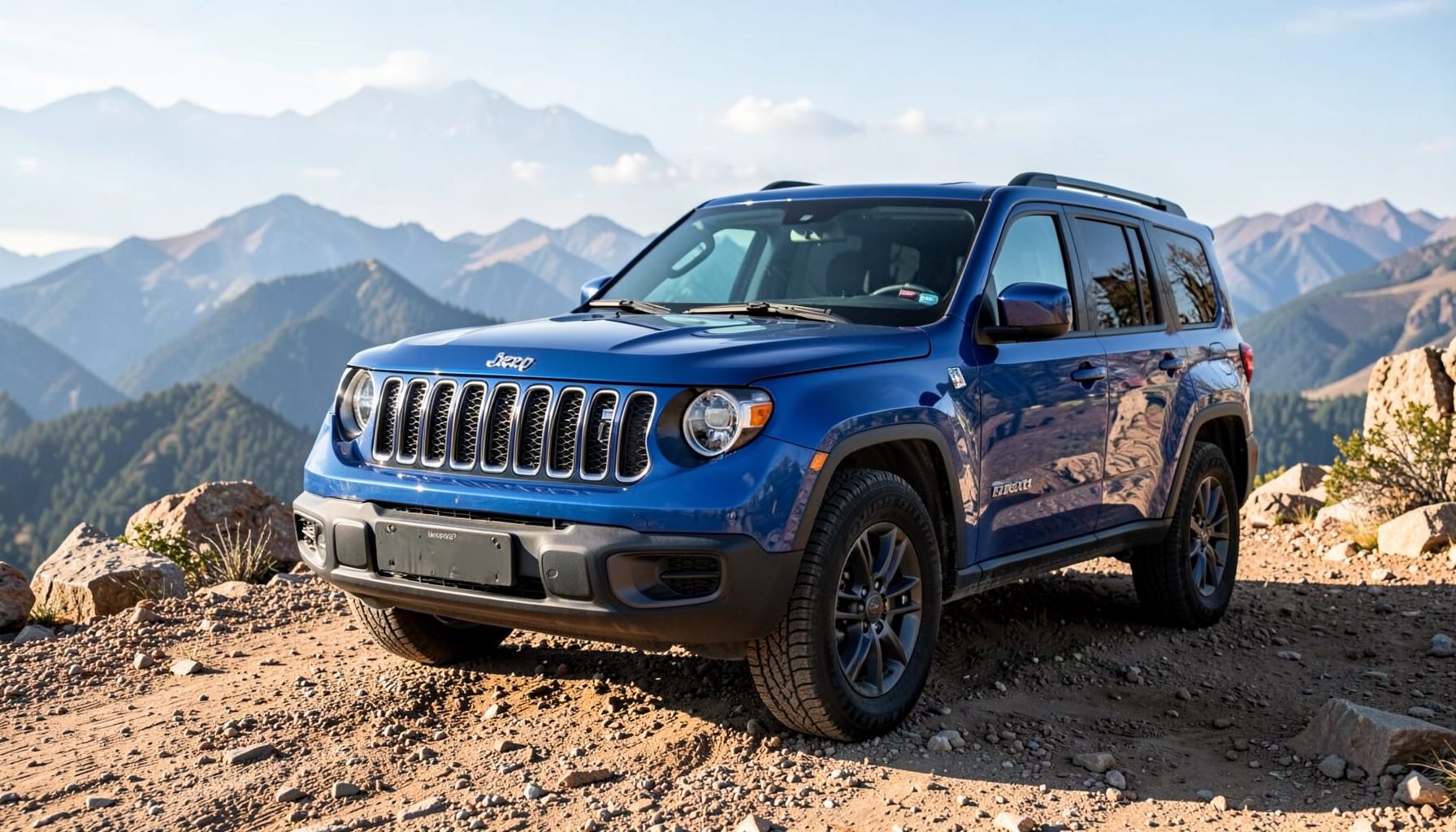
Choosing between a Hyundai Palisade and a Jeep Wagoneer comes down to the kind of family transport you need. Both provide three rows, a large cabin and the raised driving position Australians increasingly prefer, but their engineering priorities are very different. The Palisade is a refined, road-focused SUV designed around everyday comfort, while the Wagoneer is a substantially larger American vehicle with serious towing ability and available four-wheel drive.
For drivers in Australia, the comparison also involves more than passenger space and engine output. Right-hand-drive availability, Australian Design Rules compliance, servicing access, fuel prices, urban parking and resale demand can all affect whether either model makes practical sense. The Palisade has a clearer connection to the Australian new-car market, whereas the Wagoneer may require a specialist import pathway depending on the specification and model year.
Size, seating and daily usability
The Hyundai Palisade is a large SUV, but the Jeep Wagoneer occupies an even bigger footprint. The Wagoneer’s broad body and long wheelbase create generous room across all three rows, with enough space for adults in the rear seats and a substantial luggage area behind them. That extra scale is appealing to large families, especially those who regularly carry sports equipment, camping gear or several adults.
The Palisade takes a more manageable approach. It commonly offers seven seats with second-row captain’s chairs or eight seats with a bench, depending on specification. Access to the third row is straightforward, and the cabin has useful storage for phones, bottles and family essentials. In Melbourne or Sydney, its slightly less imposing dimensions can make supermarket car parks, school zones and multi-storey garages less stressful than operating a full-size Wagoneer.
Cargo flexibility is strong in both vehicles, with folding rear seats allowing owners to switch between people and bulky loads. The Jeep generally wins on outright capacity, but the Hyundai may be easier to live with when the vehicle is used for commuting during the week and family trips on weekends. Buyers should compare actual cargo measurements rather than relying solely on a brochure’s maximum volume.
Powertrains, towing and road manners
The Palisade’s powertrain depends heavily on the market. Australian examples have been offered with petrol and diesel engines, while North American versions have used petrol V6 power and newer configurations may differ again. Its driving character is usually quiet and composed, with light steering and a suspension setup suited to sealed roads. All-wheel drive is available on selected versions, providing extra confidence on wet roads, gravel approaches and mild rural tracks.
The Wagoneer is built around a stronger towing and long-distance brief. Recent versions use a turbocharged inline-six petrol engine paired with an automatic transmission, delivering strong acceleration for a vehicle of this size. Rear-wheel drive or four-wheel drive availability depends on the grade, and the Jeep’s robust platform gives it an advantage for caravans, boats and heavy trailers. Exact towing limits must be checked against the local specification, tow-bar rating and Australian compliance documentation.
That capability comes with trade-offs. A large petrol engine will generally consume more fuel than a Palisade diesel, particularly in stop-start traffic around Brisbane or when climbing through hilly areas. The Hyundai is likely to feel more nimble on ordinary suburban roads, while the Jeep feels settled and powerful on highways. Neither should be judged by horsepower alone: the right choice depends on towing frequency, annual kilometres and access to suitable servicing.
Interior comfort and technology
Both SUVs target buyers who want a quieter, more premium family environment. The Palisade typically provides supportive front seats, a clear dashboard layout and a generous collection of driver-assistance features. Depending on trim, equipment can include a surround-view camera, adaptive cruise control, lane-keeping assistance, heated or ventilated seats and a premium audio system.
The Wagoneer responds with a more luxurious, spacious cabin. Higher grades can include multiple screens, upgraded leather, a large panoramic roof and an impressive array of convenience features. Its wide body gives passengers a feeling of openness, and the second row is particularly comfortable for long journeys. However, the quantity of technology can make the dashboard feel more complex, so a careful demonstration is worthwhile before purchase.
For Australian families, climate control deserves close attention. A vehicle parked outdoors in Adelaide or Perth needs powerful cooling, while rear-seat ventilation matters when children occupy the third row. Check whether the air-conditioning controls are easy to reach, whether USB ports serve every row and whether child-seat anchors are placed where your preferred restraints can be installed correctly.
The Hyundai’s technology may also suit buyers who appreciate a familiar ownership ecosystem. Anyone comparing petrol SUVs with electrified alternatives can read this Ioniq 5 overview to see how Hyundai’s electric SUV approach differs from a large three-row family vehicle. The Palisade remains the more conventional choice, but its equipment can still feel modern and well considered.
Safety, ownership and Australian market realities
Safety performance depends on the exact year, equipment level and testing authority. Look for an independent ANCAP or overseas safety rating that applies to the precise vehicle, rather than assuming every variant has identical protection. Confirm the number of airbags, autonomous emergency braking functions, blind-spot monitoring and rear cross-traffic alerts. Families should also check third-row access and child-seat compatibility in person.
The Palisade has a more established path for Australian buyers because Hyundai operates an official local distribution and service network. That can make warranty support, parts ordering and scheduled maintenance more predictable. Service pricing still varies by dealer and engine, so request a maintenance schedule before signing a contract.
The Wagoneer presents a more complicated question if it is not officially sold in the buyer’s intended Australian configuration. A grey import may need an approved importer, compliance work, inspection and registration under the relevant state or territory process. Australian Design Rules compliance is essential, and a left-hand-drive vehicle may create additional registration and insurance issues. These requirements can differ between New South Wales, Victoria, Queensland and other jurisdictions, so the paperwork should be settled before money changes hands.
Fuel and tax costs matter as well. A large petrol SUV can attract higher running expenses, and a luxury vehicle may be affected by Luxury Car Tax depending on its price and classification. Insurance premiums can also rise when a vehicle is rare, expensive to repair or supported by specialist importers. The Palisade’s more familiar market presence may strengthen resale prospects, particularly in family-heavy markets such as Sydney, Melbourne and regional growth areas.
Which three-row SUV fits your priorities?
The Palisade is the sensible choice for buyers who want a comfortable three-row SUV that is easier to manoeuvre, potentially more economical and better aligned with Australia’s established Hyundai support network. It works well for school runs, airport trips, suburban commuting and interstate holidays. Its available diesel variants may appeal to high-mileage drivers, although buyers should consider modern diesel emissions equipment and whether their journeys include enough open-road driving.
The Wagoneer makes more sense for owners who genuinely need maximum cabin space, strong towing performance and an imposing highway presence. It is better suited to large families with substantial trailers or buyers who regularly travel with a full load of adults and luggage. Its size, fuel appetite and possible import complications mean it should be selected for specific capability rather than appearance alone.
A comparison drive should include the manoeuvres that define your routine: fitting child seats, loading the boot behind the third row, entering your home garage and checking visibility at roundabouts. Ask the dealer to demonstrate the safety systems and measure the tow-bar requirements for your caravan. If purchasing through an American dealership such as Alan Vines Automotive Group, online inventory browsing, trade-in valuation and finance information can help build a realistic ownership budget, even when the research is being done from Australia.
Practical checks before choosing
- Confirm the exact engine, drivetrain, seat layout and towing rating for the vehicle’s market and model year.
- Verify Australian Design Rules compliance, right-hand-drive status, import approval and registration requirements for any Wagoneer brought into Australia.
- Compare fuel use, insurance, scheduled servicing, tyres and likely repair costs over your planned ownership period.
- Test every seating row with the people and child restraints who will actually use the SUV.
- Obtain written finance, trade-in and warranty terms; a guide to financing with no credit can also explain why lender requirements and interest rates deserve careful review.
The most suitable vehicle is the one that fits both your lifestyle and your local ownership conditions. Choose the Palisade when balanced dimensions, comfort, efficiency and established support matter most; choose the Wagoneer when its additional space and towing strength will be used regularly. Before committing, compare the exact specification, confirm Australian compliance and calculate the full cost of keeping the SUV on the road, not just its purchase price.