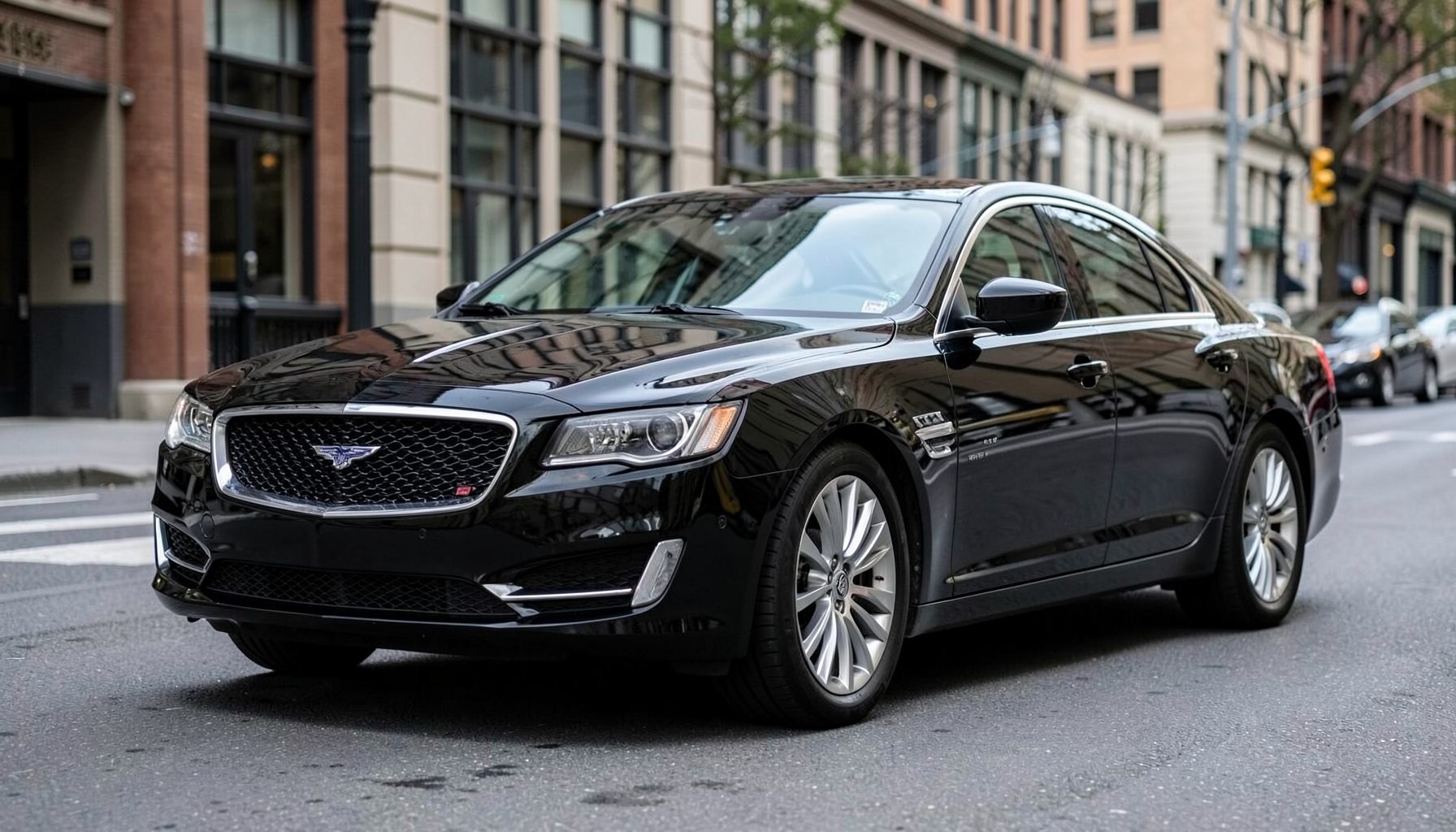
Jeep Compass Vs. Mitsubishi Eclipse Cross For Everyday Adventure
Compact SUVs have become a practical choice for drivers who want flexible cargo space, a comfortable ride, and confidence on changing road surfaces without moving into a large truck-based vehicle. The Jeep Compass and Mitsubishi Eclipse Cross both fit that role, yet they approach the idea of adventure from different directions.
The Compass leans into Jeep’s trail-ready image with available four-wheel-drive capability, rugged styling, and terrain-focused driving modes. The Eclipse Cross emphasizes distinctive design, everyday maneuverability, and a comfortable cabin that can handle commuting, road trips, and occasional unpaved routes.
For drivers in Jackson, Tennessee, the right choice may depend less on the badge and more on how an SUV fits daily travel. Consider your preferred powertrain, cargo needs, technology expectations, budget, and willingness to explore beyond paved roads before choosing between these two compact crossover SUVs.
Design And Everyday Presence
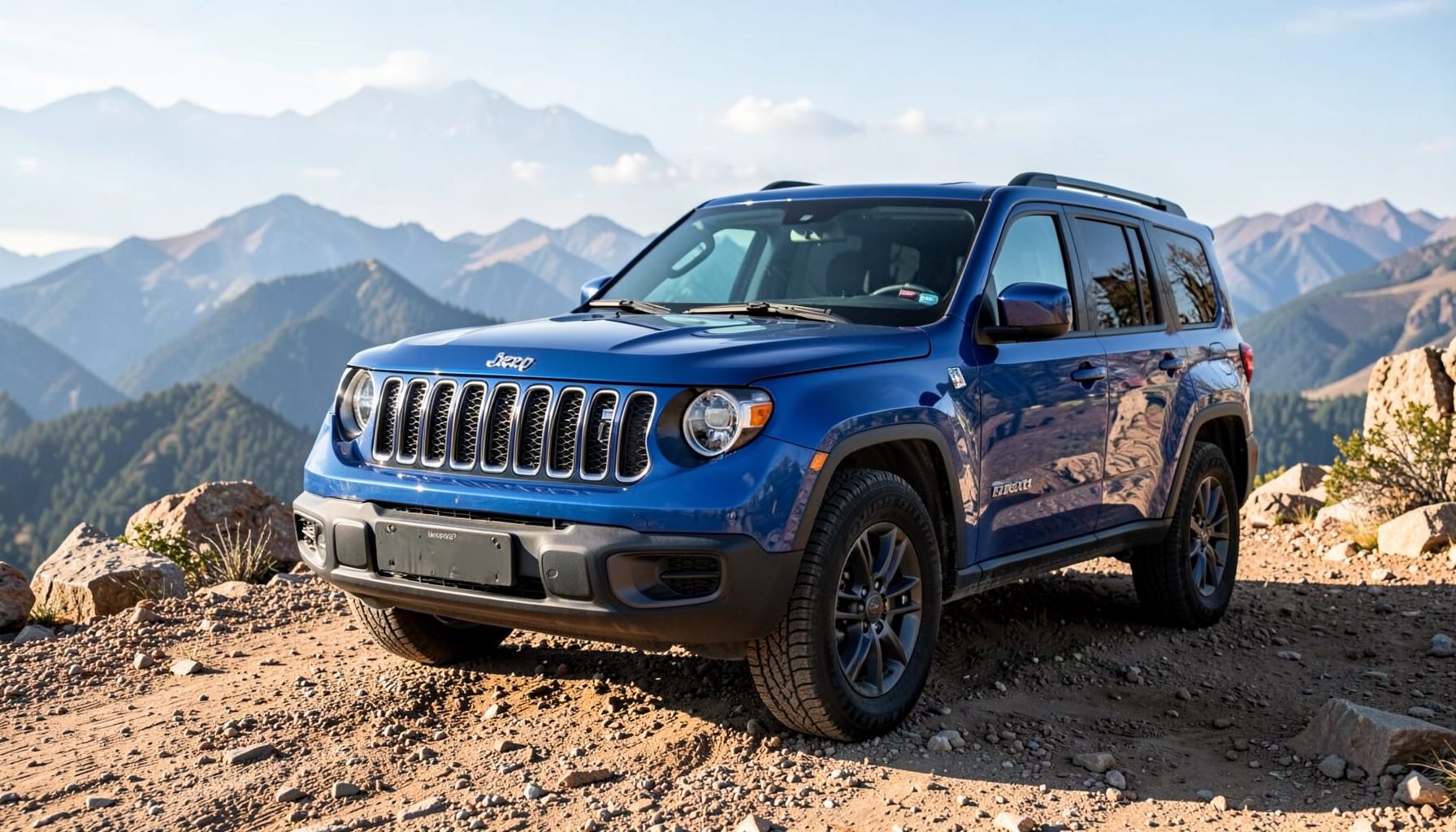
The Jeep Compass has a squared, upright profile that connects it visually to the broader Jeep family. Its seven-slot grille, available two-tone finishes, protective lower body cladding, and optional larger wheels give it a confident appearance. The design feels suited to drivers who want an SUV that looks ready for a weekend trail even when most weekday trips involve school, work, or errands.
The Mitsubishi Eclipse Cross takes a more sculpted approach. Its sloping roofline, sharply defined front end, and distinctive rear styling help it stand out in a busy compact SUV segment. The design is sportier and more urban, though the raised seating position and available all-wheel drive preserve some crossover versatility.
Exterior styling can influence practicality as well as appearance. The Compass’s upright shape may feel more substantial from the driver’s seat, while the Eclipse Cross offers a sleek silhouette without abandoning useful passenger space. A side-by-side walkaround is valuable because visibility, step-in height, and rear-seat access can feel different from what photographs suggest.
Capability And Road Manners
The Compass is the more adventure-oriented choice of the two. Depending on configuration, it can offer four-wheel drive and drive modes designed for surfaces such as snow, sand, or mud. Trailhawk models add extra off-road equipment and increased capability for drivers who regularly travel on rougher roads, steep grades, or maintained trails.
The Eclipse Cross is better viewed as a versatile crossover for paved roads, gravel lanes, wet pavement, and light outdoor use. Available Super All-Wheel Control can help provide traction in changing conditions, making it useful for rainy commutes and regional travel. It is capable, but its priorities generally center on composed road manners rather than serious trail work.
Both SUVs can suit Tennessee driving, where a vehicle may encounter heavy rain, uneven roads, rural routes, and occasional winter weather. The Compass has the advantage when ground clearance, traction management, and trail confidence are central to the buying decision. The Eclipse Cross may appeal more to drivers who want all-weather reassurance while spending most of their time on pavement.
| Consideration | Jeep Compass | Mitsubishi Eclipse Cross |
|---|---|---|
| Driving character | Rugged and adventure-focused | Smooth, practical, and urban-friendly |
| Available traction systems | Four-wheel drive on select configurations | All-wheel drive on select configurations |
| Off-road emphasis | Stronger, especially in Trailhawk form | Better suited to light-duty outdoor travel |
| Cabin feel | Durable, modern, and utility-oriented | Open, comfortable, and distinctive |
| Cargo flexibility | Useful rear storage with foldable seating | Flexible rear seating and crossover practicality |
| Ideal buyer | Trail-minded SUV shopper | Commuter and road-trip-oriented SUV shopper |
Engine Choices And Efficiency
The Jeep Compass uses a turbocharged four-cylinder engine in current configurations, delivering the low-end response many drivers appreciate in a compact SUV. Its powertrain is designed to provide a balance of everyday acceleration and usable torque, particularly helpful when merging onto highways or carrying passengers and gear.
The Eclipse Cross also uses a turbocharged four-cylinder engine, with output and transmission details varying by model year and trim. Its power delivery is oriented toward relaxed daily driving, and the continuously variable transmission helps keep acceleration smooth. Test-driving both vehicles can reveal meaningful differences in throttle response, engine noise, and transmission behavior.
Fuel economy depends on drivetrain, wheels, equipment, traffic, and driving habits. Front-wheel-drive versions may be more efficient than all-wheel- or four-wheel-drive models, while larger tires can affect mileage and ride comfort. Check the EPA estimates for the exact vehicle under consideration rather than relying on a general model-range figure.
Interior Comfort And Cargo Flexibility
Inside, the Compass provides a straightforward cabin with supportive seating, durable materials, and controls that are generally easy to reach. Depending on trim, buyers may find upgraded upholstery, heated seats, dual-zone climate control, a panoramic sunroof, and additional comfort features. The overall atmosphere suits drivers who want a cabin that feels prepared for both commuting and outdoor equipment.
The Eclipse Cross offers a modern cabin with a higher seating position and a rear seat designed to provide passenger comfort. Its available sliding rear bench can help balance legroom and cargo capacity, allowing owners to adjust the interior around passengers, groceries, luggage, or recreational equipment. The rear roofline looks sporty, but the interior remains practical for everyday use.
Cargo measurements and loading height are worth examining in person. A stroller, cooler, camping bins, or golf clubs may fit differently in each SUV even when published cargo numbers appear close. Fold the second-row seats, inspect the liftgate opening, and check whether the floor stays level when you regularly carry bulky items.
Technology And Safety Features
Both models can be equipped with touchscreen infotainment, smartphone integration, Bluetooth connectivity, USB ports, and driver-assistance features. Available systems may include blind-spot monitoring, rear cross-traffic alert, adaptive cruise control, lane departure warning, forward collision mitigation, and parking assistance. Exact equipment varies by trim and model year, so a feature-by-feature review of a specific vehicle is essential.
The Compass may appeal to drivers who prefer Jeep’s familiar interface and available navigation or premium audio features. The Eclipse Cross brings its own straightforward technology package, with an emphasis on useful connectivity and visibility. Screen size matters, but so do menu layout, voice-command performance, camera clarity, and how easily climate controls can be adjusted while driving.
Safety technology works best as a support system rather than a replacement for attentive driving. During a test drive, evaluate how smoothly alerts operate, whether the lane system feels natural, and how well the rear camera helps with parking. Buyers comparing additional compact SUVs may also find the SUV comparison guide useful for understanding how features and driving personalities differ across models.
Ownership Costs And Dealer Support
The purchase price is only one part of the ownership equation. Insurance, fuel, tires, routine maintenance, financing terms, and expected resale value can all influence the long-term cost of a compact SUV. A vehicle with a lower starting price may not be the best value if it lacks the drivetrain or comfort features you would otherwise add later.
Maintenance requirements are another important consideration. Regular oil changes, tire rotations, brake inspections, fluid checks, and scheduled service help protect reliability. A dealership service department with trained technicians and genuine parts can make it easier to follow the manufacturer’s maintenance schedule and address repairs with equipment designed for the vehicle.
A test drive and ownership review can also reduce uncertainty after purchase. Alan Vines Automotive Group provides a money-back policy that gives eligible buyers an additional way to evaluate their vehicle experience. Review the complete terms, limitations, and eligibility requirements before relying on any guarantee as part of your decision.
Smart Shopping Priorities
The best match depends on how you plan to use your SUV throughout the year. Focus on the features that affect your actual routine rather than paying for capability or equipment that will rarely be used.
- Choose the Compass if trail access, rugged styling, and available four-wheel-drive capability are high priorities.
- Choose the Eclipse Cross if smooth commuting, distinctive design, and flexible all-wheel-drive transportation matter most.
- Compare the exact trim levels, since safety, comfort, technology, and traction features can vary substantially.
- Bring the items you regularly carry and test rear-seat comfort, cargo access, visibility, and parking ease.
- Calculate monthly ownership costs using the vehicle price, trade-in value, financing rate, insurance, fuel, and service needs.
A used model can expand your choices by bringing higher trim features into a more manageable budget. Reviewing the dealership’s pre-owned selection may reveal a Compass or Eclipse Cross with desirable equipment, lower mileage, or a price that better fits your payment target. Vehicle history, inspection results, tire condition, and maintenance records should all be part of the evaluation.
Find Your Best Adventure SUV
The Jeep Compass is the stronger choice for buyers who see adventure as a regular part of ownership. Its available four-wheel-drive systems, off-road-focused trim, and rugged character give it an edge for trail access, rougher roads, and drivers who want a more traditional Jeep experience.
The Mitsubishi Eclipse Cross is a compelling alternative for buyers who want a comfortable compact SUV with distinctive styling, available all-wheel drive, and practical everyday versatility. It can handle road trips, changing weather, and light outdoor use while maintaining an easygoing character for city and highway travel.
Visit Alan Vines Automotive Group in Jackson to compare available Jeep Compass and Mitsubishi Eclipse Cross models, review current equipment, value your trade, and arrange a test drive. Experiencing both SUVs from the driver’s seat is the clearest way to decide which one fits your roads, routines, and next weekend adventure.