Ram 3500 vs. Ford Super Duty for Serious Work
Heavy-duty pickup buyers expect more than a powerful engine and a large bed. The right truck must handle trailer weight, payload, long-distance travel, jobsite conditions, and daily driving without becoming difficult to live with. That makes the Ram 3500 and Ford Super Duty—especially the Ford F-350—two of the most closely matched choices in the heavy-duty segment.
Both trucks offer diesel torque, gas-powered alternatives, dual-rear-wheel configurations, advanced towing technology, and comfortable interiors. Their differences become clearer when you compare engine response, transmission behavior, maximum ratings, cabin design, ownership needs, and the type of work each truck is built to perform.
A specification sheet can identify the strongest numbers, but the best choice depends on how you tow and use your vehicle. A fifth-wheel owner may prioritize gooseneck stability and available axle ratios, while a contractor may care more about payload, bed access, cab space, and service convenience.
Powertrains built for demanding loads
The Ram 3500 uses a 6.4-liter HEMI V8 for gas-powered models and a 6.7-liter Cummins inline-six diesel for buyers who need substantial low-speed pulling power. The Cummins is well known for its strong torque delivery and long-standing reputation in commercial and recreational towing. Depending on configuration, buyers can choose between standard and high-output diesel versions, with the most capable setup designed for heavy trailers and demanding grades.
Ford’s Super Duty range gives buyers a 6.8-liter gas V8, an available 7.3-liter gas V8, and a 6.7-liter Power Stroke turbo-diesel V8. The diesel provides impressive horsepower and torque, while the 7.3-liter gas engine is an appealing choice for drivers who want robust performance without the added cost and complexity of a diesel system. Ford also offers a high-output Power Stroke configuration for select applications.
Transmission design is another important distinction. Ram pairs its heavy-duty engines with a six-speed automatic, while Ford uses a 10-speed automatic across much of the Super Duty lineup. The Ram transmission has a straightforward feel and works well with the Cummins powerband. Ford’s extra gear ratios can help keep the engine in an efficient operating range, particularly when climbing hills, accelerating with a trailer, or carrying changing loads.
Towing and payload capability
Maximum towing figures vary significantly by cab style, bed length, drivetrain, axle ratio, engine, hitch type, and equipment package. The most powerful Ram 3500 configurations can reach exceptionally high conventional or gooseneck ratings, while the Ford F-350 offers similarly serious capacity and may lead in certain fifth-wheel or gooseneck configurations.
The important distinction is between a maximum rating and a practical working setup. A truck with the highest advertised tow rating may require a regular cab, two-wheel drive, a specific axle ratio, and limited optional equipment. A crew cab four-wheel-drive truck with a diesel engine, luxury trim, passengers, and tools will have a lower available payload and may tow less than the headline number suggests.
| Category | Ram 3500 | Ford F-350 Super Duty |
|---|---|---|
| Gas engine choices | 6.4-liter HEMI V8 | 6.8-liter and available 7.3-liter V8 |
| Diesel engine | 6.7-liter Cummins inline-six | 6.7-liter Power Stroke V8 |
| Automatic transmission | Six-speed automatic | 10-speed automatic |
| Cab choices | Regular, crew, and available Mega Cab depending on configuration | Regular, SuperCab, and crew cab |
| Rear-wheel option | Single-rear-wheel and dual-rear-wheel models | Single-rear-wheel and dual-rear-wheel models |
| Towing focus | Strong diesel torque and fifth-wheel capability | Broad engine range and advanced trailer technology |
| Best fit | Long-haul towing, fifth-wheel use, and spacious passenger hauling | Flexible work, high ratings, and varied commercial applications |
Payload deserves equal attention. If you regularly carry a slide-in camper, a heavy service body, construction materials, or a trailer tongue with substantial hitch weight, payload may limit your selection before maximum trailer weight does. A dual-rear-wheel truck typically offers greater stability and capacity, but it is wider and less convenient in parking lots and narrow driveways.
Ride comfort and everyday usability
The Ram 3500 stands out with an available Mega Cab, which provides generous rear-seat legroom and useful interior storage. Its cabin tends to feel especially comfortable for families or owners who spend hours traveling between worksites, campgrounds, and home. Higher trims can add premium materials, large displays, heated and ventilated seats, and practical storage solutions.
Ford’s Super Duty offers Regular Cab, SuperCab, and crew cab layouts. The crew cab provides ample rear-seat space, while the SuperCab can be a useful compromise for buyers who want occasional rear seating without the full length and cost of a large crew cab. Ford’s cabin design emphasizes durable controls, straightforward visibility, and convenient access to towing information.
Ride quality depends heavily on wheelbase, tire choice, suspension configuration, and whether the truck has single or dual rear wheels. A single-rear-wheel crew cab is generally easier to drive every day than a dually, while a dually provides better lateral stability under a large fifth-wheel or gooseneck trailer. Ram’s coil-spring rear suspension on certain configurations can deliver a more settled unloaded ride, while Ford’s suspension tuning provides a confident feel when carrying equipment.
Both trucks are much easier to maneuver when equipped with trailer cameras, surround-view systems, integrated brake controllers, and available towing mirrors. These technologies are useful, but they do not replace careful weight distribution, correct hitch setup, and proper trailer loading.
Towing technology and work-focused features
Ford Super Duty models offer a broad range of trailer-focused features, including available trailer cameras, blind-spot monitoring that can account for a trailer, trailer reverse guidance, and systems designed to simplify backing into a campsite or loading area. Pro Trailer Backup Assist can be particularly helpful for drivers who do not tow often or who frequently change trailers.
Ram answers with an available surround-view camera system, trailer-specific monitoring, integrated trailer brake controls, and useful information displayed through the central touchscreen. The Ram’s available fifth-wheel and gooseneck preparation packages can reduce installation work and help keep the bed organized for trailer connections.
Bed functionality also matters. Both manufacturers offer power outlets, cargo lighting, step systems, spray-in bedliners, and multiple bed lengths. Ford’s available Pro Power Onboard system can provide valuable electrical power at a jobsite or campsite, while Ram offers practical storage and tie-down solutions depending on trim and configuration.
For commercial users, details such as upfitter switches, alternator output, payload certification, frame-mounted hitch equipment, and compatibility with utility bodies should be reviewed before purchase. A truck that looks ideal in a showroom may require different factory options for plows, dump bodies, service compartments, or specialized towing equipment.
Ownership costs and configuration value
Diesel trucks generally deliver greater towing confidence and stronger resale demand, but they also cost more to buy and maintain. Diesel fuel, emissions-system components, larger oil capacity, and specialized service can increase long-term operating expenses. Buyers who tow only occasionally may find a gas-powered Ram 3500 or F-350 offers better value, especially when trailer weights remain within a gas engine’s comfortable range.
A diesel becomes easier to justify for frequent heavy towing, long highway trips, steep grades, or large fifth-wheel campers. Its abundant torque can reduce the need for high engine speed and provide stronger performance under sustained load. Still, regular short trips can be less suitable for modern diesel emissions systems, making usage patterns an important part of the decision.
Pricing varies widely based on trim, cab, drivetrain, axle ratio, bed configuration, and dealer incentives. Comparing monthly costs should include the down payment, interest rate, trade value, taxes, insurance, fuel, maintenance, and expected ownership period. Shoppers can estimate different purchase scenarios with the dealership’s payment calculator before focusing on a particular trim.
A thorough test drive should include entry and exit, rear-seat comfort, mirror visibility, steering effort, braking feel, touchscreen usability, and turning clearance. If possible, bring the trailer or equipment you use most often, or compare the truck’s certified ratings with your trailer’s loaded weight rather than its empty specification.
Choosing the right heavy-duty pickup
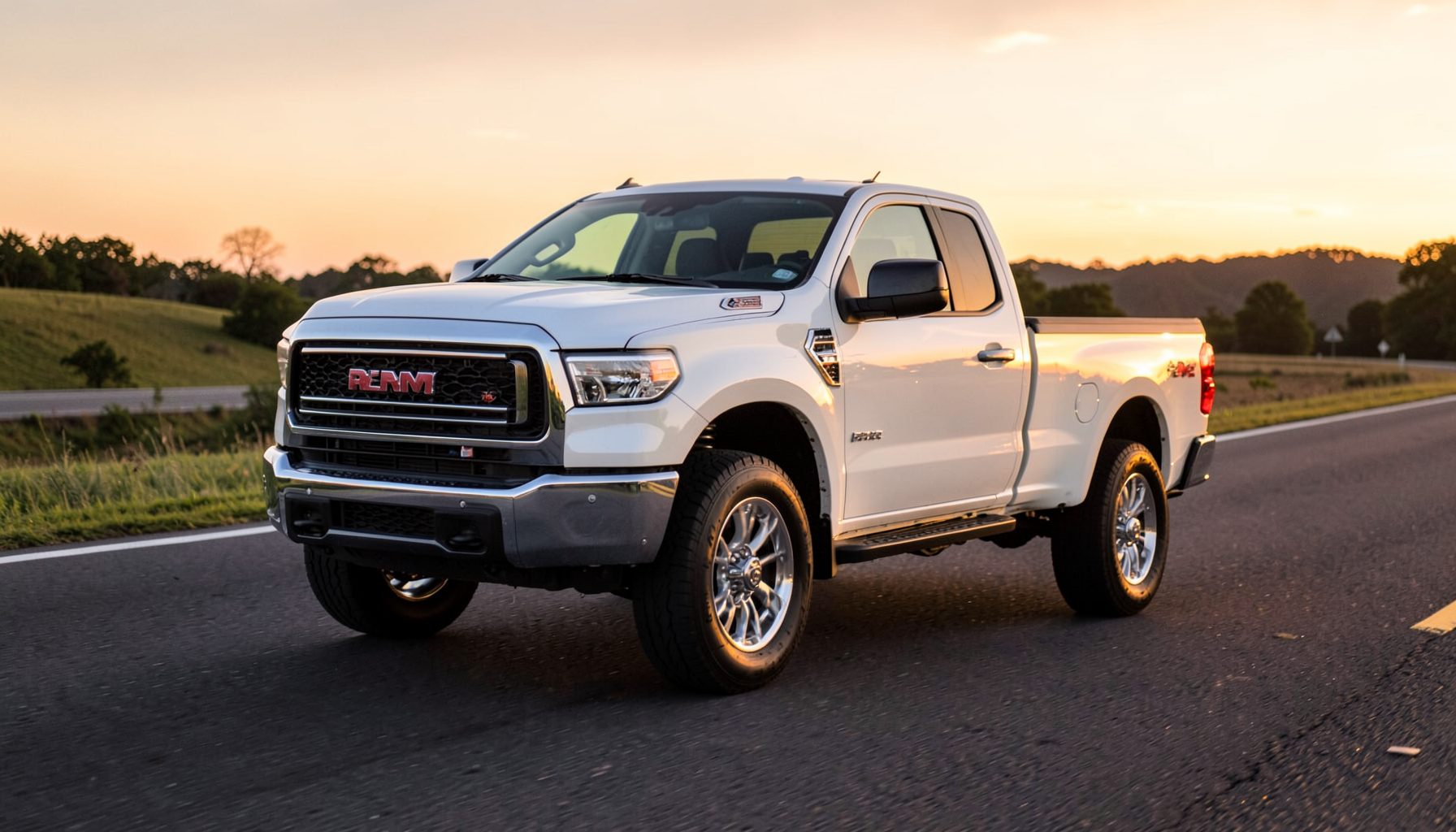
The Ram 3500 may be the stronger fit for drivers who value Cummins diesel character, an available Mega Cab, a comfortable unloaded ride, and serious fifth-wheel or gooseneck capability. Its interior storage and relaxed highway manners make it appealing for long-distance towing and owners who use one truck for work, travel, and family transportation.
The Ford F-350 may be better for buyers who want a wide range of gas and diesel engines, a 10-speed transmission, extensive trailer-assistance technology, and a broad selection of work-oriented configurations. Ford’s Super Duty lineup is particularly versatile for commercial fleets, contractors, and buyers who need to tailor a truck closely to a specific job.
Use the following priorities when narrowing your search:
- Match the truck’s certified payload to passengers, cargo, hitch weight, and accessories.
- Compare conventional, fifth-wheel, and gooseneck ratings separately.
- Choose gas for lighter or occasional towing and diesel for frequent heavy-duty work.
- Decide whether a single-rear-wheel or dual-rear-wheel truck suits your parking and trailer needs.
- Check available service support, warranty coverage, and the cost of required maintenance.
Shopping locally also makes it easier to compare new and pre-owned heavy-duty trucks in person. Alan Vines Automotive Group represents Ram and offers inventory browsing, trade-in assistance, financing, special offers, and a 3 Day Money Back Guarantee. Its service department uses trained technicians and genuine parts, which can be especially valuable for a truck that regularly operates under heavy loads. Details about dealership opportunities and team roles are available through its career opportunities page.
The strongest choice between these two heavy-duty pickups is the one that fits your actual trailer, cargo, driving routine, and budget. Explore Ram 3500 and competing Super Duty inventory at Alan Vines Automotive Group, compare the equipment that matters most, and schedule a drive to experience the differences behind the specifications.