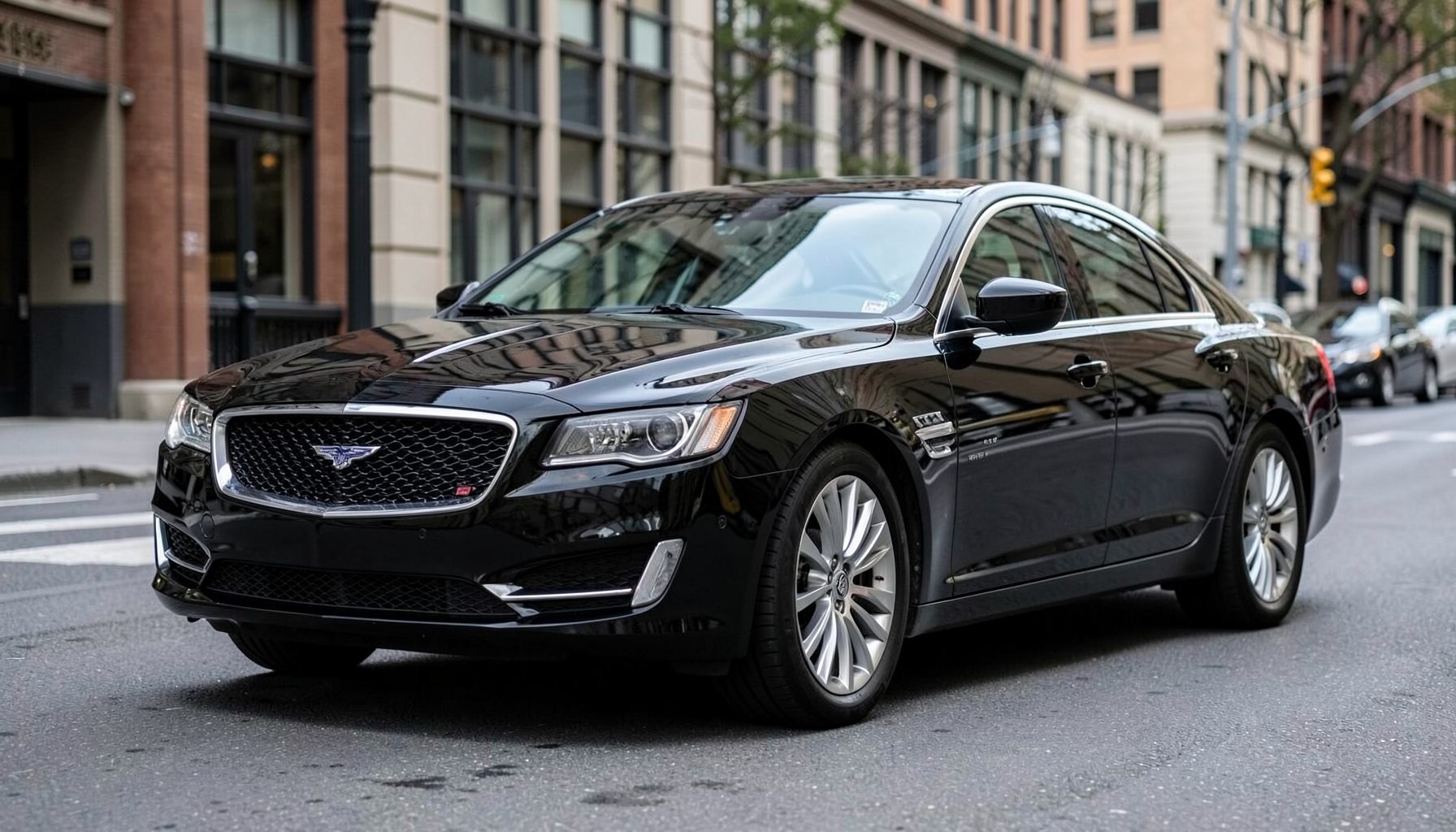
Why a dealership purchase can be safer than a private sale
Australians considering a car, SUV, ute or van from Jackson, Tennessee bring questions that differ from those of local buyers. The advantages of buying a vehicle from our lot vs. a private seller are practical rather than cosmetic: clearer records, trained technicians, defined purchase terms and support after handover.
Private sellers can still offer a good vehicle, often without dealer overhead, and a local buyer may be comfortable handling the transfer directly. The deciding factors are risk, convenience and the total amount that will actually reach your driveway—not merely the number on the listing or who appears to offer the bigger discount.
A dealer purchase offers more accountability
Dealer ownership changes the process from an agreement between two individuals to a transaction handled by a business with procedures, employees and ongoing responsibilities. At Alan Vines Automotive Group, the team can answer vehicle questions, arrange a test drive, explain purchase options and help with trade-in paperwork. That structure is valuable when a buyer cannot inspect every detail in person.
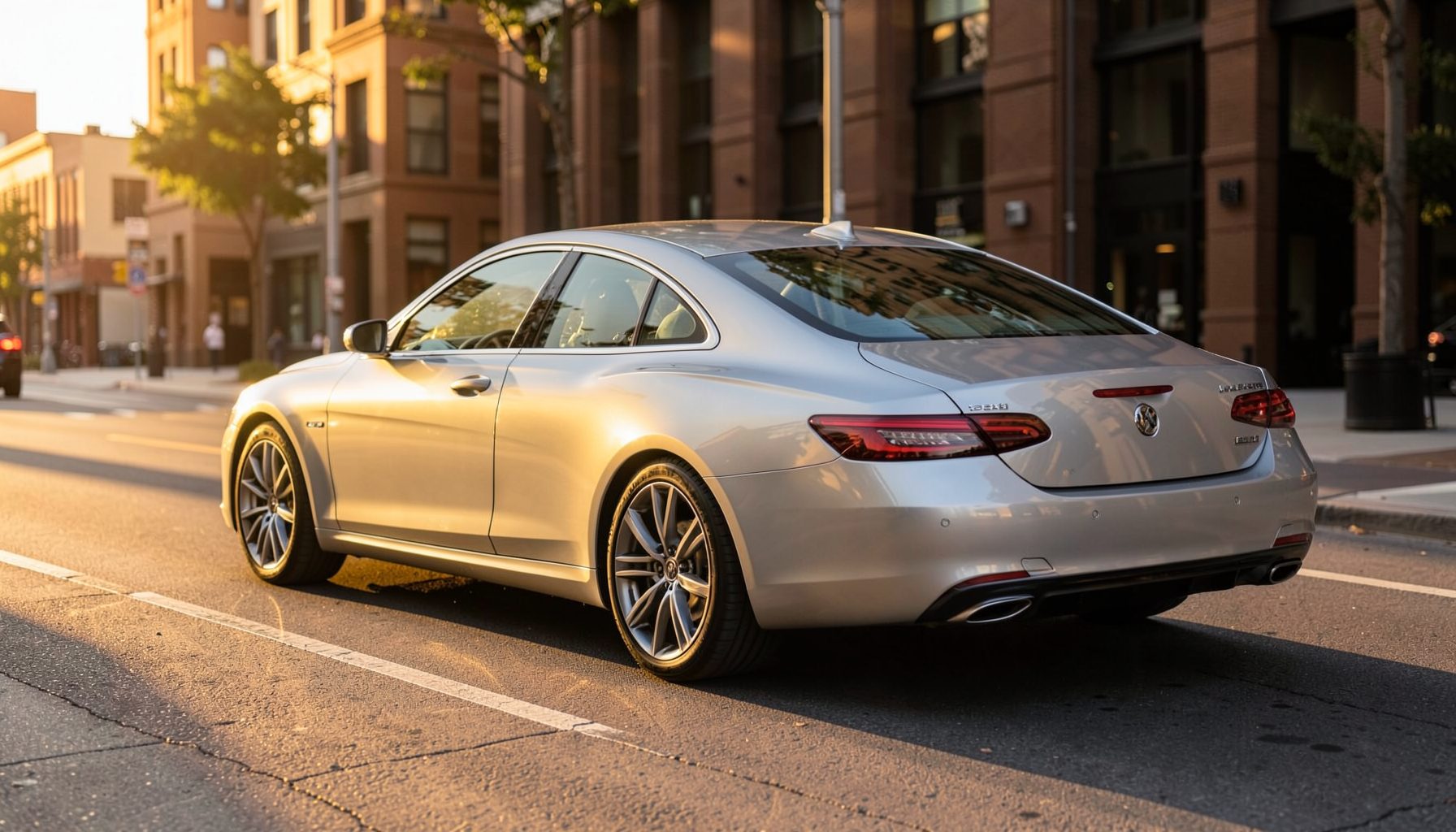
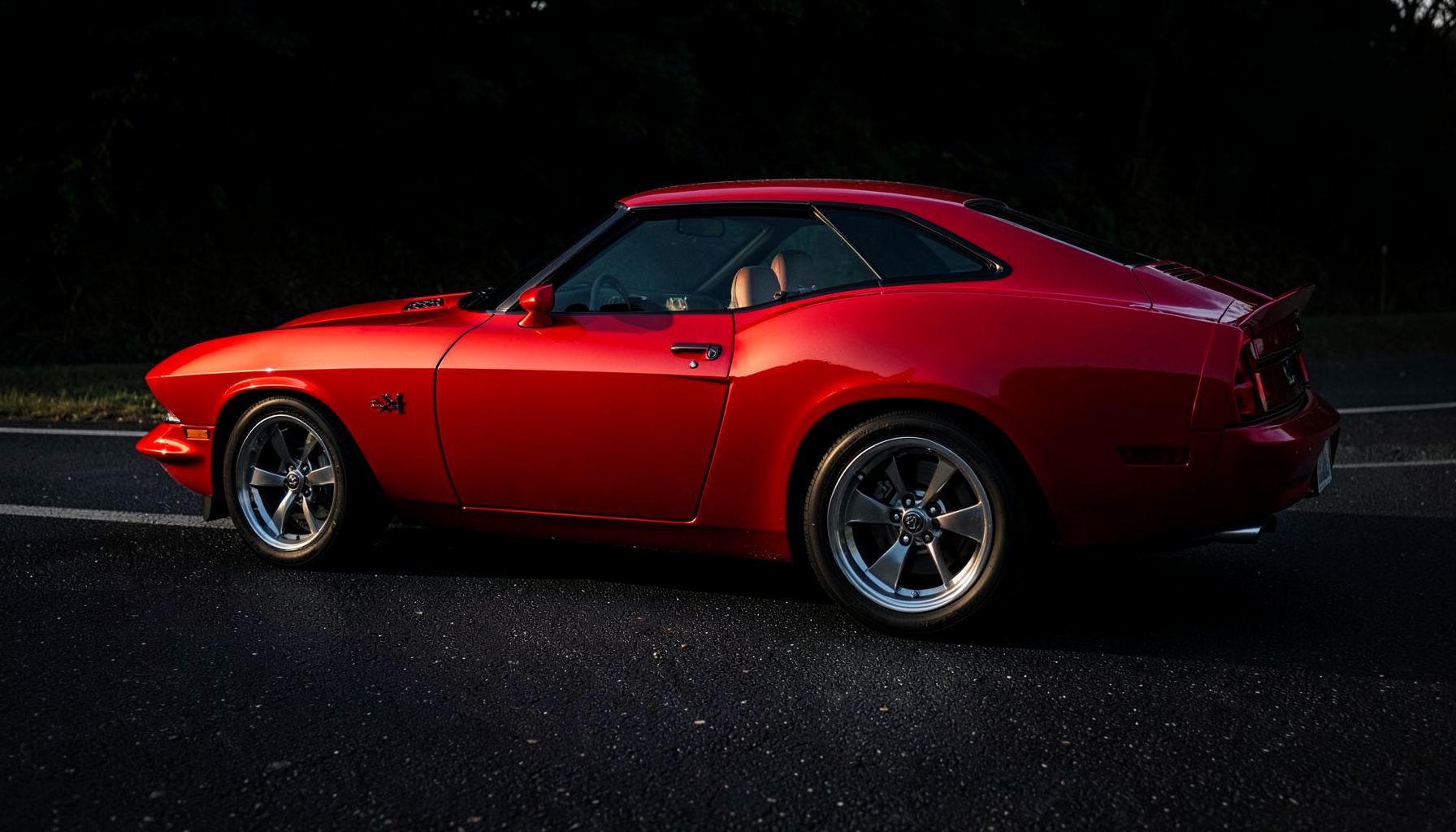
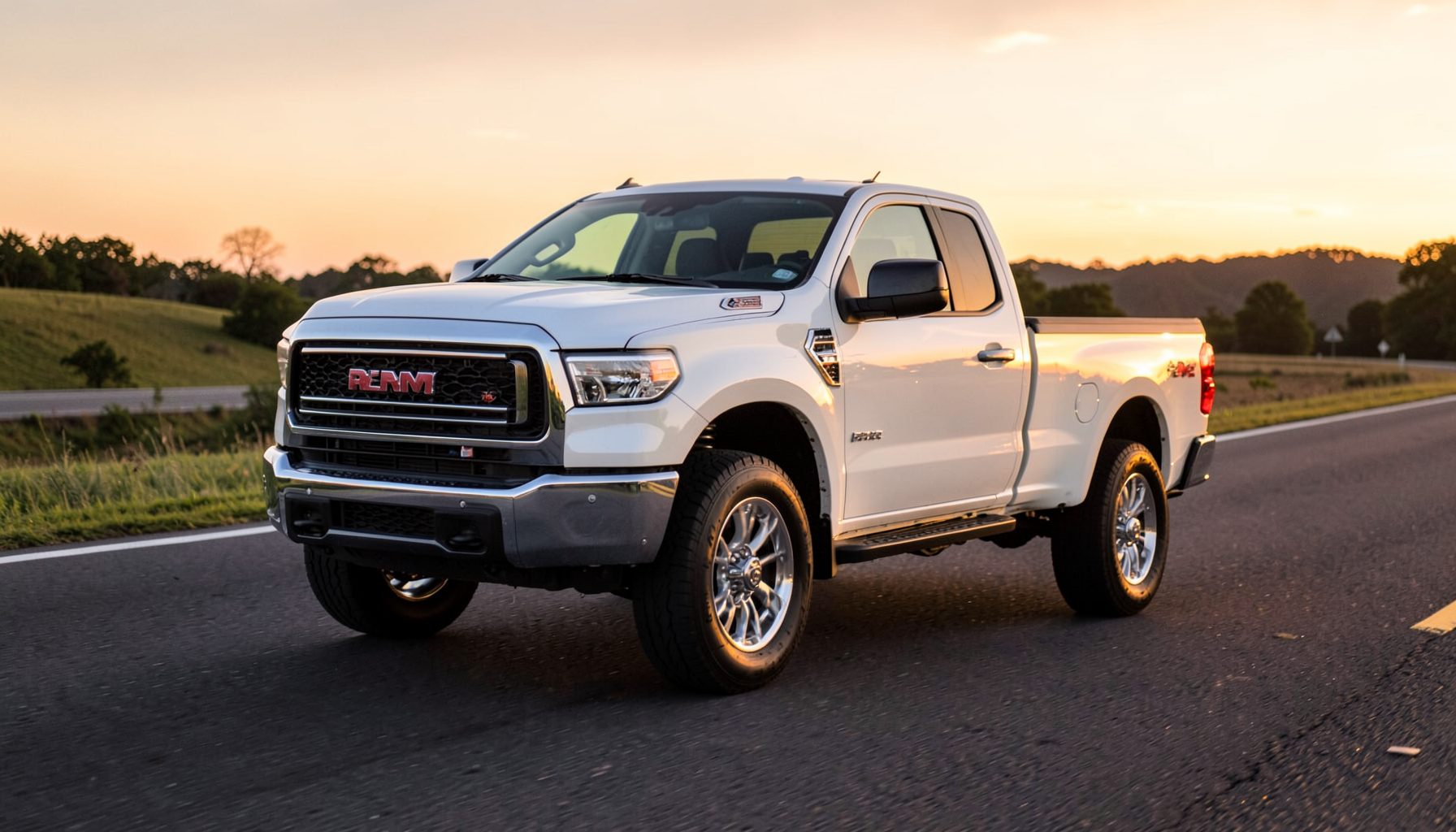
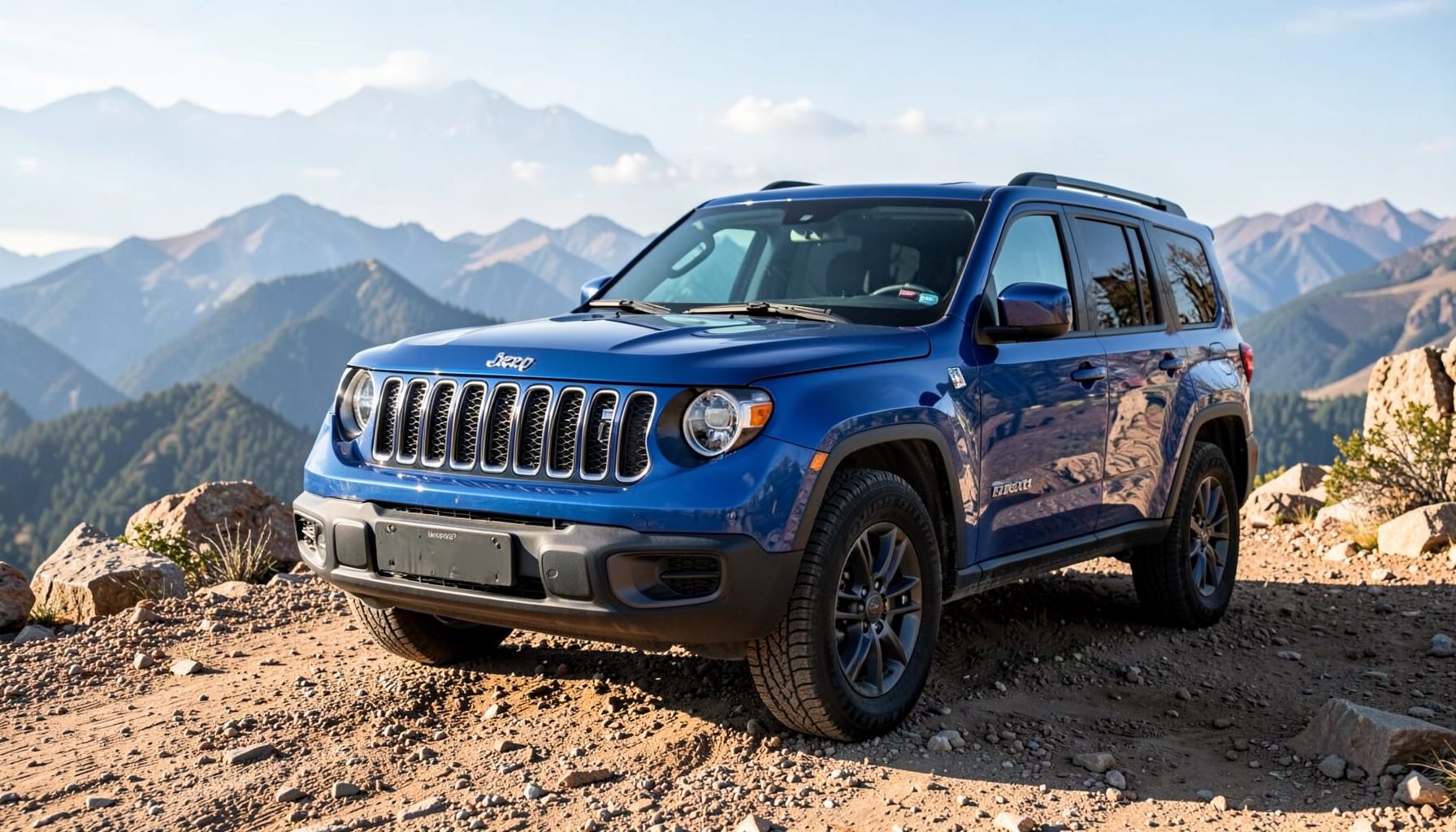
The Jackson dealership represents Dodge, Jeep, Ram, Mitsubishi, Chrysler and Hyundai, giving shoppers access to new and used cars, trucks, SUVs and vans on one lot. It also provides financing, special offers, trade-in assistance and a service department staffed by trained technicians using genuine parts, so support does not disappear immediately after the keys change hands.
Shoppers can browse the used inventory and compare body styles, prices and equipment before requesting a test drive or valuation. Seeing several similar vehicles at one location also makes condition and price differences easier to assess, particularly when comparing dealer stock with a private listing that offers less opportunity for comparison.
Checks that reduce hidden surprises
A private seller may have kept receipts, but the documentation can be incomplete, selective or stored elsewhere. A dealership is more likely to have the VIN, title history, service files, finance status and equipment details in one place. Ask questions in writing so that the answers become part of the purchase record rather than relying on a verbal assurance made beside the car.
Useful checks include:
- Confirm the VIN and identity: match the VIN on the vehicle to the title, registration and bill of sale, and ensure any lien has been released.
- Use an independent inspection: a qualified pre-purchase mechanic should examine the engine, transmission, brakes, tyres, suspension and bodywork, even when buying from a dealer.
- Review maintenance evidence: compare service records with the odometer and ask the manufacturer or dealer about unresolved recalls or known faults.
- Trace ownership and damage: check title history and available vehicle-history reports for mileage inconsistencies, salvage indicators or major accidents.
These checks do not make a used vehicle risk-free. They reduce the chance of buying without evidence. The advantage of a dealer is accountability: there is an identifiable business behind the sale, a written contract and a service location to return to if a disclosed issue needs attention. A good dealer will also encourage an independent inspection and explain anything that cannot be confirmed.
Financial details worth comparing
A private seller can set an aspirational price and negotiate from a position of scarcity. A dealer should provide the agreed selling price in writing, along with taxes, registration, documentation charges and any dealer fees. For a buyer in Australia, add freight, marine insurance, import charges and local compliance to either quote before comparing them; the advertised purchase price alone is not the landed cost.
For eligible customers, the dealership’s financing options can place the vehicle, trade-in and credit decision in one process. That convenience should not be confused with universal approval: US lenders may require US income, residence and credit history, so an Australian buyer should confirm eligibility, currency and repayment terms before relying on a monthly-payment figure.
Compare these points:
- Vehicle price: obtain a written breakdown showing any tax, registration, dealer and documentation fees.
- Finance terms: check the interest rate, term, monthly instalment, final balloon, fees and early-repayment conditions.
- Trade-in figure: separate the price of the replacement vehicle from the valuation or credit allowed for the current vehicle.
- Return terms: read the advertised 3 Day Money Back Guarantee, including eligible vehicles, exclusions and any time or location limits.
A private seller may accept cash or arrange finance through a third party, but the buyer then carries more of the transaction risk. Compare the full amount repayable, not just the monthly instalment, and do not treat a discount as meaningful if a different warranty, inspection or ownership cost has been added.
Australian roads, import rules and local value
Australian preparation can change the value of a Tennessee purchase. Vehicles in the United States are generally left-hand drive, while Australians drive on the left. Importing a left-hand-drive vehicle into a right-hand-drive country is possible only through the applicable approval process, and any modification must meet local standards. A used-car compliance engineer, state registration authority, insurer and mechanic should be involved before the vehicle is treated as road-ready.
The odometer also needs careful interpretation. A Tennessee vehicle records miles, whereas most Australian buyers think in kilometres; one mile equals 1.609 kilometres. A low-mileage US reading does not show how the vehicle has been used after import. Heavy corrosion, accident repairs, modified suspension or aftermarket electronics can matter more to Australian buyers than the original trim level does.
Importing privately or through a dealer does not avoid the border process. Customs entry, quarantine, shipping, applicable duty and GST, compliance work and local registration can add thousands of Australian dollars, depending on the vehicle and its eligibility. Obtain specialist advice and written estimates before paying a deposit, and confirm in advance that the particular vehicle can lawfully enter Australia.
Established markets such as Melbourne, Sydney, Brisbane and the Gold Coast already offer extensive new and used vehicle choice from franchised and independent dealers. A locally registered right-hand-drive vehicle may have Australian service history, established warranty support and no freight or import bill, making it better value than an imported private sale. Australian Consumer Law and state motor-vehicle protections also depend on where the supplier and transaction fall, so a direct US purchase should not be assumed to carry the same statutory cover as an Australian dealer sale.
When a private sale still makes sense
A private sale has real merits. There may be no dealer margin to fund, an owner may know the vehicle’s history intimately, and a local buyer can test it without travel, freight or import complications. Direct contact can also make negotiations more personal and may produce a lower acquisition price when a private listing is correctly priced.
The buyer inherits more of the risk. There is usually no dealer-funded inspection, general warranty, trade-in support or after-sales facility, and a private sale is commonly made on an as-is basis. Identity, title, liens, odometer history and payment can all become problems if the seller is unknown. For an overseas buyer, sending a deposit to an individual before verifying the vehicle and ownership adds another layer of risk.
None of this means private sellers are dishonest or that every dealer listing is sound. A private transaction can be reasonable when the vehicle has a clear history, the buyer obtains an independent inspection, the paperwork is complete, funds can be traced and the price reflects the market. The attraction is control and potentially a lower bill; the trade-off is that the buyer supplies most of the protection.
Making a risk-based decision
Compare the offers as complete proposals. For an Australian buyer, include the vehicle price, trade-in credit, finance charges, freight, insurance, compliance, registration, initial servicing and likely repairs. A private seller’s lower number can still be the better deal if the extra dealer cost buys useful inspection, a clearer contract and dependable local support.
Choose a dealership when accountability, after-sales care and reduced administrative risk matter more than saving a small amount upfront. Alan Vines gives buyers access to specialist technicians, genuine parts, trade-in help and vehicle valuation tools, while its advertised protections can be considered as part of the offer. Verify every term in writing and keep an independent mechanic involved, especially for an imported or older vehicle.
The point to remember is simple: a private sale may cost less on paper, but a reputable dealership can reduce uncertainty and remain accountable after the sale. Judge the vehicle by evidence, the agreement by its full terms and the purchase by its landed cost, rather than assuming that the words “private seller” or “dealer” decide the outcome.