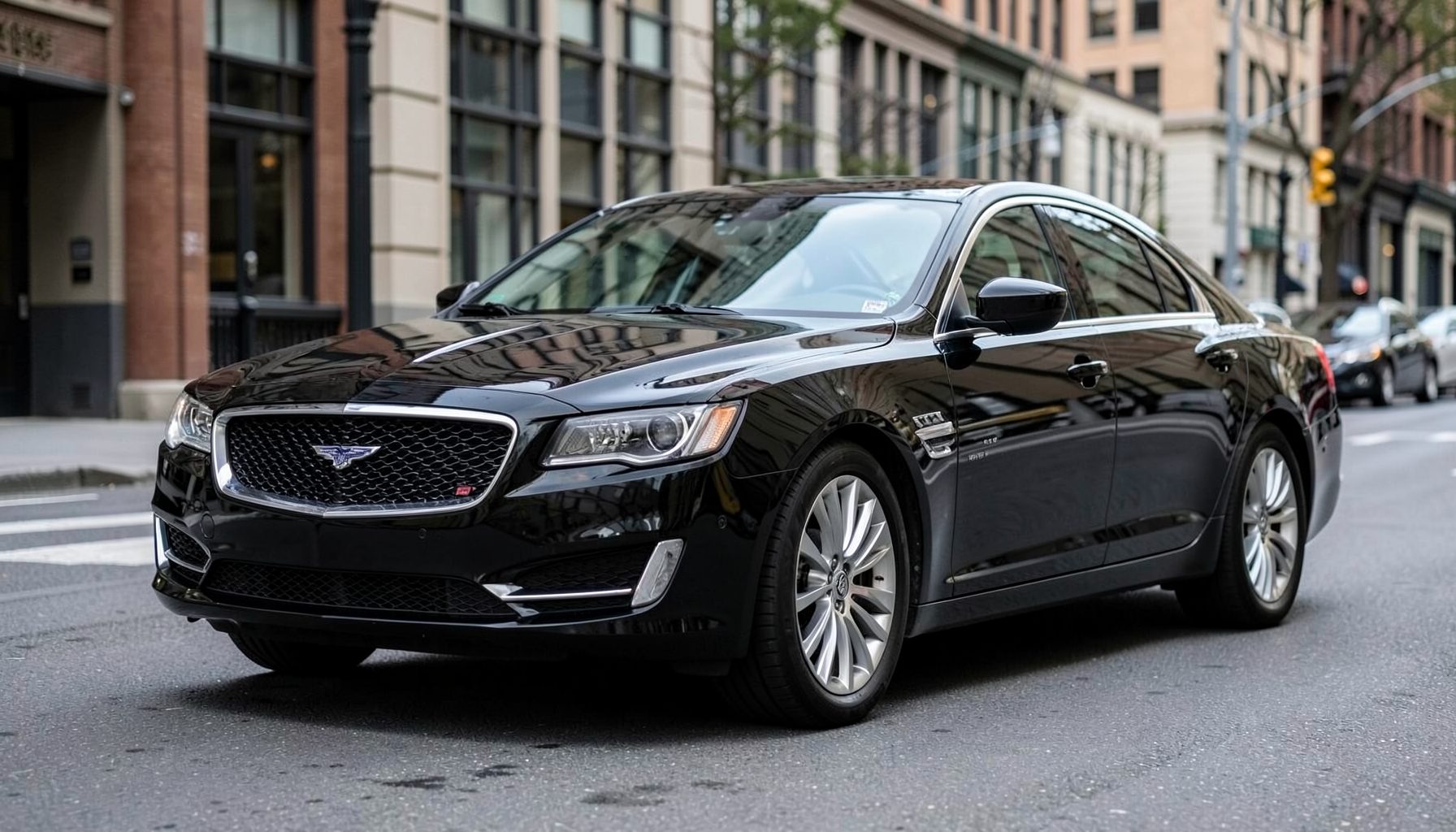
Why a Certified Pre-Owned Hyundai Elantra Is a Smart Buy
The Australian love affair with the open road means most households rely on a dependable daily driver, and the used car market across the country remains as competitive as a Saturday morning auction at the local car yard. With the cost of living continuing to bite in cities like Sydney and Melbourne, more buyers are turning away from shiny new showroom models and looking toward vehicles that deliver the same experience without the hefty depreciation hit. Among the contenders in the compact sedan segment, the Hyundai Elantra has carved out a loyal following for its blend of efficiency, comfort, and straightforward ownership costs.
When a car wears the "Certified Pre-Owned" badge, it signals a higher standard than your average second-hand purchase. Australian consumers have grown wise to the gap between a private sale and a manufacturer-backed used vehicle, particularly as the country lacks the same statutory warranty protections found in some other markets. A CPO Elantra from a reputable dealer bridges that gap, offering fair dinkum peace of mind that a quick gumtree listing simply cannot provide.
The Elantra itself has spent more than a decade proving itself on everything from the steep streets of Hobart to the flat bitumen of the Nullarbor, and its reputation for reliability has only strengthened with each generation. Add the certification process, and the result is a compelling option for first-time buyers, downsizers, or anyone after a fuss-free commuter that doesn't demand constant attention from the local workshop.
Decoding the certified pre-owned label
A certified pre-owned vehicle is not simply a used car that has been wiped down and parked under a "For Sale" sign. The process typically begins with a comprehensive multi-point inspection covering mechanical components, safety systems, cosmetic condition, and onboard technology. For Hyundai, this usually means a trained technician working through a checklist that includes everything from brake pad wear to infotainment functionality, ensuring the car meets factory standards before it earns the CPO designation.
Any components that fail to meet those standards are repaired or replaced using genuine manufacturer parts rather than aftermarket alternatives. This matters because non-genuine parts can affect how a vehicle performs and may even void certain warranty protections. The inspection also produces a complete vehicle history report, giving buyers transparency about previous ownership, service records, and any incidents the car may have been involved in.
The end result is a car that drives, feels, and presents almost like new, yet carries a significantly lower price tag. For Australian buyers who might be wary of hidden problems in a private sale, the certification removes much of the guesswork.
The financial logic behind buying CPO
New cars lose a substantial portion of their value the moment they leave the dealership forecourt, and depreciation remains one of the largest expenses associated with vehicle ownership. A vehicle that is two or three years old has already absorbed that initial drop, meaning buyers can let someone else take the hit while still enjoying a car that looks and drives like recent production.
Insurance premiums also tend to be lower for used vehicles, as the agreed or market value the policy is based on is smaller. Comprehensive cover for an Elantra that originally listed at $32,000 but is now worth $18,000 will typically cost less per year than cover for a brand-new model at full sticker price. Registration costs in most states are calculated on a sliding scale, with older vehicles attracting lower fees, though this varies between NSW, Victoria, Queensland, and other jurisdictions.
The savings achieved through these reduced ownership costs can free up budgets for other priorities, whether that means an extra holiday, home improvements, or a flutter at the casino bonus land for those who enjoy the occasional punt. Few financial decisions deliver the same immediate impact as choosing a CPO vehicle over a new one.
Why the Elantra suits Australian conditions
Australia's vast distances and varied climates put specific demands on vehicles, and the Elantra has earned its stripes in this environment. Modern Elantra models achieve competitive fuel economy figures, typically hovering around 6 to 7 litres per 100 kilometres on the combined cycle, which keeps running costs manageable for drivers clocking up big mileage between capital cities and regional towns.
Safety has become a defining feature of the model, with recent generations earning high marks in ANCAP testing. Standard equipment often includes multiple airbags, electronic stability control, autonomous emergency braking, and lane-keeping assistance, technology that would have been exclusive to luxury brands only a few years back. These features matter whether navigating peak-hour traffic in Brisbane or tackling a wet highway stretch through the Hunter Valley.
The cabin is well laid out for everyday practicality, with generous boot space, comfortable seating, and user-friendly infotainment that supports both Apple CarPlay and Android Auto. While the Elantra suits most drivers comfortably, taller Australians might want to look at the Santa Fe if they need extra headroom and a higher ride height for their particular needs.
Warranty protection and roadside assistance
One of the strongest arguments for choosing a certified pre-owned Elantra over a private purchase is the warranty coverage that comes with it. Hyundai's original five-year unlimited kilometre coverage may have partially expired on a used model, but CPO programs typically extend protection or offer a separate limited warranty for added peace of mind. This means unexpected repair bills are less likely to land in the owner's lap during the early years of ownership.
Many CPO packages also include complimentary roadside assistance, covering everything from flat batteries to towing if the vehicle breaks down. In a country where the nearest service centre could be a long drive away, particularly in regional Western Australia or the Northern Territory, this support carries real practical value. A breakdown in remote areas can become a serious matter, and having a manufacturer-backed safety net provides reassurance that independent warranty products often cannot match.
Buyers should always check the specific terms of the CPO coverage, as conditions and inclusions can vary between dealerships and program generations. Reading the fine print ensures there are no surprises when the car needs attention.
How CPO compares to other used car options
Private sellers remain a common source of used vehicles in Australia, with online marketplaces and local noticeboards full of tempting listings. The appeal of a lower purchase price is real, but it comes with risks that dealer transactions simply do not carry. Private sales typically exclude any warranty protection, meaning buyers bear the full cost of repairs that might be needed shortly after taking delivery.
Auction purchases can deliver attractive prices, but they usually offer no test drive, limited history, and no recourse if problems emerge. Vehicles sold through this channel may have mechanical issues, write-off histories, or outstanding finance that becomes the new owner's problem to resolve. The savings on the purchase price often evaporate once these factors are taken into account.
A certified pre-owned vehicle eliminates these concerns through transparency and manufacturer backing. The slightly higher asking price reflects the inspection, reconditioning, and warranty that accompany the sale. For most Australian households, this trade-off delivers better long-term value than chasing the lowest possible sticker figure.
Living with the Elantra day to day
Once the purchase is complete, the Elantra proves remarkably easy to live with. Service intervals are reasonably spaced, typically every 12 months or 15,000 kilometres, and parts availability across the Hyundai network in major centres like Adelaide, Perth, and Canberra is strong. Even with Hyundai's reliability, regular servicing keeps things ticking along nicely, and understanding what a tune-up covers can help owners stay ahead of small problems before they become wallet-draining repairs.
Insurance for the Elantra tends to sit in affordable brackets, particularly for drivers with clean records. Several Australian insurers offer specific policies for used vehicles, and the Elantra's safety credentials help keep premiums lower than they would be for older or less well-equipped alternatives. Resale value also holds up well, as the model's reputation means demand remains steady in the second-hand market.
For anyone considering the switch from new to used, the certified pre-owned Elantra offers a pathway that combines reliability, value, and reassurance. Visiting a dealership, asking for the certification paperwork, and taking an extended test drive through suburban streets and freeway conditions provides the clearest picture of whether the specific vehicle is the right fit. Those few hours of due diligence typically save years of regret and ensure the purchase delivers trouble-free driving across Australia's wide brown land for many kilometres to come.