Genuine Parts for Ram Truck Repairs
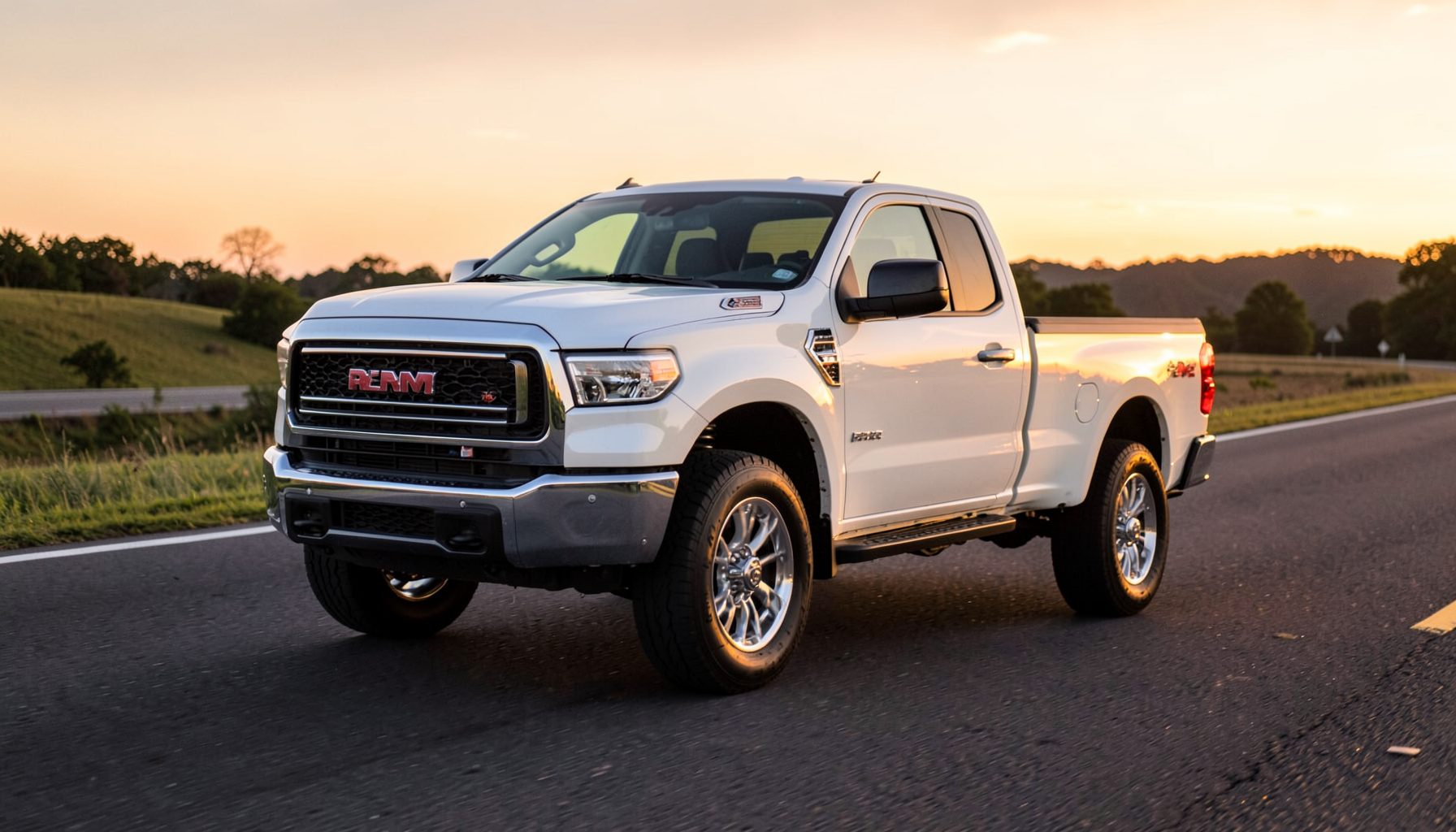
Keeping a Ram truck dependable means treating replacement components as more than routine commodities. The benefits of using genuine parts for your Ram truck repairs come from precise fit, predictable performance and clear provenance, especially when the vehicle carries passengers, tools or heavy loads through country roads.
Genuine OEM parts are made to the vehicle manufacturer’s original engineering and quality standards. That does not make every aftermarket component unsafe or unaffordable, nor does fitting a genuine part guarantee a successful repair. The deciding factors are compatibility, the fault being corrected, diagnostic accuracy and the warranty attached to both parts and workmanship.
Australian conditions make those factors especially relevant. A working ute may travel long stretches between towns, tow a caravan or spend its life on red dust and corrugated roads. Heat, vibration, heavy loads and infrequent servicing can expose weak components that appeared acceptable during a short suburban drive.
Alan Vines Automotive Group in Jackson, Tennessee, pairs trained technicians with genuine parts in its service department. Although the dealership serves the Jackson market, the same ownership principles apply in Australia: insist on the correct part, a clear diagnosis and documentation that protects the vehicle’s safety, resale value and reliability.
Why the right parts change the repair
A failed component is only the first event in a repair. The second is what gets fitted, how closely it matches the original design and whether the technician can verify the repair. Genuine OEM parts for a Ram give the workshop a documented specification for materials, dimensions and tolerances, reducing the guesswork involved when a component has already failed.
Compatibility extends beyond shape. A service provider should match the part to the VIN, model year, build date, engine, axle ratio and other configuration data. A sensor, brake component, wiring connector or suspension item that looks similar can behave differently. VIN-specific ordering matters most for electronic modules, emissions equipment and driver-assistance components, where software and calibration can be as important as physical dimensions.
Sometimes damage makes a repair uneconomic, and a replacement vehicle is the sensible path. Owners can browse current vehicles on the Alan Vines site, compare body styles and drivetrains, and assess whether buying a suitably equipped truck costs less than restoring the damaged one. For a Ram used for towing, payload, genuine towing equipment and correct axle choice deserve the same attention as the purchase price.
Safety, performance and vehicle longevity
The strongest case for genuine parts begins with safety-critical systems. Brake pads, discs, calipers, steering components, wheel bearings and suspension fasteners are designed as parts of a system rather than isolated objects. Matching materials and dimensions supports consistent braking, steering response and load control, especially when a truck is carrying a full load, passengers or a caravan on steep grades.
Modern Rams also use electronic sensors, cameras, control modules and wiring that communicate with each other. Replacing a failed radar sensor with a compatible alternative may restore the physical part without restoring its original communication range or calibration. Genuine components provide a stronger baseline for these systems, while manufacturer diagnostic equipment allows the technician to confirm that the fault has been cleared and required software updates completed.
A correctly matched replacement can also reduce premature wear on nearby components. A genuine water pump, thermostat, wheel bearing, brake caliper or suspension bushing is engineered around the operating environment of the original design. That supports longer service intervals, more predictable fuel use and fewer repeat visits, although no component can compensate for neglected maintenance or rough conditions.
Where fit and compatibility matter most
Suspension and towing repairs are particularly revealing. A modified or heavily loaded Ram may sit at a different ride height from the factory setup, and axle, spring and shock specifications can vary between variants. In Australia, where a pickup is often called a ute, owners may also change springs, add a tow bar or carry loads that exceed the vehicle’s standard configuration. Original parts provide a known starting point for correct geometry and steering alignment.
Under-bonnet reliability is equally important on a long trip between Alice Springs and Darwin. Cooling, lubrication, charging and intake systems must continue working through extreme heat, dust and long distances between service centres. Genuine gaskets, seals, filters and electrical components are selected for the engine and its operating environment. An aftermarket part can still perform well, but it should meet relevant Australian standards and be supported by clear compatibility evidence.
Body and sealing parts affect more than appearance. A genuine door seal, tailgate component, bumper or electrical connector may be needed after collision damage, and matching materials can limit water intrusion, corrosion and wind noise. For an imported right-hand-drive Ram, a qualified local workshop should also assess lighting, driver-assistance systems, emissions equipment and any modifications for Australian road compliance. A genuine component alone does not establish compliance.
Understanding repair costs and warranties
A useful repair quote separates diagnostic time, labour, replacement parts, consumables and taxes. In Australia, customers should confirm whether GST is included and whether fluids, filters, hardware or related work are part of the quoted total. A lower headline estimate can become expensive if it omits the very components needed to complete the repair. Clear itemisation also makes it easier to compare quotations for the same fault.
Parts coverage and workmanship coverage should be treated as separate protections. A genuine part may carry a limited manufacturer or supplier warranty, while the workshop is responsible for the installation and its diagnostic work. Ask for the duration, exclusions and claim process in writing. The Australian Consumer Law also provides statutory protections for goods and services, so unresolved quality or workmanship issues may have legal remedies.
Price transparency supports better decisions, not simply lower spending. Labour rates, diagnosis, parts availability and the complexity of the repair all influence the bill, but the customer should still receive a written explanation of what is being replaced and why. The principles in this guide to negotiating a fair price apply to vehicle purchases and can also inform comparisons between repair quotes.
Choosing a parts and service provider
A provider should be able to explain where each component comes from and why it fits. A written repair quote should show:
- The exact part description, quantity and whether it is OEM, genuine remanufactured or aftermarket
- Labour, diagnostic charges, consumables and GST shown separately or clearly included
- The parts warranty and workmanship cover that apply
- Any supplementary work that requires further approval
Capability matters as much as part provenance. Evidence of a competent service process includes:
- Manufacturer-specific diagnostic tools and access to reliable service information
- VIN and build-date verification before parts are ordered
- A record of inspection, testing and final road checks
- A clear process for recalls, service campaigns and warranty claims
Aftermarket parts remain a legitimate option for some work, but their standards, brand and warranty should be visible on the quote. A repairer who explains why an alternative component suits the application is making a stronger case than one who simply labels everything genuine. If a prolonged repair leaves the owner needing another vehicle, the dealership’s guide to using special offers can help make a more informed replacement purchase.
A practical decision before the workshop
The best repair decision balances part quality, diagnostic accuracy, labour and long-term ownership cost. Genuine parts are usually the strongest choice for safety-critical assemblies, complex electronics, wear components and repairs under an active warranty. Well-documented aftermarket alternatives may also be sensible where the application is straightforward and the supplier, standards and coverage are clearly established.
Keep the repair file as carefully as the service record. It should identify the VIN, list every part fitted, retain warranty documents and show that specified inspections were completed. Receipts and invoices create useful evidence when a fault returns, an insurer is involved or the truck is sold, particularly for an imported vehicle whose history buyers may want to verify.
The practical takeaway is straightforward: a dependable Ram repair combines the correct component, a qualified diagnosis and clear written protection, giving the owner better value than the cheapest isolated replacement.