Test Drive or Extended Test Drive: A Buyer’s Guide
The difference between a test drive and an extended test drive comes down to time, route and expectations. A short loop can show whether a vehicle feels comfortable and whether its controls make sense. A longer trial can reveal how it handles a full commute, heavy traffic, sustained highway speeds and the less glamorous parts of daily use. The extra time is useful only when the dealer has agreed to the arrangement and its conditions are understood.
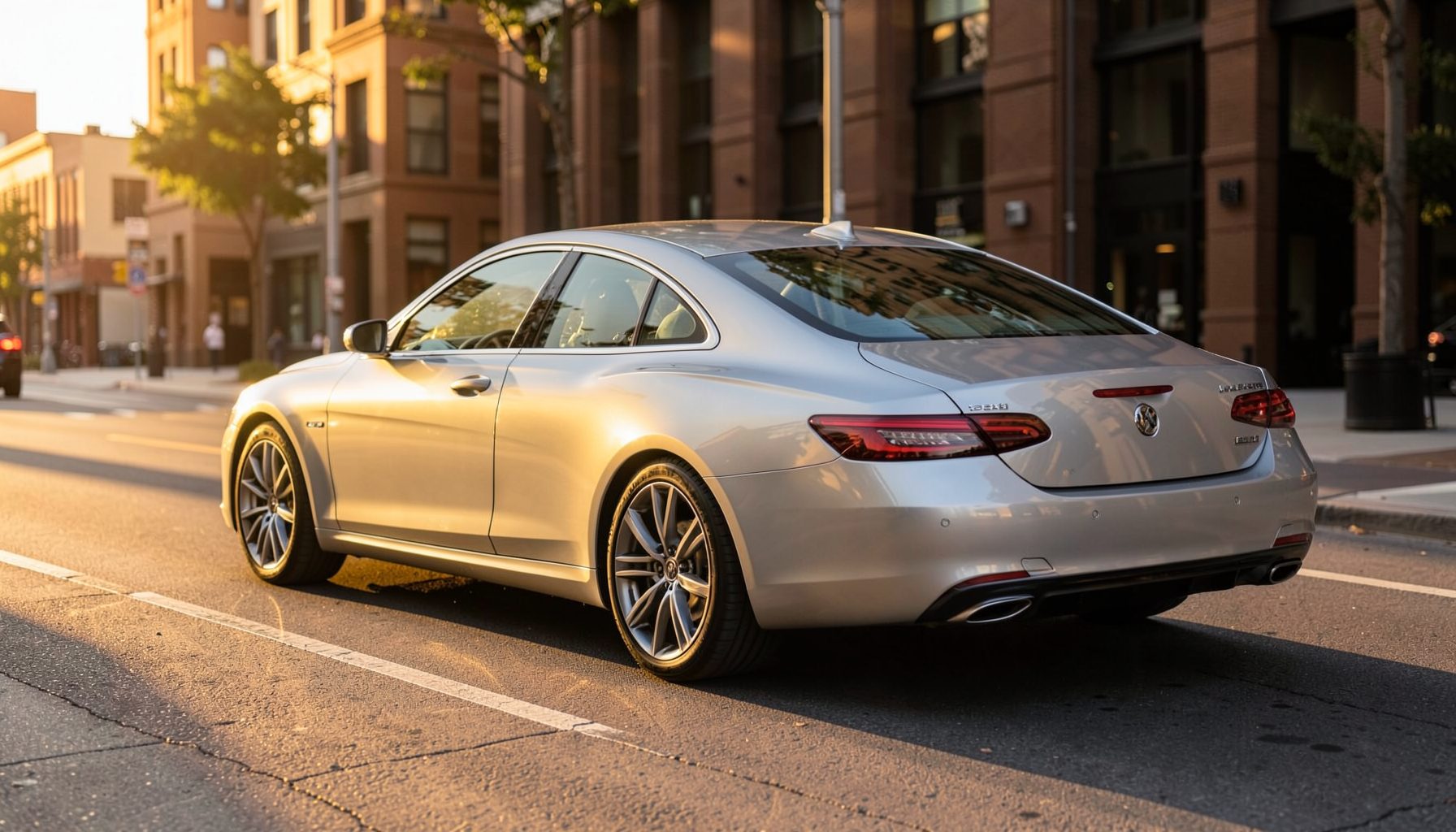
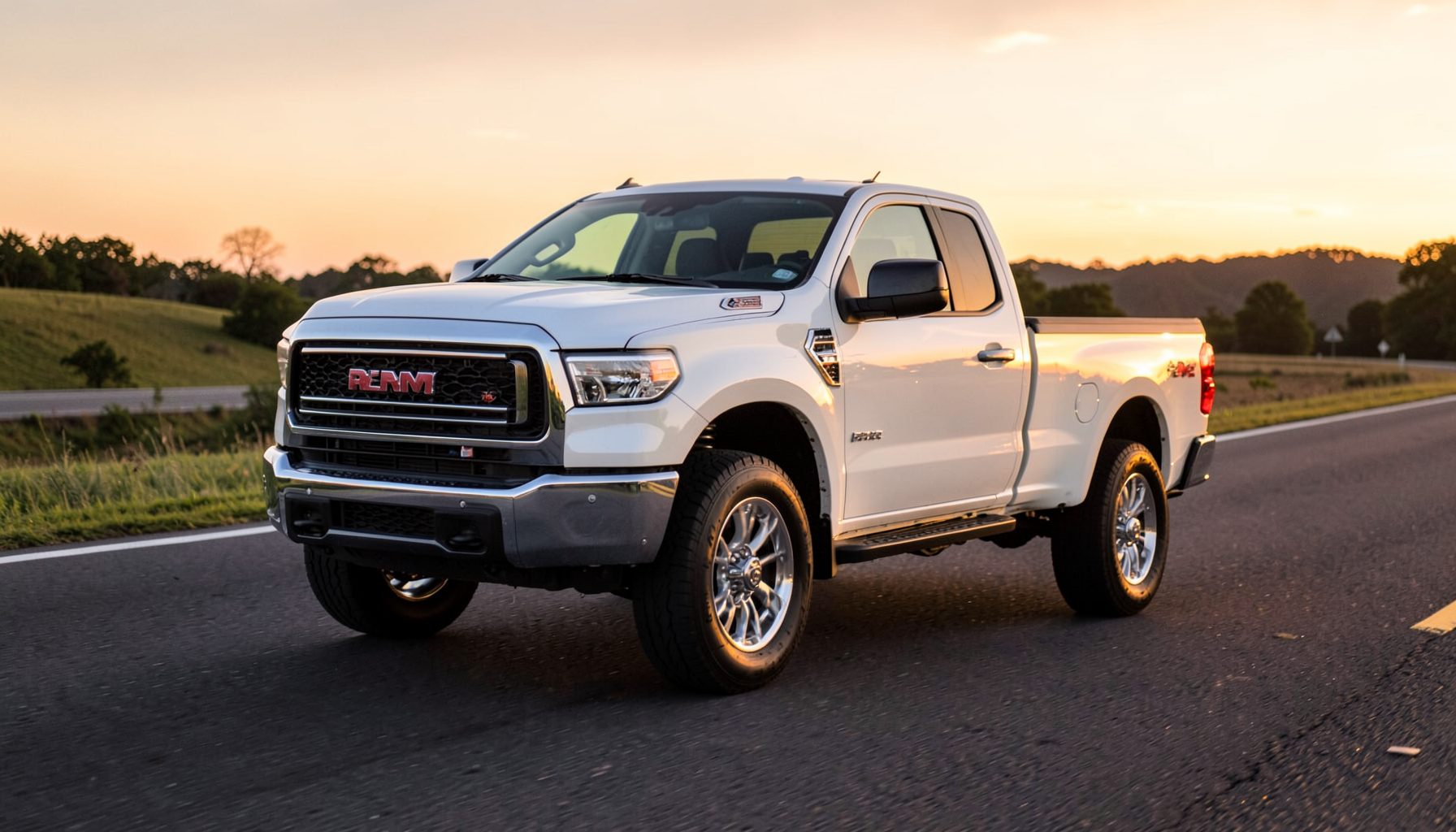
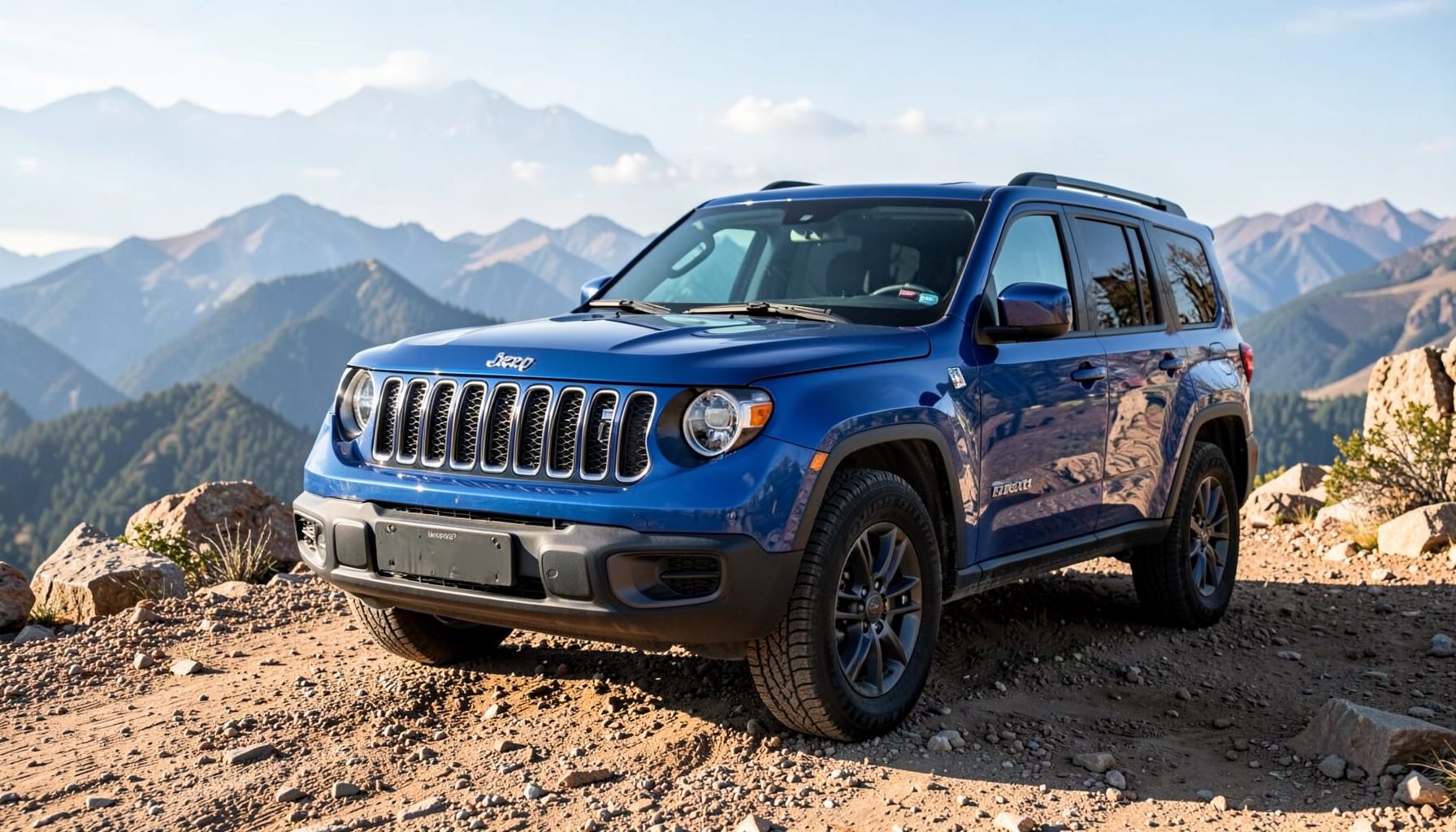
For Australians evaluating a vehicle from Jackson, Tennessee, this distinction matters even before the keys change hands. A U.S.-market Dodge, Jeep, Ram, Mitsubishi, Chrysler or Hyundai is left-hand drive, whereas Australian traffic keeps left and most passenger cars sold here have the steering wheel on the right. A local trial can reveal condition and comfort, but it cannot reproduce every Australian road condition or rule. Understanding each type of drive helps a buyer decide what the experience can prove and what still needs separate checking.
What a Standard Test Drive Covers
A standard test drive is usually a dealership-arranged outing lasting around 15 to 30 minutes, depending on the dealer and vehicle. The dealership provides the car, verifies that the driver is properly licensed and insured, and explains the route. A salesperson often accompanies the driver to answer questions. Its main purpose is comparison: how the engine responds, how the brakes feel, how much visibility the driver has and whether the seating position suits different body shapes.
In Australian parlance, a quick squirt means a brief spin around the block. That format works well for an initial impression, but it reveals little about seat comfort over a long shift, air-conditioning performance on a hot day or the way a truck settles after an extended highway run. It also says little about cargo loading, reversing with a trailer or how the vehicle copes with uneven surfaces.
A short drive should never be confused with a mechanical inspection. A smooth road can hide a worn CV joint, steering issue or suspension noise, while a warm engine may be more revealing than a cold start. For a used vehicle, a pre-purchase inspection and a review of the service history remain essential. The drive explains how the car feels in motion; the inspection provides evidence about its mechanical condition.
What Changes in a Longer Trial
An extended test drive provides more time and, usually, more varied conditions. Its meaning depends on the dealership: it might cover several hours, include a highway run or allow a defined overnight or multi-day arrangement. A longer route can also reproduce a home-to-work commute, a school run or a regional trip. Availability is limited, so this option should never be assumed to be included with every vehicle.
The greater value comes from repetition. Driving through stop-start traffic, over a steep hill, across a rough surface and along a long highway stretch can reveal cabin rattles, brake fade, steering pull, overheating or troublesome electronic features. It also gives the driver time to learn the cruise control, reversing camera and parking sensors before depending on them. An Australian buyer accustomed to kilometres per hour must read the U.S. mph display carefully rather than assuming the same numbers represent familiar speeds.
Longer is not automatically better. It adds confidence only when the rules are clear. Ask Alan Vines Automotive Group whether a longer trial is available for the particular vehicle, which routes are approved and whether insurance, a return time, a mileage limit and responsibility for new damage are specified. If the car is destined for Australia, confirm that the permission applies to the actual driver and intended country of use. A standard drive should never be assumed to include an overnight or multi-day loan.
Australian Road Realities and Vehicle Fit
Driving position is the first adjustment for many Australians. Australian traffic keeps left, and a U.S.-market vehicle from Alan Vines Automotive Group has the steering wheel on the opposite side. Before setting off, check pedal reach, steering-wheel reach, mirror visibility and the location of the gear selector. Indicators and wipers often operate on different sides from those in an Australian vehicle, making a longer trial useful for building correct habits rather than relying on muscle memory.
Local conditions also influence what needs testing. Melbourne’s hook turns and busy tram corridors, Sydney’s stop-start traffic and regional routes around Victoria each create different visibility and comfort demands. A car that feels manageable on a quiet Tennessean street may still feel awkward in a narrow urban street. Where possible, include a difficult reverse, a multi-storey car park and a sustained highway section that resembles the driver’s normal journey.
Start with a shortlist that makes the drive worth doing. The dealer’s online inventory can be checked alongside its valuation tools and current bargain vehicles, but an advertised price or online estimate remains a starting point rather than a guaranteed result. Current special offers, trade-in assistance and finance terms should be compared for the same vehicle because each changes the effective purchase cost. If importing to Australia, add freight, compliance work, state registration and local roadworthiness requirements to the comparison rather than considering the advertised price alone.
A Practical Checklist for a Longer Trial
Agreement before the drive prevents most misunderstandings. The ideal extended trial is planned around the owner’s actual use, with the vehicle, driver and insurance approved by the dealer. Where the vehicle is intended for export, the discussion should also cover insurance while abroad and whether the test-drive permission applies only while the car remains in the United States.
- Confirm the duration, route, approved driver and insurance requirements in writing, including whether an overnight, multi-day or commute-style drive is actually permitted.
- Arrange the same drive in each shortlisted vehicle, using comparable traffic, weather and roads, and allow enough time for both city and highway sections.
- Check the driving position, pedals, steering reach, mirrors, indicators, wipers and reversing aids before relying on unfamiliar U.S. controls.
- Listen and feel for rattles, vibration, steering pull, braking problems, cooling faults and unusual noise while the engine warms and works hard.
- Agree on fuel, mileage, cleaning and damage rules, and record the odometer and fuel level at handover and return.
- Review the inspection, service history, valuation, finance terms, guarantee conditions and total purchase costs before agreeing to buy.
The checklist should cover more than comfort. For a truck, SUV or van, confirm the payload and towing limits against the intended use, then examine how the load affects braking and steering. For a passenger vehicle, check rear-seat space, child-seat compatibility, storage capacity and whether the infotainment system supports the driver’s preferred map or phone functions. These details can determine whether a vehicle suits daily life regardless of how pleasant it feels during a short demonstration.
What the Drive Can and Cannot Prove
A longer trial is strongest when paired with evidence. It can expose symptoms that a brief drive misses, but it cannot establish the condition of components that have not been tested or replace a pre-purchase inspection. Alan Vines Automotive Group’s service department uses trained technicians and genuine parts, while its 3 Day Money Back Guarantee, financing and trade-in assistance each carry their own requirements. Those terms should be read before the drive as well as before the purchase.
The distinction should stay clear: a standard drive is a brief, supervised comparison, while an extended test drive is a longer, approved trial of the vehicle in more varied conditions. Neither proves that a used vehicle will remain trouble-free. The point to remember is that the strongest buying confidence comes from a meaningful drive supported by inspection evidence, not from distance behind the wheel alone.