The history of Dodge muscle cars and what they mean today
Few American automotive stories are as recognizable as Dodge’s muscle car legacy. From broad-shouldered coupes with powerful V8 engines to modern performance cars with computer-controlled traction and supercharged output, Dodge has repeatedly connected everyday transportation with straight-line excitement. Its muscle cars were built for speed, but they also became symbols of independence, style, and mechanical confidence.
That history matters when looking at today’s Dodge lineup. A modern performance model carries decades of design cues, engineering decisions, racing influence, and cultural meaning. Even shoppers considering a practical SUV, pickup, or used vehicle can see the same spirit in the brand’s willingness to make transportation expressive.
For drivers in Jackson, Tennessee, the appeal is practical as well as emotional. A vehicle can offer strong performance while still fitting commuting, family travel, or weekend use. Understanding where Dodge muscle cars came from makes it easier to appreciate what current vehicles deliver and what to look for when choosing one.
The roots of Dodge performance
Dodge entered the muscle car conversation during the 1960s, when American automakers were competing to produce affordable cars with increasingly powerful engines. The formula was straightforward: place a large-displacement V8 into a midsize or relatively accessible body, give it an assertive appearance, and make performance available to a wider group of buyers.
The 1966 Dodge Charger helped establish the brand’s performance identity. Its fastback shape, hidden headlights, and available V8 engines gave it a distinctive presence. The Charger was more than a family coupe with extra horsepower; it presented speed as part of the vehicle’s entire personality. That combination of design and performance became central to Dodge’s approach.
The Dodge Coronet also played an important role. Available in several body styles and engine configurations, it demonstrated how a familiar American car could become a serious street performer. The R/T versions brought larger engines, sportier trim, and a stronger connection to drag racing culture. These models helped define the classic muscle car as a vehicle that could be useful Monday through Friday and exciting on the weekend.
Charger, Challenger, and the golden era
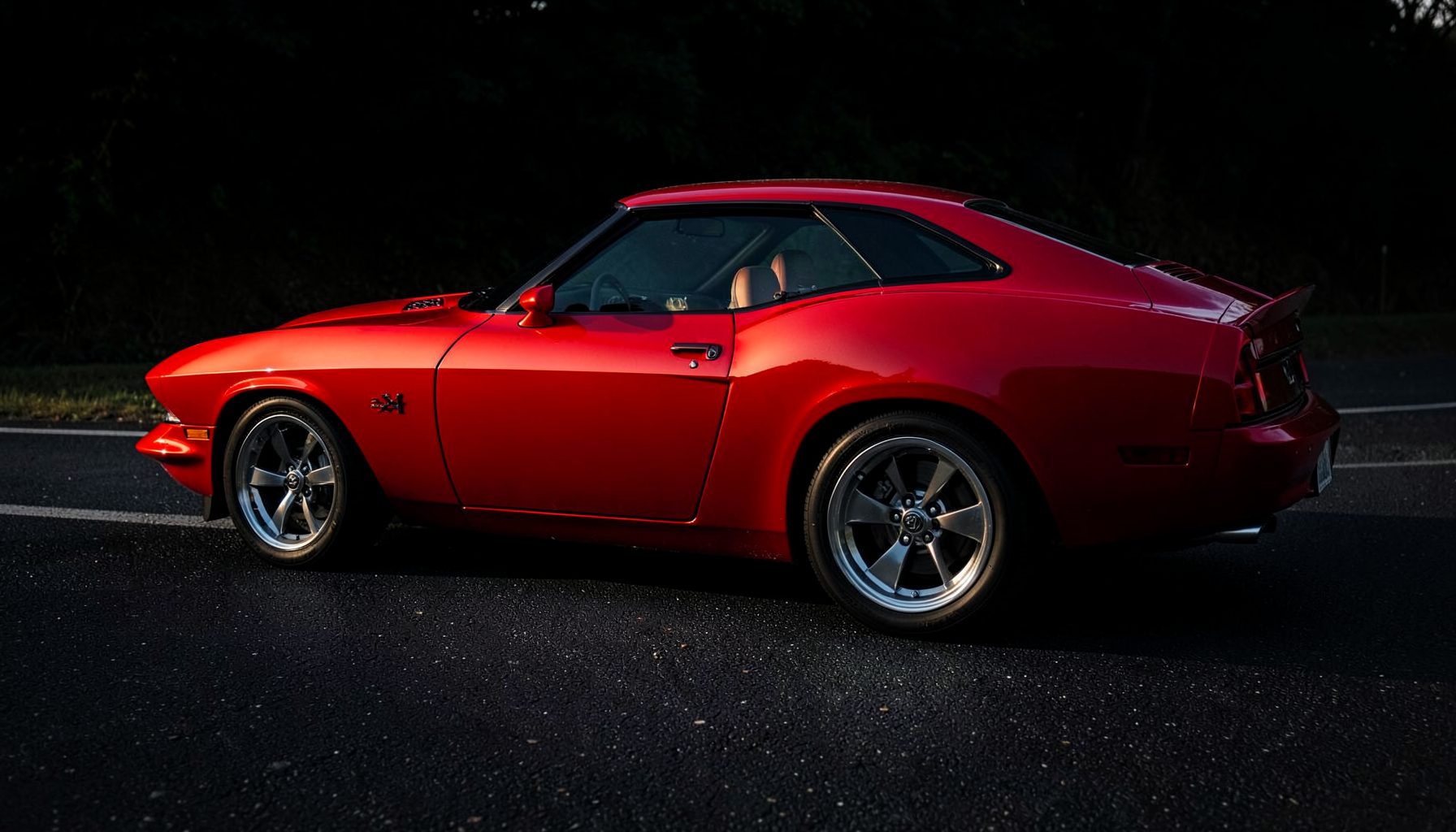
Dodge’s most famous nameplates became especially influential at the end of the 1960s and the beginning of the 1970s. The 1968 Charger introduced a more sculpted, aggressive design, while the 1970 model became one of the most recognizable cars of the era. Its long hood, recessed grille, and broad stance communicated performance before the engine was even started.
The Dodge Challenger arrived for 1970 as a direct rival to other popular pony cars. It offered a wide range of engines, from practical six-cylinder choices to high-output V8s. The Challenger’s proportions made it visually dramatic, but its appeal also came from choice: buyers could select a configuration that matched their budget, driving habits, and appetite for horsepower.
High-performance versions such as the Charger R/T, Challenger R/T, and Hemi-equipped models now command significant attention from collectors. Their rarity, documented history, originality, and engine specifications can strongly affect value. Yet their importance goes beyond auction prices. They helped establish the idea that a production vehicle could deliver an emotional driving experience without being an exotic sports car.
Why the muscle car era changed
The early muscle car boom could not continue unchanged. Rising insurance costs, new emissions standards, fuel concerns, and changing safety requirements made high-output vehicles more difficult and expensive to produce. By the middle of the 1970s, many iconic models had lost power, changed body styles, or disappeared from showrooms.
This period is important because it shows that muscle cars have always reflected their environment. Performance is shaped by regulations, fuel availability, manufacturing technology, and consumer priorities. The end of the classic era did not erase the culture; it pushed enthusiasts toward restoration, drag racing, customization, and preservation.
Dodge retained its performance reputation through later decades in different ways. The 1980s brought front-wheel-drive performance experiments and turbocharged models, while the 1990s introduced vehicles such as the Viper, which reinforced Dodge’s willingness to build bold, uncompromising machines. The Viper was not a traditional muscle car, but its enormous engine and dramatic design kept the brand associated with American performance.
The modern revival of American horsepower
The return of the Dodge Challenger in 2008 and the redesigned Charger in 2006 marked a major revival. These vehicles used retro-inspired styling without simply copying the past. Their designs referenced classic proportions, grilles, and body lines, while their platforms, safety systems, transmissions, and interiors reflected modern expectations.
Modern Challenger and Charger models expanded the meaning of performance. A buyer could choose a manageable V6-powered model for everyday driving or move into increasingly powerful V8 versions. The R/T, Scat Pack, and SRT Hellcat families made horsepower accessible across a broad range, from strong acceleration to supercharged output that once seemed impossible in a street car.
The revival also made muscle cars more usable. Available driver-assistance features, comfortable cabins, improved braking, modern infotainment, and refined suspension systems allowed these cars to serve as daily transportation. Their character remained dramatic, but ownership no longer required accepting the roughness and limited convenience associated with many older performance cars.
| Era | Representative Dodge models | Defining traits | Lasting influence |
|---|---|---|---|
| 1960s | Charger, Coronet | Big-block V8s, bold coupe styling, drag-racing influence | Established Dodge as a major muscle car brand |
| Early 1970s | Challenger, Charger R/T | Broad engine choice, expressive design, Hemi power | Created some of the most collectible American performance cars |
| 1980s–1990s | Turbocharged Dodge models, Viper | Experimentation, lightweight performance, extreme engineering | Kept Dodge’s performance identity alive between muscle car eras |
| 2000s | Modern Charger, revived Challenger | Retro styling with contemporary platforms | Reintroduced classic muscle car appeal to a new generation |
| 2010s–2020s | R/T, Scat Pack, SRT Hellcat | Supercharging, advanced electronics, everyday usability | Expanded the definition of factory-built American horsepower |
| Today | Current Dodge performance vehicles and electrified successors | Efficiency, software, new powertrain possibilities | Connects muscle car emotion with changing automotive technology |
What muscle cars represent today
Today’s muscle car is more than a large engine and a loud exhaust. It represents a balance between heritage and change. Drivers may still value acceleration, rear-wheel-drive handling, and a commanding presence, but they also expect modern climate control, smartphone connectivity, dependable starting, strong safety equipment, and predictable service costs.
The emotional side remains just as important. A performance car can make an ordinary trip feel special, give an owner a sense of identity, and create a connection to automotive history. For some drivers, the appeal is the sound of a V8. For others, it is the shape of the body, the feel of immediate throttle response, or the knowledge that the vehicle belongs to a recognizable American tradition.
Dodge muscle cars also represent personal choice. In an automotive market filled with practical crossovers and efficiency-focused vehicles, they preserve room for excitement. That does not mean every buyer needs the highest-output model. A used Charger, a more efficient configuration, or a performance-inspired trim can deliver the design and attitude without the cost or intensity of an extreme variant.
Choosing a Dodge with history in mind
A classic muscle car and a modern Dodge performance vehicle require different buying approaches. With a vintage model, condition and originality are central. Buyers should examine rust, drivetrain numbers, prior restoration work, frame condition, and the quality of electrical and mechanical repairs. A car that looks impressive in photographs may need extensive investment beneath the surface.
With a newer or used performance car, service records, tire condition, brake wear, accident history, and modifications deserve close attention. Aftermarket tuning can increase power, but it may also affect reliability, emissions compliance, warranty coverage, and insurance. A vehicle history report and a professional inspection can help separate a well-maintained example from one that has been driven hard without proper care.
Budgeting should include more than the purchase price. Fuel, insurance, tires, scheduled maintenance, and potential repairs all contribute to ownership costs. Buyers can review financing options to understand monthly payments and select a vehicle that fits their broader budget rather than focusing only on horsepower or styling.
Keeping the legacy on the road
Performance heritage carries a responsibility to maintain the vehicle properly. Oil changes, fluid inspections, brake service, cooling-system checks, and tire rotations matter on every vehicle, but high-output engines and performance tires can make neglected maintenance more costly. Factory-recommended service intervals provide a useful baseline for protecting reliability.
A trained service department can also identify issues that are easy to miss during a casual inspection. Uneven tire wear may point to alignment problems, a vibration can indicate suspension or driveline wear, and unusual engine sounds should be investigated before they become major failures. Genuine parts and correct diagnostic equipment help preserve the way a Dodge was designed to operate.
For shoppers purchasing a used vehicle, confidence in the transaction is part of the ownership experience. A dealership-backed money-back guarantee can give buyers additional time to evaluate the vehicle after bringing it home. That kind of policy is especially useful when comparing performance, practicality, comfort, and long-term fit.
Making the muscle car spirit practical
The best way to appreciate Dodge’s heritage is to match the vehicle to the driver’s real routine. Consider these priorities before choosing a classic-inspired or performance-focused model:
- Decide whether the vehicle will be a daily commuter, weekend car, family vehicle, or occasional project.
- Compare engine output with fuel costs, insurance rates, tire prices, and expected maintenance.
- Inspect used models carefully for modifications, accident repairs, neglected service, and inconsistent wear.
- Evaluate cabin space, rear-seat access, cargo needs, visibility, and technology alongside performance.
- Schedule a test drive that includes city streets, highway speeds, braking, turns, and parking.
Dodge muscle cars mean something different to every generation. To some, they preserve memories of 1960s and 1970s street machines. To others, they are modern expressions of freedom, craftsmanship, and engineering. Their continuing appeal comes from that ability to connect the past with the present without losing their sense of occasion.
Alan Vines Automotive Group gives Jackson-area drivers a place to explore Dodge vehicles alongside other cars, trucks, SUVs, and vans from brands including Jeep, Ram, Chrysler, Mitsubishi, and Hyundai. Browse available inventory, compare vehicle types, arrange financing, value a trade, and schedule a closer look at a vehicle that brings the spirit of American performance into your everyday driving.