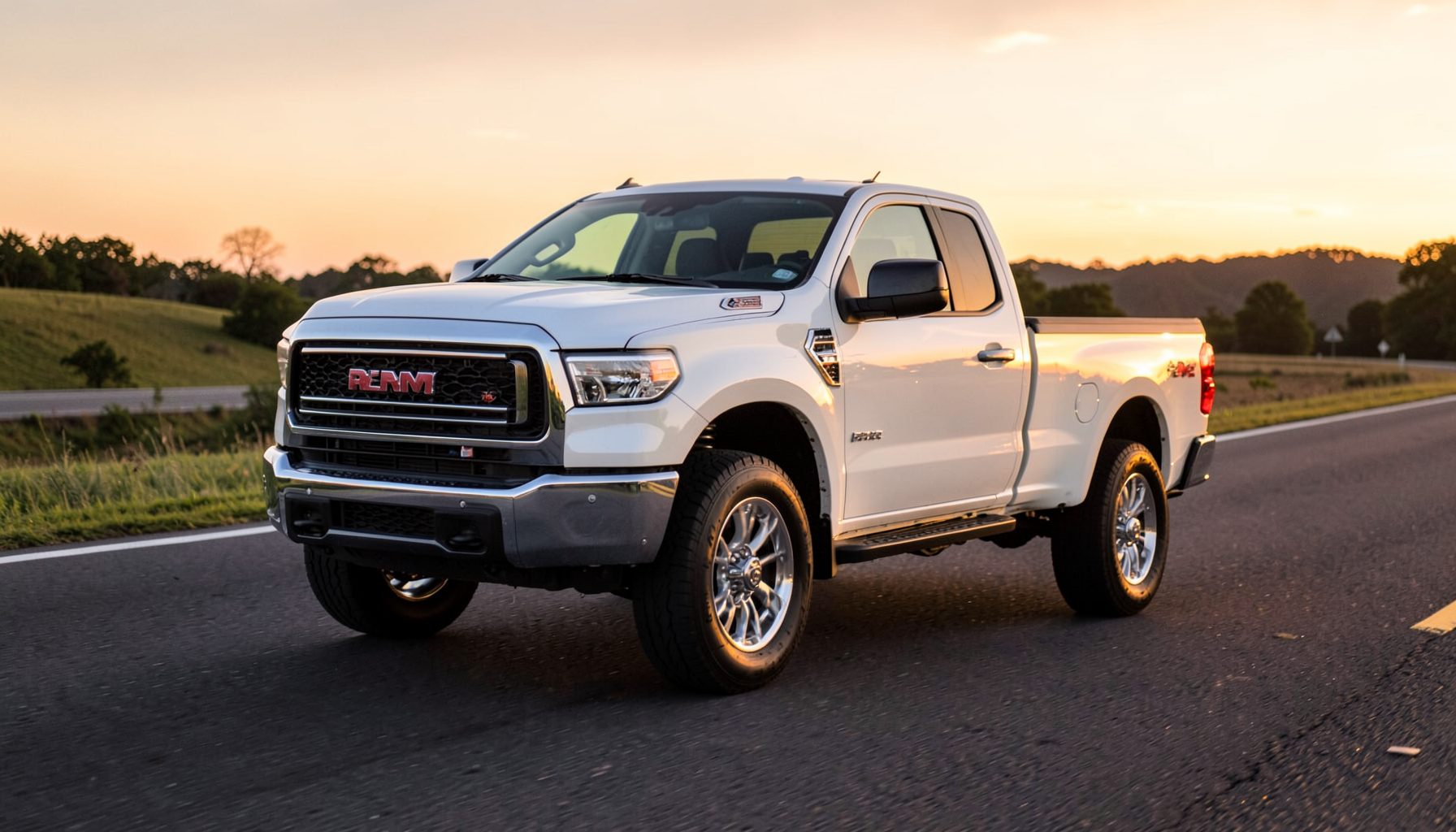
The pros and cons of buying a diesel truck in Tennessee
Diesel trucks have a strong following in Tennessee for good reason. They offer substantial towing strength, impressive low-speed torque, and long-distance capability that suits construction work, farming, outdoor recreation, and frequent highway travel. Models from Ram and other manufacturers can be especially appealing when a truck must handle heavy trailers or demanding payloads.
Still, a diesel pickup is a specialized vehicle rather than the automatic choice for every driver. Purchase price, fuel costs, maintenance requirements, emissions equipment, and daily driving habits all affect the value you receive. A diesel can be an excellent long-term tool, but a gas-powered truck may be more practical for lighter duties and shorter trips.
The right decision begins with an honest assessment of how you use a truck in Jackson and across West Tennessee. Towing weight, annual mileage, parking conditions, service access, and ownership budget should carry more influence than engine reputation or appearance.
Why diesel trucks remain popular in Tennessee
The biggest advantage of a diesel engine is torque. Diesel powertrains produce strong pulling force at relatively low engine speeds, which helps a truck launch confidently with a loaded trailer. That characteristic is useful on Tennessee hills, rural roads, boat ramps, and long grades when carrying equipment or recreational vehicles.
Many diesel pickups also provide excellent highway stability. A heavier engine, robust transmission, and available towing technologies can make long trips feel more controlled. Depending on the configuration, drivers may benefit from integrated trailer brake controllers, tow-haul modes, exhaust braking, surround-view cameras, and trailering apps.
Fuel economy can be another benefit when a diesel truck is driven under the conditions for which it was designed. A diesel may deliver better mileage than a comparable gasoline model while towing or carrying significant weight. The advantage is usually less noticeable during unloaded city driving, so the truck’s real workload matters.
Diesel ownership can also offer strong resale demand. Buyers who need towing capacity often search specifically for diesel models, particularly well-maintained trucks with service records, useful bed configurations, and proven trailering equipment. That demand may help protect resale value over time, although condition and mileage remain important.
The costs behind diesel ownership
Diesel trucks generally cost more to purchase than similar gas-powered pickups. The engine, fuel system, turbocharger, emissions controls, transmission, and cooling components add complexity and manufacturing expense. Used diesel trucks may also command higher prices when they have lower mileage or desirable towing specifications.
Fuel prices can change the ownership calculation. Diesel sometimes provides better mileage, but the price per gallon may be higher than regular gasoline. The financial benefit becomes more compelling when a truck travels many highway miles or regularly pulls heavy loads. For occasional towing, the fuel savings may not recover the original price difference.
Maintenance deserves careful attention. Diesel engines require appropriate oil, fuel filters, and scheduled inspections. Modern trucks use diesel particulate filters, selective catalytic reduction systems, diesel exhaust fluid, and other emissions equipment. These systems help reduce pollution, but repairs can be costly when components fail outside warranty coverage.
A pre-owned diesel truck should receive a thorough inspection before purchase. Technicians should evaluate cold-start behavior, turbocharger performance, transmission operation, exhaust after-treatment, fluid leaks, suspension wear, and signs of excessive towing. Reviewing service records is equally important. Careful online research, including vehicle buying resources, should support professional inspection rather than replace it.
Towing strength versus everyday practicality
Diesel power is most valuable when the truck spends meaningful time working. A travel trailer, enclosed cargo trailer, livestock trailer, heavy boat, skid steer, or loaded equipment trailer can make the extra torque and cooling capacity worthwhile. Diesel trucks are also useful for commercial drivers who accumulate high mileage and need dependable performance under load.
Payload and towing ratings must be evaluated separately. A truck may have an impressive maximum trailer rating while reaching its payload limit with passengers, tools, a hitch, and cargo in the bed. Axle ratios, cab size, four-wheel drive, bed length, and transmission configuration all affect capacity. The specific vehicle’s door-jamb label and manufacturer specifications are more reliable than a general model reputation.
For drivers who primarily commute, shop, transport children, or make short trips, a diesel may be excessive. Short-distance operation can prevent the engine and exhaust system from reaching ideal operating temperatures. Frequent stop-and-go use may also contribute to regeneration issues in vehicles equipped with diesel particulate filters.
A gasoline truck can provide quick starts, quieter operation, lower purchase costs, and simpler service for many light-duty routines. It may also be easier to maneuver and less expensive to operate when towing is rare. The best engine is the one that matches the work rather than the one with the highest advertised capability.
| Ownership factor | Diesel pickup | Gasoline pickup |
|---|---|---|
| Heavy towing | Strong low-end torque and confident pull | Capable, especially with modern large-displacement engines |
| Purchase price | Usually higher | Often lower |
| Fuel economy under load | Frequently better | Usually lower when towing |
| Routine maintenance | More specialized and potentially costlier | Generally simpler and less expensive |
| Short-trip driving | Less suitable for repeated brief journeys | Usually better suited |
| Resale demand | Strong among frequent towers and commercial users | Broad appeal for general drivers |
| Best fit | High mileage, heavy trailers, demanding work | Commuting, light towing, mixed daily use |
Tennessee conditions and truck durability
Tennessee weather brings heat, humidity, heavy rain, occasional winter freezing, and changing road conditions. These factors make cooling system health, tire condition, battery strength, and corrosion inspection important for any truck. Diesel owners should be especially attentive to cooling performance because towing in summer heat places additional stress on the engine and transmission.
West Tennessee roads can include interstate travel, rural routes, gravel driveways, construction areas, and agricultural access roads. Four-wheel drive may improve traction, but it adds weight, purchase cost, and maintenance needs. Buyers should consider whether they truly need four-wheel drive or whether rear-wheel drive will handle their normal routes.
Used trucks from other regions require extra scrutiny. A vehicle that spent years near coastal areas may have underbody corrosion, while one from a northern climate could show salt-related damage. Inspect frame rails, brake lines, fuel lines, suspension mounting points, tailgate hardware, and the underside of the bed before committing to a purchase.
Cold weather is less severe in Tennessee than in many northern states, but diesel fuel and batteries still matter during winter. A healthy battery, correct fuel, and proper glow-plug operation support reliable starts. Following the manufacturer’s oil and fuel-filter recommendations helps protect the engine through seasonal temperature changes.
How to shop for the right truck
Start by writing down the trailer weights, cargo loads, and annual mileage you realistically expect. Include passengers, tools, hitch equipment, and accessories in the calculation. If the truck will tow only a small utility trailer several times a year, compare the total cost of a gas model before assuming diesel is the economical choice.
A dealership’s new inventory can help buyers compare current diesel and gasoline configurations, factory towing technology, cab styles, bed lengths, and warranty coverage. New trucks usually bring the latest emissions systems and safety features, while used trucks may offer a lower entry price and access to proven powertrains.
The used market requires a different checklist. Look for consistent service documentation, clean ownership history, even tire wear, a smooth transmission, and evidence that the truck was not modified with poorly installed tuning equipment. Aftermarket programming can increase power, but it may accelerate wear or complicate warranty and emissions compliance.
Budget for ownership beyond the monthly payment. Registration, insurance, diesel exhaust fluid, tires, filters, towing accessories, and unexpected repairs can affect the true monthly cost. A vehicle valuation tool and trade-in assessment may also help establish a realistic down payment if you are replacing an existing car or truck.
A practical checklist before you buy
A disciplined inspection and comparison process reduces the chance of choosing a truck that looks capable but does not suit your routine. Bring your intended trailer specifications, ask for the exact towing information for the vehicle, and schedule a service evaluation when buying used.
Consider these priorities:
- Match the truck’s verified payload and towing ratings to your heaviest expected load.
- Compare the total purchase and operating costs with an equivalent gas-powered model.
- Request maintenance records and inspect emissions components, turbocharger, transmission, and cooling system.
- Check frame, suspension, brake lines, and underbody areas for corrosion or damage.
- Choose factory towing equipment, cab configuration, bed length, and four-wheel drive based on actual use.
- Test the truck in city traffic and on the highway instead of judging it only from a parking-lot drive.
For buyers focused on value, bargain inventory can provide another place to examine budget-conscious options. A lower-priced truck is worthwhile when its service history and mechanical condition support the savings. A bargain that requires major emissions or drivetrain work can quickly become more expensive than a better-maintained vehicle.
Making the decision with confidence
A diesel truck makes sense in Tennessee when heavy towing, frequent highway travel, commercial use, or substantial payloads are central to your routine. Its torque, durability, and working capability can justify the higher purchase price and more specialized maintenance. Drivers who put serious demands on a truck may find that diesel performance pays off over years of use.
A gasoline truck is often the smarter choice for short commutes, occasional light towing, lower upfront costs, and simpler ownership. Neither powertrain is universally superior. The most suitable choice depends on how often the truck works, how far it travels, and how much flexibility exists in the ownership budget.
Before visiting the dealership, write down your typical trailer weight, annual mileage, preferred features, and maximum payment. Then compare used and new truck options, review available financing and trade-in value, and arrange a professional inspection when appropriate. Visit Alan Vines Automotive Group in Jackson to evaluate the choices in person and find a truck that fits both Tennessee roads and your real responsibilities.