Ram 2500 towing capacity explained for confident hauling
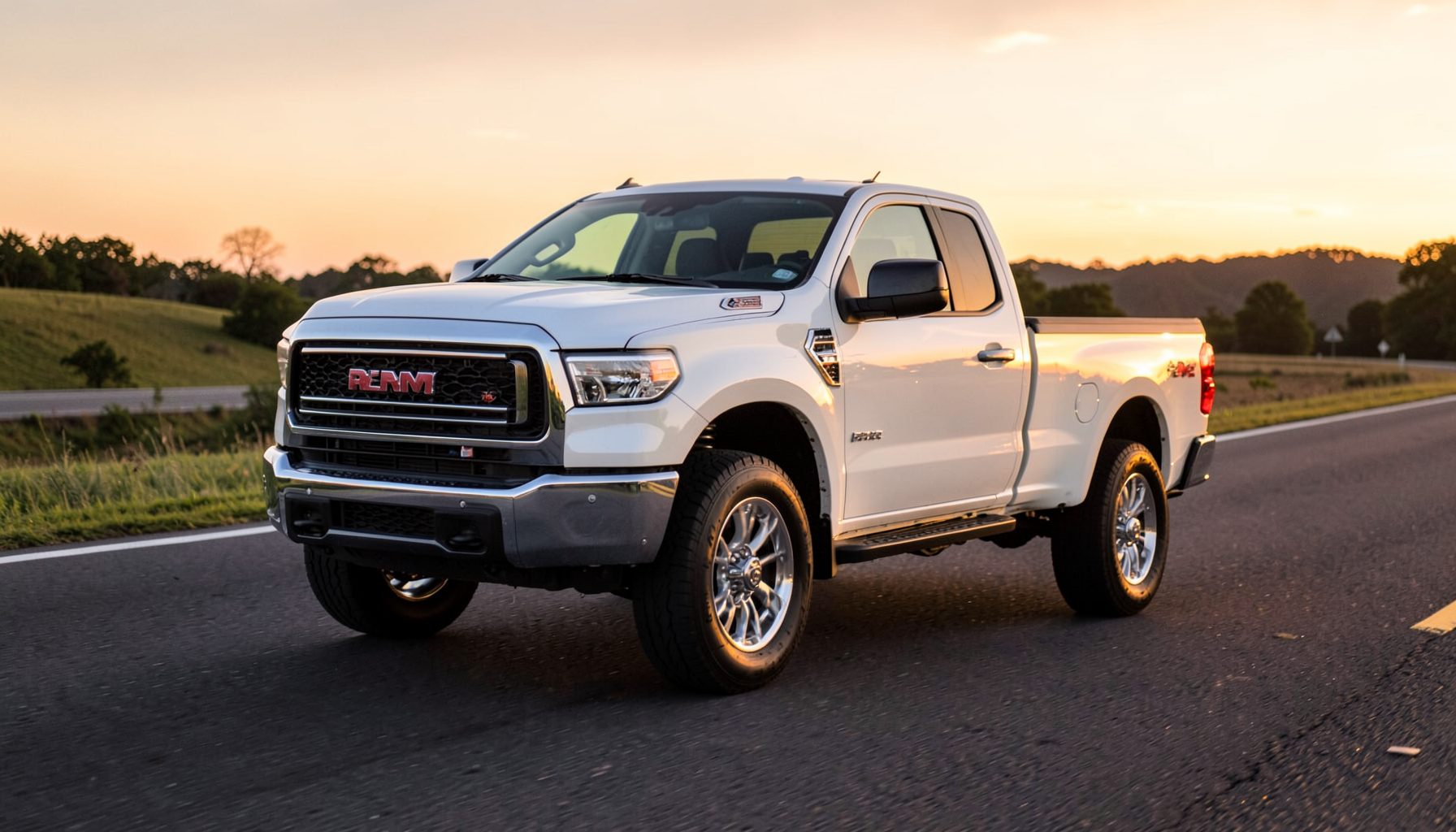
The Ram 2500 Heavy Duty is built for drivers who need substantially more capability than a half-ton pickup can provide. It can tow work trailers, horse trailers, campers, equipment haulers, and fifth-wheel or gooseneck setups, while offering the comfort and technology expected from a modern truck.
Its maximum towing figure, however, is only one part of the decision. Engine choice, cab and bed configuration, axle ratio, drivetrain, hitch equipment, payload, and the trailer’s loaded weight all influence what a particular Ram 2500 can safely manage. Two trucks with the same badge may have noticeably different ratings.
Understanding these factors makes it easier to compare new and used trucks, select the right configuration, and avoid treating a headline number as a guarantee. The most accurate rating always comes from the specific truck’s door label, owner’s manual, and manufacturer towing guide.
What the towing rating actually means
Towing capacity is the maximum weight a properly equipped truck can pull under specified conditions. It is usually measured with a trailer that has the required hitch, functioning brakes, suitable weight distribution, and a carefully controlled load. The published maximum may apply only to one particular engine, axle ratio, cab, bed, and drivetrain combination.
Gross trailer weight, or GTW, is the total loaded weight of the trailer. This includes cargo, fluids, installed accessories, propane, tools, and anything else carried inside or on it. Estimating a trailer by its empty or “dry” weight can lead to a serious miscalculation.
Tongue weight is the downward force the trailer places on the hitch. A conventional trailer commonly needs about 10% to 15% of its loaded weight on the hitch, while fifth-wheel and gooseneck trailers often place approximately 15% to 25% of their weight over the rear axle. That weight counts against the Ram’s payload rating.
The gross combined weight rating, or GCWR, covers the truck, passengers, fuel, cargo, trailer, and all equipment together. A trailer may fall below the advertised maximum while the combined rig still exceeds its limit, so both figures deserve attention.
How the engine changes capability
The available 6.4-liter HEMI V8 gives many Ram 2500 models strong gasoline-powered performance. It can be a practical choice for drivers who tow occasionally, make shorter trips, or prefer the lower purchase and maintenance costs associated with a gas truck. Its power delivery is familiar and responsive, especially when paired with the automatic transmission and an appropriate axle ratio.
The available 6.7-liter Cummins Turbo Diesel is designed for frequent heavy towing. Its substantial low-speed torque helps the truck get a heavy trailer moving and maintain speed on grades. Diesel power can also feel more relaxed during long highway journeys, particularly when the trailer is loaded near the upper end of the truck’s capabilities.
The diesel engine does not automatically make every Ram 2500 the highest-rated model. Cab style, bed length, four-wheel drive, axle ratio, cooling equipment, tire selection, and hitch configuration still affect the final rating. Gasoline and diesel models may also have different payload figures, because the heavier diesel powertrain uses more of the truck’s available weight capacity.
A useful comparison should therefore look at the complete factory configuration rather than simply asking whether the truck has a V8 or Cummins engine. The VIN-specific specification sheet is the best way to confirm the rating of a used vehicle.
Conventional, fifth-wheel, and gooseneck towing
Conventional towing uses a receiver hitch mounted near the rear bumper. It is common for utility trailers, boats, enclosed cargo trailers, travel trailers, and equipment haulers. A properly installed receiver, trailer brake controller, safety chains, wiring connection, and weight-distribution hitch may all be necessary depending on the trailer and its loaded weight.
Fifth-wheel and gooseneck trailers connect inside or immediately above the truck bed. This position improves weight placement and can create a more stable feel with large campers, livestock trailers, and commercial equipment trailers. It also requires compatible rails, a ball system, or a fifth-wheel hitch installed at the correct location.
A long-bed Ram 2500 often offers more flexibility for gooseneck equipment and reduces the likelihood of contact between the trailer and cab during tight turns. A short-bed truck can still tow a fifth-wheel or gooseneck trailer, but it may require a sliding hitch or an extended pin box. The equipment must be rated for the load and installed according to the manufacturer’s instructions.
The connection type changes the rating and the way weight is distributed. A driver should never use a conventional trailer rating as a substitute for the appropriate fifth-wheel or gooseneck rating, or assume that a hitch installed by a previous owner is suitable without checking its label.
Comparing configurations and capacity ranges
The figures below provide a practical overview rather than a substitute for a factory rating. Ram 2500 capability varies by model year and equipment, and maximum ratings can change when the cab, bed, engine, axle, or drivetrain changes.
| Configuration factor | What it can influence | Practical towing implication |
|---|---|---|
| 6.4-liter HEMI V8 | Power delivery, purchase cost, curb weight | Suitable for many moderate and occasional towing needs |
| 6.7-liter Cummins Turbo Diesel | Low-speed torque and long-haul performance | Better suited to frequent heavy towing and demanding grades |
| Regular or extended-style cab | Curb weight and available payload | A lighter cab may leave more capacity for trailer tongue weight |
| Crew cab | Passenger room and comfort | Added weight can reduce available payload compared with a lighter cab |
| Standard or long bed | Hitch placement and trailer compatibility | Long beds can simplify gooseneck and fifth-wheel use |
| 4x2 or 4x4 drivetrain | Traction, curb weight, and capacity | Four-wheel drive helps on slippery surfaces but may reduce payload slightly |
| Conventional receiver hitch | Rear-mounted trailer connection | Common for boats, utility trailers, and travel trailers |
| Fifth-wheel or gooseneck hitch | Bed-mounted connection and weight distribution | Well suited to larger campers, livestock trailers, and equipment trailers |
For a real-world check, begin with the Ram’s payload sticker. Subtract the driver, passengers, fuel, tools, hitch hardware, and cargo from the stated payload. The remaining amount must cover the trailer’s tongue or pin weight. This calculation can rule out an otherwise attractive trailer before you arrive at the dealership.
For example, a trailer with a loaded weight of 12,000 pounds might place 1,200 to 1,800 pounds on a conventional hitch. Add several passengers, a bed-mounted toolbox, a weight-distribution hitch, and camping gear, and the payload can disappear faster than expected.
Choosing a Ram 2500 for your trailer
Start by weighing the trailer as it will actually be used. Include water, propane, batteries, food, sporting equipment, spare tires, and seasonal cargo. A trailer that appears comfortably below the maximum when empty may be much heavier on a trip.
Next, decide how often and how far you tow. Occasional local hauling may favor the HEMI V8 and a simpler equipment package. Frequent interstate towing, steep terrain, or a large fifth-wheel may make the Cummins diesel’s torque and available engine-braking features more appealing. Fuel economy, purchase price, maintenance needs, and expected ownership period should be part of that decision.
Cab and bed selection also matter. A crew cab gives families and work teams more space, while a long bed can make fifth-wheel and gooseneck use easier. Four-wheel drive adds traction for boat ramps, muddy job sites, snow, and uneven terrain, although it can affect curb weight and payload.
When researching online, separate general claims from verified specifications. Even a well-written guide for Australian players demonstrates why readers should distinguish broad information from details that apply to a particular situation. For a truck, the equivalent is checking the build sheet, door label, owner’s manual, and trailer-hitch documentation before relying on a capacity number.
Equipment that supports safe towing
A capable tow vehicle still needs the right supporting equipment. Trailer brakes should operate on every axle where required, and an electronic brake controller allows the driver to adjust braking force to the load. The truck’s brake lights, trailer wiring, tires, mirrors, and safety chains should be inspected before every major trip.
Tow mirrors improve visibility around a wide trailer and help the driver monitor traffic without excessive head movement. Integrated trailer-light checks, camera views, selectable drive modes, and exhaust braking can make a heavy-duty truck easier to operate, but technology does not replace a correct load or a careful inspection.
The trailer should sit level whenever possible. An incorrect ball height can shift weight, reduce steering control, or cause excessive wear on the hitch and tires. Tire pressures should be set according to the truck and trailer specifications, not simply the maximum pressure printed on the sidewall.
Proper loading is equally important. Heavy items should be placed low and distributed according to the trailer manufacturer’s guidance. Loose cargo must be secured, the coupler or fifth-wheel jaws must be locked, and the breakaway cable should be attached to an approved point on the truck rather than looped carelessly around the hitch.
Buying and maintaining a heavy-duty pickup
A new Ram 2500 offers the advantage of selecting the engine, cab, bed, axle, towing technology, and interior equipment around a specific job. A used truck may provide excellent value, but its history and previous workload deserve close attention. Look for evidence of regular servicing, inspect the frame and hitch, and check for unusual transmission, suspension, or cooling-system wear.
Drivers shopping for a capable truck can browse bargain inventory to compare available used vehicles and evaluate different price points. A trade-in appraisal and financing options can also help establish a realistic budget before choosing between gas and diesel power.
Service history matters particularly on trucks that have hauled heavy loads. Ask whether transmission fluid, differential fluid, coolant, filters, and brakes were maintained at the recommended intervals. A trained service department can inspect steering, suspension, tires, wheel bearings, hitch components, and electronic trailer systems before a purchase or before the towing season begins.
A Ram 2500 should be matched to the work it will perform, rather than bought solely for its largest published number. The right truck leaves a sensible margin for passengers, cargo, changing road conditions, and the trailer’s real loaded weight.
A practical towing checklist
- Confirm the exact truck’s towing, payload, and GCWR ratings using its door label and owner’s manual.
- Weigh the loaded trailer and calculate tongue or pin weight before selecting a configuration.
- Match the hitch, ball, fifth-wheel, or gooseneck equipment to the trailer and its rated capacity.
- Inspect tires, brakes, lights, wiring, mirrors, fluids, and safety chains before every trip.
- Allow extra capacity for passengers, cargo, fuel, weather, grades, and changing road conditions.
When you are ready to compare Ram 2500 models, visit Alan Vines Automotive Group in Jackson, Tennessee, to review available trucks, discuss financing, value a trade-in, and arrange a professional inspection. The dealership’s trained service team can help keep a heavy-duty pickup and trailer combination ready for dependable work and travel.