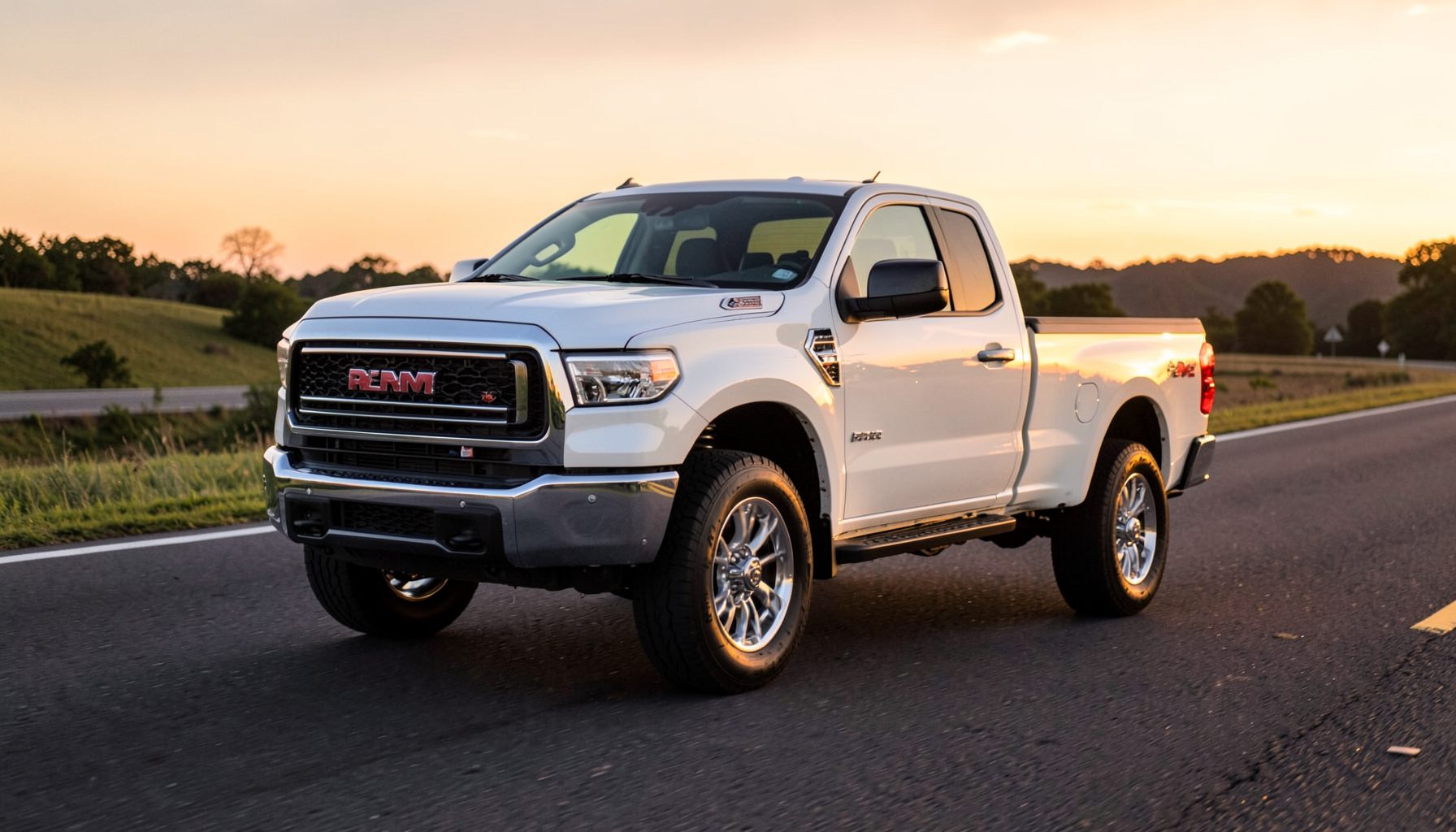
Financing a New Car with a Limited Credit History
Buying a new car can feel out of reach when your credit file is short, especially if you have only recently started working, moved countries, or relied on cash rather than borrowing. A limited credit history does not automatically mean a loan application will be rejected. It does mean lenders may look more closely at your income, expenses, deposit, employment record, and ability to manage repayments.
For Australian drivers, the language and process can vary depending on where the vehicle is purchased. Australians commonly talk about a car loan, finance approval, a deposit, and the vehicle’s “rego”, while American dealerships may refer to credit scores, monthly payments, and down payments. Understanding those differences will help you compare offers clearly, whether you are looking at a family SUV, a practical ute, or a commuter hatchback.
Check Your Credit Position Before Applying
Start by reviewing your credit report and checking that your personal details, previous addresses, and account information are accurate. In Australia, credit reporting bodies such as Equifax, Experian, and illion can hold information about repayment history and credit applications. Several applications made close together may make you appear financially stretched, so it is sensible to investigate your position before submitting forms to multiple lenders.
A thin credit file is different from a poor credit file. You may have no missed payments, but little evidence of managing instalment debt. Young buyers in Brisbane or Melbourne, recent arrivals, and people who have always paid bills from their savings can fall into this category. Explain the situation honestly and provide evidence of regular rent, utilities, insurance, or mobile payments where a lender accepts that information.
If you are dealing with an American dealership such as Alan Vines Automotive Group in Jackson, Tennessee, the application may use US terminology and US credit reporting systems. Ask which bureau is used, whether the application is a hard enquiry, and whether the proposed finance is available to your residency and employment circumstances. Do not assume that an Australian credit score transfers directly into a US lending decision.
Build a Stronger Application
Lenders want to see that the repayments fit comfortably within your budget. Prepare recent payslips, bank statements, proof of address, identification, and details of existing commitments. If you are self-employed, keep tax returns and business records ready. An applicant with an ABN or variable income may need to demonstrate consistency over a longer period than someone in a permanent salaried role.
A stable job can help offset a limited borrowing history. So can a realistic vehicle choice. A new Ram truck may have a higher repayment than a compact Mitsubishi, while a seven-seat SUV may cost more to insure and run than a smaller family car. Include fuel, servicing, tyres, registration, insurance, and roadside assistance in your calculation. The weekly figure that looks manageable in isolation can become uncomfortable when every ownership cost is added.
Australians often compare repayments weekly or fortnightly, while many US finance offers are displayed monthly. Convert the figures into the same timeframe before making a decision. A fortnightly repayment is not simply half a monthly repayment, and a long loan term can make the advertised amount look attractive while increasing total interest.
Save a Deposit and Consider a Trade-In
A deposit reduces the amount borrowed and may improve the lender’s view of the application. It also lowers the loan-to-value ratio, which can matter when there is limited credit information. Even a modest deposit can reduce repayments, but do not empty your emergency fund to produce a larger one. Keeping money available for unexpected repairs, moving costs, or a change in work is important.
A trade-in can serve a similar purpose. Before visiting a dealership, research the likely market value of your current vehicle and note its condition, service history, registration status, and outstanding finance. Online valuation tools can provide a useful starting point, although the final offer depends on inspection, demand, and what is owed on the vehicle.
If you are trading a car in Australia, check whether the quoted figure accounts for registration transfer costs, stamp duty, and any finance payout. State rules differ between New South Wales, Victoria, Queensland, and other jurisdictions. In a US transaction, taxes, title fees, and registration are handled differently, so ask for an itemised out-the-door price rather than focusing only on the monthly repayment.
Compare the Full Cost of Finance
The interest rate matters, but it is only one part of the offer. Compare the annual percentage rate, establishment fees, documentation charges, balloon or residual payment, loan term, and any restrictions on early repayment. A seven-year loan can produce a lower monthly figure than a five-year loan, yet the total amount paid may be significantly higher.
Be cautious with a balloon payment. It postpones part of the balance until the end of the contract and can create a large bill when the vehicle is older. Some buyers intend to refinance that final amount, but future rates and personal circumstances are uncertain. A straightforward repayment structure is usually easier to budget for when your credit history is still developing.
Make sure you understand whether the quoted price includes optional products such as paint protection, extended warranties, loan protection insurance, or service plans. These may be useful in particular circumstances, but they should be separately explained rather than folded into a payment that you have not fully examined. For Australians used to seeing drive-away pricing, an overseas quote can require extra care around taxes and delivery costs.
When researching a vehicle’s suitability, practical ownership matters as much as the finance package. For example, this overview of the Jeep Cherokee Trailhawk can help explain why its capability may appeal to buyers who need an SUV for varied conditions. The right vehicle is one that fits both your lifestyle and your approved budget.
Use Dealership Finance Carefully
Dealership finance can be convenient because the sales and lending process are handled in one place. A dealer may have access to several finance partners and can explain options for buyers with a short credit record. Still, compare the offer with a bank, credit union, or licensed broker before signing. A pre-approval gives you a reference point and can make it easier to identify the true cost of dealer-arranged finance.
Ask whether the rate is fixed or variable, what happens if you pay early, and whether the lender requires comprehensive insurance. Confirm the exact amount financed, the repayment frequency, the due date, and the total cost over the full term. If you are buying in Jackson, Tennessee, verify which charges are local taxes and registration costs rather than finance fees.
A guarantee can also affect your options. A parent, partner, or other eligible guarantor may strengthen an application, but they become responsible if you fail to pay. Both parties should understand the legal commitment before agreeing. Adding a co-borrower purely to obtain a lower repayment can also affect that person’s future borrowing capacity.
Alan Vines provides vehicle finance options alongside its new and used inventory, so prospective buyers can review the available process before visiting the dealership. Ask for written figures and take enough time to read the contract. A professional finance conversation should make the obligations clearer, not pressure you into accepting the first proposal.
Australian buyers should also be alert to currency and legal differences when considering an overseas purchase. A price in US dollars can change in Australian-dollar terms, and importing a vehicle may involve freight, customs, compliance work, GST, duties, quarantine requirements, and local registration. A loan arranged in the United States may not suit an Australian resident, so confirm eligibility and obtain independent advice before treating the advertised repayment as a usable option.
A limited credit history can improve naturally when accounts are paid on time and applications are kept purposeful. Set direct debits, avoid taking on a repayment that leaves no buffer, and keep records of the agreement. For buyers around Sydney, Perth, Adelaide, or regional towns, the best car finance decision is the one that remains affordable through fuel-price changes, insurance renewals, and ordinary household expenses.
Begin by obtaining your credit report, listing your complete monthly vehicle budget, and requesting one itemised finance quote that shows the rate, fees, term, deposit, and total payable.