Practical parking tips for a full-size SUV in downtown Jackson
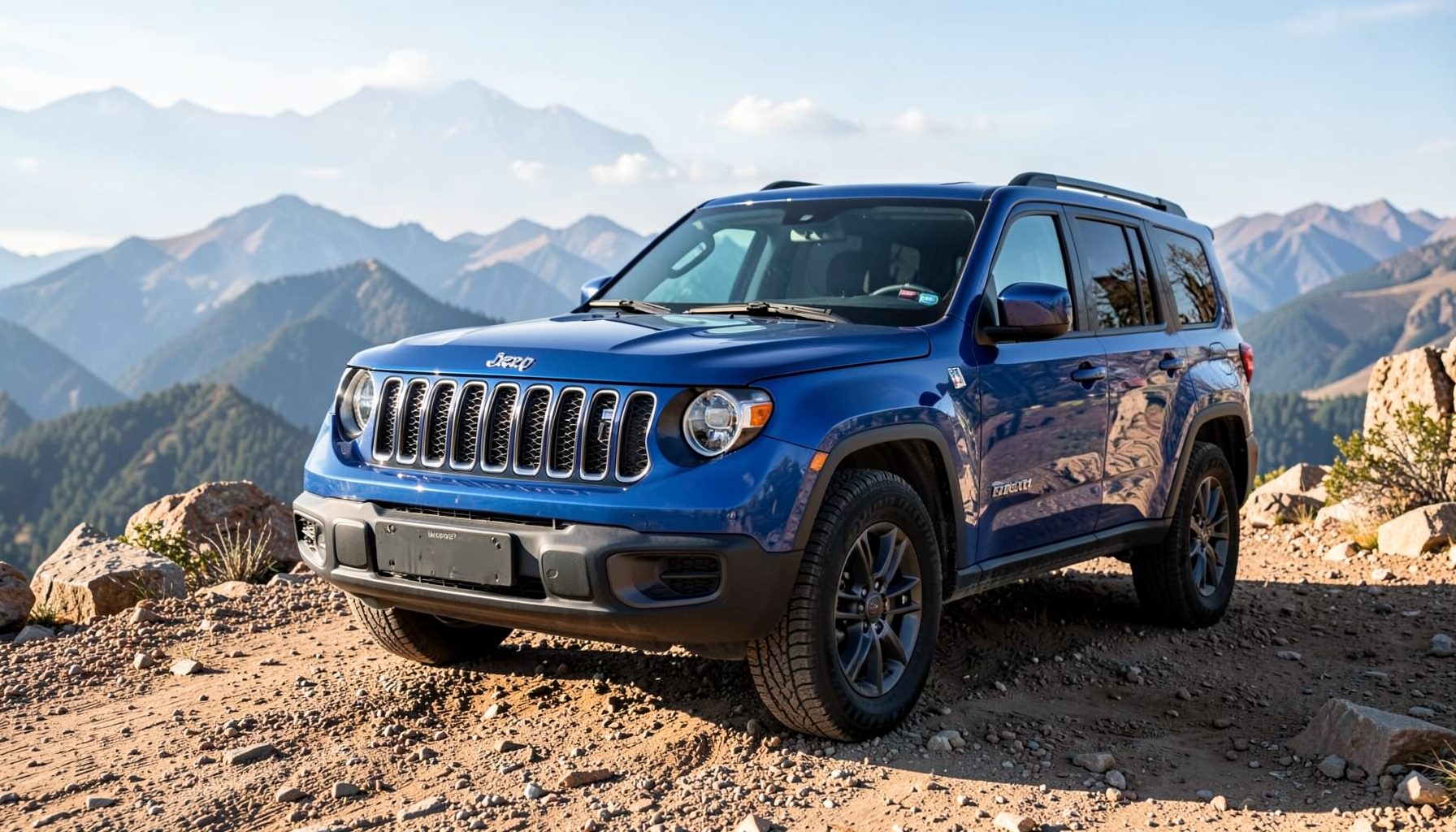
A full-size SUV can feel effortless on Tennessee’s open roads and surprisingly demanding in a compact downtown parking space. Models such as a large Jeep, Dodge SUV, or three-row family vehicle offer excellent visibility and passenger room, yet their length, width and turning circle require a deliberate approach when streets become busy.
For Australian readers, the adjustment can be even greater. A large SUV may already feel substantial beside a Toyota Prado, Ford Everest or LandCruiser, and driving on the right side of the road in the United States changes how you judge kerbs, turning paths and the position of the vehicle. A few habits will make parking around Downtown Jackson calmer, safer and easier to repeat.
Know your SUV’s dimensions before you arrive
Start by learning the vehicle’s actual measurements. Check its overall length, width with mirrors folded and unfolded, wheelbase and turning circle. These figures matter more than the badge on the bonnet because two SUVs in the same class can behave very differently in a tight car park. A long-wheelbase three-row model may need considerably more room to swing its front end than a shorter five-seat SUV.
Sit in the driver’s seat and identify the front corners, rear corners and wheel position before entering downtown. Modern bonnet lines can hide the area immediately ahead, while a high seating position may create a false sense that the sides are clear. Adjust the mirrors so you can see the lane markings and nearby vehicles, then set the seat so the brake pedal and steering wheel are comfortable without placing you too close to the dashboard.
Driver-assistance features are useful, but they are not a substitute for checking the space yourself. Parking sensors can miss a low bollard, concrete wheel stop or narrow post, while a reversing camera may make an object look farther away than it is. If the SUV has a surround-view camera, use it to confirm your position rather than relying on a single screen image. In Australia, where many drivers are used to right-hand-drive cars and left-side traffic, take extra time to recalibrate your visual reference points in a left-hand-drive American vehicle.
Choose the easiest space, not the closest one
The most convenient-looking space is often the one that demands the most correction. When parking downtown, look for an end space, a wider bay beside an empty area or a spot with clear visibility on both sides. A short walk is usually preferable to forcing a large SUV into a space bordered by a pillar, kerb or oversized pickup truck.
If you are unfamiliar with Downtown Jackson, consider circling once to identify the layout before committing. Public car parks can be easier than street parking because they often provide a more consistent angle and fewer moving vehicles. A space at the edge of a row gives you room to open the doors and a better view when leaving. Avoid stopping where your rear overhang could project into a traffic lane or pedestrian crossing.
Street parking requires close attention to signs, kerb markings and local restrictions. In the United States, parking orientation and traffic flow may differ from what an Australian driver expects, so line up with the direction of travel and read the sign on the actual section of road where you intend to stop. Do not assume that a clear-looking kerb is available simply because another vehicle is parked nearby.
When choosing a used vehicle for regular urban driving, the easiest model to live with may be a slightly smaller SUV rather than the largest one available. Alan Vines’ bargain inventory can be useful for comparing pre-owned SUVs, cars and trucks by size, equipment and price before visiting the dealership.
Use a slow, wide and deliberate approach
Approach a parking bay slowly, leaving enough distance from the vehicle beside you to begin the turn without clipping its front corner. In a perpendicular space, drive slightly beyond the centre of the bay before turning in. This creates a wider arc for the rear wheels, which follow a tighter path than the front wheels. Turning too early is a common cause of scraping a neighbouring car or crossing the line on the first attempt.
Once the front of the SUV has entered the space, straighten the steering wheel gradually. Watch both side mirrors and use the camera display as a second source of information. If the vehicle is angled, stop, select reverse and make a controlled correction rather than trying to force the SUV into place in one movement. There is no advantage in completing a manoeuvre quickly.
For reverse parking, position the SUV so the rear of the vehicle is aligned with the centre of the bay before turning. Move at walking pace, checking mirrors, the camera and the surroundings. Remember that the front end swings outward as the rear turns, so watch for vehicles, posts and pedestrians near the front quarter panels. This is especially important with a long bonnet and a high seating position.
In a busy American downtown, pedestrians may move between parked vehicles or cross behind you without much warning. Pause before reversing, check both directions and lower a window if you need a clearer view. If visibility remains poor, ask a passenger to guide you from a safe position rather than relying on hand signals from someone standing directly behind the SUV.
Handle parallel parking without rushing
Parallel parking is easier when you prepare the space before turning. Look for a gap that gives the SUV at least a modest amount of extra length, particularly if the vehicle has a long rear overhang. Pull alongside the vehicle ahead of the space with a safe gap, keeping your rear wheels roughly level with its rear bumper. Signal early so following traffic understands your intention.
Reverse slowly while turning towards the kerb, then unwind the steering as the rear of the SUV enters the space. Turn the wheel in the opposite direction when the front clears the vehicle ahead. The goal is to finish parallel to the kerb with enough room from both vehicles for a clean exit. If the angle is wrong, make a small forward-and-back correction rather than pressing too close to either bumper.
Do not let a reversing camera encourage you to ignore the front corners. As the rear moves towards the kerb, the nose can swing into the lane or towards the vehicle in front. Side mirrors are particularly valuable here, and folding mirrors can help you judge the gap in a narrow street, although they should not be folded until you have completed the approach.
Australian drivers may be familiar with parallel parking on crowded streets in Sydney or Melbourne, but a US downtown environment can feel different because the road markings, traffic direction and kerb space are unfamiliar. The most important adjustment is to prioritise local signs and lane flow rather than applying an automatic habit from home.
Plan the exit before you park
A good parking position is one that allows a simple departure. Before switching off, check whether another vehicle is close to your front bumper, whether the rear is near a kerb or wall and whether a neighbouring truck has reduced your sightline. Leave the wheels straight unless local conditions require otherwise, and keep enough space for the front end to swing when pulling out.
When leaving an angled or perpendicular space, reverse only far enough to see the lane. Stop, check for pedestrians and moving cars, then continue once the path is clear. Large SUVs can obscure small cars, motorcycles and bicycles, particularly in a busy car park. Use the brake rather than the accelerator for the first part of the manoeuvre so the vehicle remains easy to control.
If you have parked on a slope, apply the parking brake and follow the vehicle manufacturer’s guidance for wheel position. In any location, secure valuables, lock the SUV and note the row or nearby landmark. Downtown parking becomes more stressful when you return to a large vehicle and cannot immediately remember where it is or which direction will provide the easiest exit.
Vehicle condition also affects confidence. Properly inflated tyres, clean camera lenses, responsive brakes and correctly functioning sensors make low-speed manoeuvring more predictable. A service history can reveal whether these essentials have been maintained; Alan Vines explains the value of a local service history when assessing a used vehicle.
Match the vehicle to your regular driving
A full-size SUV makes sense when you regularly carry several passengers, tow equipment or travel long distances. It provides generous cargo space and a commanding view, which can be valuable on Tennessee highways. However, if most trips involve downtown streets, compact car parks and short urban errands, a midsize SUV may offer a better balance between comfort and manoeuvrability.
Compare features that genuinely help in tight spaces. A tight turning circle, front and rear parking sensors, a clear surround-view camera, power-folding mirrors and good low-speed visibility can matter more than an especially powerful engine. Automatic emergency braking and cross-traffic alerts add useful protection, though the driver must still check carefully before moving.
Australian buyers often compare American full-size SUVs with vehicles such as the Kia Sorento, Hyundai Santa Fe, Toyota Kluger and Ford Everest. These models can still be substantial, yet their dimensions may be easier to manage in older city areas. Buyers should also remember that a vehicle designed for the US market may differ in steering position, safety equipment, dimensions and parts availability from an Australian-market equivalent.
At Alan Vines Automotive Group, shoppers can compare new and used Dodge, Jeep, Ram, Mitsubishi, Chrysler and Hyundai vehicles, along with financing, trade-in assistance and vehicle valuation tools. A test drive should include more than a stretch of open road: practise entering a bay, reversing, judging the front corners and making a tight turn. If a vehicle feels awkward at low speed, that feeling is useful information before purchase.
Parking a full-size SUV in Downtown Jackson becomes manageable when the driver treats space, speed and visibility as priorities. Learn the vehicle’s dimensions, select a forgiving bay, turn later than instinct suggests, use every available camera and sensor, and correct patiently when the first attempt is not straight. For Australian drivers, allow extra time to adapt to left-hand-drive controls and right-side traffic. The key thing to remember is that confident SUV parking comes from choosing the right space and controlling the vehicle slowly, not from trying to make a large vehicle behave like a small car.