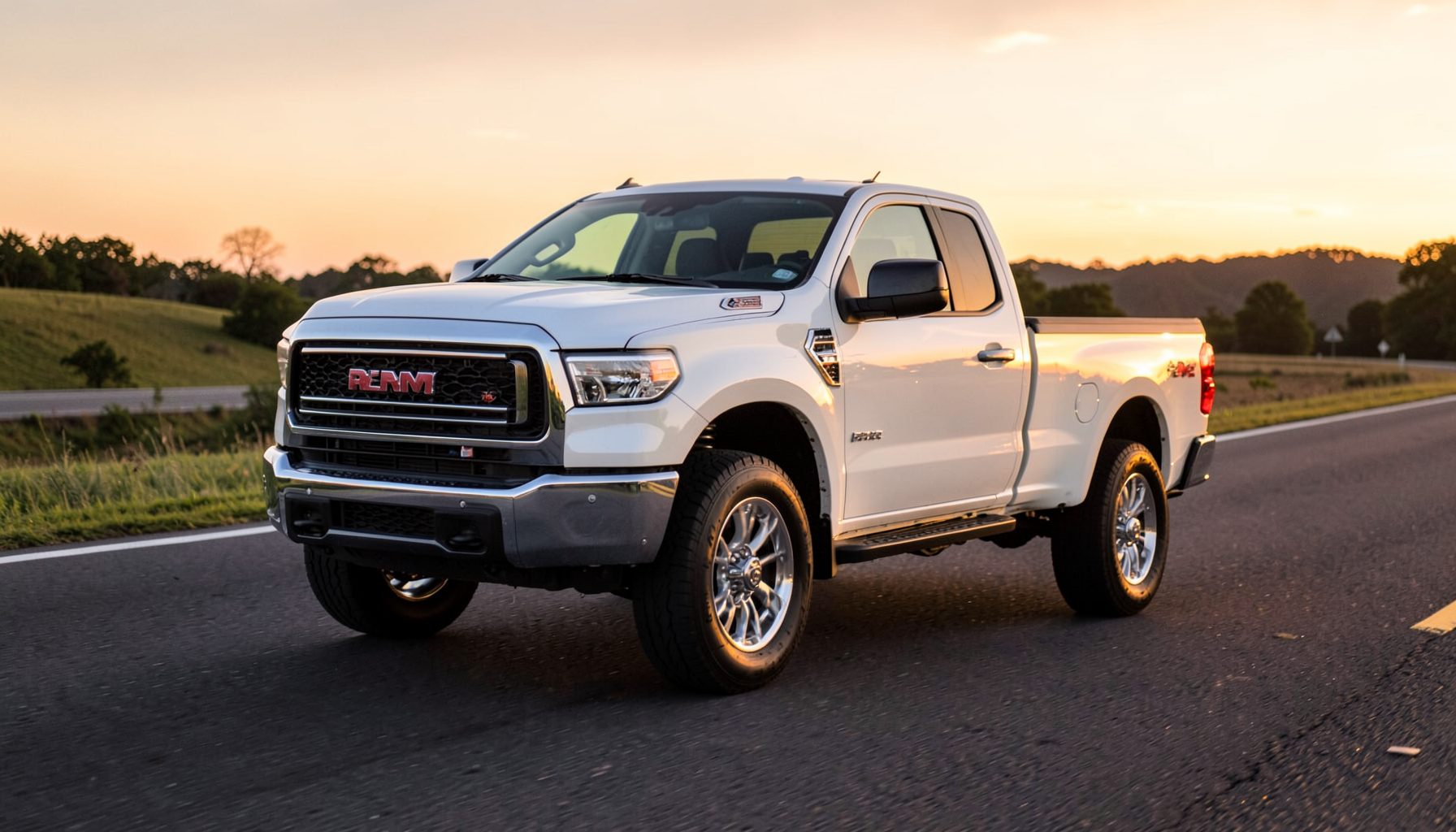
Used Car Inspection: What Our Technicians Check
Buying a pre-owned vehicle should feel like a confident decision, not a gamble based on a polished exterior and a short test drive. At Alan Vines Automotive Group, our technicians look beyond appearance to assess the condition, safety, and everyday dependability of each used car, truck, SUV, or van.
A professional inspection helps identify current problems, signs of previous damage, and maintenance needs that may affect ownership costs. It also gives shoppers a clearer understanding of how a vehicle has been cared for and what attention it may need next.
The process combines visual checks, mechanical testing, electronic diagnosis, and a road test. Whether you are considering a compact commuter, a family SUV, a work-ready Ram truck, or a pre-owned Hyundai, the same goal guides the evaluation: provide useful information before you make your purchase.
What A Professional Inspection Covers
A used car inspection begins with the vehicle’s history and overall condition. Our technicians examine the mileage, service indicators, fluid levels, warning lights, and visible evidence of wear. When available, service records and vehicle history information can add valuable context, especially when irregular maintenance or prior repairs are suspected.
The inspection also considers how individual systems work together. A worn tire may indicate an alignment issue, while uneven brake wear can point to a sticking caliper or suspension problem. Looking at related components helps prevent a small symptom from being treated as an isolated concern.
Technicians generally categorize findings by urgency. Safety-related issues require prompt attention, maintenance items may be expected based on age and mileage, and cosmetic imperfections may have little effect on drivability. This practical distinction helps shoppers understand which findings should influence their decision or budget.
Checking Exterior And Structural Condition
The exterior inspection starts with the body panels, paint, glass, lights, mirrors, handles, locks, and trim. Differences in paint color or texture can suggest a previous repair, while uneven gaps between panels may indicate collision work. Scratches and dents are documented separately from issues that may affect structural integrity.
The underbody receives close attention as well. Technicians look for excessive rust, fluid leaks, damaged shields, bent components, and signs of poor-quality repairs. In regions where vehicles may encounter road salt or moisture, corrosion around brake lines, suspension mounts, and other metal components deserves particular care.
The tires reveal more than remaining tread depth. Uneven wear across the inner or outer edge may point to alignment, suspension, or inflation problems. We also inspect the spare tire when equipped, wheel condition, tire age, and whether the tires are properly matched for the vehicle.
Testing The Engine Transmission And Drivetrain
Under the hood, technicians check the engine for leaks, unusual noises, damaged hoses, cracked belts, corrosion, and fluid contamination. They inspect oil and coolant levels and look for evidence that a vehicle has been poorly maintained or overheated. A cold start can be especially useful because it may reveal hard starting, excessive smoke, rough running, or noises that disappear after the engine warms.
The transmission is evaluated during operation for delayed engagement, slipping, harsh shifting, or unusual sounds. Automatic, manual, and continuously variable transmissions each have different operating characteristics, so the technician considers the vehicle’s design rather than applying a single standard to every model. Drive axles, differentials, four-wheel-drive systems, and all-wheel-drive components are also checked when equipped.
A road test provides information that a stationary inspection cannot. Acceleration, shifting, steering response, braking behavior, vibration, and engine temperature are monitored under normal driving conditions. The technician may also check whether the vehicle tracks straight and whether warning indicators appear during operation.
Evaluating Brakes Suspension And Tires
Braking performance is a central part of any pre-owned vehicle evaluation. Technicians inspect brake pads or shoes, rotors or drums, calipers, lines, hoses, and fluid condition. They also pay attention to pulsation, pulling, squealing, grinding, or a pedal that feels soft or travels farther than expected.
Suspension and steering components affect control, ride quality, and tire life. The inspection may include shocks or struts, ball joints, tie-rod ends, bushings, wheel bearings, steering linkage, and related mounting points. Excessive play or leaking components can reduce stability and may become more expensive if left unaddressed.
These checks are especially important on trucks and SUVs that may tow, carry heavy loads, or travel on rough roads. A vehicle can look ready for work while having worn suspension parts underneath. Matching the inspection findings to how you plan to use the vehicle creates a more realistic picture of its value.
Reviewing Electronics Safety And Comfort
Modern vehicles rely on electronic systems for starting, communication, driver assistance, climate control, and safety. Our technicians scan for diagnostic trouble codes and examine the instrument panel for warning lights. They may also test the battery, charging system, starting system, power windows, locks, mirrors, lights, wipers, audio equipment, cameras, and touchscreen features.
Safety equipment receives special attention. Airbag indicators, seat belts, stability control, anti-lock brakes, backup cameras, parking sensors, and available driver-assistance features should operate as intended. If a warning light has recently been reset, diagnostic testing can help identify whether the underlying fault remains.
The inspection can vary by vehicle configuration and age, but the major areas generally include the following:
| Inspection Area | What Technicians Look For | Why It Matters |
|---|---|---|
| Engine compartment | Leaks, fluid condition, belts, hoses, battery, cooling system | Helps identify maintenance needs and potential engine concerns |
| Transmission and drivetrain | Shift quality, axle condition, transfer case or differential operation | Supports reliable power delivery and traction |
| Brakes | Pad or shoe wear, rotors or drums, fluid, lines, pedal feel | Directly affects stopping performance |
| Steering and suspension | Worn joints, shocks, struts, bushings, wheel bearings | Influences handling, comfort, and tire wear |
| Tires and wheels | Tread, age, matching, pressure, alignment wear, wheel damage | Affects traction, safety, and near-term replacement costs |
| Electrical and safety systems | Warning lights, diagnostic codes, airbags, cameras, controls | Confirms important vehicle functions are working properly |
| Body and underbody | Collision signs, rust, leaks, damaged panels, structural concerns | Provides insight into past use and repair quality |
For shoppers comparing newer used SUVs, equipment and technology may be important parts of the decision. Features such as digital displays, smartphone connectivity, driver-assistance systems, and flexible cargo space can vary significantly by trim. This overview of the 2025 Hyundai Santa Fe shows why understanding a model’s available technology can help you evaluate a pre-owned alternative more effectively.
How Findings Shape The Buying Decision
An inspection report should be read as a practical condition assessment, not as a simple pass-or-fail label. Every used vehicle has some age-related wear, and a vehicle with minor maintenance needs may still be a sound choice. The important questions are whether the findings are understood, whether safety concerns are addressed, and whether the expected ownership cost fits your plans.
For example, replacing tires or completing routine fluid service may be manageable expenses. A transmission concern, significant frame damage, persistent overheating, or major electrical fault requires a more careful decision. Our team can explain what a finding means, how urgent it may be, and whether repair planning should be part of the purchase discussion.
Inspection information can also help compare two vehicles with similar prices. One may have higher mileage but consistent service records and strong mechanical condition. Another may look newer while needing immediate brake, tire, or suspension work. Condition, history, equipment, and total cost should be considered together rather than relying on model year alone.
Preparing For A More Informed Purchase
A little preparation makes it easier to use inspection results effectively. Bring your intended use into the conversation, whether that means commuting, family transportation, towing, weekend travel, or business work. The right vehicle depends on more than its appearance and advertised price.
Keep these steps in mind when reviewing a pre-owned vehicle:
- Ask which findings require immediate repair and which are routine maintenance items.
- Compare tire, brake, battery, and fluid condition with the vehicle’s mileage and service history.
- Confirm that safety equipment, warning-light systems, and electronic features operate correctly.
- Consider the estimated near-term maintenance cost alongside the purchase price.
- Take the vehicle for a thorough test drive and note any noise, vibration, hesitation, or unusual handling.
A trade-in can also affect the overall purchase decision. Knowing your current vehicle’s value may help you set a realistic budget before selecting a pre-owned model. Alan Vines Automotive Group provides finance center resources for shoppers reviewing payment options, financing information, and the next steps toward ownership.
Choosing Support Beyond The Sale
A careful inspection is one part of a responsible used-vehicle buying experience. Ongoing service matters just as much because regular oil changes, tire rotations, brake inspections, fluid checks, and manufacturer-recommended maintenance can help protect reliability. Our service department uses trained technicians and genuine parts to support vehicles after they leave the lot.
When an inspection identifies a repair or maintenance need, the information should be clear and specific. A useful explanation includes the affected component, the observed symptom, the likely urgency, and any recommended follow-up. This allows you to make a decision based on facts rather than guesswork.
Visit Alan Vines Automotive Group in Jackson, Tennessee, to review available pre-owned cars, trucks, SUVs, and vans with a knowledgeable team. Browse inventory online, arrange a vehicle evaluation, discuss trade-in and financing options, and ask our technicians about the condition of the vehicle that interests you. When you are ready, schedule a visit and take the next step toward a used vehicle chosen with greater confidence.