What makes the Ram ProMaster City a good choice for small businesses
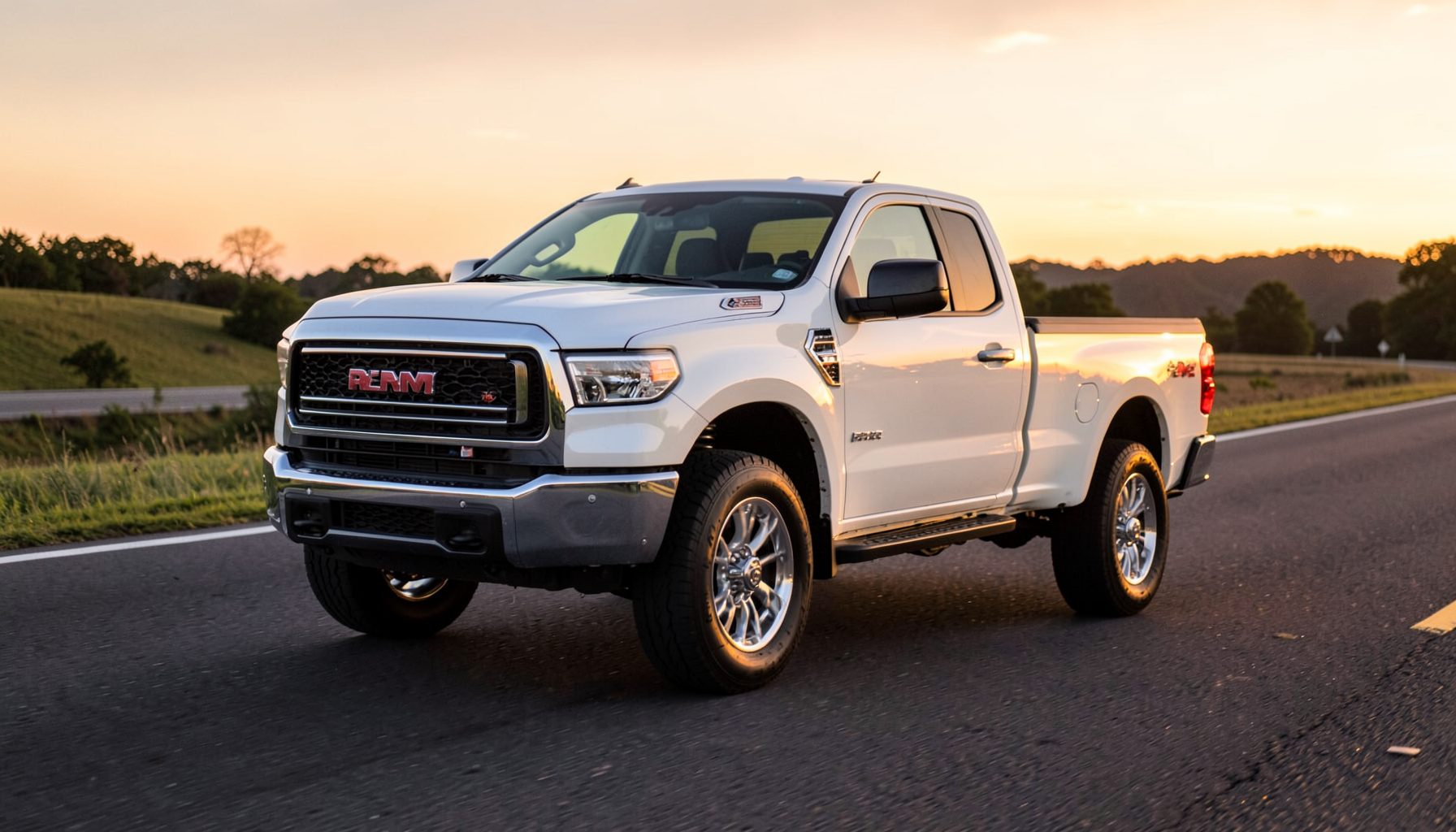
The Ram ProMaster City appeals to Australian small businesses because it combines a van’s enclosed, weather-protected load space with dimensions closer to a large passenger vehicle than a full-size commercial van. That balance suits couriers, florists, mobile tradespeople, hospitality suppliers and consultants who carry equipment through busy streets but rarely need a truck-sized vehicle every day.
What makes the Ram ProMaster City a good choice for small businesses is its efficient footprint, usable cargo bay and sensible operating concept. There is, however, an Australian qualification: this model has generally been sold in selected overseas markets rather than through the local new-vehicle mainstream. An example would usually require research into used-import eligibility, Australian Design Rules, state registration and the availability of suitable parts before it could be considered a dependable commercial asset.
A sensible assessment therefore looks beyond badges and styling. Payload, loading length, fuel use, parking access, compliance, serviceability and resale prospects matter more than whether a van looks adventurous. For Australian buyers, those practical questions also determine whether an imported ProMaster City is genuinely useful or merely an expensive novelty.
Compact dimensions for busy Australian streets
Across many versions, the ProMaster City is roughly five metres long and narrower than the familiar Ram ProMaster sold in North America. Its turning circle and rear overhang are easier to manage than those of a long-wheelbase van, yet the body still provides a squared-off load area. That mix helps in Melbourne’s narrow laneways, suburban loading zones and parking structures, as well as around Brisbane and Adelaide where curb space can be limited.
Compact dimensions also suit Australia’s habit of combining city work with regional errands. A contractor can park more easily at a suburban job, load several tool cases and still use regular signed parking spaces without protruding into traffic. The van is not a substitute for a payload-rated ute when carrying dense materials, but it can reduce the need for two vehicles. Drivers moving among Sydney CBD streets should still allow for clearways, school-zone restrictions, toll routes and council-specific parking rules, because legal access is separate from physical fit.
Cargo capacity suited to real work
The strongest business argument is the cargo bay. Depending on specification, published load volumes are around three cubic metres, with usable floor length, low loading edges and rear doors that make it more versatile than a hatchback. The van can carry boxed goods, folding racks, event equipment or a weekend of tools while shielding them from rain, dust and wind. Because the driver’s compartment remains separate from the load area, valuable cargo need not share space with passengers.
Businesses should still inspect the exact vehicle rather than rely on a model badge. Payloads differ by market, engine, transmission and axle configuration, while some imported examples may have had seats, shelving or flooring added. Australian trades often rely on tie-down points as much as raw volume, so check the anchor ratings, floor condition, door seals and rear aperture against the equipment being carried. A van that accepts the load safely on every trip is more valuable than one with impressive figures but unsuitable dimensions.
Engine choice and operating costs
Engine choices have also varied by market, with petrol and diesel versions, manual and automatic transmissions appearing in different countries. That variety makes fuel economy impossible to judge from the model name alone. Australian buyers should compare the engine badge, urban fuel consumption, service history, emissions equipment and fuel type, then include rego, insurance, servicing and repairs in the cost of each kilometre. A compact shape offers little financial advantage if an unfamiliar engine is expensive to support.
Short urban trips can also expose weaknesses hidden in longer-distance driving. A van carrying tools all day may be below its most economical operating point, while stop-start traffic in Melbourne or Sydney adds idling and brake wear. Owners should test the vehicle with a representative load and include tyre, brake, battery and coolant checks in any valuation. Local buyers comparing combustion models with hybrids or electric panel vans should calculate charging access, payload reduction and route suitability rather than assuming the smallest vehicle has the lowest running cost.
Compliance, safety, and road use
Compliance is the decisive issue for any imported example. Australian vehicles must meet applicable Australian Design Rules, and imported vehicles must present evidence of roadworthiness for registration in the state where they will be used. Many European examples are left-hand-drive, while right-hand-drive versions have existed in some markets; neither configuration is automatically compliant. A buyer may need a steering conversion, approved engineering modifications and an inspection, all of which can materially change the price. Eligibility for used imports also depends on age, category and customs rules, so written advice from the relevant state authority is essential.
Once registered, ordinary Australian Road Rules still govern parking, speed, seat belts, load restraint and fatigue. The compact body may fit more easily in a loading zone, but it cannot park in a clearway, obscure a driveway or carry an unsecured load. Before purchase, an independent pre-purchase inspection should cover steering, brakes, tyres, structure, corrosion and warning systems. If a check-engine light is illuminated, the dealership’s practical check engine light guide can help separate a minor sensor issue from a reason to avoid a long trip or seek immediate repair.
Financing, ownership, and service support
Ownership cost begins with the purchase method. For buyers purchasing through Alan Vines Automotive Group in Jackson, Tennessee, the dealer’s US financing options explain the application and payment process; they are not a substitute for an Australian finance contract, and freight, exchange rates, taxes and compliance work sit outside the advertised payment. Australian businesses should obtain quotes from a lender that understands business chattel mortgages, GST documentation and the vehicle’s actual use. Leasing may reduce upfront commitment, but mileage limits, wear charges and balloon payments can make a lightly used van less competitive than ownership.
Serviceability is just as important. Alan Vines provides trained technicians and genuine parts for the brands it represents and advertises a 3 Day Money Back Guarantee on qualifying vehicles; the precise terms, eligibility and any transport or import exclusions should be confirmed in writing before relying on them in a cross-border purchase. Trade-in assistance and special offers should also be checked for currency and market eligibility. Local support for an imported van may be limited, so confirm access to engines, brakes, electrical components and diagnostic software before completing the transaction. Insurance is another pressure point, as a modified or imported commercial vehicle may carry stricter terms than a locally supplied model.
Comparing the ProMaster City with local alternatives
The local market offers several alternatives that come with clearer Australian supply and service arrangements. Compact users often compare the ProMaster City with the Ford Transit Connect, while businesses needing more load volume consider a Toyota HiAce, Hyundai Staria or Maxus eDeliver 3. Peugeot and Citroën vans may also appear in used-import discussions. A locally sold truck or van can be easier to register and repair, although it may be larger, costlier or less nimble. Browsing the dealer’s current vehicle inventory can provide a useful benchmark for pricing, but price comparisons should be like-for-like and adjusted for shipping and certification.
The best comparison is a test route, not a brochure. Load the vehicle with the equipment, drive through the narrowest street and tightest car park encountered during the week, and review fuel, visibility, comfort and parking notices. Check whether local brands meet current safety requirements and offer roadside assistance suited to commercial use. For an overseas ProMaster City, the decisive premium must cover conversion, registration, parts, insurance and uncertainty; if it does not, a locally supported alternative may protect cash flow better. If it does, the compact, purpose-built van can reward owners whose daily work is perfectly matched to its size.
The Ram ProMaster City’s strongest qualities are easy to summarise: a compact footprint, a practical enclosed load area and enough capability for many urban businesses. Its Australian suitability is less simple because availability, steering configuration, certification and after-sales support can vary so much between imported examples. The vehicle name alone is not evidence of suitability.
What the reader should remember is that the best commercial van is not the smallest badge or the newest import. It is the vehicle that can carry the real workload, meet local road law, park where the business needs it and remain economical after every purchase, registration, service and insurance cost is counted.