What the Mitsubishi Mirage G4 is best for in daily driving
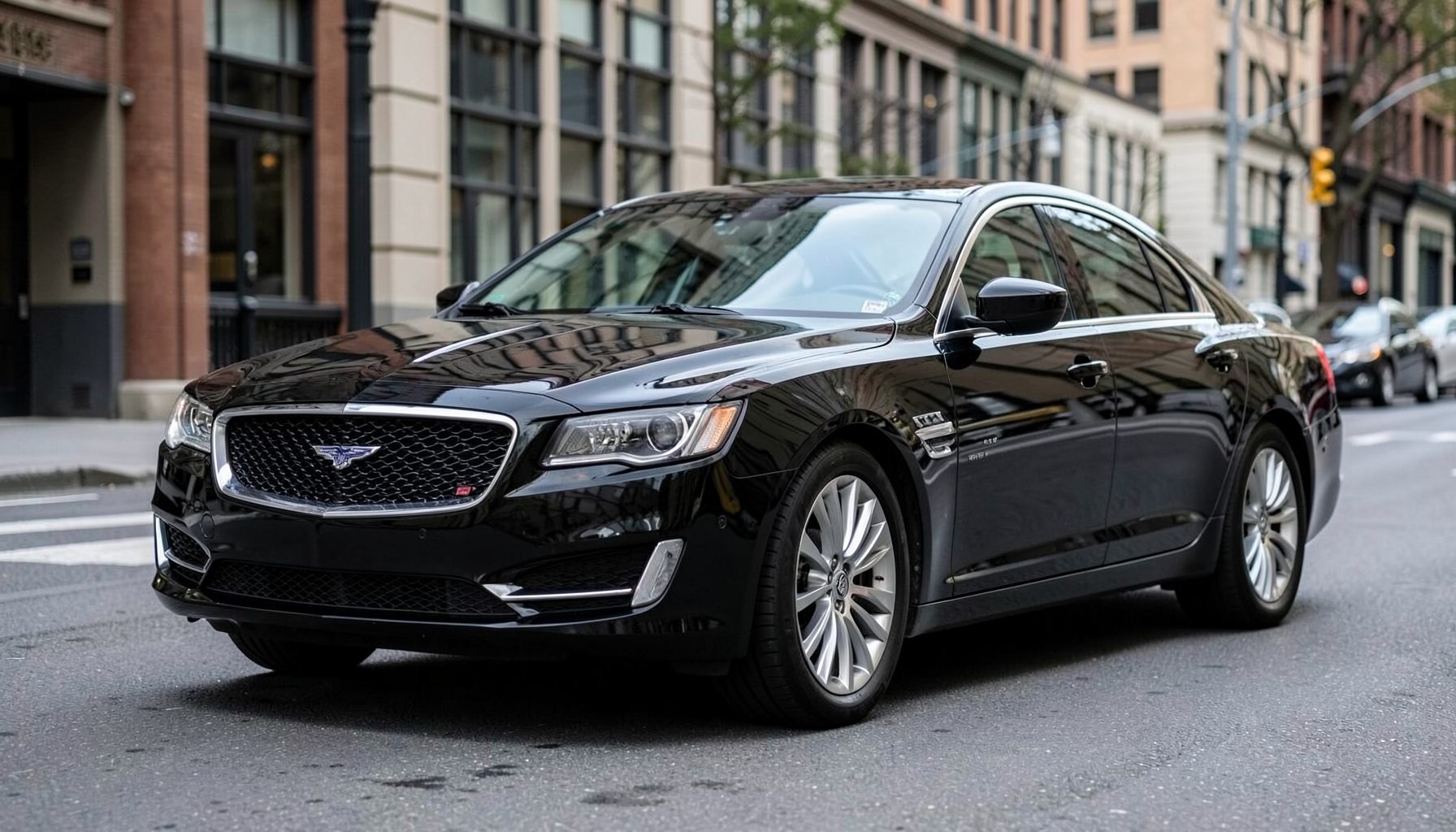
The Mitsubishi Mirage G4 is a compact petrol sedan designed around affordable, uncomplicated transport. Its 1.2-litre four-cylinder engine, front-wheel drive and six-speed automatic suit stop-start traffic, school runs and shopping trips, while its conventional boot offers more luggage capacity than many city hatchbacks.
It is not equally suitable for everyone. Performance is modest, rear-seat space and high-speed refinement are limited, and the G4 is less common in Australia than small SUVs. Its strongest case appears when a driver values economical fuel use, straightforward servicing and easy parking more than prestige, outright power or SUV height.
A practical fit for city and suburban routines
The G4’s relatively compact body makes it easy to place in tight parking spaces around Melbourne and Sydney, where cars often compete for limited street or garage space. Its light steering and modest dimensions help during low-speed manoeuvres, although the sedan still requires more parking length than a small hatchback.
Around town, the naturally aspirated engine feels more responsive than its modest 72 kW output suggests. Acceleration is adequate for traffic lights and residential roads, though overtaking a loaded truck on a highway requires some planning. The six-speed automatic generally changes smoothly, and the front-wheel-drive layout keeps the mechanical arrangement familiar and uncomplicated.
For many commuters, that combination is enough. A typical journey might involve short trips, a regular motorway run and an occasional visit to a larger regional centre. In Australian cities, posted limits are commonly 50–60 km/h, while many school zones use 40 km/h, making the G4’s ease of control around frequent speed changes useful.
Fuel economy and the real running cost
Official fuel consumption figures for Australian G4 variants generally fall around 6–7 L/100 km, depending on specification and driving conditions. The 47-litre fuel tank therefore provides a useful balance between range and a manageable refill volume, especially for drivers who prefer to fuel up at a familiar service station rather than carry a larger tank.
At an illustrative fuel price of A$1.80 per litre, consumption of 6.5 L/100 km works out to roughly 12 cents per kilometre before other expenses. That calculation is useful for comparison, but it does not include registration, insurance, tyres, servicing or finance charges. The habit of fixing a spending limit before choosing is familiar from casino bankroll strategies, and it translates usefully to vehicle ownership: calculate a realistic monthly cost before committing.
Regional travel adds another Australian consideration. Many smaller towns sit 80–150 km from the nearest major centre, and local service facilities may be limited. A dependable car with economical fuel use can make these journeys less costly, but a sensible reserve is still important when driving beyond areas with several fuel stations.
Safety and confidence on Australian roads
The launch-year Australian Mirage G4 received a five-star ANCAP safety rating, with strong adult-occupant protection and multiple airbags. Equipment and ratings can differ by model year, so the exact vehicle’s specification deserves attention rather than assuming every used G4 has the same protective features.
Australian traffic rules also reward predictable behaviour. Vehicles travel on the left, give-way rules apply at roundabouts, and handheld phone use is prohibited. A sedan with clear visibility, useful mirrors and appropriately sized tyres can feel manageable in dense traffic, while electronic assistance such as blind-spot monitoring or adaptive cruise control adds convenience on higher variants.
Hot weather can expose weaknesses in an ageing battery, particularly when the car is used mainly for short trips. Guidance on hot-climate battery checks is relevant during long summers in Adelaide, Brisbane and inland areas. Slow starting, dim lights or electrical features operating erratically can indicate a battery that needs testing rather than another replacement without investigation.
Cabin space, luggage and ride quality
Inside, the G4 provides a straightforward cabin for two adults and reasonable rear accommodation for occasional passengers. The driver’s seat is generally supportive, and the available space is adequate for daily commuting. Rear headroom and legroom are less generous than in a compact SUV, so taller passengers or several children may find the back seat cramped over longer journeys.
Its 506-litre boot is a meaningful advantage over the cargo area of a typical Mirage hatchback. It can accommodate weekly shopping, a stroller, suitcases or bulky household items, and the rear seat can split when additional length is needed. For a small family, that practical capacity may matter more than the fashionable appearance of an SUV.
Ride quality suits Australian sealed roads, with the short wheelbase helping the car feel composed in town. Around sharper bumps, the suspension can become busy, and the modest tyres provide limited protection against sharp-edged potholes. At motorway speeds of 100–110 km/h, wind and road noise become more noticeable. Its roughly 150 mm ground clearance also makes it unsuitable for flooded roads or genuinely rough tracks, regardless of how capable it feels in a car park.
Comparing the G4 with hybrid and electric choices
Australia’s new-car market is heavily populated by small SUVs, while sedans such as the Toyota Corolla, Hyundai Elantra and Mazda3 have represented the conventional car alternative. The G4 occupies a more limited position and is often encountered used, so purchase price, remaining service history and local availability can influence its value more than the original model-year marketing.
A Toyota Corolla Hybrid provides a useful comparison. Its petrol-electric system recovers energy while braking and coasting, often reducing fuel consumption in stop-start traffic. The G4 may cost less to buy and have simpler servicing needs, while the hybrid can offer lower operating costs for high-mileage drivers. The financial result depends on the purchase gap, annual distance and local fuel prices.
For a contrasting example, Alan Vines Automotive Group in Jackson, Tennessee profiles the Ioniq 5 electric SUV, showing how a battery-electric vehicle changes the ownership conversation. It requires access to reliable charging, needs a battery condition report and occupies more road space, but eliminates engine oil changes. Its US-market context should not be confused with Australian pricing or supply.
The drivers who gain the most value
The Mirage G4 works particularly well for a professional commuter, a couple with moderate luggage needs or a budget-conscious driver who covers regular urban distances. Its low fuel consumption, compact footprint and familiar mechanical layout make everyday expenses easier to anticipate. A driver without home charging may also prefer uncomplicated petrol operation to an electric vehicle’s range planning.
It is less suitable for households needing generous rear-seat space, frequent caravan towing, substantial cargo capacity or high clearance for unsealed roads. Those wanting a more refined motorway drive or stronger performance should test alternatives before settling. The G4’s engine can maintain legal highway speeds, but it works harder when the car is fully loaded or asked to overtake.
Ownership planning matters just as much as the purchase. A local Mitsubishi-trained technician or a capable independent workshop should be accessible, and the vehicle’s maintenance records should show regular servicing with suitable fluids and filters. Parts availability and common wear items can influence downtime, particularly for a car kept outside rather than in a garage.
A grounded checklist before choosing
Start with the exact vehicle rather than the model badge. Confirm the build year, variant, transmission, safety equipment, service history and completion of applicable recalls. Australian Design Rules compliance and the condition of registration papers matter for imported or privately sourced examples, while outstanding finance must be checked before any money changes hands.
A mechanical inspection should cover tyre age as well as tread, brake condition, suspension, rust, fluid leaks and evidence of previous flood damage. Battery testing and a check for overheating are particularly sensible on an older car in a hot climate. Any guarantee advertised by a seller should be read alongside its terms and Australian consumer-law obligations.
Finally, drive the car on familiar urban streets and at highway speed, checking visibility, braking, steering noise, cabin refinement and boot access. For a vehicle bought sight unseen from Alan Vines Automotive Group, US pricing, shipping and eligibility for its advertised three-day money-back guarantee require separate verification.
The practical takeaway is straightforward: the Mitsubishi Mirage G4 is best for affordable, efficient, ordinary driving, with a useful boot and predictable petrol ownership. Its appeal weakens when a driver needs more space, stronger performance or the higher seating position of an SUV.