What the Ram 1500 TRX offers for off-road enthusiasts
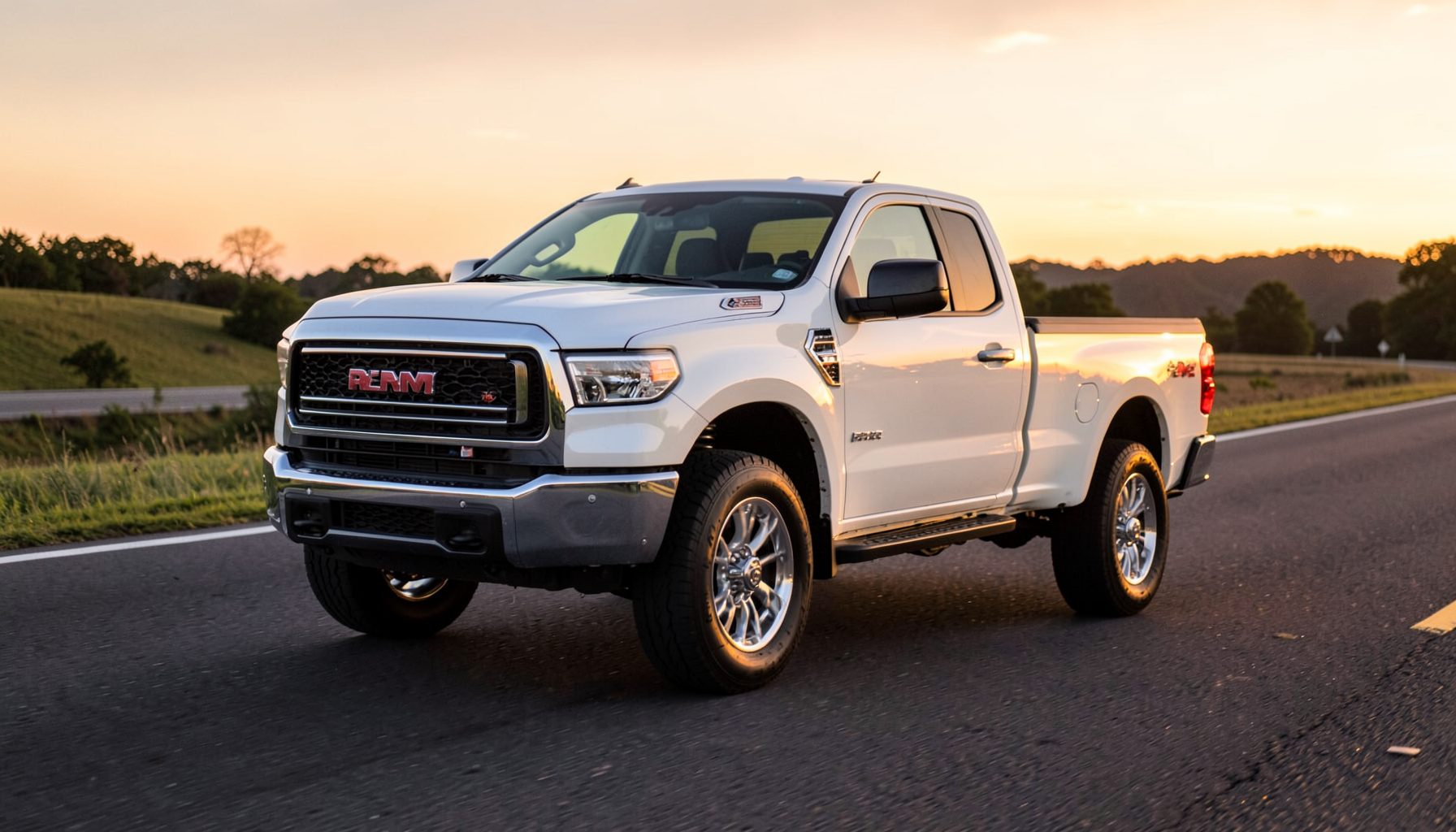
For Australian drivers, the Ram 1500 TRX is an unusual proposition: a road-going pickup with a supercharged V8, factory long-travel suspension and genuine four-wheel-drive hardware. It is neither a stripped-back trail special nor a conventional work ute. It appeals to enthusiasts who want serious off-road capability without building every component themselves, with factory support behind the modifications.
The TRX sits at the extreme end of the American full-size pickup range, combining a 702-horsepower engine with hardware developed for demanding terrain. It reached American showrooms as a short-lived performance model, so most examples now sit in the used market. For Australians, that makes the vehicle a specialist import rather than a routine new-model purchase, and ownership planning matters as much as the specification.
Australian conditions sharpen the evaluation. Traffic travels on the left, distances are measured in kilometres, and rural highways often have posted limits of 100 or 110 km/h. Popular four-wheel-driving routes can run through the Dandenong Ranges, Tasmania’s forestry tracks or outback country around Alice Springs, where corrugations, heat and dust punish soft suspension components and poorly matched tyres. A truck built for American gravel roads still needs to make sense here.
Jackson, Tennessee, provides the vehicle’s home-market reference point. Alan Vines Automotive Group sells new and used vehicles from Dodge, Jeep, Ram, Chrysler, Mitsubishi and Hyundai, alongside financing, trade-in help and a three-day money-back guarantee under its own terms. Its service department uses trained technicians and genuine parts, a useful standard when comparing support for a high-output pickup.
Why this factory 4x4 stands apart
The TRX’s defining feature is that its off-road package is factory engineered rather than pieced together. It has roughly 16 inches (406 mm) of ground clearance, 35-inch tyres, an eight-inch suspension lift, Bilstein dampers, a low-range transfer case and an electronic locking front differential. These components work together to preserve traction and control at speeds that would overwhelm many modified utes.
That capability comes with trade-offs. The TRX is long and wide, with flared arches and large wheels that can feel awkward in narrow car parks. Extra weight, soft spring rates and the 6.2-litre engine make it less economical and less manoeuvrable than a practical ute. A factory warranty can also be less straightforward for an imported vehicle, particularly when modifications have been made.
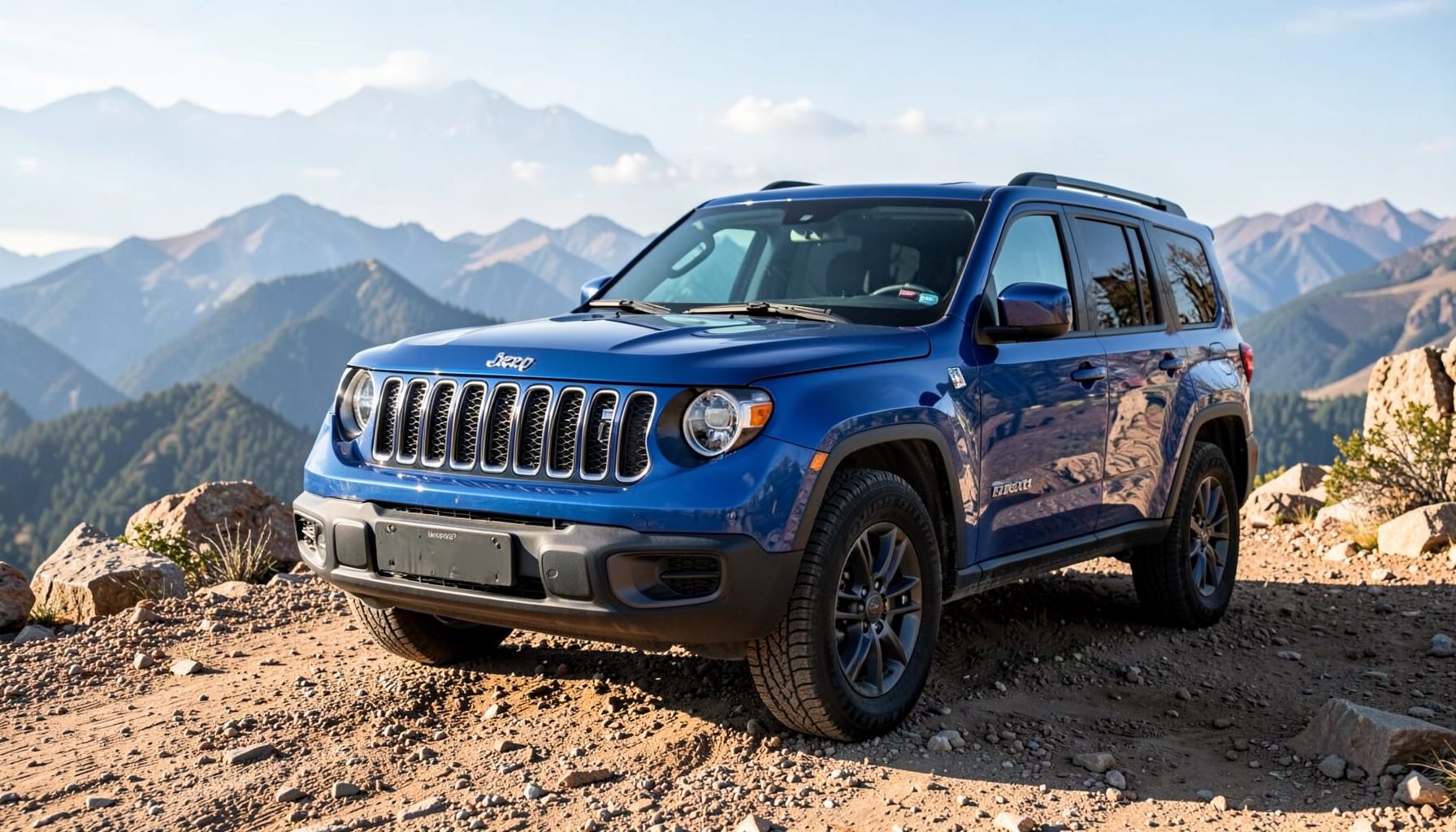
The dealership’s Jeep and Ram comparison offers useful context for buyers weighing the TRX’s emphasis against other off-road pickups.
Engine, gearing and road presence
The 6.2-litre supercharged V8 produces 702 hp, equivalent to about 523 kW, and 881 Nm of torque. An eight-speed automatic sends that output through the four-wheel-drive system, while paddle shifters allow manual control. Launch control can manage traction off the line, and a claimed 0–100 km/h time of roughly 4.5 seconds places the TRX in supercar territory.
For an Australian road, the useful question is what happens after the acceleration ends. The long-travel suspension can settle the truck over broken surfaces, and its steering remains composed at highway speed. Overtaking slow road trains on a Northern Territory highway, or braking hard near Townsville in tropical rain, still demands more space and restraint than the headline performance suggests.
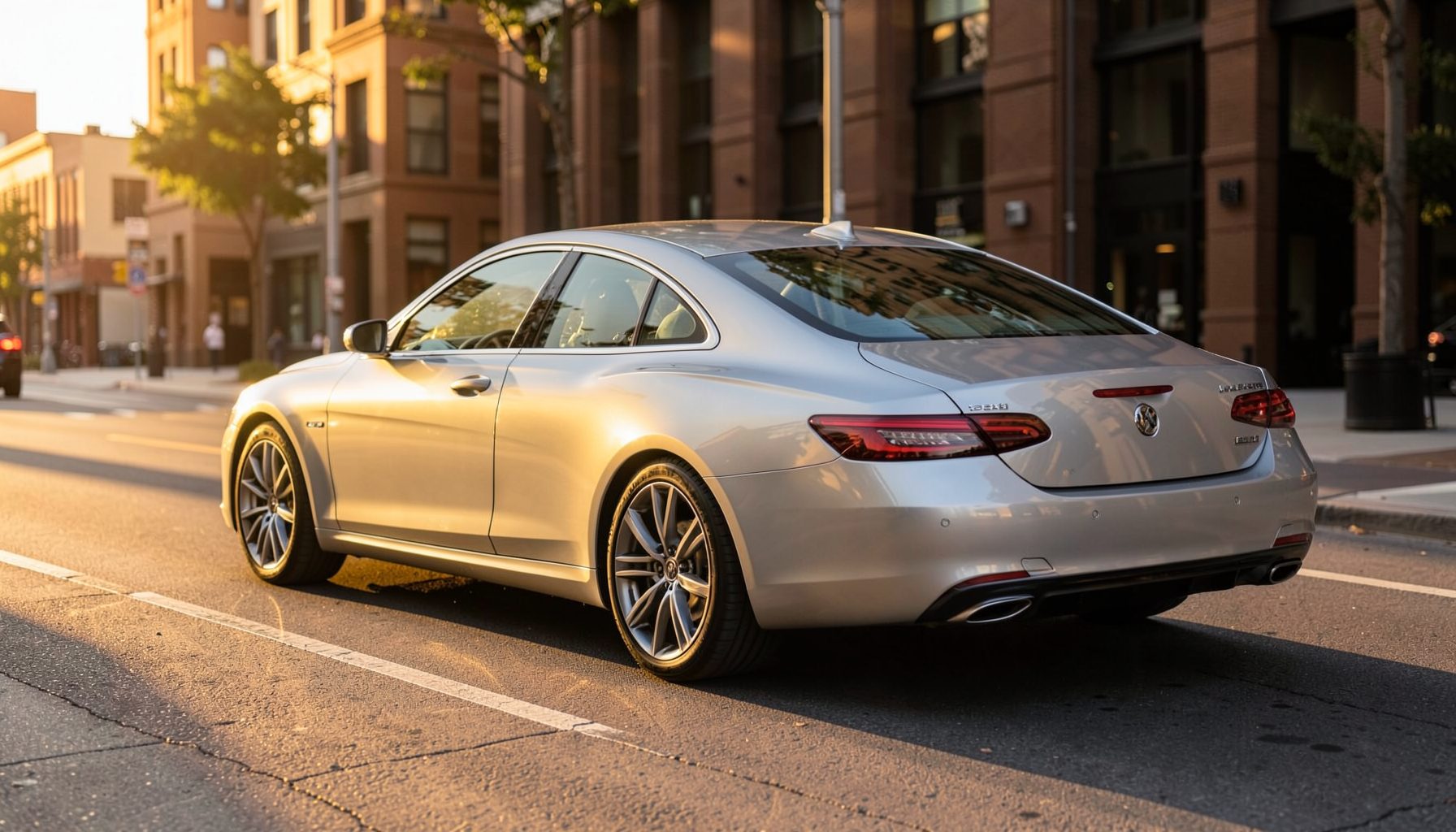
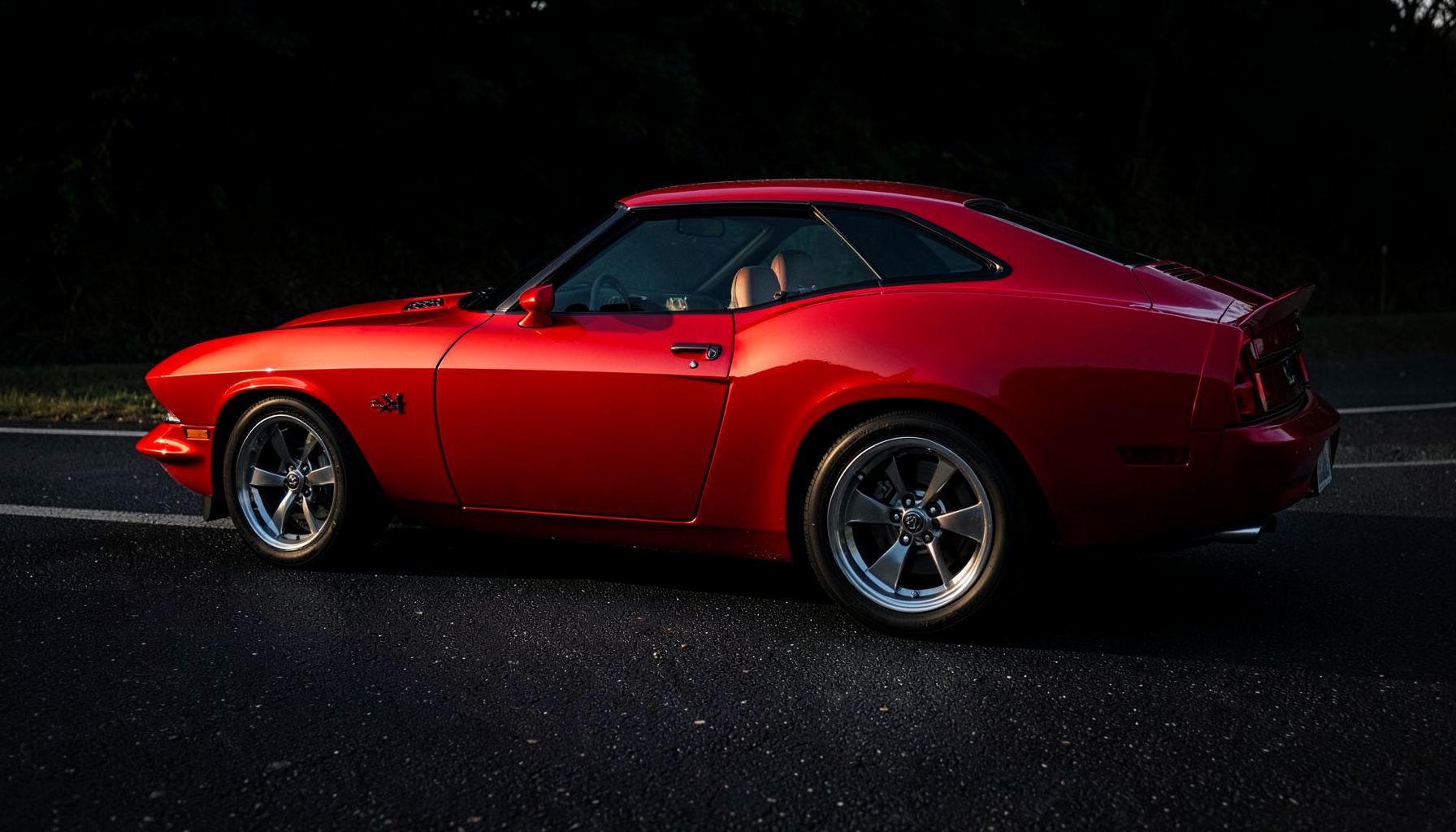
A performance coupe has a different brief, which makes this Dodge Challenger buying guide a revealing contrast. The Challenger focuses on speed and road handling; the TRX retains a cargo bed, towing ability and low-range gearing for work and recreation.
Off-road hardware and its real limits
The TRX’s off-road equipment extends beyond appearance. Its locking front differential helps distribute torque on loose ground, while the low-range gearbox provides mechanical leverage for steep climbs and deep sand. Large tyres improve flotation over soft surfaces, and the suspension’s travel helps the tyres remain in contact with irregular terrain.
Approach, departure and breakover angles remain important with such a long wheelbase. Published figures are approximately 31.3 degrees, 23.5 degrees and 18.7 degrees respectively. In practice, a long bonnet can limit access on narrow ramps, even with 406 mm of clearance. Obstacle courses, steep descents and creek crossings require a measured line rather than brute acceleration.
Payload and towing claims also need careful interpretation. Depending on configuration, factory towing capacity reaches about 3,674 kg and payload around 844 kg before occupants and accessories are added. Those figures depend on the axle, hitch and actual vehicle weight. Australian registration, towing and load rules must be checked for the completed setup, not just the maximum headline figure.
Making it work in Australia
A United States example is left-hand drive, while Australia drives on the left. In Melbourne, Adelaide or suburban Sydney, that arrangement makes urban driving and overtaking more demanding than in Jackson. The TRX’s width can also restrict access to narrow lanes, drive-throughs and bush camps. These are recurring ownership issues rather than faults unique to the vehicle.
Fuel planning needs the same attention. American miles-per-gallon figures do not translate directly to Australian litres per 100 kilometres, and a supercharged V8 becomes costly when towing a heavy caravan or trailer. Between Townsville and Darwin, or on a remote trip inland from Alice Springs, available fuel can be sparse. Range should be calculated conservatively, with recovery margin included.
Tyre servicing and repairs need local planning because the TRX’s specific 35-inch pattern is less common than mainstream Australian fitments. A compact SUV offers a different balance, as this Hyundai Tucson test drive illustrates: less extreme capability, but easier dimensions and typically lower running costs. For some campers, that trade is the more rational one.
Checks before buying an imported TRX
Vehicle history deserves close attention because many TRX owners added auxiliary lighting, snorkels, larger tyres or suspension changes. Ask for the VIN, service records, title documents and evidence of major work. Modifications can alter payload, handling and insurance terms, while an unresolved warranty issue may become an imported vehicle’s first major expense.
Import and registration also require specialist checks. Australian Border Force can advise on eligibility and import costs, while state authorities determine roadworthiness, emissions-related requirements and registration conditions. Confirm the exact vehicle rather than relying on a listing’s year, trim or modification description.
- Verify the VIN, title, recall history and service records, and investigate modifications rather than assuming factory equipment is still fitted.
- Confirm import eligibility, landed costs and state registration requirements before treating the purchase price as the complete cost.
- Reconcile the VIN plate, towing rating and payload with the intended trailer, cargo, passengers and Australian load limits.
- Price tyres, servicing, fuel and insurance in Australian dollars, including the likely need to source original or compatible parts locally.
Alan Vines’ used-vehicle terms, financing options and three-day money-back guarantee can provide a useful framework for due diligence in Jackson. They do not replace an independent inspection or verification of an importer’s obligations, particularly for a vehicle intended to spend most of its life in Australia.
A balanced buying decision
The Ram 1500 TRX makes the most sense for a buyer who values a supercharged V8, factory off-road engineering and towing performance, while accepting high fuel use, a large footprint and demanding servicing needs. It can be a rewarding weekend vehicle for experienced drivers, yet it is unlikely to replace a lighter ute for everyday errands or a caravan for long-distance family travel.
The practical takeaway is to judge the TRX as a specialist off-road and high-performance pickup rather than a do-everything bargain. Verify its identity, condition, import pathway, towing setup and local support, then match the purchase to a genuine need for that capability.