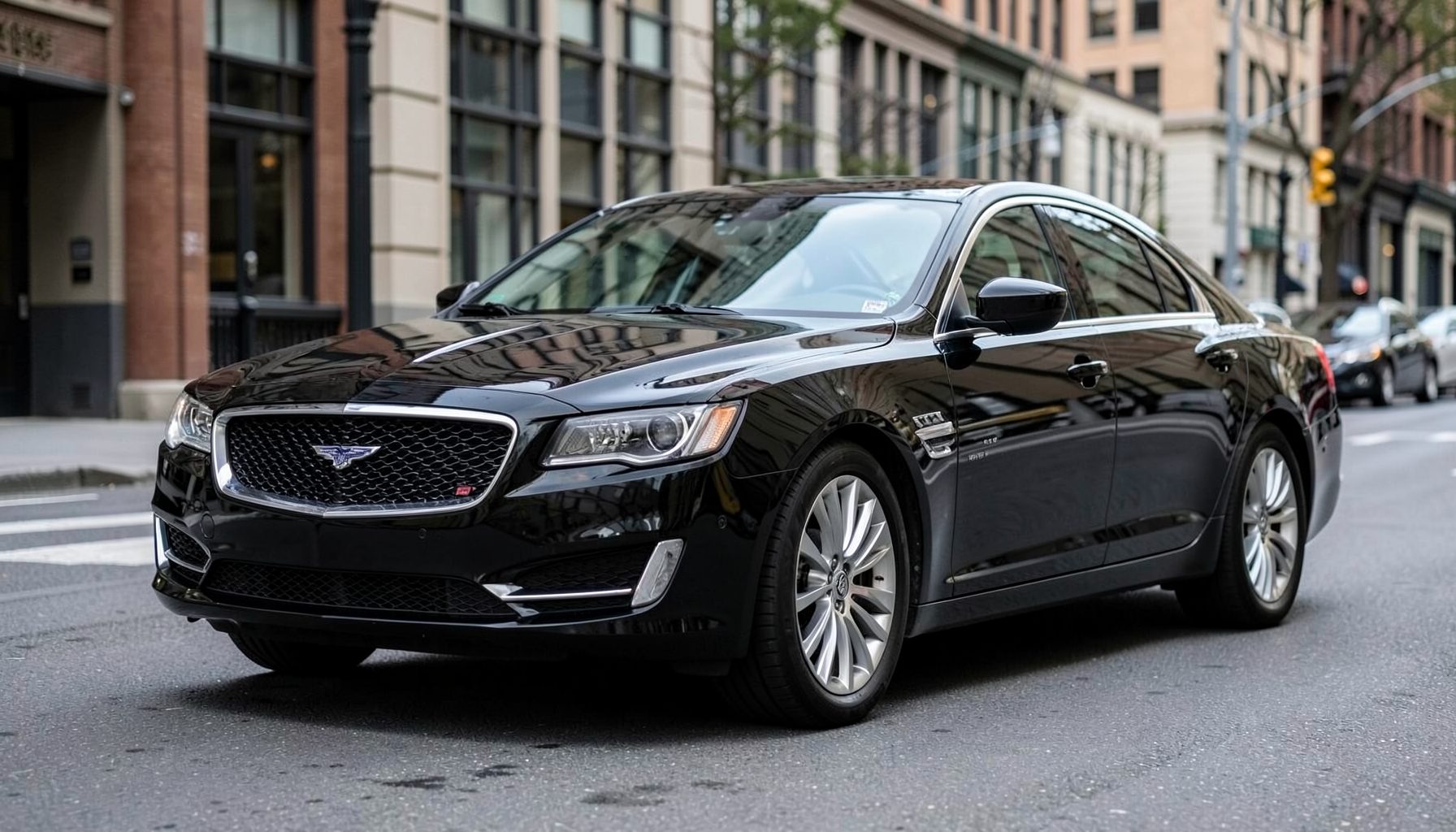
What to Look for in a Used Mitsubishi Mirage G4
A used Mitsubishi Mirage G4 can appeal to Australian drivers who want a compact sedan with modest running costs, simple controls and easy manoeuvrability in crowded urban areas. Its small petrol engine and light body make it particularly suited to commuting, short trips and first-car ownership, although its overseas specification means careful checking is essential before purchase.
The Mirage G4 is not as common in Australia as small hatchbacks such as the Toyota Yaris, Mazda 2 or Hyundai i20. Many examples available through private imports may have been built for left-hand-drive markets, so condition, compliance and parts support matter just as much as the advertised price. A thorough inspection can reveal whether the car is a sensible daily driver or an expensive import project.
Check The Vehicle’s Australian Compliance
The first question is whether the specific Mirage G4 can legally be driven and registered in your state or territory. A sedan built for the United States or another overseas market may not meet Australian Design Rules, lighting requirements, emissions standards or right-hand-drive expectations. Confirm the vehicle’s import approval, compliance documentation and registration history before discussing its mechanical condition.
A left-hand-drive car may be difficult or impossible to register for ordinary road use unless it falls within an applicable exemption. Requirements vary between New South Wales, Victoria, Queensland, Western Australia and other jurisdictions, so check with the relevant transport authority rather than relying on a seller’s statement. In Melbourne or Sydney, where regular registration and insurance checks are routine, missing paperwork can quickly turn a cheap car into a costly problem.
The vehicle identification number should also be checked through the Personal Property Securities Register. A PPSR search can identify outstanding finance, a recorded write-off or a stolen vehicle history. Ask for import records, previous registration papers and evidence of any engineering inspection. These documents are as important as the service book when assessing a Mirage G4 brought into Australia.
Inspect The Body And Underbody
Walk around the sedan in daylight and view each panel from several angles. Differences in paint colour, uneven gaps around the bonnet or boot, overspray on rubber seals and fresh fasteners can indicate previous accident repairs. Look closely at the front bumper, headlights and lower doors, as small cars often collect damage in car parks and narrow urban streets.
Inspect the tyres for even tread wear. Wear on one inner edge may suggest poor wheel alignment, worn suspension components or a bent steering part. Check the spare wheel, jack and wheel-brace as well; imported vehicles can arrive with incomplete equipment or a temporary spare that does not suit local requirements. Uneven tyre wear is particularly important if the Mirage G4 has spent years on rough suburban roads or gravel surfaces.
Get underneath the car if it is safe to do so. Look for oil leaks, bent underbody panels, damaged exhaust components and corrosion around suspension mounting points. Surface rust can occur on cars used near the coast, including areas around Sydney, Brisbane or Perth, while deeper corrosion is more serious. Also inspect the boot floor for moisture, since water leaks can damage wiring and create persistent mould or electrical faults.
Assess The Engine And Transmission
The Mirage G4 generally uses a small three-cylinder petrol engine designed for economical everyday driving. Start it from cold and listen for rattles, tapping noises or a lumpy idle. A seller who warms the vehicle before your arrival may be trying to hide difficult starting, excessive smoke or a warning light, so arrange an inspection when the engine has been sitting unused.
During the test drive, the engine should respond cleanly without hesitation, surging or excessive vibration. Small engines can feel busy when merging onto a motorway or climbing a steep hill, but a major lack of power may point to ignition, fuel or compression problems. Watch the temperature gauge and check for a sweet coolant smell, steam or signs of overheating after the drive.
Many Mirage G4 versions use a continuously variable transmission, or CVT. It should accelerate smoothly without shuddering, whining or a delayed take-up when selecting Drive or Reverse. A gentle rise in engine speed is normal, but harsh juddering under light acceleration is not. Ask whether the CVT fluid has been replaced according to the correct schedule and whether the required fluid was used. Transmission repairs can outweigh the purchase savings of an inexpensive used sedan.
Examine The Cabin And Safety Equipment
Inside the car, check the driver’s seat, steering wheel and pedals against the odometer reading. Heavy wear on these surfaces may suggest the vehicle has travelled much farther than shown. Test the air conditioning on its coldest setting, as it is important in hot Australian summers, especially in Brisbane, Darwin or western Sydney. Listen for unusual compressor noises and make sure the fan works at every speed.
Operate the windows, central locking, mirrors, infotainment system, reversing camera and dashboard controls. Imported vehicles may have radio frequencies, navigation software or language settings that do not work well in Australia. Confirm that the instrument cluster displays kilometres per hour rather than miles per hour, and check that warning lights illuminate briefly at startup before switching off.
Safety equipment deserves close attention. Confirm the presence and condition of airbags, seatbelt pretensioners, stability control and anti-lock brakes. A deployed airbag replaced with a cheap counterfeit component is a serious risk. If the car has been repaired after a collision, have a qualified technician scan the restraint system and inspect the wiring. A low purchase price is no compensation for compromised crash protection.
Review The History And Running Costs
Request every available service invoice, not just a stamped booklet. A useful history should show oil changes, brake work, coolant maintenance, battery replacement and CVT servicing where applicable. Compare the dates and kilometres on invoices with the odometer. Gaps are not automatic proof of neglect, but they should be reflected in the price and followed by a professional inspection.
Consider how the car was used. A Mirage G4 that spent most of its time in city traffic may have low kilometres but significant clutch, brake, suspension and interior wear. A vehicle used for long highway journeys can show higher kilometres while having a healthier drivetrain. Ask whether it was used for delivery work, rideshare driving, rental service or frequent short trips, all of which can affect mechanical life.
Fuel economy is one of the model’s attractions, but advertised figures are achieved under controlled testing. Real consumption depends on traffic, air conditioning, tyre pressure and driving style. Compare likely annual fuel costs with insurance, registration, tyres and servicing. Australian fuel prices vary by city and can rise sharply during regional supply disruptions, so modest savings per tank become more useful for drivers covering substantial weekly distances.
When researching vehicles online, also separate useful ownership information from unrelated search results. A page such as Australia baccarat odds may appear in an Australia-focused browsing session, but it offers no evidence about a car’s roadworthiness, value or compliance. Use manufacturer documentation, transport authorities, inspection reports and verifiable vehicle records for purchase decisions.
Compare The Car With Local Alternatives
The Mirage G4’s compact dimensions and light steering suit dense streets, shopping-centre car parks and beginner drivers. Its boot gives it a practical advantage over some small hatchbacks when carrying luggage or groceries. However, the sedan body may be less convenient than a hatchback for bulky items, and rear-seat space is limited for taller passengers.
Availability is a major consideration in Australia. The Mirage name is more familiar through the small hatchback sold locally, while G4 sedans are often grey imports or vehicles sourced from markets such as the United States. That can affect parts supply, resale value and insurance. Before buying, ask a Mitsubishi specialist whether filters, body panels, glass, suspension parts and electronic components are readily obtainable for that exact VIN.
Compare the G4 with locally supported alternatives, including a Mitsubishi Mirage hatch, Hyundai Accent, Kia Rio, Toyota Yaris or Mazda 2. A competing car may cost slightly more yet provide easier servicing, stronger resale demand and fewer compliance questions. On the other hand, a well-documented G4 with legal registration and a clean inspection may offer useful value for a buyer who prioritises a small boot-equipped sedan.
If browsing stock from an overseas dealership, remember that availability and suitability are separate issues. Alan Vines Automotive Group provides online access to featured vehicles, which can help buyers understand how vehicle listings present mileage, equipment and pricing. Australian shoppers should still confirm whether a vehicle is physically located in Australia, whether it is right-hand drive and whether local import and registration rules apply.
Arrange an independent pre-purchase inspection before paying a deposit. The inspector should scan the vehicle electronically, measure paint thickness, assess the CVT, test the cooling and air-conditioning systems, inspect the underbody and verify safety equipment. A road test should include stop-start traffic, a smooth road and a motorway-speed section where legal.
The practical choice is a Mirage G4 with verified Australian compliance, a consistent service history, healthy CVT operation, even tyre wear, working safety systems and a price that accounts for its uncommon local status. Treat missing records, unexplained repairs or uncertain import paperwork as reasons to pause. For this model, careful verification is what turns low-cost motoring into dependable ownership.