What to Look for When Test Driving a Used Ram 2500
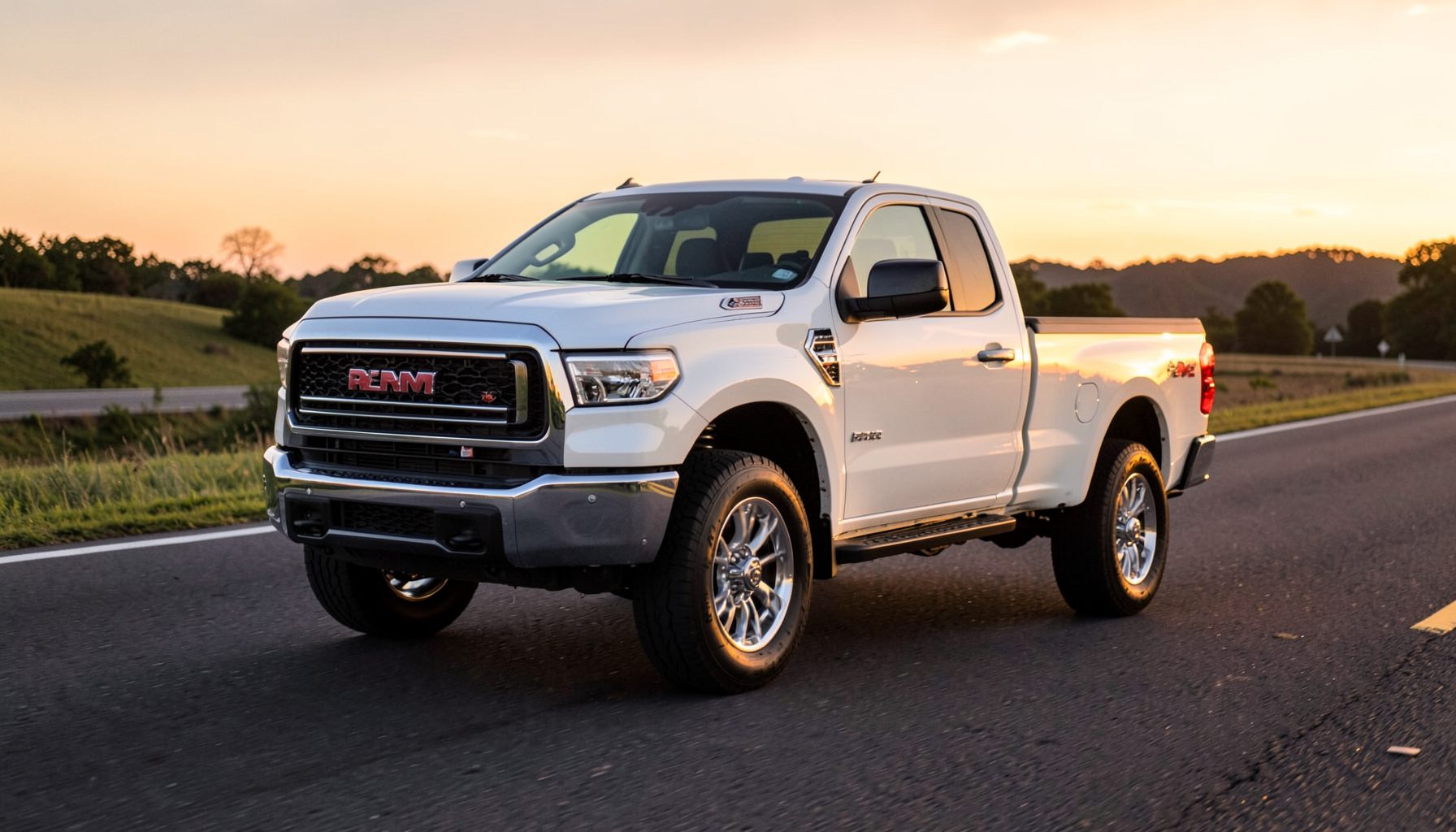
A used Ram 2500 can be an impressive tow vehicle, work truck or recreational hauler, but its size and complexity demand a more careful inspection than an ordinary second-hand ute. A quiet engine and clean cabin are useful signs, yet they do not tell you everything about the drivetrain, suspension, cooling system or towing history.
For Australian buyers, the decision also involves factors beyond the drive itself. Many Ram 2500s are imported from the United States, may have been converted from left-hand drive, and can have different compliance, registration and parts considerations from locally delivered vehicles. A truck that feels excellent around a dealership in Melbourne or Brisbane still needs to suit your state’s rules and your actual workload.
Take a methodical approach. Arrive with a clear idea of the trailer you intend to tow, inspect the vehicle before the engine is warm, drive it through several conditions and arrange an independent mechanical inspection. The more expensive and specialised the truck, the more valuable this discipline becomes.
Match the Truck to Your Real Requirements
Start by identifying what the Ram 2500 must do. A boat, horse float, enclosed race-car trailer or large caravan can place very different demands on the vehicle. Check the trailer’s aggregate trailer mass, ball loading and braking requirements, then compare them with the specific truck’s tow rating, gross vehicle mass and gross combined mass. Do not rely solely on a generic online specification because engine, axle ratio, cab style and model year can change the figures.
Think about where the truck will be used most often. A 2500 may be comfortable on long highways near Adelaide or Perth, but its width and turning circle can become tiring in older suburban streets and multi-storey car parks. Fuel use, tyre prices and parking space should be part of the ownership calculation, particularly if the vehicle will spend most weekdays travelling empty.
Australian registration rules deserve early attention. A vehicle’s allowable mass and licence requirements vary by state and territory, while imported vehicles may need evidence of compliance, engineering approval or an approved conversion. Confirm the identification plate, steering conversion paperwork, lighting and safety equipment with the relevant authority before paying a deposit.
Inspect the Body, Cabin and Conversion Work
Walk around the Ram 2500 in daylight and look for uneven panel gaps, mismatched paint, overspray and corrosion. Inspect the lower doors, wheel arches, tray or tub, tow bar and chassis rails. Rust around the frame, suspension mounts or brake lines is especially important on an imported truck that may have spent time in areas using road salt. Look underneath for fresh underseal that could conceal repairs.
Examine the front suspension and steering components closely. Heavy-duty pickups can develop wear in ball joints, tie-rod ends, track bars and steering dampers, particularly after carrying large loads or travelling on rough roads. Ask someone to turn the steering wheel slightly from side to side while you watch for delayed movement, clunks or excessive play.
If the truck has been converted to right-hand drive, inspect the workmanship rather than assuming a professional conversion. Look for straight, secure brackets, properly routed wiring, consistent welds and a steering wheel that feels centred on the road. Check that the dashboard, pedals, mirrors, wipers and lighting suit Australian driving conditions. A conversion certificate and service records should match the vehicle identification number.
Inside, test every electrical function: air conditioning, heated seats, power windows, cameras, parking sensors, cruise control and the infotainment system. Sit in each seating position and check whether the driver has a clear view of the left-hand front corner, especially if the truck will be used in tight loading areas. Warning lights should illuminate during the start-up check and then go out once the engine is running.
Pay Attention to Engine, Transmission and Brakes
Insist on seeing the engine start from cold. A warm engine can hide hard starting, excessive smoke or an unstable idle. Depending on the year and specification, you may encounter a 6.7-litre Cummins diesel or a 6.4-litre petrol V8. Listen for sharp knocks, unusual rattles, belt noise and excessive vibration. A brief change in sound during a diesel’s emissions-system regeneration can be normal, but unexplained smoke or warning messages warrants investigation.
During the drive, the automatic transmission should select gears smoothly and predictably. Test gentle acceleration, firm acceleration and a controlled stop. Watch for delayed engagement when shifting from Park to Drive, harsh changes, slipping, hunting between gears or a flare in engine speed without corresponding acceleration. If fitted, engage four-wheel drive according to the manufacturer’s instructions and check for warning lights, binding or unusual noises.
Test the brakes on a quiet, legal stretch of road. The pedal should feel firm, the truck should stop in a straight line and the steering wheel should not shake under moderate braking. Listen for grinding and check whether the anti-lock system or stability-control warning lights appear. A heavy pickup with a loaded trailer magnifies weaknesses in tyres, brakes and suspension, so these systems deserve more attention than cosmetic details.
Drive over a range of surfaces without abusing the vehicle. Notice whether it wanders, pulls under acceleration or needs constant steering correction. Check the ride over speed humps and rough patches, then listen for knocks from the front end and rear suspension. On a highway, assess wind noise, vibration and temperature gauges. A truck that feels unsettled at 100 km/h may require costly steering or suspension work.
Use a Structured Inspection and Cost Check
A written checklist prevents a glossy presentation from distracting you from important evidence. Before the appointment, review the service history, vehicle identification number, roadworthiness documents, import or conversion records and any available history report. Ask why the owner is selling, whether the truck has been used for commercial towing and when major items such as tyres, injectors, suspension parts and transmission servicing were completed.
Some buyers treat a bargain headline price as proof of value, but a low price can conceal deferred maintenance. Even when browsing entertaining material about cash symbols, keep the truck purchase grounded in evidence: a mechanic’s report, verified records and realistic running costs matter more than an exciting deal.
Before the drive
- Check cold-start evidence and dashboard warning lights
- Confirm tow ratings, mass limits and tyre load ratings
- Inspect service, import, conversion and registration paperwork
- Look underneath for leaks, rust and chassis damage
During the drive
- Test steering, brakes, transmission and four-wheel drive
- Listen for drivetrain, suspension and turbocharger noise
- Check temperature, oil-pressure and charging gauges
- Try urban manoeuvres as well as open-road speeds
Add up the likely first-year costs, including registration, insurance, diesel or petrol, servicing, specialist parts, tyres and any required engineering work. In regional Queensland, the Northern Territory or rural Western Australia, access to a workshop familiar with US heavy-duty trucks may be limited, so distance and transport costs can affect ownership. Genuine parts are an advantage, but availability and freight times still deserve consideration.
A dealer purchase may provide extra protections or policies, but read the actual terms rather than relying on a verbal summary. If trading in an existing vehicle, establish its finance payout before negotiating the changeover figure; guidance on trading in a financed car can help separate the loan balance from the vehicle’s market value.
Turn the Test Drive Into a Sound Decision
After the drive, write down what you felt while the impressions are fresh. Separate minor faults, such as worn wiper blades or a small interior mark, from safety or drivetrain concerns. A cracked tyre, steering looseness, overheating, poor braking or an uncertain conversion history should pause the purchase until an expert has assessed it.
Arrange a pre-purchase inspection with a mechanic who understands diesel pickups and imported vehicles. Ask for checks of diagnostic trouble codes, fluid condition, cooling performance, turbo or fuel-system operation, driveline backlash, suspension play and chassis integrity. If you intend to tow immediately, ask whether the tow bar, electric brake controller and trailer wiring are correctly installed and suitable for your trailer.
Compare the inspection result with the seller’s claims and the vehicle’s price. A documented repair plan can support a fair negotiation, while several unrelated faults may indicate a truck that has been neglected. Check whether any dealer-backed warranty, return policy or money-back arrangement applies to the exact vehicle and your purchase circumstances, particularly if the truck is being bought interstate or imported.
The best used Ram 2500 is the one that fits your legal limits, towing needs, driving environment and maintenance budget. Test it cold, inspect the conversion and chassis, verify the paperwork, drive it under realistic conditions and obtain an independent report before committing. That process turns a powerful-looking pickup into a decision based on evidence rather than appearance.