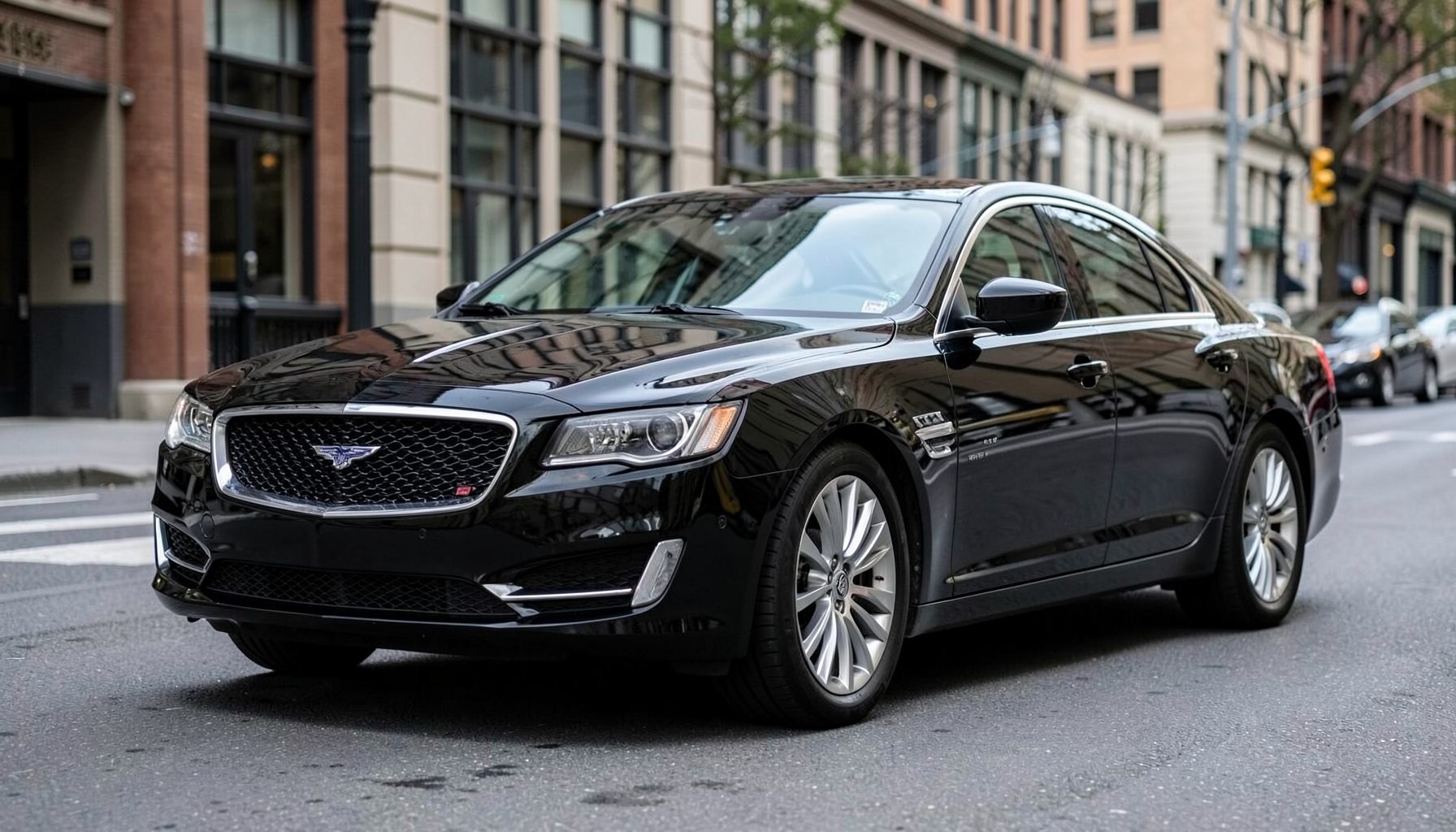
Why a pre-owned Jeep Grand Cherokee Trailhawk is great for off-roading
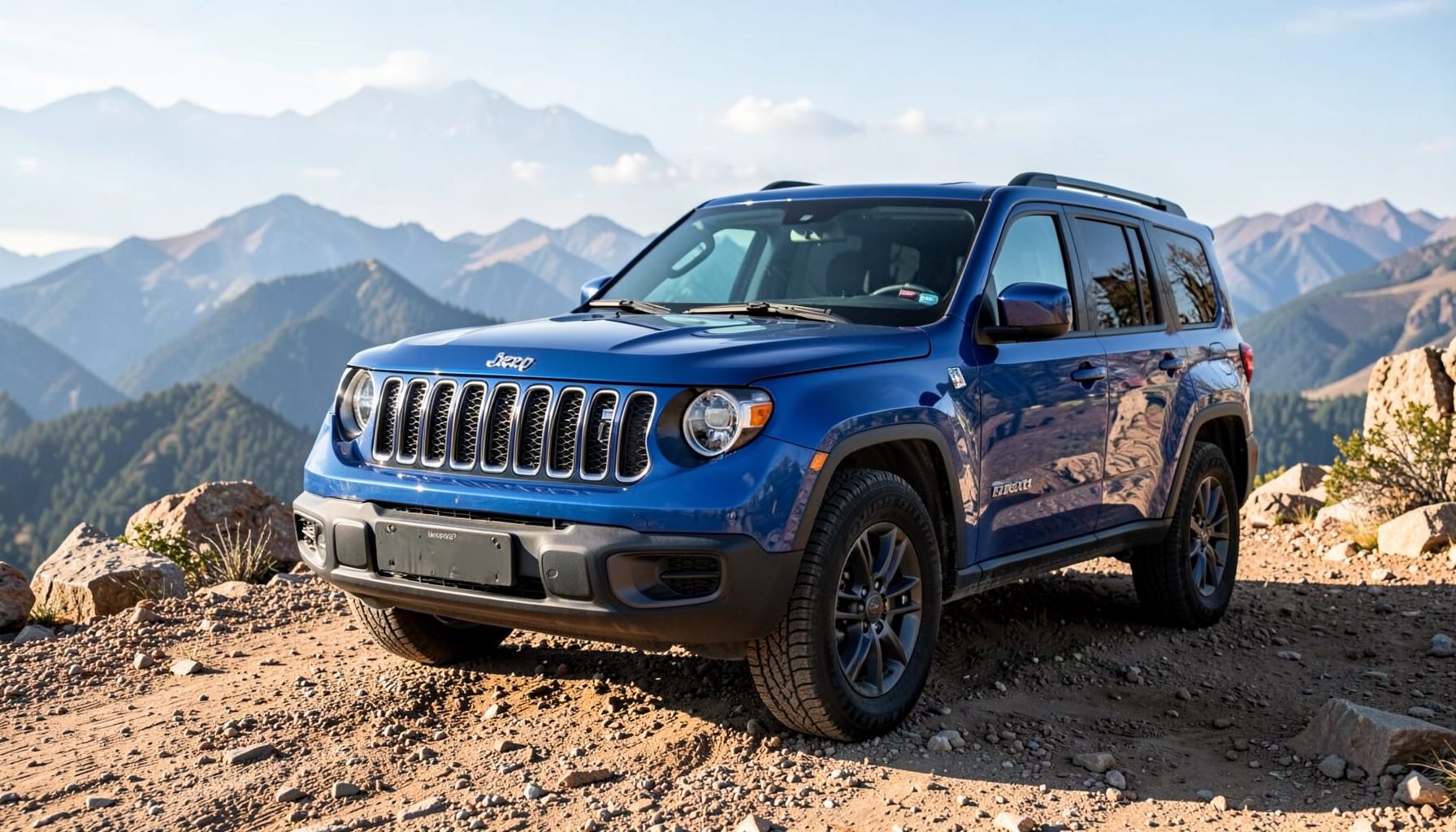
The Trailhawk’s reputation comes from hardware that is useful long before a vehicle reaches a designated four-wheel-drive track. Its low-range transfer case, locking rear differential, generous ground clearance and V8 engine give it the mechanical foundation for steep climbs, loose surfaces and long days in remote areas. Those qualities make a used example particularly appealing to Australian buyers seeking something capable without buying a full-size ladder-frame ute.
Buying one second-hand requires the same scrutiny as any modified four-wheel drive, with extra attention to off-road use. Previous owners may have fitted a lift kit, altered the suspension, neglected water crossings or recorded substantial kilometres without following the factory service schedule. A sound purchase combines the Trailhawk’s capability with documented maintenance, an independent inspection and realistic expectations about fuel, insurance and modifications.
Off-road hardware with genuine teeth
Most WK2-generation Trailhawks use full-time four-wheel drive, a low-range transfer case, a rear electronic limited-slip differential and Jeep’s Selec-Trac system. Rock mode optimises traction for steep, uneven terrain, while the raised air-suspension setting can provide roughly 850 mm of ground clearance depending on year and tyre specification. That extra clearance protects vulnerable components and makes the difference on rutted bush tracks.
The V8 adds more than straight-line performance. Its torque is useful when selecting low range, climbing loose hills or pulling a loaded trailer across gravel, and it gives the vehicle enough reserve for hot weather, steep grades and heavy loads. Early Trailhawks used the 6.2-litre HEMI, while later models received the more powerful 6.4-litre version producing approximately 357 kW and 637 Nm.
Used condition matters with capable hardware. Check the transfer case for fluid leakage or difficult engagement, inspect the rear differential and driveshafts, and look for evidence that the air compressor has been working hard. A raised vehicle still needs suitable approach and departure angles, reliable cooling and undamaged underbody components. Capability depends on everything supporting it, not just the badges and factory hardware.
Built for Australian bush tracks
Australian conditions reward exactly the strengths associated with this SUV. Around the Blue Mountains, Kosciuszko, Tasmania’s high country or the unsealed routes around Kakadu, a driver may encounter corrugated surfaces, sudden washouts, steep rock steps and soft sand in a relatively short distance. The Trailhawk’s clearance and low-range gearing make those routes more manageable, provided the driver chooses an appropriate line.
Access rules and expectations vary between national parks, state reserves and private land. Some tracks require a permit, while others close after rain or during the wet season. Checking current conditions with Parks Australia or the relevant state authority prevents a productive day from becoming a recovery exercise. Drivers should also follow local etiquette, which includes yielding on narrow tracks, packing out rubbish and keeping noise low around campsites.
Water crossings need particular caution. A high-riding SUV is not automatically suitable for deep water, and sealed electrical connections, air lines and the intake still have limits. The owner’s manual should be consulted, and a ford should be assessed on depth, current and bed stability. On a typical arvo in the outback, good planning includes carrying water, a satellite communicator or personal locator beacon, and enough spare fuel to turn around safely.
Towing, camping and everyday space
A Trailhawk can suit Australian families that combine touring with towing. Depending on model year and configuration, some examples are rated to tow around 3,500 kg, making them relevant for a caravan, enclosed trailer, boat or compact camper. The tow rating, tongue weight and brakes must be checked before loading anything. Local trailer regulations, load ratings and sway-control requirements remain separate from the vehicle’s tow rating.
The wagon body also offers a more enclosed alternative to an ute. Roof rails can carry a rack, while the cargo area can accommodate recovery gear, water containers or camping equipment. A towbar adds weight behind the axle, so a full-height load can affect handling and braking. Owners should keep the vehicle within its stated payload, which includes passengers, luggage, accessories and the trailer’s tongue load.
There are everyday compromises. A Trailhawk is wide and long, making it less convenient in some shopping-centre car parks and on tightly winding roads than a conventional SUV. Fuel use rises with urban traffic, towing and off-road driving, while oversized tyres can increase noise and wear. For a buyer splitting time between school runs, highway travel and bush weekends, those costs are manageable provided they are included in the ownership plan from the beginning.
V8 power and real-world running costs
The V8 is one of the Trailhawk’s most enjoyable features on a suitable road or trail. It provides strong overtaking power, a relaxed feel at highway speeds and useful torque in steep terrain. Later 6.4-litre models deliver a distinctly muscular driving experience, while earlier 6.2-litre engines still feel lively by SUV standards. A used buyer should confirm the engine variant rather than assuming every Trailhawk has the same output.
Fuel consumption is the trade-off that matters most in regional Australia. A large petrol V8 can use well over 10 litres per 100 kilometres depending on speed, terrain and load, and consumption rises substantially while towing. Remote routes also have long gaps between fuel stations. The correct fuel grade should be confirmed in the vehicle manual, with regular servicing of the fuel system and careful tyre pressures helping to protect both economy and safety.
Insurance and servicing can also exceed the costs of a smaller family SUV. A specialist broker should quote the exact vehicle, modifications and intended use because an enthusiast history may affect cover. Regular oil changes, cooling-system checks and attention to the HEMI’s valve covers and exhaust components are sensible for any high-mileage example. Alan Vines Automotive Group’s service department uses trained technicians and genuine parts, which can provide useful support for owners who want established procedures followed.
A careful used-vehicle inspection
Start with the VIN, title status, service records and recall history. A pre-purchase inspection by a four-wheel-drive specialist is more valuable than a routine dealer check when the vehicle has been used on trails. The inspector should examine the chassis and underbody for impact damage, the frame and mounting points for corrosion, and the body for evidence of flood exposure or previous repairs.
Mechanical checks should include the transfer case, front and rear differentials, driveshafts, steering, brakes and air suspension. Test all four-wheel-drive modes and confirm that the locking rear differential engages cleanly. The inspector can also assess whether the tyres are appropriate, whether a lift has changed alignment and whether the cooling system has been modified for repeated low-speed off-road use.
Previous modifications deserve close attention. External lifts, snorkels, bull bars, winches and altered exhausts may affect safety, insurance or rego. Some changes may require certification depending on the state, and a factory warranty may no longer apply once suspension or engine components are modified. Water crossings, winching and repeated low-range use should be mentioned to the inspector rather than discovered after the inspection has finished.
A complete history can affect both price and finance. US-resident buyers can review Alan Vines Automotive Group’s finance options and check whether lending is available for the selected vehicle. Australian buyers should establish how payment, title and shipping will work before committing, rather than assuming a local application will be accepted.
Purchasing from Jackson across the Pacific
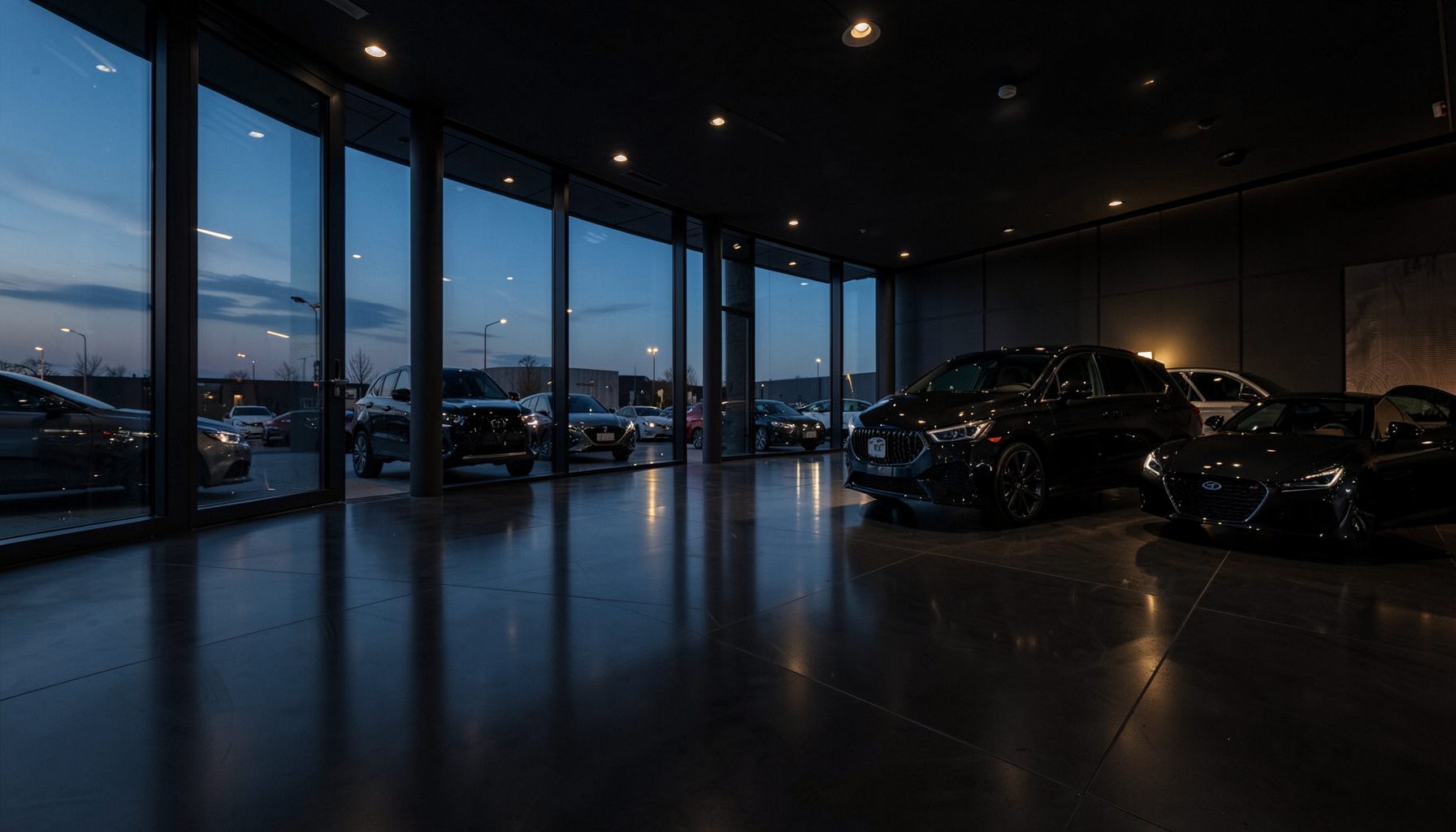
Alan Vines Automotive Group sells new and used vehicles from Jackson, Tennessee, representing Dodge, Jeep, Ram, Mitsubishi, Chrysler and Hyundai. Its online inventory and valuation tools allow buyers to compare vehicles, review photographs and begin a remote purchase process. Stock changes regularly, so a Trailhawk should be confirmed by VIN and with a recent walk-around video before travel or shipping is arranged.
The advertised three-day money-back guarantee and trade-in assistance add flexibility, although buyers outside Tennessee should read the written conditions carefully. A trade involving an Australian vehicle may present title, export and regulatory complications that make a direct trade impractical. International buyers are usually better served by arranging an Australian sale independently and using the dealership’s trade-in assistance only if the paperwork can be completed lawfully.
Temporary offers also require attention to their terms and expiry dates. The dealership publishes themed campaigns, including an Adventure Jackpot promotion, which may be relevant when comparing purchase timing and availability. The final agreed price should always be recorded in writing rather than inferred from an advertisement.
Australia’s used-import market includes vehicles sourced from several countries, and a Jeep imported from the United States may arrive as a left-hand-drive model. Conversion to right-hand drive can involve substantial cost, and any conversion should be independently inspected. A specialist importer can also explain current GST, biosecurity, port charges and state registration requirements, preventing surprises when the vehicle arrives in Melbourne, Brisbane, Sydney, Adelaide, Perth or Darwin.
Preparing for the first trail
A capable vehicle still needs a sensible recovery plan. Suitable gear includes rated recovery points, a snatch strap or kinetic rope, a shovel, traction boards, a compressor, puncture-repair equipment and enough water for everyone on board. Off-road tyres should be checked for age and damage, while the spare, jack and tools should be tested before leaving the driveway.
Training is as important as equipment. Low range, downhill control, articulation and correct tyre-pressure decisions cannot be learned safely at the last moment on a remote track. Drivers should also follow Australian land-access rules, avoid prohibited areas and respect farm gates, livestock and other users. A vehicle recovered from private land may also incur substantial costs.
The next concrete step is to obtain the VIN, service history and modification list, then book a pre-purchase inspection with an independent four-wheel-drive specialist and keep any purchase agreement pending the written inspection result.