Test Drive Different Road Types Before You Buy
A test drive on different road types matters for your decision because a vehicle can feel calm on a quiet suburban street and quite different in dense traffic, heavy rain or on a gravel road. Each surface exposes a different side of the car: steering response, ride comfort, braking confidence, cabin refinement and the effort needed to keep it under control. It also helps you judge whether an SUV, van or ute will suit the places you actually travel.
For Australian drivers, that comparison is especially useful. We drive on the left, read speed limits in kilometres per hour and may encounter a crowded arterial, a steep suburban street and a long rural highway in the same week. Buying decisions should account for those routines rather than a polished test around a dealership. A varied road test turns a general impression into evidence about comfort, practicality and running costs.
The Road Changes What You Notice
A short demonstration route mainly reveals the car at low speed. A useful road test adds harder questions: Does the steering remain precise during repeated turns? Do the brakes feel progressive when traffic thickens? Can you see the next vehicle indicator clearly? Does a bump unsettle the suspension, or does it absorb the impact? These observations often matter more to daily enjoyment than a quick burst of acceleration.
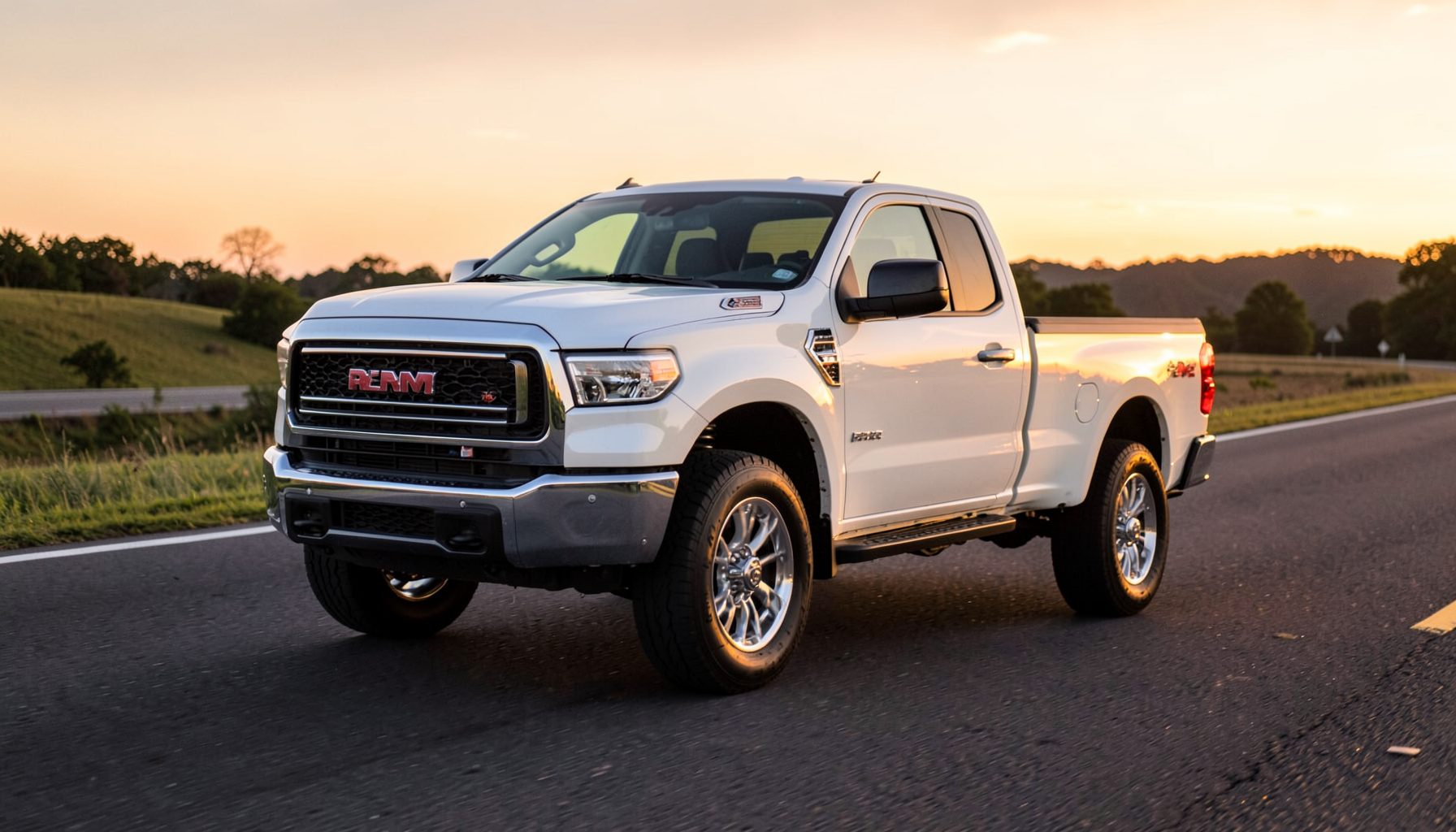
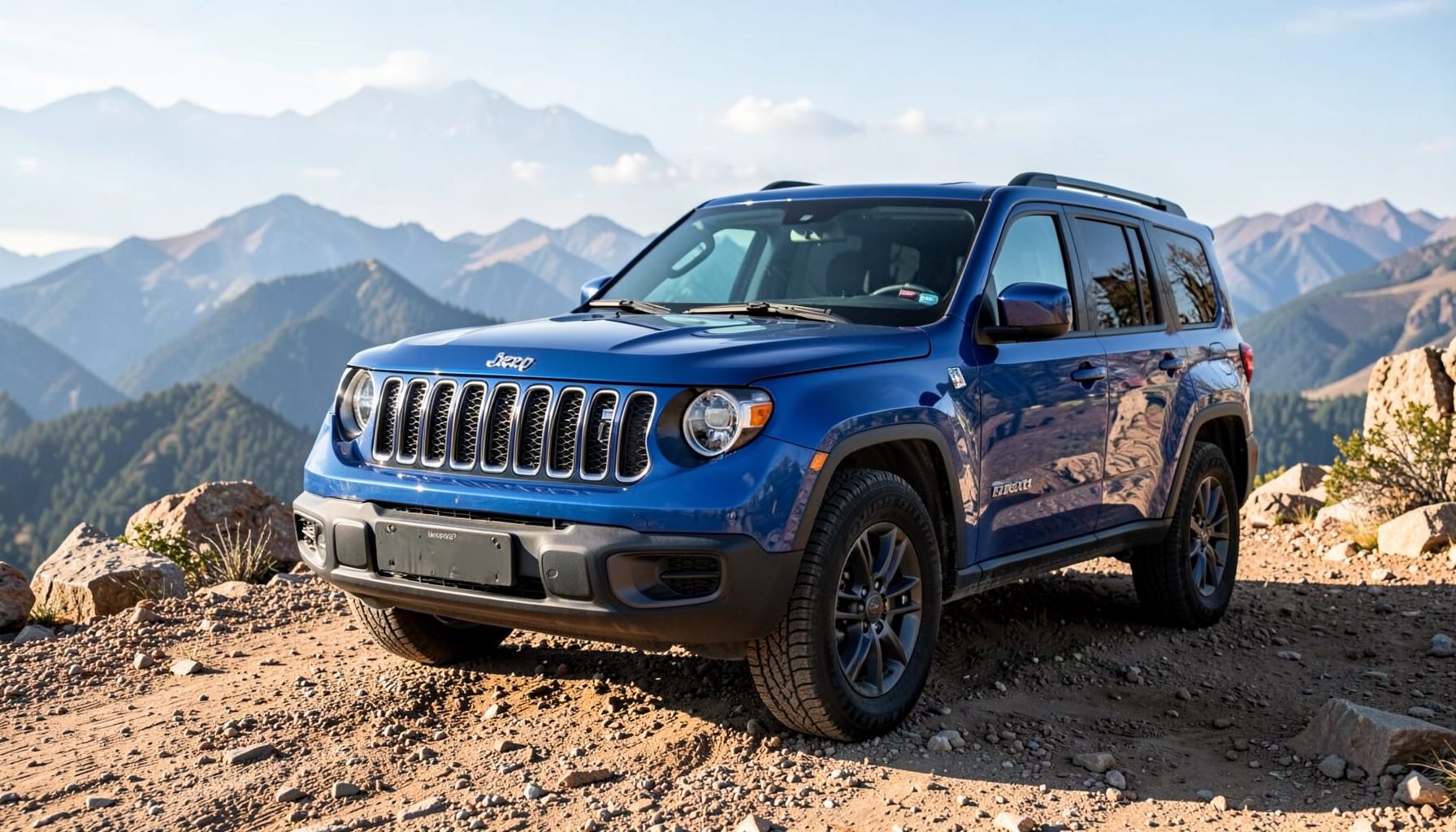
At Alan Vines Automotive Group in Jackson, Tennessee, the current vehicle range covers new and used cars, trucks, SUVs and vans from Dodge, Jeep, Ram, Mitsubishi, Chrysler and Hyundai. Test the exact vehicle you are considering where possible, since trim, tyres, suspension and drivetrain can change its behaviour. Review vehicle valuations, financing, trade-in assistance and special offers alongside the drive, and check the terms of the 3 Day Money Back Guarantee separately.
Jackson also follows different road conventions from Australia: traffic runs on the right, signs use miles per hour, and locally sold vehicles are right-hand drive. A test drive there can still assess visibility, seat comfort and mechanical condition, but it cannot fully replace an Australian road test. If the vehicle will be used in Australia, check local steering, roadworthiness and registration requirements before making a final commitment.
City Driving Exposes Practical Limits
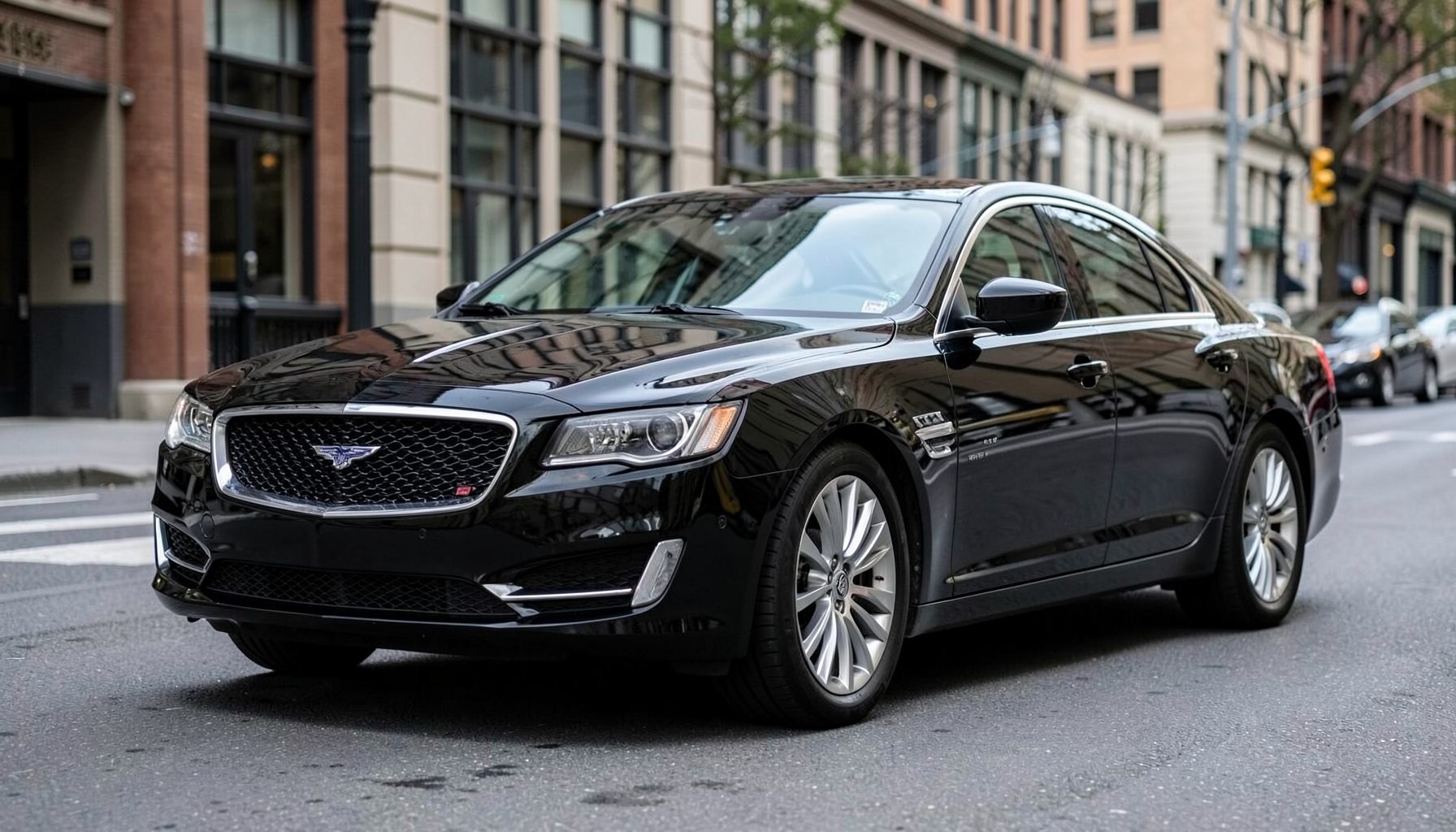
Melbourne’s narrow laneways, tram tracks and hook turns give drivers a demanding urban test. The same journey through Sydney’s stop-start traffic on roads such as Parramatta Road creates a different challenge: constant acceleration, braking and idling. Watch how the car responds to slow queues, how much cabin noise reaches the driver and whether the transmission changes smoothly when traffic opens and closes.
Manoeuvrability deserves equal attention. Measure the turning circle, check rear visibility and make sure the mirrors work for Australian lanes. Sit in the driving position first and adjust the seat, wheel and mirrors before judging visibility. A large SUV may look commanding in a parking lot yet make a city space stressful, while a van needs extra care in narrow streets.
Include practical tasks in the route. Reverse into a space of realistic width, park on a slope and pull away, and check that the infotainment system can be operated without taking your eyes off the road for long. Note fuel consumption in traffic, brake wear and any steering pull. Those details can reveal costs that a specification sheet and monthly finance payment leave hidden.
Highways Test Comfort and Stability
A steady highway run exposes suspension, wind noise and high-speed stability. At Australian freeway speeds, especially around 100 to 110 km/h, the vehicle should track cleanly, the suspension should settle after a bump and the brakes should remain reassuring. Leave enough room for an overtake, watch for crosswinds and notice whether the cabin feels calm or whether the engine, tyres and road surface intrude.
Country travel adds long distances, heat and heavy vehicles. Routes through northern New South Wales or Queensland can include road trains, steep grades and stretches with limited places to stop. A sedan and a loaded ute will behave differently when overtaking or climbing a hill. Check the rated towing and payload figures for your actual trailer or load, then judge how the vehicle feels when that equipment is aboard rather than when it is empty.
Transmission choice also changes the character of a long drive. A conventional automatic, a manual and a CVT have different shift patterns, responses and fuel-economy figures. The CVT transmission guide explains how that system works, but the road test is still useful for judging engine noise, acceleration and whether the preferred driving mode suits your terrain.
Gravel and Rural Roads Test Clearance
Unsealed roads introduce loose stones, dust, potholes and corrugations. On the outskirts of Brisbane or further inland, a rough section can reveal inadequate ground clearance, harsh suspension noise or tyres that lose grip. Clearance matters for drainage ditches and uneven verges, while tyre choice influences stability on loose surfaces. A high-riding SUV or 4WD may handle more of that environment, yet its greater mass can also change braking and cornering.
Watch the vehicle from several angles. Check for stones trapped around brake components, inspect the tyres after the run and listen for rattles as speed falls below the corrugation frequency. A useful comparison is to drive the same section in a vehicle you know well. That makes unfamiliar rattles, vibration or steering corrections easier to identify, and it gives you a personal benchmark for noise and comfort.
Gravel use also raises care and maintenance questions. Paint and clear coat can collect fine grit and suffer scratches, so review paint care advice before regular bush driving. Before buying, ask for a brake, tyre and suspension inspection and check the service history. The trained technicians at Alan Vines’ service department can also discuss appropriate service intervals and genuine parts for the model you own.
Rain, Heat and Hills Change Confidence
Brisbane’s summer downpours can flood low points and leave roads slick sooner than expected. Safe wet-weather testing is about visibility and control, not about finding the limit of the tyres. Check that the wipers clear the screen effectively, the demister works and the engine does not lose composure under light braking. Keep clear of standing water, because a vehicle that appears to cross a shallow flooded section can lose the road surface without warning.
Adelaide’s hot afternoons and Canberra’s cold winters bring different pressures. Heat can increase cabin temperatures, tyre pressures and the work required from the cooling system. Cold starts reveal battery, oil and coolant condition more clearly. When you inspect the vehicle, look for fluid leaks, damaged tyres and uneven wear rather than focusing only on a clean engine bay.
Hills add another test. A suburban climb in Melbourne or a steep Canberra road can expose awkward hill starts, brake fade and an overreactive throttle response in a heavy SUV. A manual requires clutch control and the right gear; an automatic should pull away without creeping; a hybrid may recover energy on a descent. Drive within legal and safe limits, and judge the vehicle by its consistency rather than unnecessary speed.
A practical road test should reproduce the conditions in your own week. Before deciding, use a simple checklist:
- Include a short city route with tight turns, a hill start and realistic parking.
- Add sustained highway driving at legal speed, including a safe overtake and a crosswind.
- Use an approved, safe unsealed section appropriate to the vehicle, avoiding flooded or poorly maintained routes.
- Observe wet-road visibility during ordinary rain, without attempting abrupt braking tests on public roads.
- For a ute, van or towing vehicle, repeat the drive with the load or trailer you expect to use.
Compare the same qualities on each route: steering response, ride comfort, noise, visibility, braking confidence, space and fuel use. If a weakness appears only once, investigate it through a vehicle inspection or a qualified technician; if it affects your regular roads, treat it as a buying issue rather than a minor preference. The practical takeaway is simple: a controlled comparison across real road conditions gives more reliable buying evidence than a polished demonstration on a short loop.