Why Regular Transmission Service Saves You Money Long-Term
A vehicle’s transmission performs one of the most demanding jobs in the powertrain. It transfers engine power to the wheels, selects the appropriate gear, and adjusts to changing speeds, loads, and road conditions. Because it works continuously, clean fluid and proper adjustment are essential to keeping the system reliable.
Routine transmission maintenance may seem like an expense you can postpone, especially when the vehicle still shifts normally. In practice, scheduled inspections and fluid service can help prevent much larger repair bills. A relatively modest appointment may protect against damaged gears, overheated components, premature clutch wear, and even complete transmission replacement.
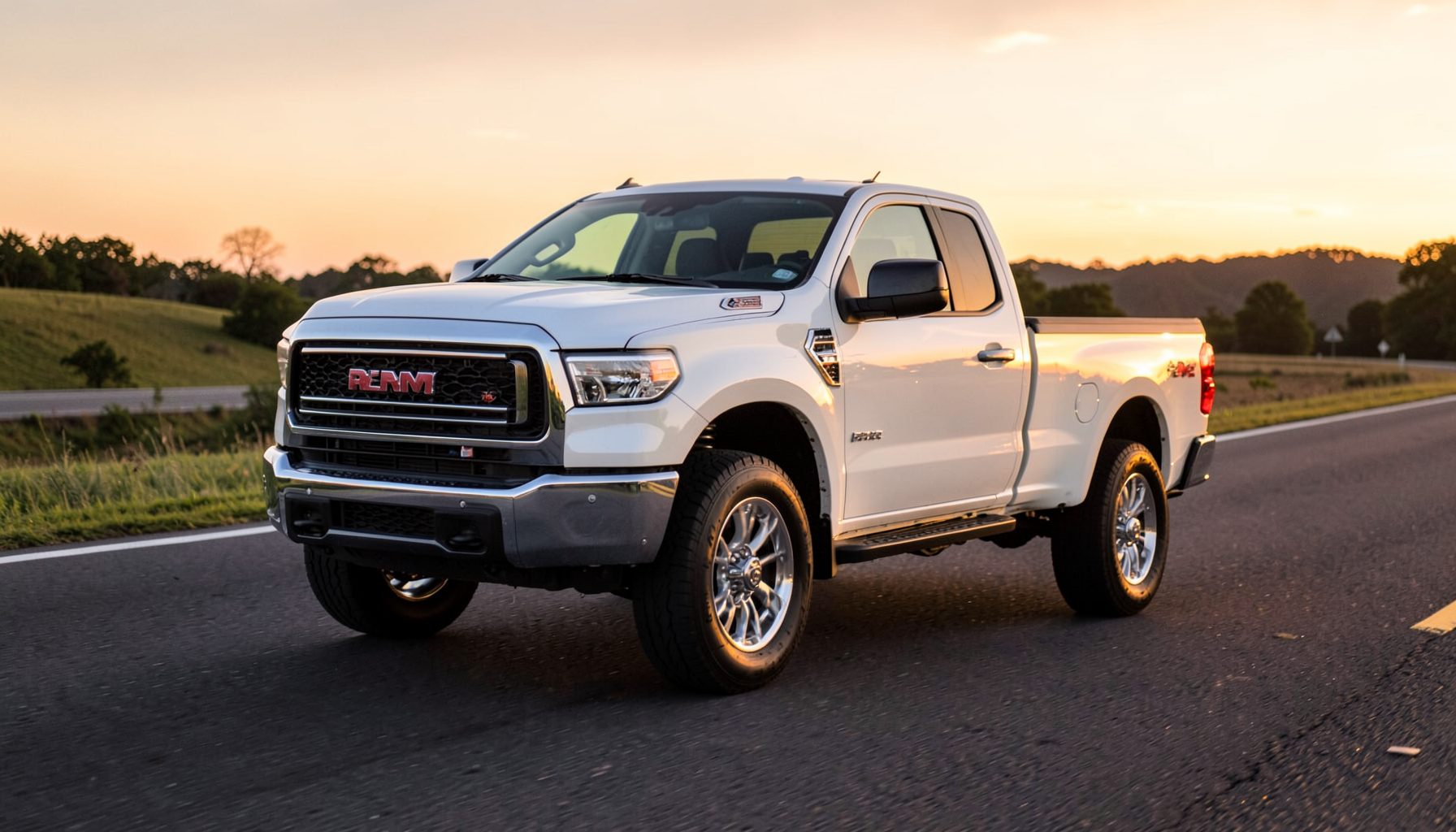
For drivers in Jackson, Tennessee, regular care also helps preserve daily dependability and resale value. Whether you drive a Jeep SUV, a Ram truck, a Chrysler minivan, a Dodge passenger vehicle, a Mitsubishi model, or a Hyundai, following the maintenance schedule is a practical way to protect your investment.
What transmission service protects
Transmission fluid does more than lubricate moving parts. It helps control temperature, creates hydraulic pressure, cleans internal components, and allows clutches and bands to engage correctly. As miles accumulate, heat and friction can degrade the fluid. Contaminants may also collect in the pan or filter, reducing the system’s ability to operate efficiently.
When fluid becomes dark, contaminated, or chemically worn, the transmission may run hotter than intended. Excessive heat is especially harmful because it can damage seals, friction materials, electronic components, and precision-machined surfaces. A fluid change performed at the right interval helps remove worn fluid before it contributes to accelerated wear.
A professional technician can also inspect for leaks, check fluid condition, examine the transmission pan when applicable, and scan for stored diagnostic codes. Finding a minor seep or an early shifting issue gives you an opportunity to address it before low fluid or internal damage creates a much more expensive problem.
How preventive maintenance lowers repair costs
The cost of transmission maintenance varies according to the vehicle, fluid type, filter design, and service procedure. Even so, it is generally far less than rebuilding or replacing a transmission. Preventive care lowers financial risk by addressing contamination, leaks, and adjustment concerns while the affected components may still be serviceable.
A small leak illustrates the value of early attention. If fluid escapes slowly, the vehicle may continue to drive for weeks or months without an obvious breakdown. However, the transmission can be operating with insufficient lubrication and hydraulic pressure. Continued driving may turn a simple seal or line repair into extensive internal damage.
Regular service can also reduce secondary costs. A malfunctioning transmission may lower fuel economy, create harsh engagement, increase stress on axles and engine mounts, or leave you dependent on a rental vehicle. Keeping the drivetrain healthy helps you avoid the disruption that comes with an unexpected breakdown.
Warning signs that deserve attention
Some transmission problems appear gradually, while others develop suddenly. Delayed engagement after shifting from Park into Drive or Reverse can indicate a pressure, fluid, or control issue. A slipping sensation, where engine speed rises without a matching increase in road speed, may point to worn friction components or inadequate fluid pressure.
Other signs include hard or jerky shifts, unusual whining or humming, vibrations during acceleration, fluid spots beneath the vehicle, and a burning odor. A warning light may also appear when the vehicle detects a transmission or powertrain fault. These symptoms do not identify a single cause, so an inspection is more useful than guessing or adding an aftermarket additive.
The sooner a concern is diagnosed, the more repair options may be available. A technician might find that the issue involves a fluid leak, software update, sensor, solenoid, mount, or adjustment rather than a failed transmission. Delaying evaluation allows a minor fault to place additional strain on the rest of the system.
What a professional service appointment includes
Transmission maintenance is not identical for every vehicle. Some models use traditional automatic transmissions, while others have continuously variable transmissions, dual-clutch systems, or manual gearboxes. Each design requires the correct fluid, fill procedure, inspection method, and service interval. Using an unsuitable fluid can cause poor operation or permanent damage.
A trained service department can reference the vehicle’s specifications and determine whether the appointment calls for fluid replacement, a filter change, a level check, a pan inspection, a software check, or a broader diagnostic evaluation. Genuine parts and approved fluids help ensure that the service matches the manufacturer’s requirements.
| Service concern | What may be checked | Potential long-term benefit |
|---|---|---|
| Worn or contaminated fluid | Color, odor, level, and condition | Better lubrication and heat control |
| Fluid leak | Seals, lines, pan, and transmission case | Prevents low-fluid operation and internal wear |
| Restricted filter | Filter and debris in the pan | Supports proper hydraulic pressure |
| Delayed or harsh shifting | Road test, scan data, and shift operation | Helps identify problems before major damage |
| Excess operating heat | Fluid condition and cooling components | Reduces thermal stress on internal parts |
| Electronic fault | Control modules and diagnostic codes | May resolve a manageable issue before failure |
The right service interval is usually listed in the owner’s manual or maintenance guide. Some vehicles have intervals based on time and mileage, while others use maintenance schedules that change with towing, heavy traffic, frequent short trips, extreme temperatures, or dusty roads. A service advisor can help interpret those requirements for your driving habits.
Driving conditions affect transmission wear
Stop-and-go traffic places repeated demands on a transmission. Frequent acceleration, braking, and gear changes create more heat than steady highway cruising. Towing, hauling, driving on steep grades, and carrying heavy cargo can increase the workload further, particularly for trucks and SUVs.
Hot weather can make heat management more important, while cold temperatures may temporarily thicken fluid and affect shifting behavior. Short trips may also prevent the powertrain from reaching its normal operating temperature. These conditions do not automatically mean something is wrong, but they can justify a maintenance schedule more attentive than the minimum interval.
A service professional can help determine whether your actual use qualifies as severe service. Keeping records of maintenance, mileage, repairs, and fluid changes makes it easier to plan future appointments. It also provides useful documentation if you sell or trade the vehicle later.
Make transmission care part of your ownership budget
Vehicle maintenance is easier to manage when it is planned rather than treated as an emergency expense. Review the maintenance schedule at the beginning of each year, note the next recommended transmission inspection or service, and set aside funds before the appointment arrives. This approach spreads the cost over time and reduces the temptation to postpone important care.
If you are shopping for a vehicle, maintenance history should be part of the decision. A used vehicle with documented fluid changes and inspections may offer greater confidence than one with an unclear service record. Drivers comparing models can browse current vehicles through the dealership website and ask about recommended maintenance before making a purchase.
Financing and ownership costs should be considered together. A lower monthly payment does not necessarily mean a lower total cost if the vehicle has demanding service requirements or neglected maintenance. Reviewing available financing options alongside expected upkeep can help you choose a vehicle that fits your long-term budget.
Practical habits that protect your transmission
Regular service is the foundation, but everyday driving habits also influence transmission life. Allow the vehicle to come to a complete stop before shifting between Reverse and Drive. Avoid revving the engine aggressively while the vehicle is stationary, and follow the manufacturer’s instructions for towing and payload limits.
Check beneath the vehicle occasionally for reddish, brown, or clear oily spots, while remembering that fluid color varies by design. Pay attention to new noises, changes in shifting, or hesitation when selecting a gear. Reporting these changes early gives the technician more information and may prevent an avoidable breakdown.
Use the following habits to keep maintenance on schedule:
- Follow the manufacturer’s transmission fluid and inspection intervals.
- Ask whether your towing, traffic, or climate conditions require severe-service scheduling.
- Have leaks, warning lights, slipping, or harsh shifts inspected promptly.
- Use only the fluid and replacement parts specified for your vehicle.
- Keep invoices and service records with your vehicle documents.
Alan Vines Automotive Group’s service department can help maintain vehicles across the Dodge, Jeep, Ram, Mitsubishi, Chrysler, and Hyundai lineups. Trained technicians and genuine parts provide a reliable starting point for fluid service, inspections, diagnostics, and other factory-recommended maintenance. The finance center can also help you review ownership costs when maintenance planning is part of a vehicle purchase.
Protecting a transmission is ultimately a matter of timing. Servicing fluid before it breaks down, repairing leaks before the level becomes dangerous, and investigating symptoms before they become failures can preserve dependable performance and reduce the chance of a major bill. Schedule a transmission inspection with Alan Vines Automotive Group in Jackson, Tennessee, and give your vehicle the care it needs for the miles ahead.