Why the Hyundai Sonata N Line Offers Sporty Performance
The Hyundai Sonata N Line brings a sharper character to the familiar mid-size sedan. It combines a strong turbocharged engine with quick-shifting transmission technology, firmer chassis tuning and a more purposeful appearance, creating a car that feels engaging on winding roads without abandoning everyday comfort.
For Australian drivers, its appeal sits between a practical family sedan and a performance-oriented hatchback. It has the space and refinement suited to commuting through Melbourne or Brisbane, yet it offers enough response for weekend drives outside Sydney or along the Adelaide Hills. Because the current N Line is primarily associated with left-hand-drive markets, Australians should also check local compliance, availability and import requirements before treating it as a straightforward showroom purchase.
Turbocharged Power With Everyday Usability
At the centre of the Sonata N Line is a 2.5-litre turbocharged four-cylinder petrol engine. In the US-market version, it produces approximately 290 horsepower, giving the sedan strong acceleration for highway merging, overtaking and steep regional roads. The broad torque delivery means the engine does not need to be pushed constantly to feel energetic.
That performance is paired with an eight-speed wet dual-clutch transmission. Unlike a conventional automatic that can feel relaxed or hesitant during rapid changes, a dual-clutch unit uses two clutches to prepare the next gear. The result is quicker gear selection and a more immediate connection between throttle input and forward motion.
Drivers can still settle into a smooth rhythm during ordinary commuting. The N Line is not limited to aggressive driving; it can cruise quietly on motorways and manage stop-start traffic with reasonable ease. For Australian buyers accustomed to long distances between towns, that balance is important. Sporty performance has greater value when it remains usable during a weekly school run or a long trip from Canberra to the coast.
A Chassis Tuned For More Control
Engine output is only part of the story. Hyundai gives the N Line a sport-tuned suspension, revised steering calibration and larger brakes to make the car feel more controlled when the road becomes technical. The changes help reduce the soft, floating sensation associated with some family sedans, particularly during quick direction changes.
The lowered and firmer setup supports more confident cornering, while the performance tyres contribute extra grip. This does not turn the Sonata into a dedicated track car, nor does it deliver the same compact agility as a small rear-wheel-drive sports model. Instead, it creates a stable, composed sedan that responds neatly to steering inputs.
That character suits Australian driving conditions in varied ways. A driver travelling through the Great Ocean Road may appreciate the added body control through sweeping bends, while someone navigating suburban roundabouts in Perth may notice the more direct steering. Ride comfort remains relevant, so the best assessment should include rough urban surfaces rather than relying only on smooth roads.
The braking system also adds reassurance when the car is carrying passengers or luggage. Strong, progressive stopping performance is useful in ordinary traffic as well as spirited driving, especially on long descents or when a sudden obstacle appears on a regional route.
Sporty Design With Functional Details
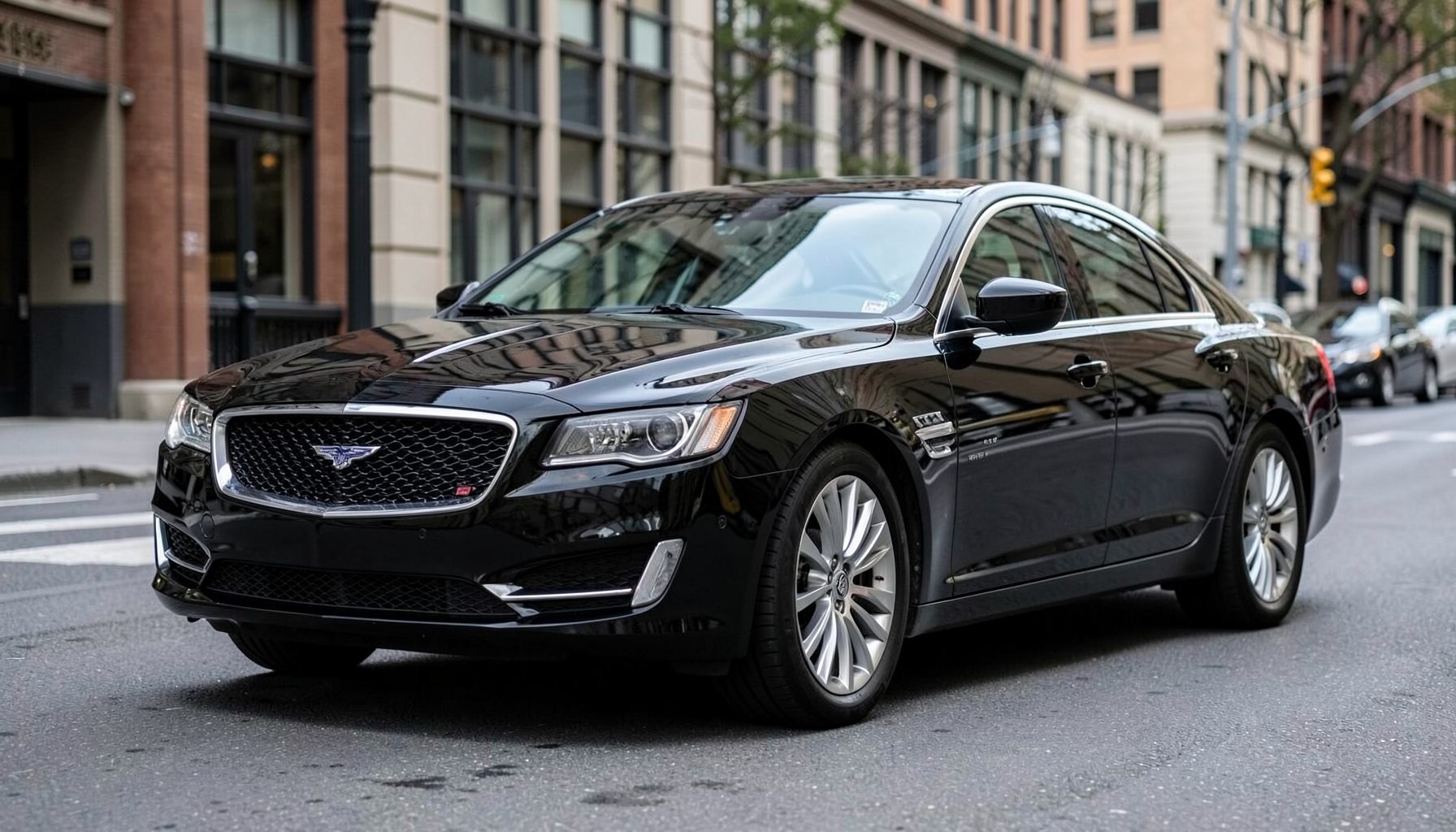
The Sonata N Line looks more athletic than a standard version through distinctive bumpers, a darker grille treatment, side skirts, rear styling details and larger alloy wheels. Quad exhaust outlets and N Line badging reinforce the performance theme without making the car as visually extreme as a full N performance model.
The low, wide appearance gives the sedan a planted stance. Aerodynamic details are intended to support airflow and stability, although their visual effect is just as important for many buyers. A car that looks ready for a fast back road can make routine driving feel more special, even when the engine is being used gently.
Inside, the cabin typically combines supportive sport seats, contrast stitching, metal-style pedals and N Line trim details with Hyundai’s modern technology. A wide digital display layout, smartphone connectivity and driver-assistance systems help maintain everyday convenience. These features matter in Australia, where navigation, hands-free calling and clear trip information are valuable during lengthy urban and interstate travel.
The sedan format also offers a practical advantage over some sporty SUVs. A lower boot floor can make it easier to load smaller luggage, and the cabin provides useful rear-seat space for adults. Families comparing the N Line with compact SUVs should consider whether they prefer a lower driving position and more precise road manners over extra ride height.
Performance You Can Use Every Day
A performance sedan succeeds when it feels enjoyable at ordinary speeds. The Sonata N Line delivers much of its appeal through throttle response, transmission behaviour and steering weight rather than requiring illegal speeds. The driver can enjoy the sense of urgency during a freeway on-ramp, then return to a quiet and comfortable drive.
Selectable drive modes allow the car’s character to change. A calmer setting can make the powertrain smoother in heavy traffic, while a sportier mode sharpens throttle response and holds gears for longer. This flexibility is useful for drivers who want one vehicle to handle commuting, family duties and recreational driving.
Fuel use will naturally rise when the turbo engine is driven hard, and premium petrol may be recommended depending on the market and operating conditions. Australian buyers should check the official local specification and fuel guidance rather than assuming US figures translate directly. Tyre prices, insurance premiums and servicing costs can also be higher than for a regular naturally aspirated sedan.
Safety technology adds confidence without replacing attentive driving. Features may include forward collision assistance, lane-keeping support, blind-spot monitoring and adaptive cruise control. Their exact operation and availability can differ by market, so Australians considering an imported example should verify the equipment, software settings and local support arrangements.
Comparing Availability And Ownership
The current Sonata N Line is not a mainstream new-car option in Australia in the same way that Hyundai SUVs and compact cars are. Hyundai Australia has historically offered Sonata models, but the nameplate has not had the same continuous presence as vehicles such as the Tucson, Santa Fe or i30. That makes supply, right-hand-drive conversion, registration and parts support important questions for local shoppers.
A vehicle imported from the United States may require engineering approval or other compliance work before registration. It may also have left-hand-drive controls, different infotainment settings, unfamiliar warranty terms and specifications that do not match Australian-market vehicles. These issues do not erase the N Line’s appeal, but they affect the real cost and convenience of ownership.
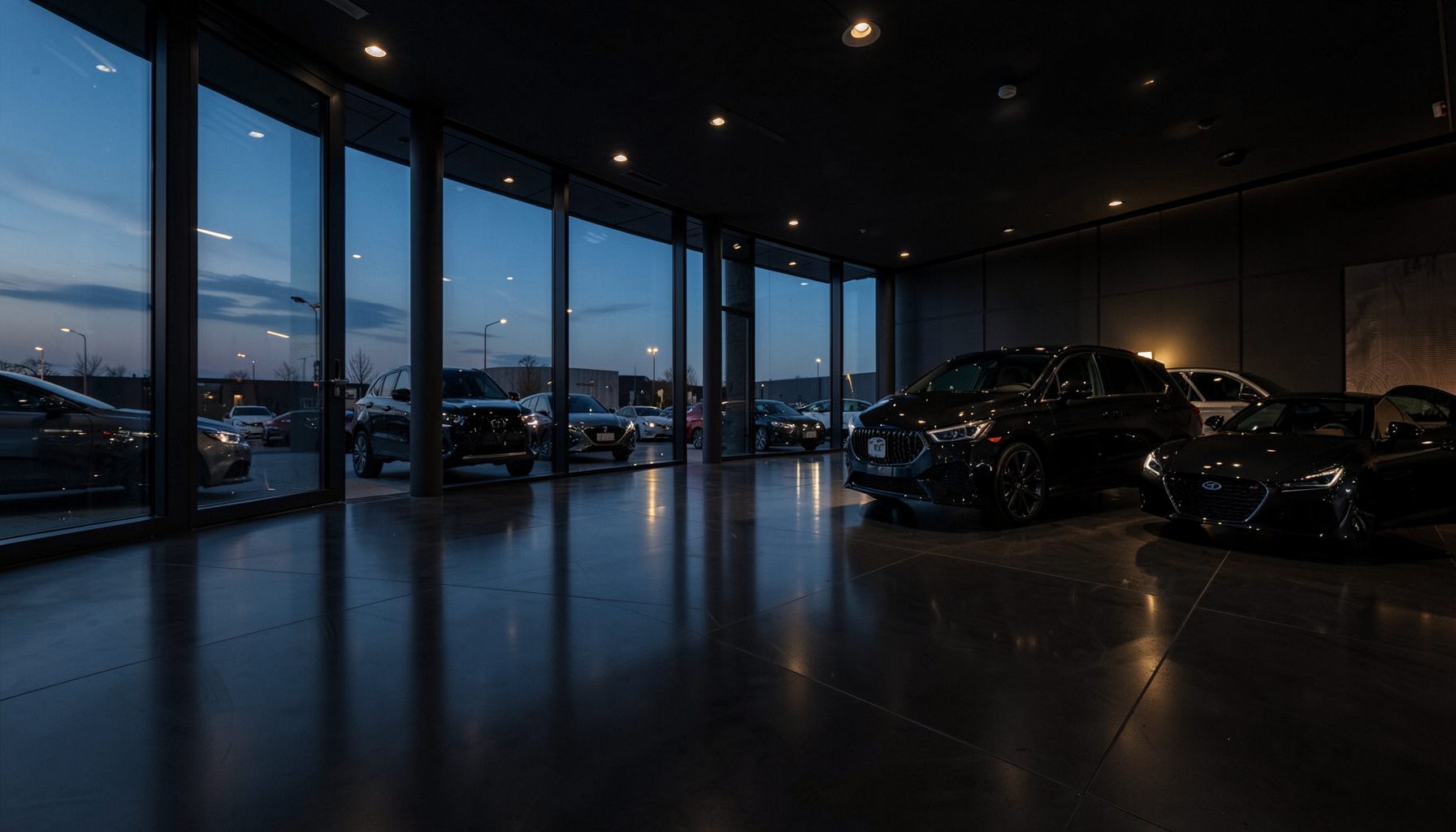
Shoppers can compare the latest available stock through the dealership’s new vehicle inventory, where model availability and specifications can be checked before arranging a conversation with the sales team. Alan Vines Automotive Group is based in Jackson, Tennessee, and represents Hyundai alongside Dodge, Jeep, Ram, Mitsubishi and Chrysler, so its inventory reflects the US market rather than Australian homologation.
Servicing should also be considered before purchase. Turbocharged engines, dual-clutch transmissions, performance tyres and larger brakes can benefit from technicians who understand the model’s maintenance schedule. Genuine parts and correct fluids matter, particularly when a vehicle is being used in hot conditions or for long-distance travel between Australian cities.
Making A Sensible N Line Decision
The Sonata N Line makes the strongest case for itself when its performance advantages match the driver’s priorities. It offers brisk turbocharged acceleration, quick transmission responses, controlled cornering and a distinctive cabin, while retaining the space and refinement expected from a family sedan. It is less about extreme motorsport capability and more about making daily travel feel responsive.
Before committing, compare the complete ownership picture rather than focusing only on horsepower. The right car should suit local registration requirements, passenger needs, road conditions, fuel preferences and access to servicing. A lightly used example with documented maintenance may be more sensible than a cheaper import with uncertain compliance history.
Useful checks for Australian shoppers include:
- Confirm whether the vehicle is right-hand drive, locally certified and eligible for registration in your state or territory.
- Verify the engine output, safety equipment, transmission specification and infotainment features for the exact market version.
- Inspect service records, especially oil changes, transmission maintenance, brake condition and tyre history.
- Calculate import, conversion, stamp duty, insurance and ongoing parts costs before comparing the price with local alternatives.
- Arrange a proper test drive that includes urban traffic, open-road cruising, tight corners and uneven surfaces.
- Compare the Sonata N Line with sporty sedans, hot hatches and compact SUVs that are officially supported in Australia.
- Check whether warranty coverage and roadside assistance remain valid after importation or private purchase.
For buyers considering a US-market vehicle, Alan Vines’ featured vehicles provide another way to review highlighted stock and compare equipment. A dealer-backed purchase may also offer access to financing, trade-in assistance, vehicle valuation tools and a three-day money-back guarantee, subject to the applicable terms. Those services can simplify the buying process, although Australian purchasers still need to handle their own local import and registration obligations.
The next practical step is to identify the exact Sonata N Line model year, obtain its vehicle history and confirm its Australian compliance requirements before calculating the final on-road cost.