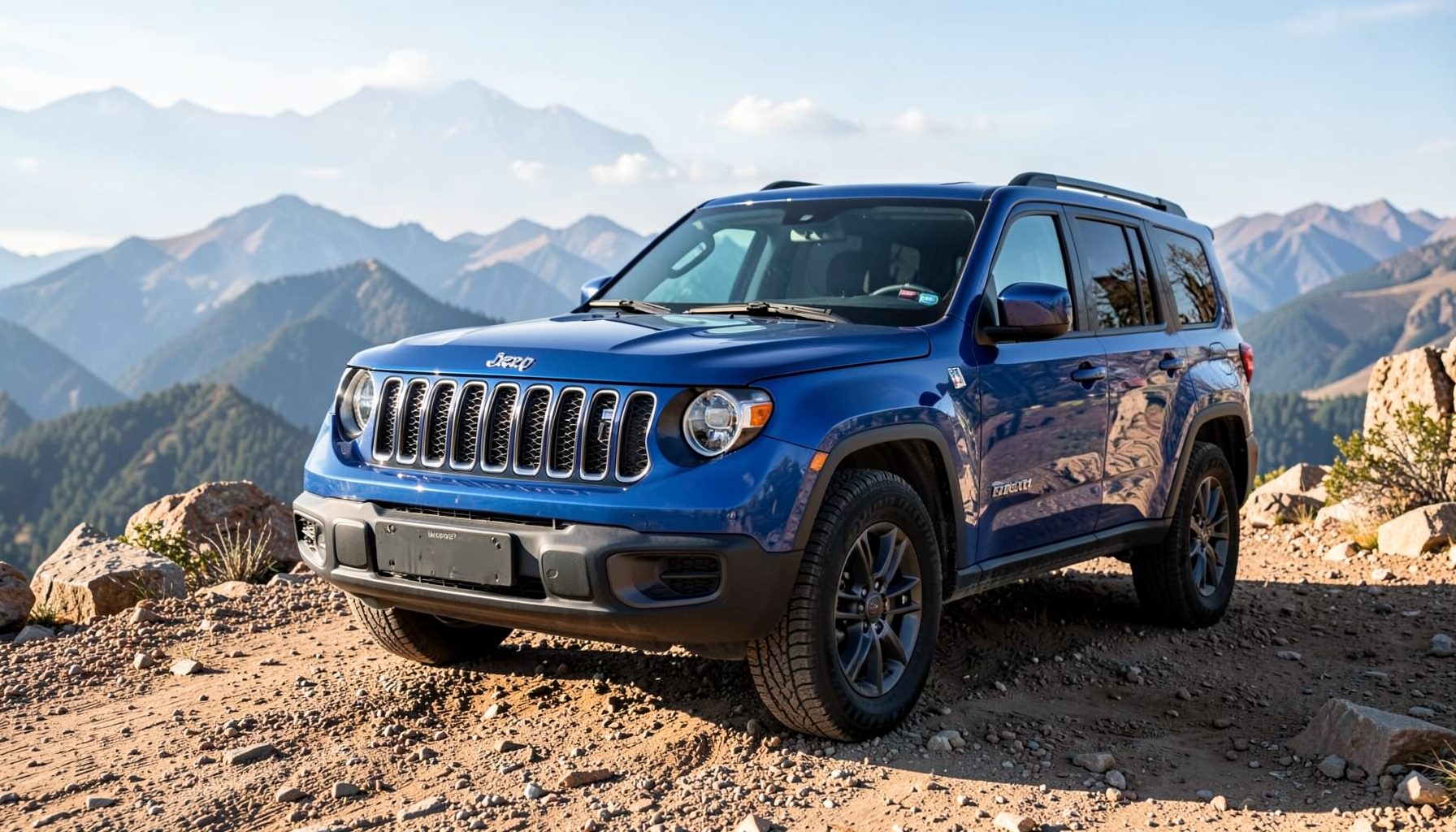
Why the Jeep Gladiator is a unique choice for truck buyers
The mid-size pickup segment has settled into a comfortable pattern over the past decade, with dual-cab utes offering diesel torque, big payloads, and family-friendly cabins. Jeep's Gladiator arrives from a different angle entirely. It carries the unmistakable styling and off-road heritage of the Wrangler, yet bolts a proper steel bed to the back end. The result is a vehicle that refuses to blend into the row of tradie utes parked outside any hardware store on a Saturday morning.
For buyers in markets where conventional pickups dominate the conversation, the Gladiator stands out by refusing to follow the script. It speaks to people who want serious four-wheel-drive capability, the option to strip away the roof on a sunny afternoon, and a bed that can still haul camping gear or building supplies. Even in places like Australia, where the ute is woven into coastal weekends and remote work trips alike, the Gladiator carves its own niche among vehicles that prize flexibility over conformity.
A pickup that shows up with the top off
Few trucks in any market offer what the Gladiator provides straight from the factory: a removable roof, removable doors, and a fold-down windshield. Owners can choose between a hardtop, soft top, or no top at all, depending on the weather and mood. That modularity is a direct inheritance from the Wrangler lineage, and it makes the truck feel more like an adventure vehicle than a workhorse. Bolting and unbolting the roof panels takes minutes rather than hours, which encourages owners to actually use the feature rather than leave it parked with the top on all the time.
This kind of open-air driving resonates strongly with Australian buyers who spend weekends heading toward places like the coast north of Sydney or the tracks around Margaret River. The Gladiator lets you fold back the roof and cruise through warm weather in a way that traditional utes cannot match. Even on a short drive down to Bondi or along the Great Ocean Road, the experience feels different from behind the wheel of a conventional dual-cab, where the cabin stays sealed and quiet no matter the conditions outside.
Trail rated engineering for serious terrain
Under the skin, the Gladiator carries serious off-road hardware. Available locking differentials, disconnecting sway bars, solid axles front and rear, and underbody skid plates all come together in a package designed for rock crawling and muddy trails. The Rubicon trim pushes this even further with 33-inch tyres, a 4:1 transfer case, and the ability to ford water around 760 millimetres deep. The vehicle's approach angle sits near 44 degrees in Rubicon form, and the breakover and departure figures stay equally generous.
For Australians eyeing outback tracks or planning trips into places like the Kimberley or the high plains of the Northern Territory, that capability matters. While most buyers here gravitate toward locally supported nameplates for service network reasons, the Gladiator's mechanical credentials have drawn attention from grey-market importers and conversion specialists. The vehicle's approach and departure angles leave many factory utes behind on technical terrain, and its crawl ratio makes steep rocky descents manageable without picking up speed. Ground clearance also outpaces most standard dual-cabs, which sits well with drivers who treat the drive to a campsite as part of the adventure rather than just transport between sealed roads.
Powertrains built for work and weekend
Buyers can choose between a 3.6-litre petrol V6 and a 3.0-litre EcoDiesel V6, depending on priorities. The petrol offers a broad power band and pairs with either a six-speed manual or an eight-speed automatic, while the diesel delivers strong low-end torque suited to towing and slower-speed crawling. Towing capacity lands around 2,700 to 3,500 kilograms depending on configuration, and the bed can swallow roughly 1,000 kilograms of payload when properly equipped with the right springs and tyres.
The diesel especially appeals to drivers who compare numbers with established players like the Toyota Hilux and the Ford Ranger, even though those trucks are sold new locally with factory right-hand drive and a wide dealer footprint. The Gladiator's powertrain choices reflect American tuning more than Australian preferences, which is part of the conversation for anyone considering ownership outside the original market. Fuel economy sits heavier than the locally built utes, particularly the diesel, but the trade-off comes in torque delivery and the spread of gears across the eight-speed automatic when the road tilts upward.
Real truck capability behind the style
Beyond the removable panels and trail-ready hardware, the Gladiator still functions as a working pickup. The five-foot steel bed accepts standard-size plywood sheets, and the tailgate opens flat or stopped at a 90-degree angle for easier loading. Integrated tie-downs, available LED bed lighting, and an optional 240-volt outlet make the truck genuinely useful for camping setups, jobsite tasks, or moving furniture across town. The bed walls stand tall enough to keep mulch or firewood contained, and the available spray-in liner protects the steel from scratches during years of hard work.
For Australians planning road trips through remote regions, the bed works hand in hand with the off-road capability. You can load up rooftop-tent-friendly camping gear, strap a quad bike behind the cab, or fill it with recovery equipment for the long haul. The Gladiator is far from the most fuel-efficient vehicle in any category, but it offers a different kind of versatility that buyers chasing pure work capacity rarely get from a ute with a fixed roof.
Owners who already run a dual-cab and are considering an upgrade sometimes find the Gladiator's blend of features hard to replace. For anyone in that position, trading in a financed vehicle requires understanding how the existing loan balance affects the new purchase price. A clear-eyed approach to the numbers keeps the transition smooth and the budget honest when stepping into something more specialised.
Buying considerations for international enthusiasts
For Australians interested in the Gladiator, the path to keys in hand is less straightforward than walking into a local Jeep showroom. Jeep Australia has not offered the Gladiator through official channels, which has pushed the vehicle into the grey-import space. Specialist importers bring examples in, convert them to right-hand drive through approved workshops, and handle compliance for registration. That process adds cost and time, but it remains a viable route for buyers who specifically want what the Gladiator offers.
Financing such a purchase through a specialist lender often differs from arranging a standard car loan. Currency conversion, shipping, and import duty all factor into the total outlay before the vehicle even arrives. Buyers working through the finance center of an experienced US-based dealership benefit from staff who routinely handle international sales, currency transfers, and shipping coordination. That kind of support matters when buying across time zones and regulatory systems, and it removes much of the guesswork from setting up payment across borders.
Service and parts supply also deserve attention. While the Gladiator shares many components with the Wrangler, sourcing genuine parts locally can take longer than for vehicles sold through official channels. Owners who travel between cities like Adelaide and Darwin or spend time in regional centres often build relationships with specialists before they need them. Tooling up with a basic spares package, learning the part numbers for filters and fluids, and identifying a conversion workshop that stocks Gladiator-specific components all help avoid lengthy downtime when something needs attention.
The Jeep Gladiator is not the right vehicle for every truck buyer, and the ownership path is more complex outside North America. Yet for those who want a convertible-style pickup with genuine off-road credentials and a steel bed behind the seats, it offers something no other manufacturer matches. The practical takeaway is simple: start by researching RHD conversion specialists and import agents familiar with the model, line up financing through a dealer experienced in international sales before falling in love with a specific build sheet, and budget for both the conversion work and the longer wait for parts once the truck lands.