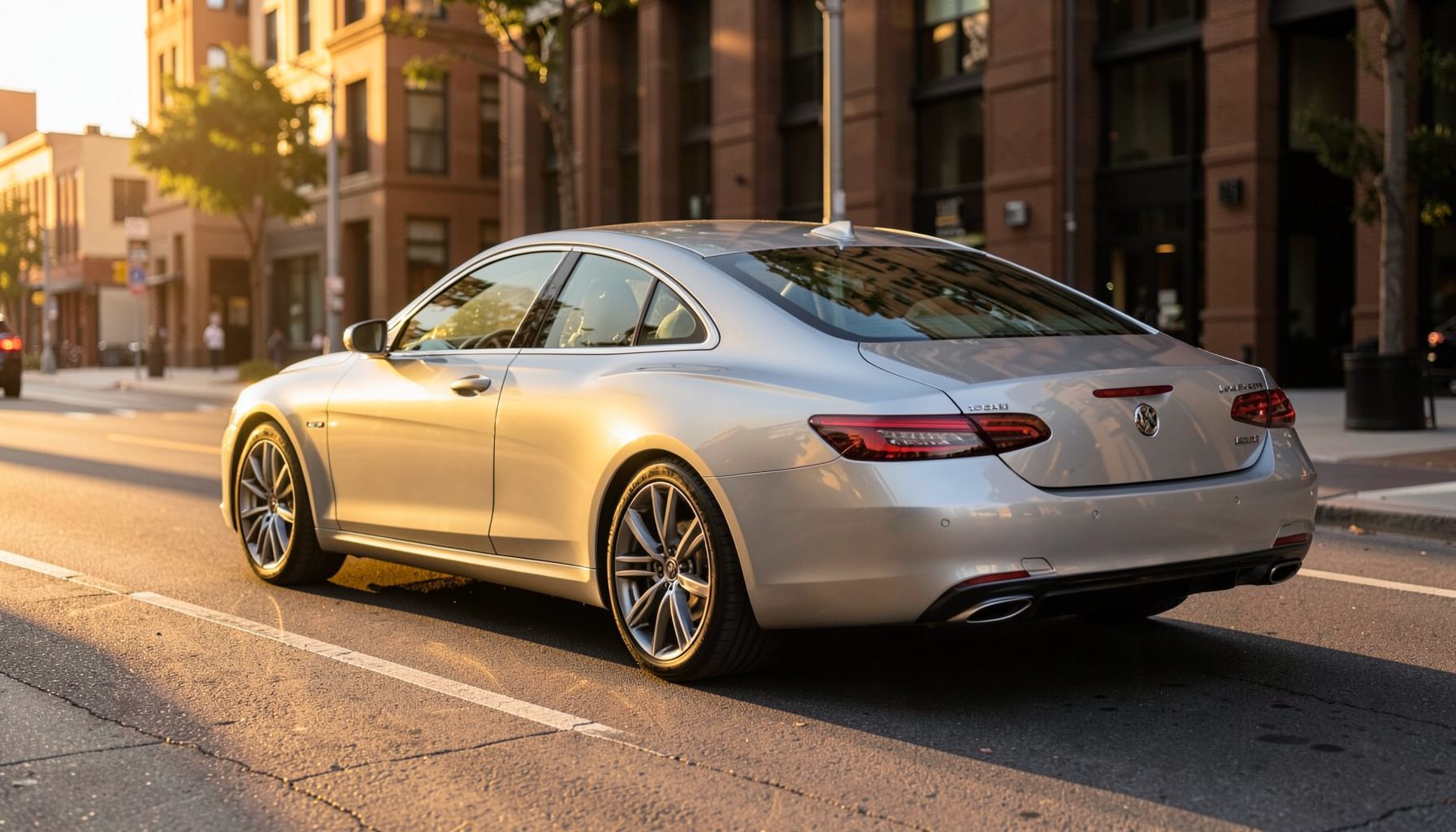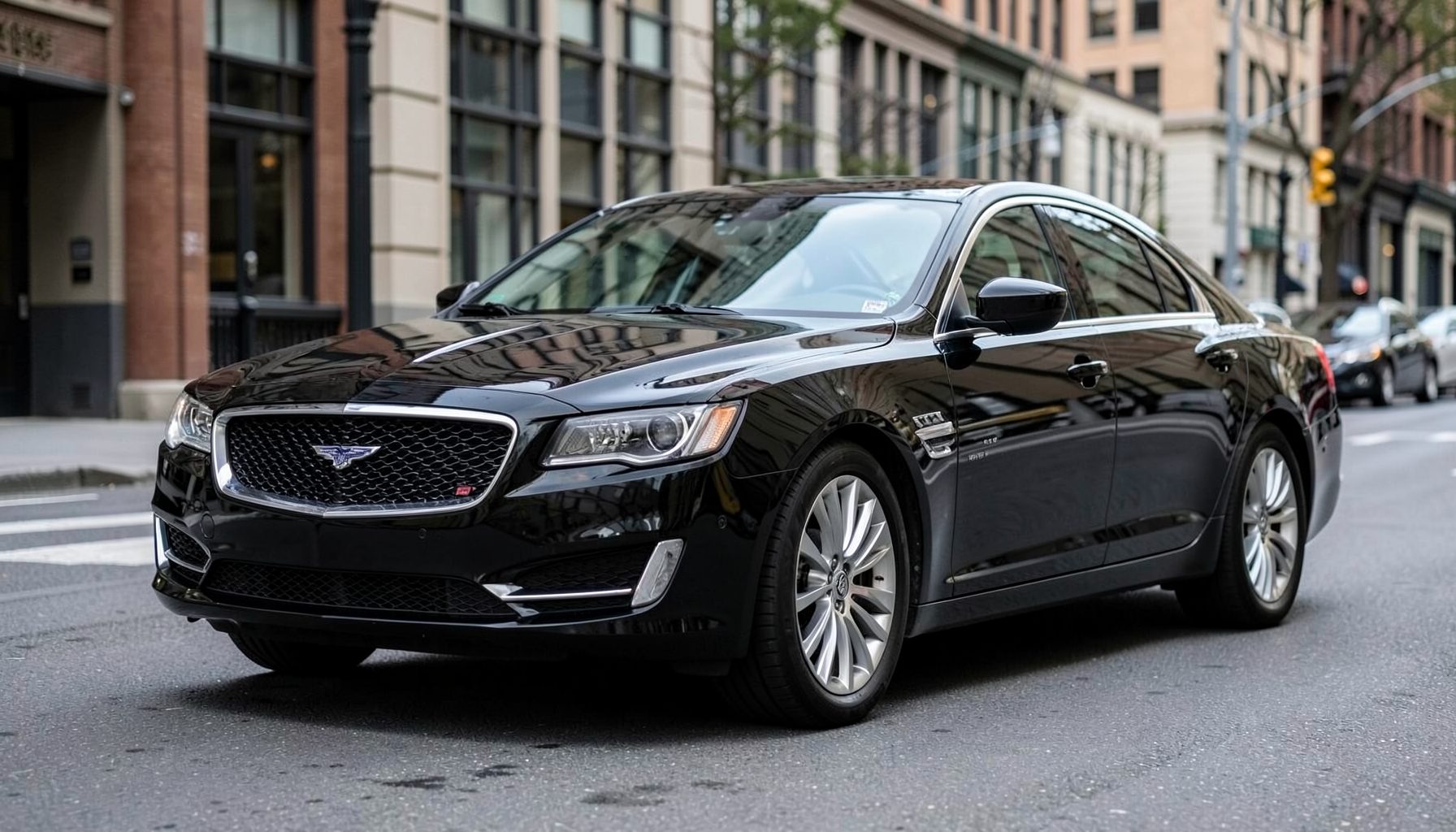
Why the Hyundai Elantra Makes Sense for Everyday Driving
A daily commuter needs to do several jobs well. It must be economical enough for regular trips, comfortable in traffic, easy to park, dependable over the long term, and equipped with safety technology that reduces stress behind the wheel. The Hyundai Elantra has earned attention because it combines these practical qualities in a compact sedan with a modern cabin and sensible running costs.
For Australian drivers, the appeal is easy to understand. Whether the commute involves Sydney toll roads, Melbourne tram corridors, Brisbane’s humid summers, or a longer suburban run in Adelaide or Perth, a well-designed small car can make every weekday journey simpler. The Elantra is also worth considering when shopping across international markets, although Australian buyers should confirm local availability, right-hand-drive specifications, engine choices, and warranty terms before making a decision.
Efficient Performance For Everyday Travel
Fuel economy is one of the strongest reasons to consider a compact sedan for commuting. A smaller engine and relatively light body can reduce fuel use compared with a large SUV, particularly when the vehicle is driven through suburban streets and moderate-speed arterial roads. That difference becomes meaningful when fuel prices and weekly kilometres are added together over a year.
The Elantra’s powertrain is designed for predictable, smooth transport rather than dramatic performance. Acceleration is generally sufficient for merging, overtaking, and joining motorways, while the automatic transmission helps keep stop-start driving relaxed. For many commuters, that balanced character is preferable to a car that feels unnecessarily powerful but costs more to operate.
Driving conditions in Australia vary considerably. A motorist in Canberra may deal with cold winter mornings, while a Brisbane driver may rely heavily on air conditioning during hot, humid afternoons. Efficient climate control, straightforward controls, and an engine that behaves consistently across ordinary driving conditions all contribute to a more comfortable commute.
A Comfortable Fit For City Streets
Compact dimensions are useful in crowded urban environments. The Elantra is easier to place in narrow lanes and parking structures than a large four-wheel drive, while its sedan shape provides a stable footprint on open roads. That makes it suitable for drivers who spend part of the week in dense city traffic and the rest travelling through outer suburbs.
Visibility, steering response, and a manageable turning circle also matter when navigating car parks, tight residential streets, and busy shopping precincts. Melbourne commuters may appreciate a car that is less cumbersome near tram lines, while Sydney drivers can benefit from a vehicle that is straightforward to position in compact parking spaces. The sedan body gives the driver a clear sense of where the front and rear corners are, which can make low-speed manoeuvring less tiring.
Inside, the Elantra offers enough space for regular commuting without feeling oversized. Front-seat occupants have room to settle in for longer journeys, and the rear seat can accommodate passengers for school runs, work trips, or occasional weekend travel. The boot is useful for groceries, work bags, and smaller luggage, though buyers who regularly carry bulky items may prefer the flexibility of a hatchback or SUV.
Technology That Helps Reduce Stress
Modern commuter cars need to provide more than a radio and basic air conditioning. Smartphone connectivity, hands-free calling, a clear infotainment screen, and steering-wheel controls can make everyday travel more convenient. The exact features vary by model year and trim, so it is important to check the equipment fitted to a particular vehicle rather than relying on a general model description.
Driver-assistance technology can be especially helpful during repetitive traffic. Depending on the specification, Hyundai safety systems may include features such as forward collision warning, automatic emergency braking, lane-keeping assistance, blind-spot monitoring, and adaptive cruise control. These systems are designed to support an attentive driver, not replace one, but they can provide useful alerts when traffic becomes tiring or visibility changes.
Adaptive cruise control may be valuable on long motorway commutes, while parking sensors or a reversing camera can help in busy shopping centres and apartment car parks. Drivers should test the interface during a vehicle inspection to ensure warnings are easy to understand and controls are not distracting. A technology package is most beneficial when it works naturally with the driver’s habits.
Practical Ownership And Running Costs
The purchase price is only part of a commuter car’s financial picture. Fuel, scheduled servicing, tyres, registration, insurance, depreciation, and unexpected repairs all affect the cost of ownership. A compact sedan can help keep several of these expenses manageable, especially when its tyres and consumables are smaller and less expensive than those used by a large SUV.
Routine servicing remains important even for a reliable vehicle. Oil and filter changes, brake inspections, tyre rotation, wheel alignment, and checks of cooling and electrical systems help protect long-term performance. A dealership service department with trained technicians and genuine parts can provide a consistent maintenance record, which may also support resale value when it is time to change vehicles.
Australian buyers should pay attention to the differences between local and overseas models. Hyundai vehicles sold in the United States can have different engines, safety features, infotainment systems, emissions equipment, and service intervals from cars supplied through Hyundai Australia. If comparing an Elantra from an American dealership with a vehicle available locally, confirm the vehicle identification details and the support available for parts and servicing before purchase.
Confidence When Choosing A Vehicle
Buying a car online or from a distance can make it harder to judge condition, history, and suitability. Clear vehicle photos, a complete specification, a history report, and a professional inspection can help reduce uncertainty. Used Elantra examples should be checked for consistent servicing, even tyre wear, smooth transmission operation, warning lights, and any evidence of accident damage or water exposure.
A test drive should include the conditions that resemble the intended commute. Try the car in slow traffic, on a faster road, and during parking manoeuvres. Listen for suspension noises, assess seat comfort after at least 20 or 30 minutes, and check whether the infotainment and safety systems are intuitive. A quiet cabin and supportive driving position can make a noticeable difference after months of daily use.
For buyers considering a vehicle through Alan Vines Automotive Group, the 3 Day Money Back Guarantee may provide additional reassurance, subject to the dealership’s stated terms and conditions. It is still essential to read the full policy, confirm eligibility, and understand how the process applies to the specific vehicle being considered.
Financing And Comparing Alternatives
The Elantra should be compared with more than just other compact sedans. Depending on priorities, alternatives may include a small hatchback, a hybrid, a compact SUV, or a used midsize car. A hatchback may offer easier access to tall cargo, while a hybrid can be attractive for heavy urban driving. An SUV may provide a higher seating position, but it can also involve greater purchase and running costs.
The right choice depends on the commute itself. A driver travelling long distances on country highways may value supportive seats, low cabin noise, and stable high-speed handling. Someone making short school and office trips may care more about parking ease, fuel economy, and interior storage. Families should check child-seat compatibility, rear-seat access, and boot capacity rather than assuming that exterior size tells the whole story.
Budgeting should include the deposit, repayment amount, insurance, fuel, servicing, and likely ownership period. Comparing finance options can help buyers understand how different terms affect the total cost, rather than focusing only on the weekly figure. The same disciplined approach applies to trade-ins: obtain a realistic valuation and compare it with the amount still owed on the existing vehicle.
Finding The Right Elantra For Your Routine
Trim level and model year can change the ownership experience. A basic version may offer strong value if the main requirement is dependable transport, while a higher trim could add improved seating materials, upgraded audio, larger displays, additional driver assistance, or more convenience features. The best specification is the one that supports regular use without pushing the budget toward features that will rarely be used.
Condition is equally important when shopping for a used vehicle. Low kilometres are helpful, but a car with complete servicing and careful ownership can be a better choice than one with fewer kilometres and a neglected history. Inspect the tyres, brake pedal, air conditioning, windows, lights, seat fabric, and boot seal. Ask for records and check that the vehicle’s equipment matches the advertised description.
A broad search can make it easier to compare prices, colours, mileage, equipment, and availability. Browsing the dealership’s featured inventory can help identify suitable cars before arranging a closer inspection, although Australian shoppers should confirm whether a listed vehicle is intended for the US market and whether it can legally and practically be registered in Australia.
The Hyundai Elantra is a sensible candidate for daily commuting because it focuses on the things most drivers use every day: efficient transport, comfortable seating, useful technology, manageable dimensions, and predictable ownership. Before committing, match the model and specification to local regulations, driving conditions, passenger needs, and service support. A careful test drive, a review of the vehicle history, and a complete running-cost calculation provide the clearest path to choosing a commuter car that remains practical long after the first trip.