Why You Should Test Drive Petrol and Diesel Versions of the Ram 1500
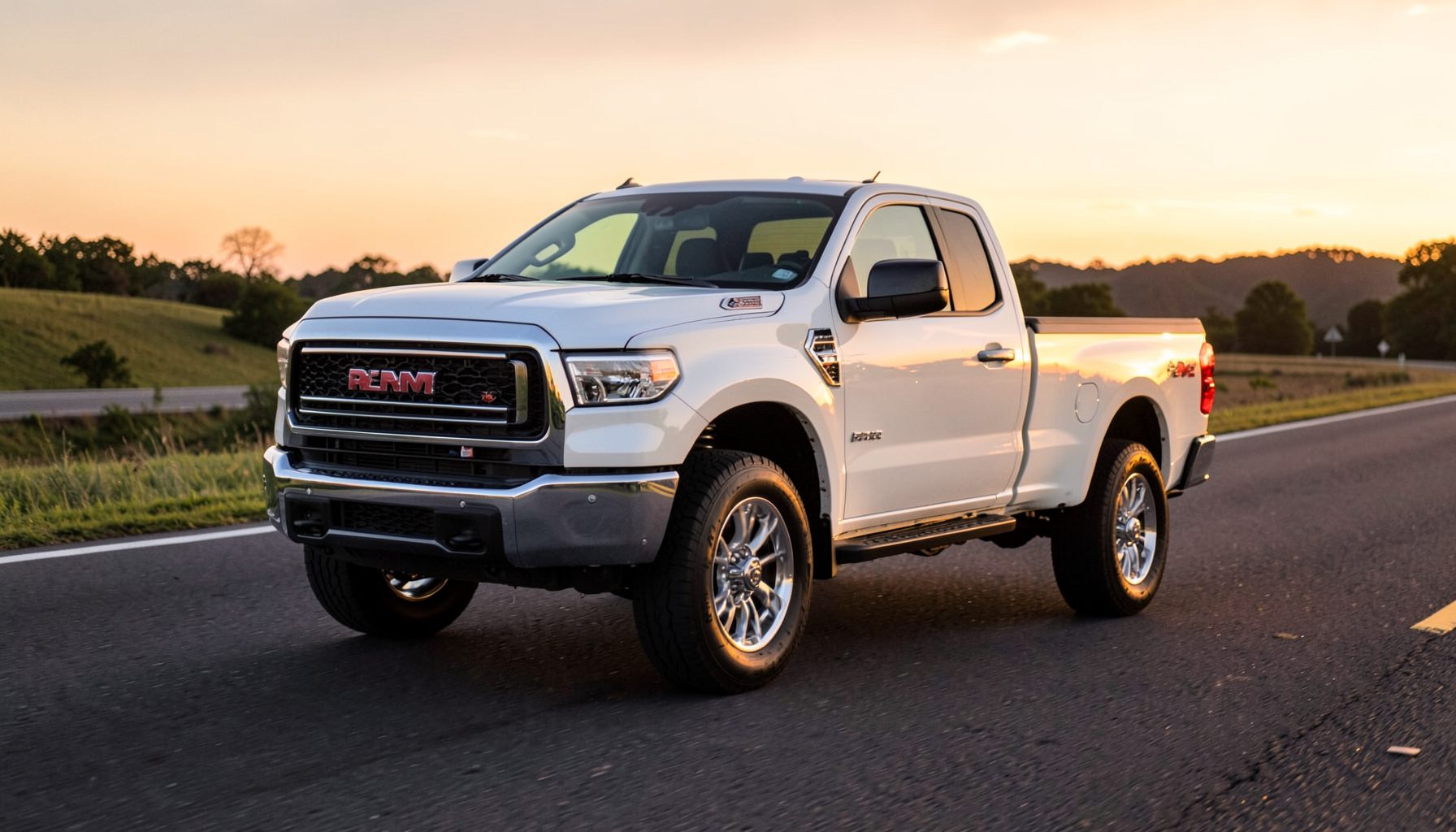
Buying a Ram 1500 in Australia often comes down to a choice that many ute and large SUV buyers face: petrol V8 character or diesel efficiency. The local line-up has grown considerably over the past few years, and right-hand drive Rams now appear in driveways from Perth to Brisbane. Taking the time to drive both engine options back-to-back can reveal differences that brochures never quite capture, especially when you factor in our long highways, regional fuel prices, and the way most owners actually use these trucks day to day.
A test drive in each variant gives you a real feel for acceleration, towing manners, cabin noise, and how each powertrain suits your weekly routine. It also stops you from committing to a truck that looks great on paper but feels wrong once you merge onto the M1 or pull a horse float out of a paddock in regional New South Wales. The right answer depends on your driving, where you live, and how the truck fits into your daily life rather than how it looks on the showroom floor.
Petrol character and the everyday driving feel
The petrol HEMI V8 that anchors the local Ram 1500 range has a personality all its own. The exhaust note at idle, the surge of torque when you put your foot down, and the unmistakable rumble from the back of the cabin are part of the appeal. Around town in Melbourne or Sydney traffic, the eight-speed automatic shifts smoothly and the engine feels responsive at lower revs, even with a heavy load in the tray. It is the powertrain most Australian buyers grew up associating with American trucks, and that emotional pull counts for more than some buyers realise.
Petrol also has some practical advantages worth weighing up. Standard 91-octane unleaded is available at virtually any service station from Broome to Hobart, which removes a small worry when you are travelling through remote areas. Servicing tends to be more straightforward in many workshops because petrol V8s are familiar to most mechanics, and parts availability through the employment network at major dealerships is generally strong. For buyers who do mostly suburban driving with the occasional weekend trip, the petrol engine often feels like the more natural fit.
Diesel torque and touring range
The diesel option, where available, brings a completely different character to the Ram 1500. With a relatively flat torque curve and strong low-end pulling power, diesel suits Australian touring conditions exceptionally well. Long stretches of highway, such as the Nullarbor Plain crossing between South Australia and Western Australia, become noticeably less stressful when the engine does not need to be revved hard to maintain speed. You can sit on 110 km/h with a caravan on the back and still have reserves for overtaking road trains, and the roadhouses along the way become a quicker stop rather than a necessary break.
Fuel economy also tends to favour diesel on longer journeys, which matters when regional unleaded prices climb well above $2.10 a litre in places like Townsville or Whyalla. Stopping at roadhouses along the way becomes less frequent, and the extra range means you can choose where to break rather than stopping at every fuel outlet. Drivers who spend serious time in regional areas often look forward to these stops, and a browse of stopover entertainment can make a longer break feel like part of the holiday rather than a chore. Australian regulations around diesel particulate filters and AdBlue consumption also mean you should ask specifically about urban-cycle fuel use, as the advantage shrinks considerably in stop-start traffic.
How each performs when the work gets serious
Towing is where the differences between petrol and diesel become most obvious. A petrol Ram 1500 delivers strong, linear power that builds as revs climb, and many drivers enjoy the more traditional feel of the V8 when hitching up a caravan or horse trailer. Diesel, on the other hand, offers its pulling strength much earlier in the rev range, which can feel more planted and less frantic at highway speeds. If you have ever towed a heavy load up a steep grade in the Adelaide Hills or along the Great Dividing Range, you will appreciate how much engine character matters in those moments.
Consider how you will use the truck week to week. A builder in the western suburbs of Brisbane hauling tools and materials short distances may not notice the diesel advantage as much, while a grazier running cattle between Cloncurry and Mount Isa will appreciate the extra torque and range. Both engines are built for hard work, but the way they deliver their power shapes the driving experience in subtle ways that only a proper test drive will reveal. Think about the heaviest load you realistically expect to pull, the terrain you cover, and the average distance between fill-ups on your regular routes.
Refinement, noise and cabin comfort
Climb into each version and the first thing you will notice is the sound. The petrol HEMI is louder at idle and under acceleration, with a distinctive V8 rumble that filters through the cabin even at highway speeds. The diesel is quieter at low revs and around town, but it can produce a more noticeable clatter under load, especially when towing. Which one you prefer often comes down to personal taste and how much time you spend in the cab on long drives.
Ride quality and steering feel tend to be similar between the two, as the chassis and suspension are shared across engine options. Interior trim levels and features carry across engine options in most trims, so you are not sacrificing comfort to choose one powertrain over the other. Cabin insulation also differs slightly between variants, and it is worth checking whether the trim you want is available with the engine you prefer, since Australian stock can vary by build allocation. For drivers who spend serious hours behind the wheel, this is the section of the comparison that matters most, and it is worth spending real time in both vehicles at different speeds to make a confident choice.
Running costs and long-term ownership
Looking beyond the sticker price, the total cost of ownership can swing either way depending on how you drive. Diesel models usually command a price premium at purchase, but they can repay that gap through better touring fuel economy. Petrol versions are typically cheaper to service because the engine architecture is simpler and oil capacities are smaller, and you avoid the extra AdBlue top-ups and emissions system maintenance that diesel demands. If you mainly drive short distances around the suburbs, those extra diesel maintenance costs may never pay themselves back.
Insurance and resale values also follow their own patterns. The Ram brand has grown steadily in Australia, and both engine types hold their value reasonably well, though local buyer preferences can vary. In some states, diesel utes and trucks are popular because of regional work needs, while in metro areas buyers often favour petrol for its lower entry cost. Checking current listings and speaking with dealers about which configurations are actually available right now will save you from falling in love with a truck that is not on the lot.
Practical things to ask during your test drive
- Drive a route that mixes suburban streets, a short highway stretch, and a hill climb to feel how each engine responds across real conditions.
- Test with and without a load in the tray, because the difference between an empty and loaded Ram 1500 is more pronounced than in smaller utes.
- Pay attention to visibility, mirror placement, and the view over the bonnet, especially if you will be navigating tight school drop-off zones in cities like Adelaide or Canberra.
- Ask about real-world fuel use figures from current owners rather than relying solely on the advertised numbers.
- Take note of cabin noise at 100 km/h on coarse-chip roads, which you will encounter often on regional routes in Queensland and New South Wales.
Whichever powertrain leans toward your needs, the differences between petrol and diesel Ram 1500s become obvious only after time behind the wheel of each. Treat the evaluation like a proper assessment rather than a quick spin around the block, and the answer usually becomes clear. Pairing this with an SUV comparison helps frame the Ram against other options in the segment, which sharpens the overall decision. The truck you choose should match the way you actually live, drive, and travel across Australia, not just the way it looks parked in your driveway on a Saturday morning.