A Guide To The Mitsubishi Eclipse Cross All-Wheel Drive System
The Mitsubishi Eclipse Cross is a compact SUV designed to feel composed in everyday traffic while offering extra security when the road becomes slippery, uneven, or loose. Its all-wheel drive system is commonly known as Super All-Wheel Control, or S-AWC, and it works with the vehicle’s brakes, engine management, and stability systems to manage grip.
For Australian drivers, that can mean greater confidence on a wet commute through Sydney, a gravel road near regional Victoria, or a winding trip towards the Snowy Mountains. It is important to understand that AWD improves traction; it does not turn the Eclipse Cross into a hard-core off-road vehicle or remove the need for suitable tyres and sensible speed.
The system is available in selected Eclipse Cross variants and may differ between petrol and plug-in hybrid models, as well as between model years. Equipment, drive modes, ground clearance, and wheel sizes should always be checked against the exact vehicle specification.
Buyers comparing current Mitsubishi models can browse the new vehicle inventory to see available stock and confirm which drivetrain is fitted. A short inspection and test drive can reveal how naturally the vehicle responds before you commit.
How Super All-Wheel Control Works
S-AWC continuously monitors information from the steering angle, throttle position, wheel speeds, yaw movement, and braking system. When the computer detects that a wheel is beginning to lose grip, it can adjust the distribution of driving force and apply braking intervention to help maintain the intended line.
In practical terms, the Eclipse Cross usually behaves like an efficient front-drive SUV during ordinary cruising, then directs torque where it is most useful when conditions change. This approach can reduce unnecessary mechanical drag while still providing assistance during acceleration on wet or loose surfaces.
The system is particularly useful when the front tyres are asked to do too much at once, such as turning uphill on a damp road or accelerating out of a muddy verge. It does not create grip from nothing, though. The available traction still depends heavily on tyre condition, tread design, road surface, and driver inputs.
Selecting The Right Drive Mode
Depending on the year and variant, an Eclipse Cross with S-AWC may offer modes such as Normal, Snow, and Gravel. These settings alter the vehicle’s throttle response, transmission behaviour, stability control calibration, and torque management to suit different surfaces.
Normal is the appropriate choice for most urban driving, motorways, and dry sealed roads. Snow mode is designed for slippery conditions, including wet roads, frost, and light snow, and generally aims to deliver smoother, less abrupt power application. Gravel mode is intended for loose surfaces where measured wheel slip can help the vehicle maintain progress.
Drive modes are assistance settings rather than permission to drive aggressively. On a corrugated road outside Dubbo or a damp campsite access track in Tasmania, Gravel mode may help the vehicle move more steadily, but reducing speed remains essential. Selecting a mode before the surface deteriorates is usually more effective than waiting until a wheel is already spinning.
Benefits On Australian Roads
Australia offers a wide variety of driving conditions within a single trip. A vehicle may leave a congested Melbourne suburb, travel along a rain-darkened coastal highway, and then encounter an unsealed road at a holiday property. AWD helps make those transitions less stressful by reducing the likelihood of front-wheel slip when power is applied.
On sealed roads, the biggest benefit is often stability rather than dramatic off-road ability. The Eclipse Cross can feel more settled when accelerating through a wet intersection or climbing a steep driveway. In areas affected by heavy rain, such as parts of northern New South Wales and Queensland, that extra control can be reassuring.
In winter, drivers heading towards Mount Buller, Falls Creek, or the Tasmanian highlands should remember that AWD is only one part of the traction equation. Snow chains may be required by local authorities, and tyre requirements can vary by road and weather conditions. Checking conditions before departure is more reliable than assuming an AWD badge guarantees safe passage.
Handling Gravel, Mud, And Slopes
The Eclipse Cross can handle many maintained gravel roads and firm access tracks, but its design priorities remain comfort, efficiency, and family transport. It is not built with the low-range gearing, underbody protection, or extreme approach angles associated with a dedicated four-wheel-drive vehicle.
On gravel, slow and smooth inputs are the key. Abrupt steering, heavy braking, or sudden throttle can overwhelm even a capable traction system. Keeping both hands on the wheel and leaving extra stopping distance helps the electronic controls work without constant intervention.
Mud requires additional care because a soft surface can quickly become deeper than it first appears. If the road ahead is rutted, flooded, or heavily bogged, turning around may be wiser than relying on S-AWC. The system can manage small differences in grip, but it cannot compensate for insufficient clearance or tyres packed with mud.
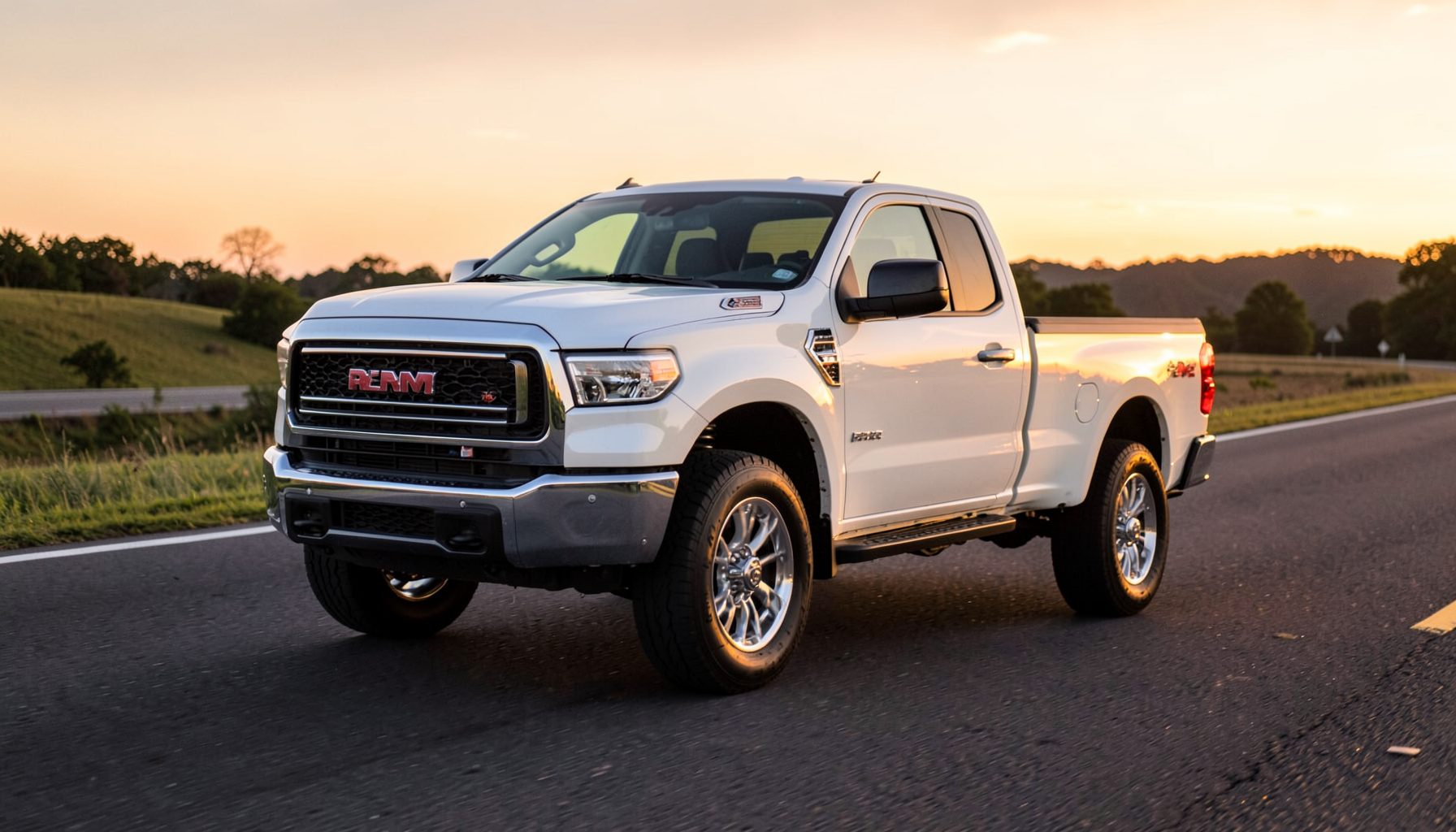
Towing is another area where expectations should remain realistic. The correct towing capacity depends on the precise Eclipse Cross variant and Australian specification, so consult the owner’s manual and compliance information. For perspective, a full-size work vehicle has very different capabilities; an explanation of Ram towing capacity illustrates why vehicle size, chassis design, and cooling systems matter when hauling heavy loads.
Petrol And Plug-In Hybrid Differences
The petrol Eclipse Cross uses an engine and transmission layout that can send power to the front wheels or manage torque through the AWD system when fitted. Its response will feel familiar to drivers of conventional SUVs, with the engine, gearbox, and electronic controls working together to maintain traction.
The plug-in hybrid version uses electric drive components differently, with a petrol engine and electric motors contributing according to the vehicle’s operating strategy. S-AWC can still help manage traction, but the sensation may be quieter and more immediate because electric motors can deliver controlled torque very quickly.
Battery charge, temperature, selected mode, and system status can affect how a PHEV responds. Owners should read the dashboard messages and follow the recommended charging and maintenance procedures. The Eclipse Cross PHEV should also be compared carefully with the larger Outlander PHEV; the Outlander PHEV range provides useful context for understanding how Mitsubishi positions its plug-in hybrid SUVs.
Regardless of powertrain, the same basic principle applies: use the drivetrain to support good driving habits, not replace them. Smooth acceleration and appropriate tyres remain valuable whether the vehicle is powered mainly by petrol, electricity, or both.
A Simple AWD Setup Checklist
A short pre-drive check can make the system more effective. Look at the tyre pressures, inspect the tread, remove heavy mud from the wheel arches, and make sure the selected mode matches the surface rather than the destination.
It is also worth understanding the warning lights before travelling outside mobile coverage. If an AWD, stability-control, or hybrid-system warning appears, reduce speed and arrange professional inspection. Continuing to push through a problem can turn a minor sensor issue into an expensive drivetrain repair.
Before a long trip
- Confirm tyre pressures, tread depth, and spare-wheel condition
- Check weather, road closures, and snow-chain requirements
- Pack recovery equipment suitable for the route
- Review the vehicle’s towing and payload limits
When the surface changes
- Select Snow or Gravel mode when appropriate
- Reduce speed before corners, descents, and loose sections
- Use gentle throttle and avoid sudden steering inputs
- Stop if water depth, mud, or ruts exceed the vehicle’s capability
Maintaining Reliable AWD Performance
Regular servicing is important because an all-wheel drive system depends on sensors, control modules, driveline components, and correctly matched tyres. Tyres should generally be replaced as a complete set or according to Mitsubishi’s specified limits, since major differences in rolling circumference can confuse the system or place extra stress on drivetrain components.
A trained technician can check for uneven tyre wear, damaged driveshafts, fluid leaks, suspension problems, and electronic fault codes. Warning signs may include unusual vibration, clunks during tight turns, persistent wheelspin, or a dashboard message that does not clear after restarting.
Wheel alignment deserves attention as well. Australian roads can be rough, and a sharp pothole or kerb impact may alter alignment without causing obvious body damage. Uneven wear on the inside or outside edge of a tyre can reduce traction long before the tread appears completely worn.
For a used Eclipse Cross, ask for service records and confirm whether the correct tyres are fitted. A vehicle valuation or trade-in discussion can also help establish the overall condition of an existing car before changing to an AWD SUV.
Making The Most Of The Eclipse Cross
The best way to evaluate the system is to drive the vehicle in conditions that resemble your normal routine. Pay attention to how it accelerates from a wet junction, how confidently it climbs a ramp, and whether the seating, visibility, and ride suit longer Australian journeys.
An AWD Eclipse Cross is a sensible match for drivers who want extra traction in rain, occasional gravel-road ability, and a compact footprint for shopping centres and city streets. It is less suitable for serious bush tracks, deep sand, rock steps, or frequent heavy towing, where a more specialised four-wheel-drive vehicle may be appropriate.
Ultimately, S-AWC works most effectively as part of a complete approach to vehicle control. Keep the tyres correctly inflated, choose the suitable mode, slow down for changing surfaces, and have warning signs inspected promptly. The practical takeaway is simple: use the Eclipse Cross’s all-wheel drive to maintain steady traction, while letting speed, preparation, and sound judgement remain your primary safety systems.