Jeep Grand Cherokee Or Dodge Journey For Everyday Driving
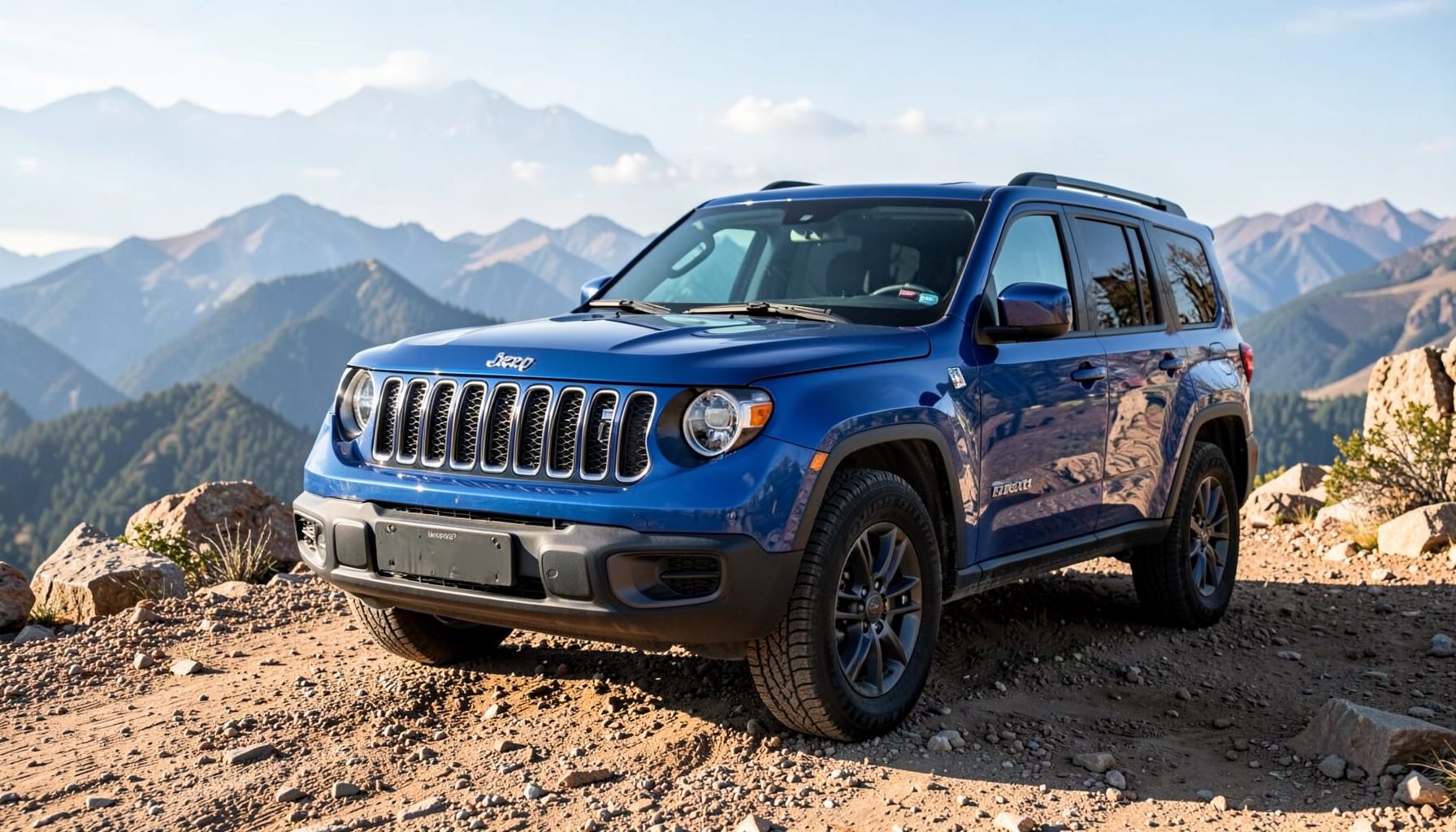
Choosing between the Jeep Grand Cherokee and the Dodge Journey depends less on badge appeal than on the kind of driving your week involves. Both are family-friendly vehicles with SUV practicality, yet they serve different purposes. The Grand Cherokee feels more substantial and refined, while the Journey offers straightforward space and a generally lower entry price on the used market.
For Australian drivers, the comparison needs a little context. The Dodge Journey was not sold widely as a new vehicle in Australia and is now a used import or a left-hand-drive curiosity in many listings. Jeep has a stronger local presence, although the Grand Cherokee sold in Australia may differ in engine choices and equipment from vehicles in the United States. If you are browsing an American dealership such as Alan Vines Automotive Group in Jackson, Tennessee, always check compliance, steering position, parts support, and registration requirements before considering an import.
Everyday Size And Road Manners
The Grand Cherokee is the larger and more premium-feeling vehicle. Its solid body, higher driving position, and composed suspension make it comfortable on motorways and country roads. It can feel reassuring when merging onto a busy road outside Melbourne or travelling between regional towns, where a quiet cabin and stable ride reduce fatigue.
The Journey is easier to place in tight spaces because it feels less bulky from behind the wheel. That can matter when squeezing into a compact Sydney shopping-centre bay or navigating older suburban streets. Its steering and ride are reasonably relaxed, though the vehicle’s age is noticeable beside newer SUVs with sharper responses and better sound insulation.
Neither model is a small urban runabout. Their SUV height helps with visibility, loading prams, and climbing into the cabin, but their width still requires care in multi-storey car parks. The Grand Cherokee’s larger footprint pays off on longer trips, while the Journey’s simpler dimensions may suit drivers who mainly handle school runs, errands, and suburban commuting.
Cabin Space And Family Practicality
The Dodge Journey’s major advantage is its flexible interior. Many examples include a third row, giving it seven-seat capability, although the rearmost seats are best suited to children or occasional use. With the third row folded, the cargo area is useful for groceries, sports gear, and luggage. Stowage compartments beneath the floor add everyday convenience.
The Grand Cherokee is generally a five-seat SUV, but its cabin feels more spacious and better finished. Front occupants get supportive seats, a broad dashboard, and a commanding view of the road. Rear-seat room is comfortable for adults, and the luggage area is well suited to a couple’s holiday bags or a family’s weekly shopping.
Think carefully about how often you truly need seven seats. A third row can be valuable for a large family, but it also adds weight and can reduce luggage room when occupied. For a household that usually carries four or five people, the Grand Cherokee’s better materials and quieter ride may be more useful than the Journey’s occasional extra seats.
Engines Fuel Economy And Running Costs
Engine selection changes the character of both vehicles. Grand Cherokee variants can offer strong V6 or V8 performance, and some generations include diesel power. That extra capability is useful for towing, highway travel, or carrying a full load through hilly country, but larger engines usually bring higher fuel consumption and servicing costs.
Journey models commonly use a V6 or a smaller four-cylinder engine, depending on year and market. The four-cylinder can be adequate for city work, though it may feel strained with seven passengers, luggage, or a trailer. The V6 is smoother and more confident, but fuel use can approach that of larger SUVs without offering the same towing or premium driving experience as a Grand Cherokee.
Australian owners also need to consider fuel prices, which can vary sharply between metropolitan suburbs and remote areas. A vehicle that seems affordable at purchase can become expensive if it spends every day in stop-start traffic around Brisbane or makes regular long-distance trips. Compare claimed economy with owner reports, inspect service records, and budget for tyres, brakes, insurance, and registration rather than focusing only on the advertised price.
Safety Tech And Driver Confidence
A newer Grand Cherokee generally has the advantage in active safety and driver assistance. Depending on model year and trim, it may include blind-spot monitoring, adaptive cruise control, forward collision warning, lane assistance, and a reversing camera. These features are especially helpful on long drives, although they should support attentive driving rather than replace it.
The Journey’s safety equipment varies considerably by year and specification. Later examples may have useful airbags, stability control, and a camera, but older vehicles often lack the broader driver-assistance package found in newer SUVs. If you are comparing two used cars, inspect the exact vehicle rather than assuming every Grand Cherokee or Journey has identical technology.
Visibility, braking feel, tyre condition, and the operation of electronic aids matter just as much as a feature list. Australian roads can change quickly from smooth urban asphalt to coarse rural surfaces, and wet-weather grip matters during a Queensland storm or a winter drive through Tasmania. A pre-purchase inspection is worthwhile when a vehicle has travelled many kilometres or has been imported.
Used Market Ownership And Resale
The Journey’s lower used price can make it tempting for buyers who want maximum cabin space without paying for a newer SUV. However, its discontinued status and limited Australian presence can affect resale, specialist knowledge, and parts availability. Confirm that replacement panels, suspension components, electronic modules, and routine service items are accessible before committing.
The Grand Cherokee usually has stronger brand recognition and a broader support network, though maintenance is not always cheap. Four-wheel-drive systems, automatic transmissions, air suspension on some versions, and diesel emissions equipment can require expensive attention when neglected. A full service history is particularly valuable, and a vehicle that has been regularly maintained is usually a wiser purchase than a cheaper example with an uncertain past.
Resale value also depends on specification, kilometres, condition, and local demand. In Australia, buyers often favour vehicles with clear service documentation, practical towing equipment, and a clean roadworthy history. A modified vehicle can be harder to value accurately. If you are trading one, learn how to negotiate a modified trade before accepting the first estimate.
Financing Trade-Ins And The Ownership Budget
The purchase price is only one part of the daily-driver calculation. A Grand Cherokee may cost more initially but provide newer technology, stronger road manners, and better long-distance comfort. A Journey may be cheaper to buy, yet its age could mean more frequent repairs or a narrower pool of future buyers.
Finance terms can change the comparison significantly. Look beyond the weekly repayment and examine the interest rate, loan term, fees, final payment, and total amount payable. Buyers in Australia should also confirm whether an imported vehicle can be financed easily and whether insurance premiums reflect its steering position, parts supply, and market value. For US buyers considering a vehicle from Tennessee, understand GAP insurance before signing finance documents, especially when borrowing close to the vehicle’s full value.
A trade-in can reduce the amount financed, but private-sale estimates are not always realistic once preparation, advertising, and buyer negotiations are considered. Ask for an itemised valuation and compare it with similar vehicles, adjusting for condition and history. Online valuation tools can provide a useful starting point, while an in-person appraisal gives the dealer a chance to assess tyres, paint, interior wear, and mechanical condition.
A Practical Daily Driver Checklist
Use these points when comparing a specific Grand Cherokee with a specific Journey rather than relying on model reputation alone:
- Match the seating and cargo layout to your normal passenger count, not an occasional holiday scenario.
- Check the engine, gearbox, drivetrain, and safety equipment by VIN and model year.
- Calculate realistic fuel, insurance, servicing, registration, and tyre costs.
- Inspect the vehicle underneath for leaks, accident repairs, rust, worn suspension, or poor modifications.
- Take luggage, child seats, or regular equipment along for the test drive and loading check.
A proper drive should include slow manoeuvres, urban traffic, a faster road, firm braking, parking, and reversing. Pay attention to transmission hesitation, steering vibration, wind noise, seat comfort, and how easily you can judge the corners. A useful professional test drive approach helps reveal faults that a quick loop around a dealership may miss.
Also test the features you will actually use. Pair your phone, adjust the driving position, open the tailgate, fold the rear seats, and check whether the infotainment screen is intuitive. A vehicle can look impressive in photographs yet prove awkward when the pram, shopping, or camping equipment has to fit inside.
Making The Better Choice For Your Routine
The Grand Cherokee is the stronger all-round choice for drivers who value comfort, performance, towing ability, and a more modern cabin. It suits frequent motorway travel, regional touring, and households that want an SUV with a substantial feel. Choose carefully, however, because a high-specification or powerful version can bring higher fuel and maintenance bills.
The Journey makes more sense when purchase price and flexible seating are the main priorities. It can serve a family well as a practical used vehicle, especially if the third row is genuinely useful and the example has a strong maintenance record. Its age, limited Australian market presence, and less advanced safety technology should be treated as important ownership considerations rather than minor details.
For most Australian daily driving, compare a well-kept Grand Cherokee with a Journey of similar condition, kilometres, and price rather than comparing badges alone. Confirm local compliance for any import, inspect the service history, calculate the full running budget, and choose the vehicle that fits your regular passengers, roads, and parking spaces. The practical takeaway is simple: select the Grand Cherokee for refinement and long-distance confidence, or the Journey for affordable family flexibility, provided the individual vehicle passes a careful inspection.