Financing a Car When You Are Self-Employed in Australia
Self-employed buyers in Australia face a financing process that looks nothing like the experience of a permanent employee, and most only realise this when they hit the first question on a dealer's finance application. Whether the buyer is a freelance designer in Melbourne, a sole-trader tradie in Brisbane, or a consultant billing clients across Sydney and Perth, the way they evidence their income largely decides what they can borrow, what rate they are offered, and whether approval arrives the same day.
The good news is that self-employed borrowers have more pathways than they did a decade ago. Specialist lenders, novated lease arrangements, peer-to-peer platforms, and dealer finance programs have all expanded in response to Australia's growing small-business economy. Knowing what each option requires, and which one matches the working pattern, is the difference between a quick yes at the counter and a long, frustrating wait.
Why Lenders Treat Self-Employed Applications Differently
Lenders in Australia do not discriminate against the self-employed, but they do price their risk differently. For a permanent employee with three years on the same payslip, the verification process is largely automatic. For a self-employed applicant, the lender has to reconstruct income from tax returns, BAS statements, and bank statements, then judge whether the business is stable enough to support the loan.
Two structural reasons drive this. First, the Australian Prudential Regulation Authority tightened serviceability rules to prevent over-commitment, which has made lenders more cautious about variable income streams. Second, the Australian Taxation Office allows sole traders to lodge figures well into the following calendar year, meaning the most recent full-year financials can be nine to twelve months old by the time a buyer walks into a dealership in spring.
The practical effect is that a self-employed buyer usually needs two complete years of returns to qualify for a standard loan. Freelancers fresh off year one of their ABN, or contractors who have just transitioned from a PAYG role, may have to look at specialist lenders, pay a higher rate, or accept a smaller loan until they build a proper history.
Getting Your Paperwork Ready Before You Apply
Walking into a dealership with a folder in hand can shorten approval from days to hours. The trick is to bring the same evidence a lender will need to verify, before they even ask. Most Australian lenders, including the finance arms attached to major dealership groups, will request the same core set of documents from anyone with an active ABN.
Key items worth gathering before applying:
- Two years of personal and business tax returns, including the ATO Notice of Assessment for each year
- The last four BAS lodgements if registered for GST, which becomes mandatory once turnover passes $75,000
- At least six months of business bank statements, showing regular income and expenses
- A signed profit-and-loss statement prepared by an accountant, ideally covering year-to-date figures
Some lenders also accept a one-page accountant's letter that summarises current earnings, which is useful when a business is growing quickly and the last return understates present income. Bringing that letter alongside the rest of the folder can replace weeks of back-and-forth once the finance manager starts requesting more information.
Choosing a Lender That Understands Irregular Income
Not every finance product on a dealer's lot suits a self-employed earner. Standard consumer loans with a low headline rate are usually underwritten by big banks that expect smooth, predictable income. When the buyer has a quiet February followed by a strong June, those algorithms can quickly return a decline.
Specialist lenders and credit unions often perform better. Lenders serving small-business owners in regional hubs such as Townsville, Ballarat, and Geelong tend to look at the trend of income over twenty-four months rather than the most recent three. Some accept accountant-prepared cash flow forecasts in place of strict returns, particularly in industries with seasonal swings, from tourism operators in Cairns to harvest contractors in the Riverina.
Dealer finance has its own advantages. Franchise dealerships operate in-house finance with their own panel of lenders, and a good finance manager can route a self-employed application to the lender most likely to accept it. Comparing vehicle prices before sitting down with a finance manager is also worthwhile, and the new vehicle inventory at a multi-brand dealer is a sensible place to start that comparison.
Strategies That Strengthen Your Application
Even with excellent paperwork, the rate offered to a self-employed borrower is rarely the headline rate. The gap between the advertised figure and the offer depends on how the lender reads the application. A handful of moves consistently tilt the odds in the borrower's direction.
Larger deposits remain the most direct lever. A deposit of twenty per cent or more signals lower risk and often unlocks a sharper rate, particularly for newer vehicles. For buyers in cities such as Adelaide or Hobart, where used-car prices have held firm, putting extra cash into the deal rather than rolling an existing loan can save thousands over the life of the finance.
Personal credit matters just as much. Lenders will pull a credit file from Equifax or Experian, and any unpaid buy-now-pay-later balances, credit card limits close to the limit, or missed repayments on a phone plan will count against the application. Paying these down before applying is a quiet but powerful step.
The vehicle itself also influences the outcome. Lenders prefer cars with strong resale value and clean service histories, which is why a well-maintained SUV or ute with a full logbook will finance more easily than an older grey-import. Buyers planning ahead for big Australian road trips, whether crossing the Nullarbor or driving north to Noosa, benefit from a careful pre-trip check, and a useful road trip inspection guide is available to walk through the key items.
Leasing and Novated Options Worth Knowing
Self-employed Australians sometimes overlook novated leases because the salary-packaging label suggests they are only for employees. In reality, anyone with an ABN can structure a novated lease through their own company, and the tax treatment can be favourable. Running the lease through a Pty Ltd means the business can claim GST on the vehicle's purchase price, up to the luxury car limit, and deduct running costs such as fuel, insurance, and maintenance against business income.
For sole traders without a company structure, a chattel mortgage or commercial hire purchase is often the cleanest route. The business owns the car from the start, claims depreciation, and treats repayments as a business expense. This suits tradies and mobile service providers who use the vehicle heavily, from a sparky working job sites across western Sydney to a mobile mechanic running the corridor between Parramatta and Penrith.
Questions worth raising with any lender or finance broker:
- Will you accept the last two full years of returns, or do you want year-to-date management figures?
- Is there a higher rate for self-employed applicants, and what would bring it down?
- Can the loan be split between business and personal use if the car serves both purposes?
- What happens to the finance if quarterly income drops by more than twenty per cent?
What Buyers Say and What to Do Next
Hearing how other self-employed buyers navigated the process helps set realistic expectations. Real stories from people who financed their own cars reveal which lenders moved quickly, which asked for endless paperwork, and which offered fair rates. Browsing customer feedback stories from a dealer's recent buyers is a good way to gauge how the finance team handles non-standard applications.
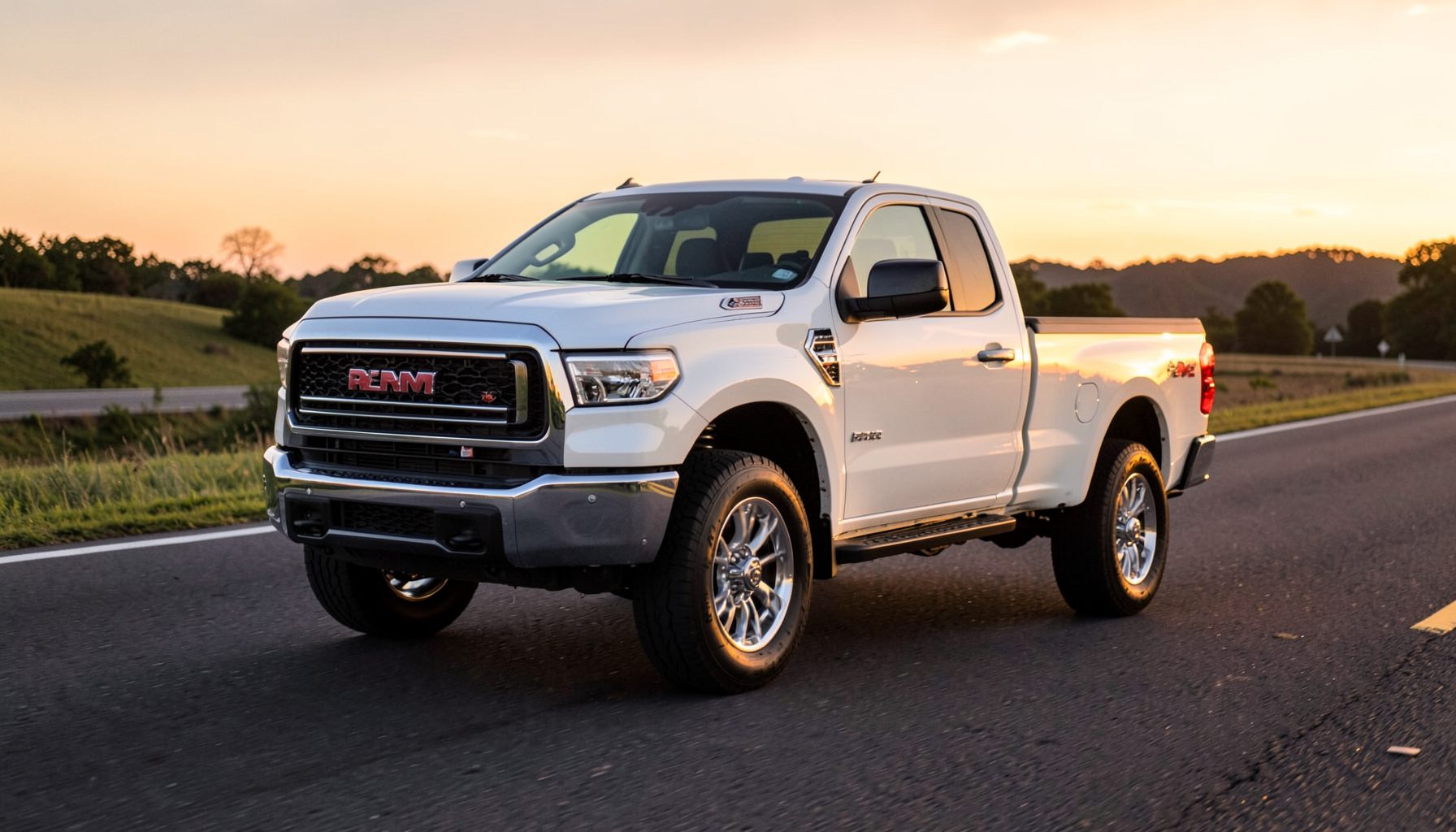
Once the paperwork is in order, the next concrete step is to pick two or three vehicles that genuinely suit both work and lifestyle — a ute for a landscaper on the Central Coast, a seven-seat SUV for a family-business owner ferrying kids around Melbourne's eastern suburbs, a compact hybrid for a consultant driving between Brisbane and the Gold Coast — and request a personalised finance quote for each, then book a test drive and finance pre-approval for the strongest contender within the same week.