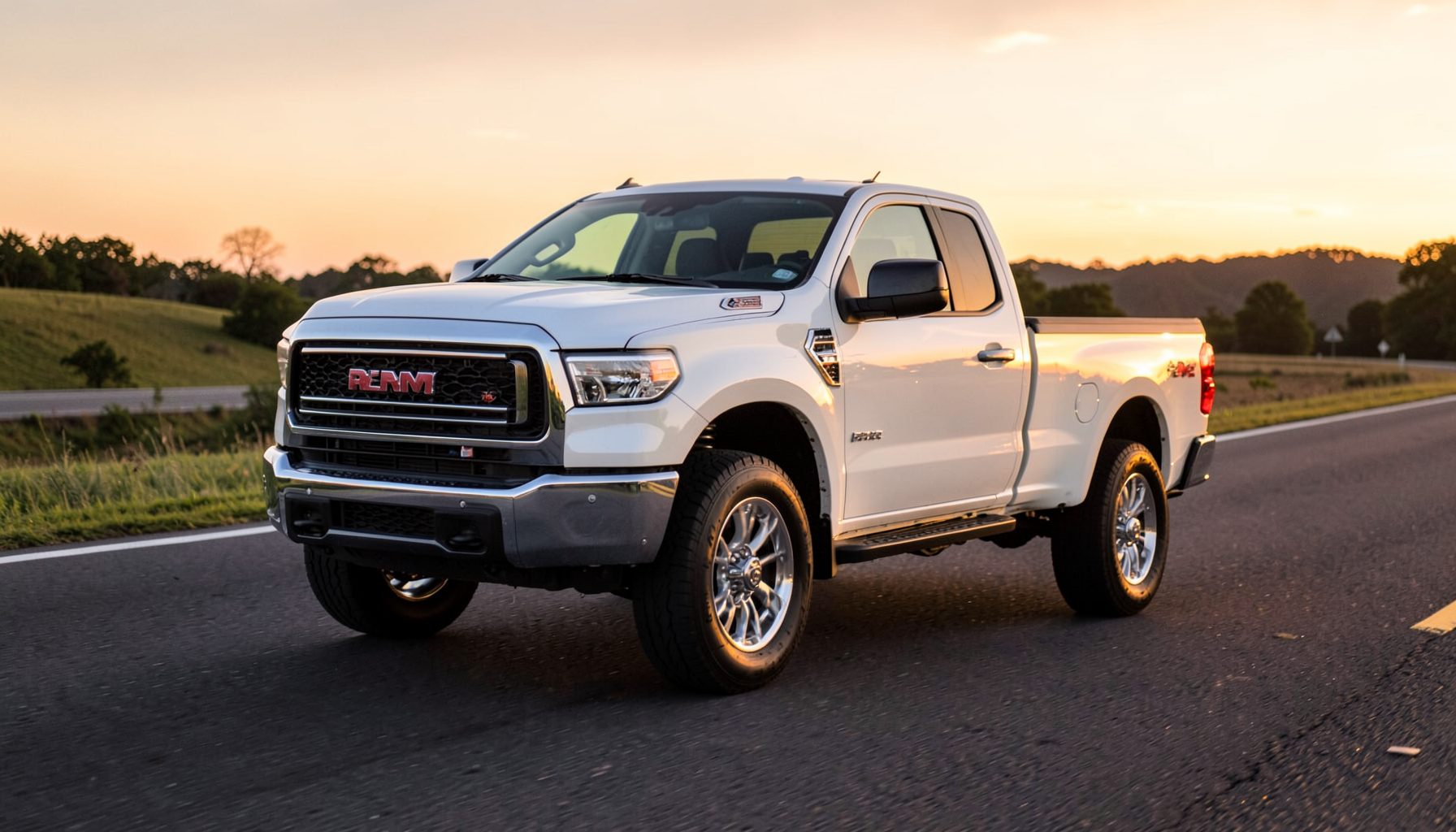
How to Prepare Your Car for a Road Trip Inspection
A long drive places steady demands on every part of a vehicle. Engine components must handle extended running, tires need to maintain safe contact with the road, and cooling, braking, and electrical systems must work reliably for hours at a time. A quick inspection before departure can identify small problems before they become expensive roadside interruptions.
Preparing your car for a road trip inspection means looking beyond fuel level and tire pressure. The process should cover safety equipment, fluid levels, lights, belts, wipers, battery condition, cargo security, and the vehicle’s service history. It should also account for the terrain, weather, passenger load, and distance involved.
Drivers in Jackson, Tennessee, can complete many basic checks at home and arrange a professional review when a vehicle has an unknown history or shows warning signs. Alan Vines Automotive Group’s trained service technicians can inspect cars, trucks, SUVs, and vans with genuine parts and manufacturer-focused procedures.
Gather Records And Plan The Route
Start by reviewing the owner’s manual and maintenance records. Look for upcoming service intervals, recent repairs, tire replacement dates, recall notices, and any dashboard warnings that have been reset without addressing the underlying issue. A road trip is a poor time to postpone scheduled maintenance that is already due.
Check that registration, insurance information, roadside assistance details, and warranty documents are accessible. Understanding your warranty coverage guide can help clarify which repairs may be covered and whether specific service procedures or authorized parts are required.
Route planning also affects the inspection. Mountain roads, hot weather, heavy rain, gravel surfaces, and long stretches without fuel or charging stations all place different demands on a vehicle. Mark fuel stops, rest areas, service locations, and overnight stops before leaving. If passengers expect waiting time at charging or service stops, they can prepare podcasts, games, or other popular videoslots for lawful, age-appropriate downtime.
Examine Tires, Wheels, And Brakes
Tires deserve careful attention because they influence steering, stopping distance, fuel economy, and ride stability. Check pressure when the tires are cold and compare each reading with the vehicle manufacturer’s recommended figures, usually found on the driver’s doorjamb label. Do not use the maximum pressure printed on the tire sidewall as the everyday target.
Inspect the tread for uneven wear, exposed cords, cracks, punctures, or objects lodged in the rubber. Uneven wear can indicate misalignment, worn suspension parts, or incorrect inflation. Measure tread depth with a gauge if possible, and replace tires that are near the legal limit or visibly damaged. Confirm that the spare tire is inflated and that the jack, wrench, and locking-wheel-nut key are present.
Look through the wheels for signs of brake dust buildup on one side, fluid near the inside of a wheel, or damaged rims. During a short, quiet test drive, pay attention to grinding, scraping, vibration, pulling, or a soft brake pedal. Any of these symptoms calls for professional attention before a highway journey.
Check Fluids, Belts, And The Battery
With the engine cool and the vehicle parked on level ground, check the engine oil, coolant, brake fluid, transmission fluid where applicable, windshield washer fluid, and power steering fluid if the vehicle uses a hydraulic system. Low levels may point to a leak rather than simple consumption, so inspect the ground beneath the vehicle for fresh spots or stains.
Coolant deserves particular care before a summer trip. The reservoir should sit between its marked levels, and the fluid should have the correct type and mixture specified by the manufacturer. Never remove a radiator cap from a hot engine. Oil that looks unusually thick, milky, or contaminated should also be investigated before departure.
Examine serpentine belts and visible hoses for fraying, glazing, splitting, soft spots, or bulges. Check battery terminals for corrosion and make sure the battery is held firmly in place. Slow cranking, dim interior lights, or a battery several years old can justify a battery test, especially when the route includes extreme temperatures.
| Inspection item | At-home check | Professional review |
|---|---|---|
| Tires and wheels | Pressure, tread, visible damage, spare equipment | Alignment, balancing, sidewall condition, suspension wear |
| Brakes | Pedal feel, noises, pulling, warning light | Pad thickness, rotors, calipers, brake fluid, hydraulic lines |
| Fluids | Levels, leaks, unusual color or smell | Leak diagnosis, fluid condition, service intervals |
| Battery and charging | Starting performance, terminal corrosion | Battery health, alternator output, electrical load testing |
| Lights and wipers | Operation, bulb condition, washer spray | Wiring faults, aiming, switch and control diagnosis |
| Belts and hoses | Cracks, fraying, bulges, looseness | Tension, pulley condition, hidden deterioration |
Test Lights, Visibility, And Climate Control
Turn on the headlights, high beams, daytime running lights, parking lights, brake lights, turn signals, hazard flashers, reverse lights, and license plate lights. Ask another person to walk around the vehicle while each function is activated, or use reflections in a garage door or window. Replace failed bulbs promptly and clean cloudy lenses when necessary.
Visibility systems matter in both bright sun and heavy rain. Inspect windshield wiper blades for splitting, streaking, or missed sections. Refill washer fluid and confirm that the spray reaches the glass. Check the windshield for chips or cracks that could spread with vibration or temperature changes, particularly if damage lies in the driver’s field of vision.
Run the heater, air conditioner, defroster, and cabin fan through their settings. A working climate-control system helps prevent driver fatigue and keeps windows clear. Replace a severely dirty cabin air filter if airflow is weak or the interior has persistent odors. Also check that the horn works and that no warning message appears when the vehicle starts.
Inspect Safety Equipment And Cargo
Every passenger should have a usable seat belt, and child seats should be installed according to the seat and vehicle manufacturers’ instructions. Remove loose objects from the passenger compartment, since phones, bottles, tools, and luggage can become dangerous projectiles during sudden braking. Heavy items belong low in the cargo area and should be secured against movement.
Pack a roadside kit suited to the journey. Useful items include a flashlight, reflective warning devices, first-aid supplies, gloves, drinking water, basic tools, jumper cables or a tested jump pack, tire sealant where appropriate, and a phone charger. Electric-vehicle drivers should verify cable compatibility, charging-network access, and the location of dependable stations along the route.
Check roof racks, trailers, hitch connections, and cargo carriers if they are being used. Confirm that the load remains within the vehicle’s stated weight limits and that all straps, pins, and latches are secure. Extra weight changes braking, cornering, tire pressure requirements, and fuel or battery consumption.
Know When To Schedule A Professional Check
A home inspection is useful, but it cannot reveal every developing fault. Arrange a service appointment when the vehicle has been sitting unused, recently purchased, involved in a collision, or driven through severe conditions. A professional inspection is also sensible when maintenance records are incomplete or the trip will cover several states.
Technicians can raise the vehicle to inspect its underside, examine suspension and steering components, measure brake wear, test the battery and charging system, and identify leaks that are difficult to see from above. They can also scan for diagnostic trouble codes even when the check-engine light is off. A used car inspection is especially valuable for drivers preparing an unfamiliar vehicle for extended travel.
Do not ignore dashboard warnings, repeated fluid loss, overheating, steering looseness, brake noise, persistent vibration, or unusual smells. These symptoms may reflect problems with the cooling system, wheel bearings, exhaust, transmission, or electrical equipment. Resolving them before departure is safer and usually less disruptive than searching for a repair facility during a trip.
Complete A Final Departure Checklist
Perform a final walk-around on the day before leaving, then repeat the most important checks shortly before departure. Tire pressures can change with temperature, and a loaded vehicle may require the manufacturer’s specified adjustment. Make sure fuel or battery charge is sufficient for the first segment of the route, with a practical reserve for traffic or detours.
Use this compact checklist before setting off:
- Verify tire pressure, tread condition, spare equipment, and wheel-lug security.
- Check engine oil, coolant, washer fluid, brake fluid, and visible areas for leaks.
- Test all exterior lights, the horn, wipers, washers, defroster, and climate controls.
- Secure luggage, child seats, roof carriers, trailer connections, and loose cabin items.
- Carry identification, insurance details, emergency contacts, medication, water, and roadside equipment.
After loading passengers and cargo, take a short local drive. Listen for new rattles, confirm that the vehicle tracks straight, test the brakes in a safe area, and watch the instrument panel for temperature or warning changes. This final road test can expose a problem that was not apparent while the vehicle was parked.
A careful road trip inspection protects your schedule as well as your passengers. If your vehicle needs a pre-trip service, tire check, brake inspection, fluid service, or diagnostic review, schedule an appointment with the Alan Vines Automotive Group service department in Jackson, Tennessee, before the miles begin.