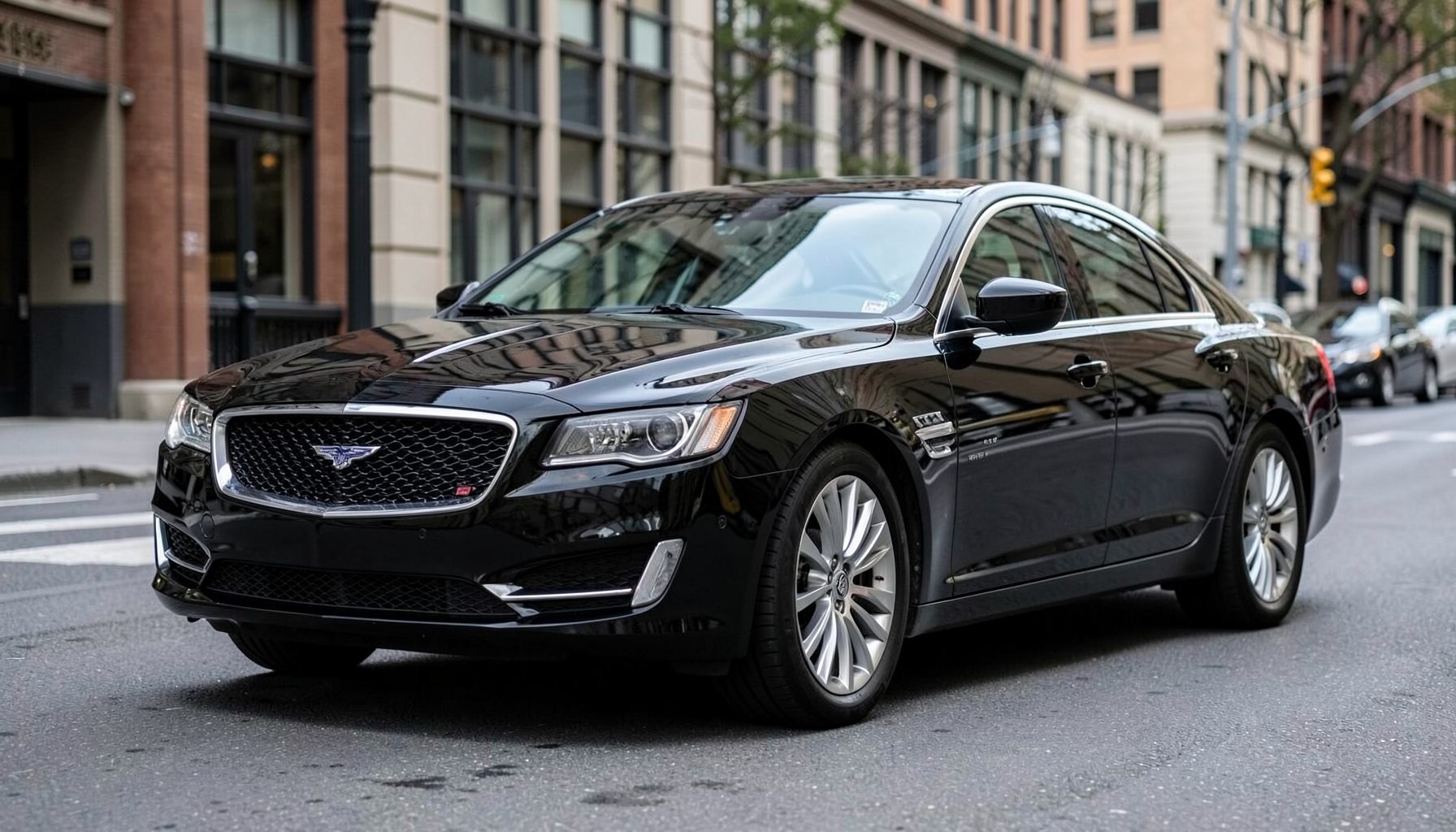
How to spot aftermarket modifications that affect warranty
An aftermarket modification is any departure from a vehicle’s factory specification, including a lift kit, aftermarket exhaust, engine tune, bull bar, tow bar, roof rack, winch or set of non-standard wheels. These changes can affect warranty coverage when a failure is connected to the modification, but they do not automatically cancel every protection attached to the vehicle. Learn more about Payment Calculator.
The best time to identify them is before signing a purchase contract or accepting a trade-in. Buyers in Australia also need to consider local road rules, towing requirements, insurance and the possibility of importing a vehicle from overseas. A close inspection and a clear warranty assessment can reveal whether the asking price reflects an original vehicle, a well-executed modification or a costly repair waiting to happen. Learn more about What To Look For In A Used Mitsubishi Mirage G4 14fe6.
Why factory warranties treat modifications differently
A manufacturer warranty is a conditional contract. It covers specified defects under stated conditions, while its exclusions may identify modifications, misuse, competition, towing beyond a published limit or failure to maintain specified parts. The wording matters because some exclusions apply only to the affected system, while others purport to remove coverage for an entire vehicle. Learn more about Casino Peer Reviewed Strategie F733.
Coverage is not determined simply by whether a part carries the manufacturer’s name. An aftermarket component may be entirely appropriate and may even improve performance, yet a poorly installed exhaust could damage an oxygen sensor, an engine remap could contribute to overheating, or modified suspension could cause drivetrain wear. A claim would ordinarily turn on the exclusion, the evidence and the causal link between the modification and the failure.
Australian buyers should distinguish four separate protections. The first is the manufacturer’s contractual warranty. The second consists of consumer guarantees under the Australian Consumer Law. The third is a dealer-backed return promise, such as Alan Vines Automotive Group’s 3 Day Money Back Guarantee. The fourth is the insurance and finance contract, which can contain its own requirements about alterations, approved parts and maintenance. These protections may overlap, but a change in one does not automatically change all of them.
The changes most likely to affect coverage
Powertrain modifications deserve particular attention. Cold-air intakes, aftermarket exhausts, intercoolers, turbochargers, injectors, cams, engine swaps and electronic tuning can affect fuel delivery, emissions, cooling, lubrication or the calibration of factory sensors. A tune that increases boost without revising the fuel and cooling systems may create damage the original warranty did not anticipate. The same applies to a performance exhaust if its sensors or emissions controls are not compatible with the engine.
Suspension and steering changes create a different set of risks. Lift kits, lowered springs, adjustable dampers, control arms, anti-roll bars, steering extensions and oversized wheels can alter alignment, suspension geometry, tyre clearance and driveshaft angles. Braking performance may also change if the wheel and tyre combination is outside the vehicle’s tested configuration. Warranty exclusions frequently mention altered suspension, wheel fitment, off-road use, jumping or racing because these activities place different loads on the chassis.
Electrical work and accessories can affect warranties through installation quality rather than the product itself. A winch, dual-battery system, bull bar, tow bar, canopy, roof rack, lighting upgrade or camera system may require additional wiring, relays, fuses or water management. Poorly protected joints can cause corrosion or water ingress. Heavy accessories can also exceed a vehicle’s electrical, roof, towing or Gross Vehicle Mass limit, sometimes making the original vehicle configuration unrecoverable if the modification fails.
Australian driving conditions shape local modifications
Australia’s strong ute and four-wheel-drive market makes tow bars, canopies, trays, bull bars, suspension upgrades and snorkels common purchases. A pickup sold into this market may be compared with locally established models such as the Hilux, Ranger and D-Max, so owners often expect a vehicle to carry boats, caravans, work equipment or recreational gear. Those uses can make a modification valuable, but towing beyond the rated capacity may trigger a warranty exclusion.
Conditions also vary considerably between cities and regions. Red dust and corrugated roads around Perth place stress on filters, bearings and suspension components, while stop-start traffic in Sydney and Melbourne increases braking and cooling demands. Vehicles used near the coast may face salt-laden air, and Brisbane’s heavy rain can expose poor sealing around accessory wiring. A setup that works in a mild climate may therefore need more robust components in Australia, particularly if it was designed for North American conditions.
Most vehicles on Australian roads are right-hand drive, while vehicles supplied by a Jackson, Tennessee dealership will commonly be left-hand drive. Converting steering, lighting and controls can involve changes to wiring, software, airbag compatibility and other safety systems. Depending on the state, a modified vehicle may need certification, an engineering assessment or a modified-vehicle inspection before registration can be renewed. NSW, Victoria and Queensland each have their own processes, and a part installed without the required approval can create registration and insurance problems.
Buying directly from Tennessee also introduces customs and biosecurity obligations. Import charges, GST, cleaning and inspection costs should be added to the vehicle’s price, while local roadworthiness and emissions requirements remain. Manufacturer support may also be country-specific, so an American service history or dealer return guarantee does not necessarily provide the same coverage once the vehicle is operated in Australia. A pre-purchase inspection after conversion is more useful than assuming the imported configuration is equivalent to a locally delivered vehicle.
What to check before buying a modified vehicle
Begin with the vehicle identification number, option plate and any build sheet supplied by the seller. Compare them with the visible equipment, then inspect the underbody for welding, fresh paint, missing bolt holes, unusual seam sealer or uneven undercoating. Check wheel fitment, tyre date codes, brake components, ride height and alignment. An ECU, intake or exhaust that differs from the advertised trim level can be significant even when the seller describes it as original.
Documentation should connect each change to a part number, invoice, installation date and qualified installer. Ask for software versions, calibration records, alignment reports and dyno sheets where relevant. Missing records do not prove that a modification was never completed, but they create uncertainty that should be reflected in the valuation. Model-specific guidance can help; Alan Vines publishes a [used Mirage buying guide] with information relevant to assessing a modified example rather than relying only on the seller’s description.
Have an independent inspector examine the engine, transmission, suspension, brakes, steering and electrical system, preferably with the vehicle on a lift. The inspector should look for leaks, altered mounts, damaged hoses, incorrect wiring and evidence of overheating or excessive wear. If the vehicle is being financed, use a [vehicle payment calculator] to establish the repayment commitment, convert the figure into Australian dollars and then allow for registration, insurance, import charges and likely repairs. Aftermarket work can add resale value when it is legal and professionally executed, but it also narrows the pool of buyers who will pay for it.
How to read the warranty and its exclusions
Obtain the complete warranty booklet rather than relying on a summary on the sales screen. Look for definitions of an approved part, authorised alteration, genuine part, normal use, off-road use and towing limit. Also check whether the protection is transferable, whether it covers the full vehicle or only listed components, and whether labour is included. The distinction is important: a denied engine claim caused by a tune may leave the rest of the vehicle covered unless the contract clearly states otherwise.
Australian statutory protections must also be considered. The Australian Consumer Law generally provides consumer guarantees that cannot be removed through a standard contract, and the Australian New Car Guarantee applies to eligible new vehicles sold in Australia. That guarantee covers certain manufacturing defects but excludes problems arising from events such as misuse or unauthorised alterations. An imported used vehicle generally does not receive the same new-car guarantee, and consumer-guarantee rights can be different when the transaction takes place through an overseas dealer. For a used vehicle, wear and tear and defects a reasonable examination should reveal may also affect claims.
Ask the manufacturer or dealer for a written response identifying the exact modification and component at issue. A generic statement that “all warranties are void” is not a substitute for the contractual wording. If a vehicle is being returned or exchanged, check the 3 Day Money Back Guarantee separately and establish how modified condition, mileage, repairs and missing documents are treated. The dealership promise, manufacturer warranty and Australian consumer rights are different contractual and legal layers.
Keep a modification and service evidence file
Create a file before any new work begins. Include photographs of the factory configuration, invoices, part numbers, installation dates, installer details, calibration data and alignment results. Keep subsequent service records with the modification file rather than in a general collection of receipts. This creates a clear chain showing what was changed, who changed it and whether factory components were restored when required.
A qualified technician can record a baseline inspection and recommend suitable maintenance intervals. A dealership service department using trained technicians and genuine parts can establish the current condition, while an independent specialist may be better placed to inspect specialist fabrication. Either approach should produce written findings. Ask for advice on fluid types, filters, belt tension, wiring protection, load limits and recurring inspection points, then record those instructions because some factory warranties depend on prescribed maintenance.
The standard for evidence should be higher than a supplier’s promotional claim. A [peer reviewed strategy] demonstrates the value of a documented method rather than confidence or anecdote. The same principle applies to vehicle modifications: engineering data, compliance records, test results and accountable installation records provide stronger support than verbal assurances. Photographs of installed parts alone may show what a vehicle has, but they do not establish that the work is safe, legal or properly calibrated.
Choose changes without losing warranty value
The strongest protection comes from understanding a modification before ownership changes. If the altered component is not essential to the vehicle’s intended use, buying an original example and undertaking the work later may preserve more factory coverage. If the modification is necessary, obtain the warranty position in writing and confirm that the intended use remains within the manufacturer’s limits. This is particularly important for towing, high loads, off-road travel and right-hand-drive conversions.
Insurance, finance and resale consequences deserve equal attention. Insurers may require notification of engine changes, suspension upgrades, roof equipment or other alterations, and a claim may be reduced if the modification was not declared. A lender can also restrict material changes during the loan term. Running costs may rise through specialist parts, additional servicing and calibration, while an unregistered or non-compliant build can be difficult to finance, insure or sell.
The practical takeaway is to identify every departure from the factory specification, connect it to invoices and part numbers, confirm its legal and warranty status in writing, and price the long-term cost before accepting the vehicle.