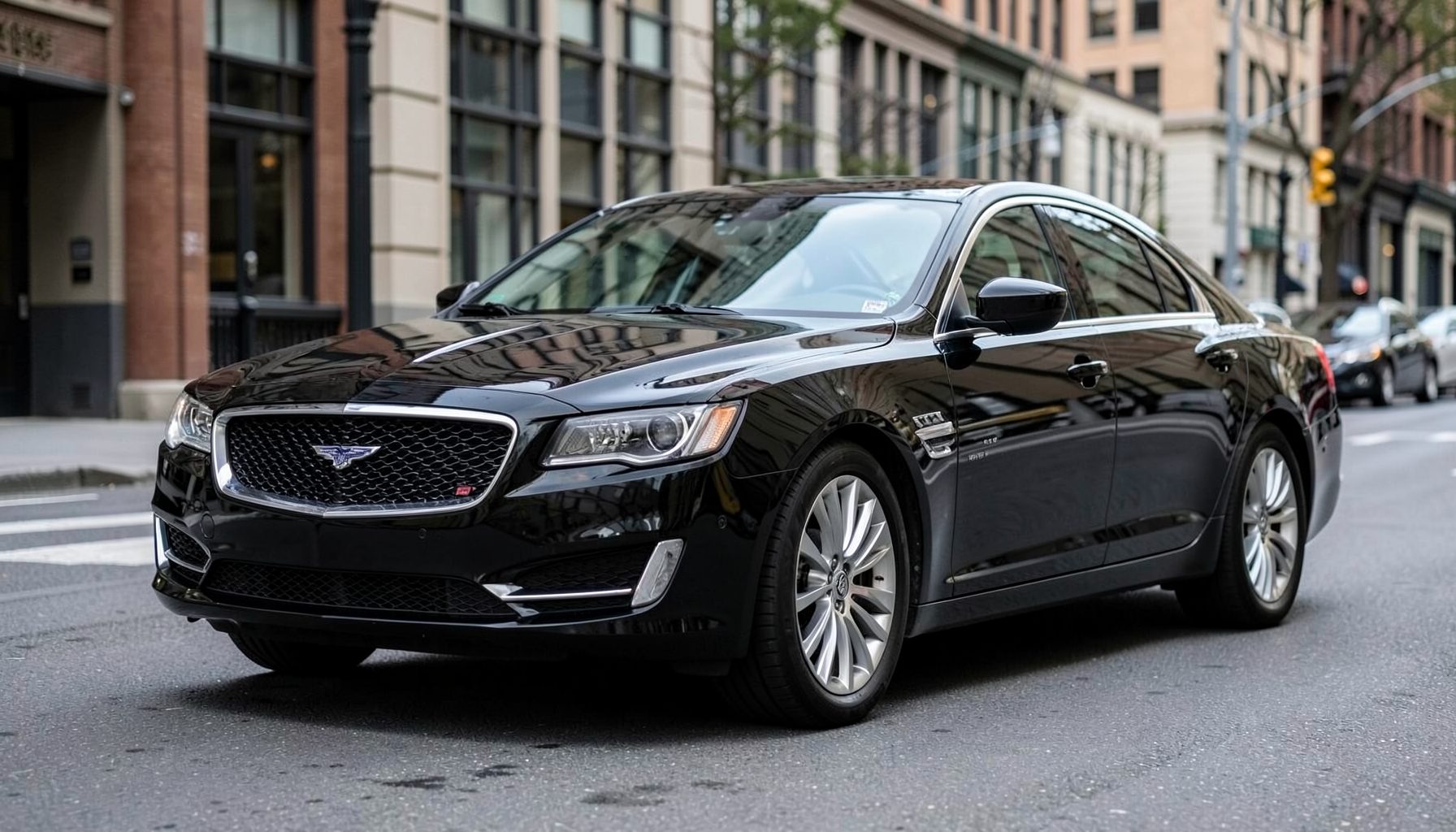
How to Spot a Reliable Used Dodge Charger Under $25,000
The Dodge Charger has long carried the weight of American muscle-sedan mythology, a four-door with the growl of a coupe and the practicality of a family car. For Australian buyers searching for something that breaks away from the usual Commodore and Falcon silhouettes still roaming the secondhand market, the Charger offers a genuine alternative, provided you know what to look for.
In Australia, the Charger exists almost entirely as a parallel import, because the model was never officially distributed through local dealer channels. This means a sub-$25,000 price point is realistic, but it also means buyers shoulder the responsibility of vetting a car that arrived through a less conventional path. The dollars saved can evaporate quickly if the wrong unit is chosen.
Most examples in this price bracket are 2011 to 2015 models, often with higher kilometres than typical local sedans. They tend to surface in capital-city dealerships and private listings, with the occasional enthusiast-owned car appearing in regional centres like Geelong, Newcastle or the Gold Coast hinterland. Other Mopar products like the Ram ProMaster van follow similar import paths, but the Charger's four-door practicality is what draws most buyers.
What separates a sound buy from a money pit is a methodical inspection covering mechanicals, electronics, paperwork, and a clear understanding of how these cars behave on Australian roads. The next sections walk through the checkpoints that matter.
Understanding the Local Import Landscape
Because the Charger was never offered through Holden or any other factory channel, every unit in Australia arrived as a personal or dealer import, or a conversion. Personal imports are the most common under $25,000, and they arrive with paperwork that traces back to the original US title. The first step is confirming the vehicle's eligibility for registration under your state roads authority, usually through the Department of Infrastructure or equivalent.
Right-hand drive conversions are rare and expensive, often costing $15,000 to $25,000, which means most affordable Chargers remain left-hand drive. This is acceptable for many enthusiasts, but it affects resale in a country where LHD vehicles are a small niche. Buyers in Sydney and Brisbane who commute on motorways rarely mind, while those navigating suburban streets or tight multi-storey car parks find the layout cumbersome.
Compliance with Australian Design Rules applies, but the level of scrutiny depends on whether the car was imported before or after 25 years of age. Under-25-year vehicles must pass a more rigorous compliance process, including ADR-compliant lighting, child restraint anchorages, and seatbelt configurations. The paperwork proving this compliance is a critical part of any deal, and an inspection report from a registered workshop is worth its weight in gold.
Mechanical Inspection Priorities for the Chassis
The Charger rides on Chrysler's LX platform, shared with the 300C and Challenger. The platform is robust, but used examples frequently show wear in specific areas. Listen for clunks from the front suspension over speed humps, a common annoyance given how these cars are driven on suburban streets, and inspect the control arm bushings, which tend to crack after 150,000 kilometres.
The brake system uses large rotors that are expensive to replace with genuine parts, so budget-conscious owners often fit aftermarket items. Check for warped rotors by feeling for pulsation through the steering wheel under firm braking, and inspect the calipers for signs of sticking or uneven pad wear. Steering rack play is another common issue, particularly in cars that have lived on the rough streets of older suburbs in Melbourne or Adelaide.
Underneath, the fuel filler neck and rear suspension subframe are known corrosion points, especially in cars imported from northern US states where road salt is used heavily. Inspect with the car on a hoist if possible, and bring a torch to check the boot floor, which can hide rust bubbles beneath the carpet.
Engine and Transmission Health Signs
Most Australian-bound Chargers in this price range carry the 3.6-litre Pentastar V6, with a smaller number of 5.7-litre Hemi V8s appearing when the budget stretches. The Pentastar is generally reliable, but it suffers from a known issue with the water pump and thermostat housing on early production cars. Ask whether the water pump has been replaced, and look for pink or orange coolant residue around the timing cover.
The Hemi V8 is more desirable but also more expensive to maintain, particularly because the MDS solenoids fail and the lifters can tick when cold. Tick that disappears after five minutes is usually fine; tick that persists is not. Oil consumption tests are worth doing, as a tired Hemi can drink a litre every 1,000 kilometres, an expensive habit given fuel prices in cities like Perth and Darwin where commutes are long.
The five-speed automatic, sourced from Mercedes-Benz, is well-regarded when serviced properly. The eight-speed ZF unit found in later cars is even better, but rarer at this price point. Either way, a transmission fluid that smells burnt or appears dark and foamy suggests the box has been neglected, a red flag that should send you toward the next listing.
Bodywork, Trim and Common Panel Issues
The Charger's styling has aged well, but the panel fit and finish were never class-leading. Gaps between the boot lid and rear quarter panels can vary noticeably from car to car, so compare with a known-good example if you can. Aftermarket body kits, particularly the SRT-style bumpers and side skirts, are common and not necessarily a negative, but check that they have been fitted properly and aren't masking accident damage.
Roof rails, door handles, and the plastic lower cladding on SE and SXT models fade badly in the harsh Australian sun. Faded trim can be replaced, but it is a useful negotiating point. More concerning is evidence of poor accident repair, including overspray on rubber seals, mismatched paint codes under the bonnet, or repainted bumper bars that don't quite line up.
Inside, the cabin is generally hard-wearing, but the soft-touch dash on higher-trim cars can develop a sticky feel in hot climates, similar to the issue seen in many US-market vehicles from the era. Seat leather holds up well; bolsters on heavily-used cars simply wear through. A clean interior on a high-mileage Charger suggests a careful owner, which usually translates to careful mechanical maintenance as well.
Electronics, Infotainment and Module Issues
The Charger uses Chrysler's CAN-bus electrical architecture, which is mostly reliable but unforgiving when modules fail. The most common issues involve the TIPM, which controls everything from the fuel pump to the wipers. Symptoms include random warning lights, wipers that stop working in the rain, or a fuel gauge that drops to empty even on a full tank.
The Uconnect infotainment system can be sluggish on early models, and the screen delamination issue is well documented. Replacement units are available, but a failing screen suggests the car may have lived in extreme heat, a useful data point when assessing general condition. Window regulators fail with depressing regularity, and aftermarket replacements vary in quality.
It is worth browsing online inventory tools to compare option codes and verify that the features in the car match the original window sticker, especially for higher-trim R/T and SRT models where value swings significantly with options like the Beats audio system, navigation, and the Driver Confidence Group.
Paperwork, Title and Provenance
A Charger with a clean title is far more valuable than one with a salvage or rebuilt status, and the difference is often several thousand dollars. In Australia, this translates directly to registration difficulty, because some states treat rebuilt vehicles more cautiously. Always request a US Carfax or AutoCheck report, and cross-reference the VIN with the Australian register of imported vehicles.
For buyers prioritising brand familiarity, the same workshop network that services vehicles like the Chrysler Pacifica also handles Charger repairs, which matters in regional centres where specialist options are limited.
Service history matters more than mileage on these cars, given that many have crossed continents. A stamped service book with Australian workshops, ideally including specialists in Chrysler vehicles, is the gold standard. The next-best option is comprehensive US history plus recent local work.
Test Drive and Independent Inspection
The test drive should cover at least thirty minutes and include motorway speeds, suburban traffic, and some rough road surfaces. Listen for driveline vibration around 100 km/h, which can indicate bent wheels or failing driveshaft centre bearings. The Charger is a heavy car, so any clunking when changing direction at low speed suggests worn front differential mounts on AWD models, which are particularly rare in Australia.
Pay attention to how the car behaves during a U-turn, where the heavy steering rack can reveal play that was not obvious at parking speeds. Air-conditioning performance is critical in Australian summers, and a system that struggles to cool the cabin by the time you reach Parramatta from the Hills District is one that needs expensive attention. The dual-zone climate control on higher-trim cars can be a $2,000 repair if the blend door actuator fails.
Before you commit, an independent pre-purchase inspection by a workshop familiar with Chrysler products is non-negotiable. Budget around $300 to $500, and consider it cheap insurance against a $5,000 mistake.
The single most useful step you can take before viewing a car is to phone a local Chrysler specialist, often found in the industrial fringes of Brisbane or Adelaide, and ask whether they would be willing to service the vehicle once purchased. A shop that turns the work away is telling you something important about the car's long-term viability, and that single conversation is often the deciding factor in whether a Charger becomes a beloved daily driver or an expensive ornament gathering dust in the driveway.