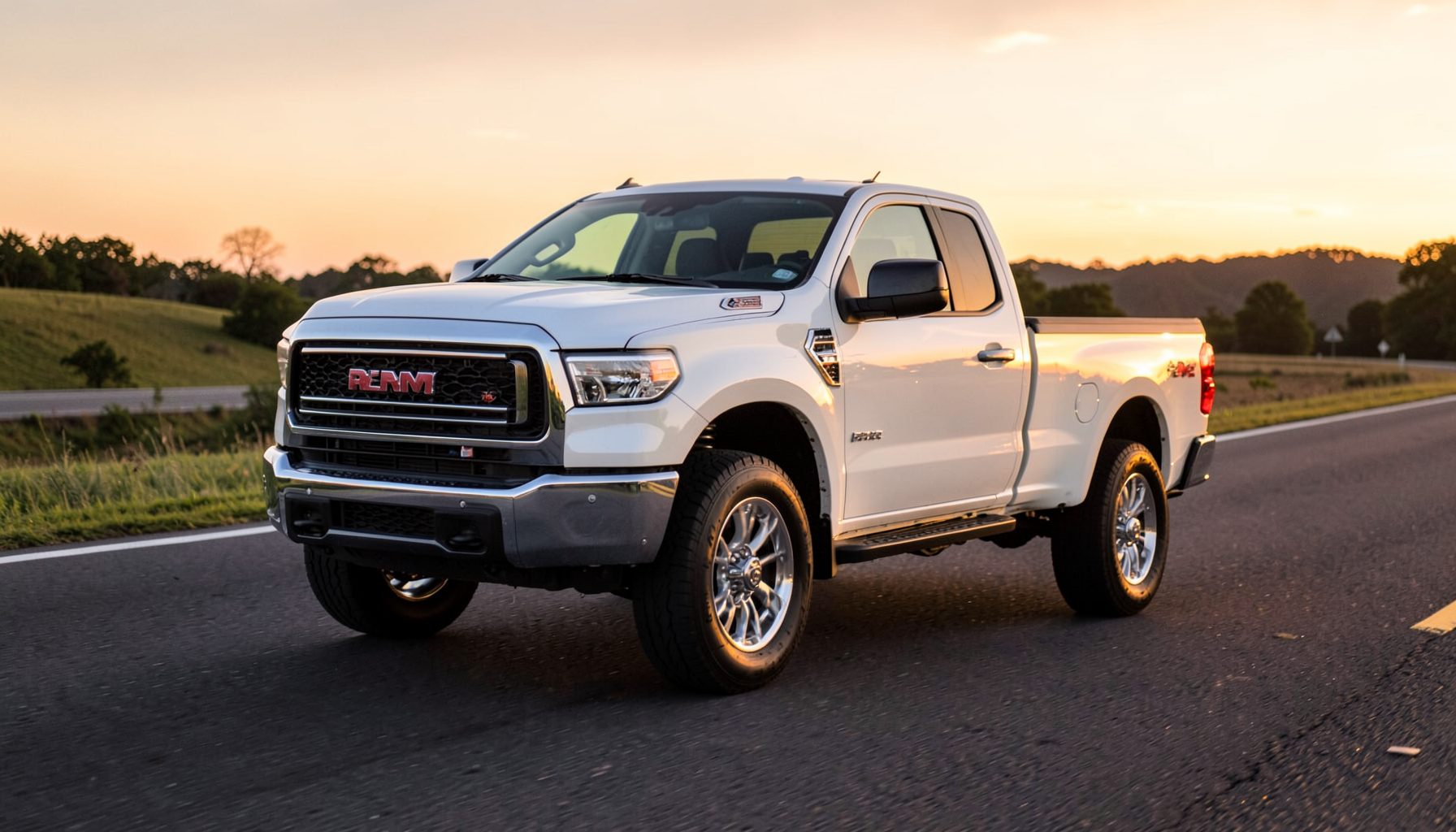
Turn Your Vehicle Into a Stronger Trade-In Offer
Trading in a vehicle can be one of the simplest ways to reduce the cost of your next car, truck, SUV, or van. The first step is understanding what your current vehicle may be worth before you visit a dealership. With the right information in hand, an online estimate can give you a useful starting point in only a few minutes.
Alan Vines Automotive Group makes it easier for drivers in Jackson, Tennessee, to research trade values while browsing new and used inventory. An online valuation is not a final offer, but it can help you set expectations, compare options, and decide whether trading, selling privately, or keeping your vehicle makes the most financial sense.
A well-prepared estimate also supports a smoother dealership visit. Accurate vehicle details, clear photos, maintenance records, and realistic expectations all help create a more informed appraisal when your vehicle is inspected in person.
What An Online Estimate Really Measures
An online trade-in calculator uses information about your vehicle to estimate its current market range. Common inputs include the year, make, model, trim level, mileage, drivetrain, equipment, ZIP code, and overall condition. These details help the system compare your vehicle with similar vehicles being sold or purchased in your region.
The result is usually an estimated trade-in value rather than a guaranteed purchase price. A final offer may change after a trained appraiser verifies the vehicle’s condition, checks its history, confirms the equipment, and takes a test drive. The online estimate remains valuable because it gives you a reference point before negotiating your next purchase.
Trade value can also differ from private-party value or retail asking price. A dealership must account for inspection, reconditioning, advertising, administrative costs, and the risk involved in preparing the vehicle for resale. Understanding this distinction helps you evaluate an offer fairly instead of comparing it with an unrealistic online listing price.
Gather Details Before You Start
The more complete your information, the more useful your valuation will be. Have the vehicle identification number available if possible. The VIN helps verify the exact model, engine, body style, factory options, and equipment package. You can usually find it on the driver-side dashboard, inside the driver’s door frame, on insurance documents, or on the title.
Mileage is another important factor. Enter the current odometer reading as accurately as possible, since even a difference of several thousand miles can affect the estimated value. Note whether your vehicle is front-wheel drive, all-wheel drive, or four-wheel drive, and identify features such as leather seating, navigation, a sunroof, towing equipment, advanced safety systems, or upgraded audio.
You should also confirm the vehicle’s ownership and loan status. If you still owe money, locate the current payoff amount from your lender. Your trade equity is calculated by subtracting the payoff balance from the vehicle’s actual trade value. For example, a vehicle valued at $24,000 with a $19,000 loan balance may provide approximately $5,000 in positive equity before final adjustments.
Use Photos And Records To Improve Accuracy
Condition has a major effect on a vehicle appraisal. Before starting the online process, inspect the exterior for dents, scratches, chipped glass, rust, mismatched paint, and worn tires. Inside the cabin, check the upholstery, carpets, dashboard, screens, climate controls, and warning lights. Be honest about mechanical concerns, accident repairs, flood exposure, or modifications.
Clean, well-lit photos can help you document the vehicle’s current appearance and prepare for an in-person visit. Photograph each side, the front and rear, the interior, the odometer, the tires, and any damage. A clean vehicle may not receive a higher book value automatically, but it makes its condition easier to evaluate and can create a more professional first impression.
Maintenance records are equally useful. Oil-change documentation, tire receipts, brake service records, warranty paperwork, and recent repair invoices show how the vehicle has been cared for. If you have replaced expensive components recently, such as a transmission, battery, air-conditioning system, or tires, keep those receipts available. They may support the condition assessment even when they do not increase the value dollar for dollar.
How Market Data Shapes Your Trade Value
Vehicle values change with supply, demand, season, mileage, and local shopping patterns. A fuel-efficient compact may attract stronger interest when fuel costs rise, while four-wheel-drive trucks and SUVs may be especially desirable in areas where towing, outdoor recreation, or changing weather influence buying decisions. Popular configurations often hold value better than vehicles with limited demand.
Age and mileage still matter, but they do not tell the whole story. A newer vehicle with high mileage or significant damage may be worth less than an older vehicle with low mileage, complete service records, and excellent condition. Trim level and equipment can also create a meaningful difference between two vehicles that appear similar at first glance.
| Information That Affects Value | Why It Matters | What To Check |
|---|---|---|
| Year and mileage | They indicate age, usage, and likely remaining service life | Confirm the model year and exact odometer reading |
| Trim and equipment | Desirable features can increase buyer interest | Identify packages, drivetrain, towing gear, and technology |
| Condition | Repairs and cosmetic wear affect reconditioning costs | Review body, glass, tires, interior, and warning lights |
| Service history | Consistent care can support confidence in the vehicle | Gather maintenance receipts and warranty documents |
| Vehicle history | Accidents, title issues, or flood damage can reduce value | Review available history and disclose known events |
| Local demand | Regional preferences influence how quickly a vehicle may sell | Consider demand for trucks, SUVs, sedans, and fuel-efficient models |
| Loan payoff | Your equity depends on the difference between value and debt | Request a current payoff quote from your lender |
If you are trading a truck, equipment and capability deserve special attention. Towing capacity, payload, bed length, axle ratio, cab configuration, and four-wheel drive can change the market position substantially. For additional context when evaluating a heavy-duty pickup, review this guide to RAM towing capacity and compare the specifications with your own truck.
Connect Trade Equity To Your Next Vehicle
An estimate becomes more useful when you connect it to the vehicle you plan to buy. If your current vehicle has positive equity, that amount may be applied toward the down payment, reducing the amount you need to finance. It may also help lower monthly payments, reduce the loan-to-value ratio, or cover taxes and registration costs depending on the transaction.
If you owe more than the vehicle is worth, you have negative equity. That balance does not disappear when you trade. It may be paid separately or included in the next loan, which can increase the amount financed and the overall interest paid. Knowing your payoff and estimated value in advance helps you decide whether to trade now or continue paying down the balance.
Use a payment calculator to see how a trade allowance, down payment, interest rate, loan term, and vehicle price could affect your budget. The calculator can help you compare scenarios before you focus on a particular model. Keep in mind that estimated payments may not include every tax, fee, lender requirement, or optional product.
At Alan Vines Automotive Group, shoppers can compare trade-in assistance with new and used vehicles from Dodge, Jeep, Ram, Mitsubishi, Chrysler, and Hyundai. That range can make it easier to consider a replacement that fits your transportation needs without losing sight of the total purchase cost.
Prepare For The In-Person Appraisal
After completing the online valuation, schedule time for the dealership to inspect your vehicle. Bring the keys, title or registration documents, lender information, service records, and any accessories that came with the vehicle. If you have a second key, owner’s manuals, floor mats, or removable equipment, bring those as well.
The appraiser will typically verify the VIN and mileage, inspect the exterior and interior, evaluate the tires and mechanical condition, review the vehicle history, and take it for a drive. The inspection may identify issues that an online form cannot measure, such as transmission behavior, brake performance, suspension noise, warning lights, or evidence of previous repairs.
A final trade offer should be compared with the total deal rather than viewed in isolation. Review the selling price of the replacement vehicle, trade allowance, payoff amount, taxes, fees, financing terms, and any optional products separately. This approach makes it easier to understand where each number comes from.
Steps That Can Support A Better Appraisal
You do not need to spend heavily on repairs before trading. Expensive work may not return its full cost, especially if the vehicle has significant age or mileage. Focus on accurate disclosure, basic presentation, and documentation that helps the dealership understand the vehicle’s history.
Use these practical steps before submitting your information:
- Remove personal items and clean the cabin so the interior can be inspected easily.
- Gather the VIN, mileage, payoff quote, title information, keys, and maintenance records.
- Check tire pressure, replace burned-out bulbs, and address simple safety concerns.
- Photograph existing damage clearly rather than trying to hide it.
- Compare the online estimate with the vehicle’s actual condition and local demand.
An honest submission usually produces a more useful starting point than an inflated estimate based on an incorrect trim or incomplete history. Transparency also reduces surprises when the vehicle reaches the dealership.
When you are ready, submit your vehicle details through Alan Vines Automotive Group’s online valuation process, then browse available inventory and arrange an appraisal in Jackson. Bring your estimate and records with you, compare the trade value with your financing options, and take advantage of the dealership’s shopping resources, special offers, and 3 Day Money Back Guarantee when selecting your next vehicle.