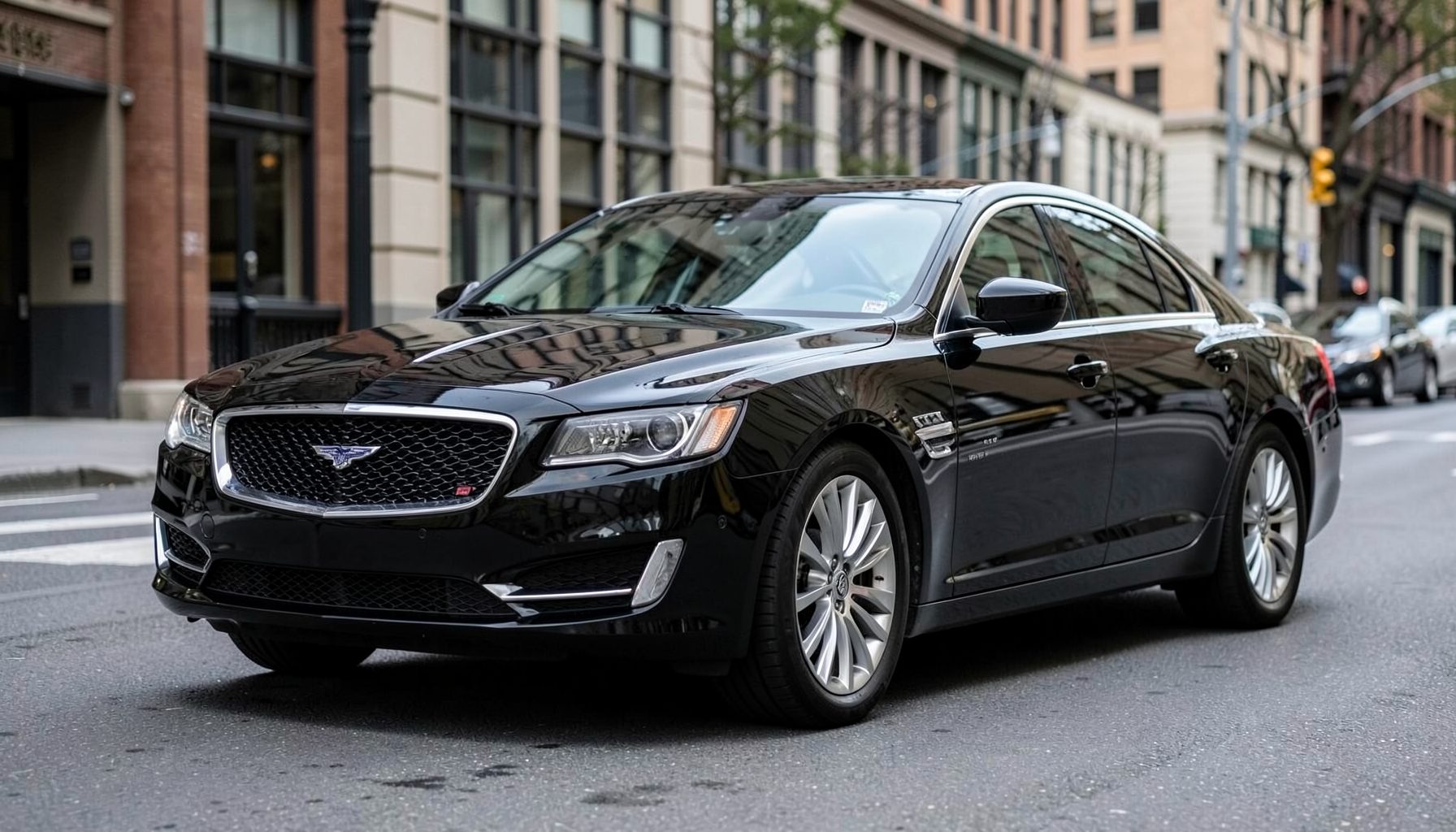
Understanding Factory and Extended Warranty Differences
Buying a new car, ute, or SUV is one of the bigger purchases most Australian households make, and the paperwork that comes with it can feel overwhelming. Among the extras a salesperson may pitch, the question of warranty coverage tends to cause the most confusion. Many buyers leave the dealership unsure whether the protection they signed up for came from the manufacturer or from a third party.
Factory warranties and extended warranties are not the same thing, even though dealers and finance staff sometimes use the terms loosely. A factory warranty is included in the purchase price and is backed by the vehicle maker, while an extended warranty is a separate contract that kicks in once the original coverage ends. Knowing which is which matters, because the claims process, the repair network, and the exclusions behave quite differently.
In Australia, drivers also have a safety net that buyers in some other markets do not. The Australian Consumer Law guarantees that goods must be of acceptable quality, last a reasonable time, and match the description provided. This statutory protection sits alongside any warranty you take out, which means a dealer cannot talk you out of your basic rights by pointing at a fine-print exclusion.
Because outback drives, corrugations, and long stretches between towns put unusual stress on vehicles, Australian motorists often weigh warranty coverage more carefully than buyers in denser markets. Whether you are commuting in Melbourne traffic or heading north past Cairns for a holiday, the right protection can spare you from a four-figure repair bill.
What a Factory Warranty Actually Covers
A factory warranty, sometimes called the manufacturer's warranty, is the promise that comes automatically with a new vehicle. It typically covers defects in materials or workmanship for a set period, often expressed in years or kilometres, whichever comes first. In practice, most factory plans run for three to five years, although some brands offer longer terms on powertrain components such as the engine and gearbox.
The coverage usually includes the major mechanical parts, electrical systems, and onboard computer modules, along with labour at an authorised service centre. Routine wear items such as brake pads, tyres, wiper blades, and clutch friction discs are generally not covered because they are expected to need replacement over the vehicle's life.
Service intervals matter here. Most factory warranties require the owner to stick to the manufacturer's scheduled servicing, with records kept as proof. Skipping a service or having it done at a backyard workshop that is not recognised by the brand can give the maker grounds to refuse a claim later. For drivers who travel remote routes, finding an authorised service point can be a real consideration, especially in regional Queensland or the Top End.
How Extended Warranty Plans Are Structured
An extended warranty, sometimes called a service contract or mechanical protection plan, begins where the factory coverage leaves off. It is sold either by the manufacturer itself or by a third-party provider, and the terms vary widely. Some plans mirror the factory cover almost exactly, while others are more limited, covering only a handful of named components.
The cost depends on the vehicle, the age and kilometres on the clock, the length of the extension, and the excess, the amount you pay toward each repair before the warranty covers the rest. Premiums can range from a few hundred dollars to several thousand, and they are usually paid up front rather than monthly. Many providers allow the cost to be folded into the finance contract, which keeps the cash outlay small but adds interest over the loan term.
Reading the product disclosure document carefully is essential, because exclusions in extended plans tend to be more aggressive than those in a factory plan. Pre-existing faults, aftermarket modifications, racing use, and damage caused by neglect or off-road abuse are common carve-outs. A useful approach is to step through the contract with the salesperson and ask what would happen in real-world failure scenarios. For a deeper look at how to handle these discussions, the team at Alan Vines Automotive Group has put together practical guidance on negotiating extended warranties.
Comparing Costs and Value Over Time
Working out whether an extended warranty is value for money means comparing the premium against the expected cost of likely repairs once the factory warranty expires. Independent mechanics will tell you that a modern drivetrain rarely fails inside the first hundred thousand kilometres, but when something does go wrong, the bill can climb quickly. Common big-ticket items include automatic transmissions, turbochargers, diesel fuel systems, hybrid batteries, and advanced driver-assistance sensors.
For most Australian drivers who keep their vehicle for four to six years and stay under one hundred thousand kilometres, the factory cover typically sees them through. The math changes for buyers who plan to hold on for longer, drive high-kilometre loads, or own a model with a known weak point. A taxi driver covering one hundred kilometres a day in Sydney will benefit far more from extended cover than a retiree running the kids to school and back in Adelaide.
It also helps to consider the resale angle. A vehicle with active factory coverage remaining tends to attract stronger interest on the second-hand market, while a third-party extended warranty is usually non-transferable or comes with transfer fees. Buyers shopping used should always check whether the factory warranty is still in force and whether any extended plan can be moved across.
Australian-Specific Considerations and Conditions
The Australian market has a few wrinkles worth flagging before signing anything. Local UV levels are among the harshest in the world, which can prematurely age rubber seals, plastic trim, and dashboard materials, none of which are usually covered under either type of warranty. Coastal drivers also face salt-air corrosion, particularly on the underside of the vehicle and around brake components.
Australia's vast distances mean breakdowns are not always a quick tow to the nearest dealership. Some extended plans include roadside assistance, accommodation, and a rental car while repairs are completed, which can be more valuable than the mechanical cover itself on a remote drive. Anyone planning to tow a caravan across the Nullarbor should confirm that towing is permitted under the contract, since some plans exclude vehicles used for hauling.
The statutory guarantees under Australian Consumer Law continue to apply regardless of any extended warranty you purchase. If a major fault appears outside the warranty period and the vehicle would not reasonably be expected to fail that way, the supplier may still be responsible for repair or replacement. Knowing the right service advisor questions about your repair estimate can help you decide whether a quoted repair falls under warranty, consumer law, or your own pocket.
When an Extended Plan Pays Off
An extended warranty tends to make sense in a handful of situations. Owners of vehicles with complex technology such as turbocharged engines, dual-clutch gearboxes, plug-in hybrid systems, or adaptive suspension will face higher repair costs if something goes wrong. Buying coverage on these vehicles after the factory term ends is often a sensible hedge.
The same logic applies to drivers who rack up high annual kilometres, whether for work or for long-distance touring. A tradie driving from Wollongong to the Central West every week, or a grey nomad living out of a 4WD for months at a time, will reach end-of-warranty thresholds far sooner than average. For these owners, an extended plan shifts risk away from the household budget.
On the other hand, an extended warranty tends to be poor value for owners who keep vehicles for short periods, drive modest distances, or own simpler cars with strong reliability records. Putting the premium into a separate savings account and using it to cover repairs as they come is often the cheaper path. The best protection for these drivers is sticking to the scheduled maintenance and building a small repair reserve.
Smart Choices When Reviewing Coverage Options
- Match the warranty length to how long you realistically plan to keep the vehicle, not the longest term the salesperson offers.
- Read the exclusions list out loud and ask for written clarification on anything that could apply to your driving conditions.
- Confirm whether the plan is backed by the manufacturer or by a third party, and check the provider's claims reputation online.
- Check whether roadside assistance, towing, and accommodation are bundled in, especially if you travel regional or outback routes.
- Weigh the premium against realistic repair costs for your specific model, including known weaknesses on that generation.
- Ask whether the plan can be transferred on sale, and at what cost, if you may sell the vehicle privately.
- Keep every service record in a safe place, since missing paperwork can jeopardise both factory and extended claims.
A practical way to think about the factory-versus-extended decision is to treat the factory warranty as the foundation and any additional plan as a tailored supplement. The foundation is usually solid enough for everyday Australian driving, but the supplement earns its keep when your vehicle, your kilometres, or your travel pattern pushes beyond the average. Build a clear picture of how you actually use the car, then choose coverage that fits that picture rather than the one the salesperson is trying to sell.