Jeep Gladiator Mojave: A 4x4 Ute Ready for the Outback
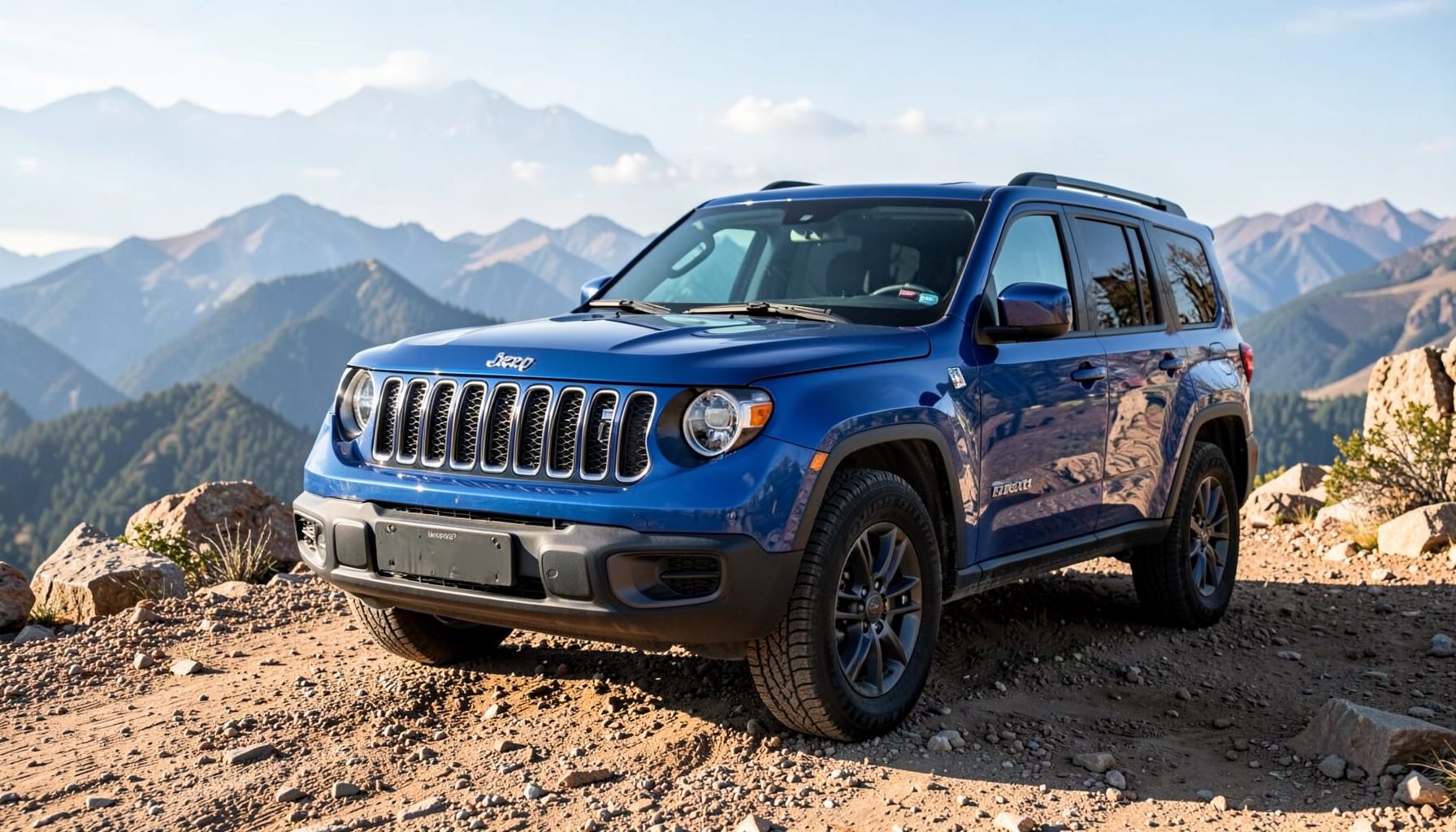
Big American pickups are a familiar sight, but the Jeep Gladiator does something different with the tray: it puts a genuine four-wheel-drive platform inside a body shape most Australians call a ute. The Mojave trim sharpens that idea for drivers who spend weekends on unsealed tracks and still expect the vehicle to behave on the bitumen in between. Learn more about Why You Should Swap To Winter Tires In West Tennessee 16727.
Down Under, the ute is a working tool, a towing platform and a weekend escape capsule, and the local market runs on the Toyota Hilux and Ford Ranger, with the Mitsubishi Triton, Isuzu D-Max and Chevrolet Colorado chasing behind them. Into that crowded field arrives a pickup with a long body, a factory lift, 33-inch rubber and a front locking differential — hardware that reads closer to a desert race truck than to a fleet workhorse. Learn more about 3 Easy Ways To Improve Your Car S Fuel Economy 3a26.
That is the appeal for Australian buyers. The Gladiator Mojave is not the cheapest way to carry mulch or tow a boat, and yet it is one of the more convincing ways to reach Alice Springs, the Cape Range or a salt flat outside Broome without worrying the run home will rattle the paint loose. Its balance of highway manners and trail hardware suits a country where a two-hour gravel road can be as ordinary as a two-hour freeway.
What follows is a look at the hardware, the towing and touring maths, and the ownership details that tend to catch Australians out: rego, insurance, the luxury vehicles tax, and where to find parts when you are 600 kilometres from the nearest service lane. The buying side matters too, and Alan Vines Automotive Group in Jackson, Tennessee keeps live inventory, valuation tools and finance options behind one roof, with a service department that works on Jeep platforms using genuine parts.
Where the Mojave sits in the Australian 4x4 line-up
Jeep arrives in Australia with a badge people respect and a dealer network they measure carefully. Hilux and Ranger owners can walk into a service centre in most regional towns; a Jeep service centre is a rarer sight north of Adelaide. For anyone planning remote work, that difference matters more than a badge, because the nearest authorised technician separates a warranty claim from a caravan sitting in the driveway while a part is couriered in.
Within the Gladiator range, the Mojave is the one built for sand, speed and long straights. The Rubicon adds a rear locking differential and an electronically disconnecting anti-roll bar for slow, technical rock crawling, and it can feel twitchier at speed and over corrugations. The Mojave keeps the front locker, the low-range gearbox and the lifted stance, giving up the extreme-crawling kit for a calmer ride — the better compromise if your tracks are graded gravel rather than granite ledges.
Against the Hilux and the Ranger, the trade-offs are straightforward. Those utes win on fuel consumption, insurance premiums, part availability and resale value, and they carry the towing habits of long-term market leaders. The Gladiator wins on clearance, drivetrain hardware and the simple pleasure of a pickup that feels engineered rather than assembled. A buyer who spends three weeks of the year towing and five weekends a year on dirt may find the maths favours the Japanese workhorse; a buyer who lives for the outback will reach for the Jeep every time.
Hardware that earns its keep on rough surfaces
The factory figures explain the stance. The Mojave arrives roughly 100 millimetres higher than a standard Gladiator, sitting on Bilstein dampers and forged wheels wearing 33-inch all-terrains. That combination lifts the approach angle to around 40 degrees and the departure angle to a little over 30, adding enough ground clearance to cross washouts and rocky creek beds without grounding the underside. Angles are useful currency out here, because a damaged transfer case means a long tow from the nearest road.
Underneath, the four-wheel drive system runs a transfer case with a low range, and the front differential can be locked electronically when you are already in low range and moving slowly. That is the bit that helps in soft sand and deep mud, where a locked front axle stops the truck ploughing a trench. Steel rock rails along the sills, a powder-coated steel rear bumper, tow hooks, skid plates and a reinforced bed rail complete the package; the rear locker remains a Rubicon item.
Tyres and traction deserve as much attention as the drivetrain. Most of Australia is dry and hard-surfaced, but alpine roads in the Snowy Mountains, Tasmania and the Victorian High Country see snow and ice, and resorts there can require chains in the chain of custody area before they let a vehicle through. If you plan on that kind of driving, a deeper read on switching to winter tyres explains how much compound choice matters once the temperature drops — the same logic applies when coastal sand calls for a tyre designed to be aired down.
Engine, towing and fuel maths for long distances
Australian examples have been offered with a 3.6-litre V6 petrol and a 2.0-litre turbo diesel, and the split matters out here. The V6 is a willing cruiser with plenty of on-road punch. The diesel makes less noise per litre and pulls harder from low revs, which is what you want when the road tilts or the sand deepens, and it stretches the gap between fuel stops on routes such as the Stuart or the Eyre Highway, where Coober Pedy, Winton and Birdsville are the landmarks on the map.
Towing figures reward the Mojave's slightly straighter-running, higher-riding configuration: certain markets rate it to tow around 2,250 kilograms braked, with a gross combination mass near three tonnes. Against that, a caravan in the three-and-a-half-tonne class sits close to the line, and Australian trailer rules add friction most buyers forget. Brake requirements kick in for trailers over 750 kilograms gross trailer mass in most states, tow ball load has to sit within the vehicle's rating, and rego, inspection and equipment standards vary from Queensland to Tasmania.
Consumption is where a V6 hurts and a diesel earns its keep, and small changes compound across a thousand kilometres. Tyre pressure, the load in the tray and a steady cruise on open road can swing usage by several litres per hundred kilometres, so reading up on improving fuel economy before a big trip is time well spent. Carry a spare can, download offline maps, and check whether your fuel card still works at the roadhouses that take cards — some do not.
Ownership checks Australians should make before buying
Ownership in Australia brings a handful of items that never appear on an American dealer sheet. The first is money. A Gladiator lands well above the indexed luxury vehicles tax threshold, which has hovered near $80,000 in recent years, and utes with a gross combination mass under 3,500 kilograms are captured by it; freight, GST and destination-state charges then stack on top. The second is paperwork, with rego, insurance and inspection handled state by state.
The third is insurance, where wording matters more than premium. Many policies limit or exclude damage from unsealed roads, sand driving, roof racks and underbody strikes, and some apply a higher excess for off-road use. Then there is the practical list: steering side, accessories fitted before delivery, payload, recovery gear, and where the nearest authorised workshop actually sits. The checklist below covers the points that decide whether a weekend in the outback ends well.
- Confirm right-hand drive and weigh up the visibility trade-off — Australia's track culture usually favours a right-hand-drive steering column, since the driver's window then faces the open side when you park against a rise; check the window drop either way.
- Factor in the luxury vehicles tax and import costs — utes with a gross combination mass under 3,500 kilograms are captured once the value passes the indexed threshold, and any imported example also carries freight, GST, compliance certification and destination-state rego.
- Read the insurance exclusions before you drive — ask specifically about unsealed roads, sand, underbody and tyre damage, roof racks and accessories, and get the answer in writing rather than trusting a summary.
- Match the tow rating to your trailer — compare rated towing capacity with the trailer's gross trailer mass, the ball load limit and the brake threshold in your state, and budget for a certified tow bar and trailer brakes.
- Plan the fuel and service gaps — map fuel stops and tyre repair options across remote routes, and find out how far you sit from an authorised Jeep workshop that stocks genuine parts.
- Fit recovery gear and accessories before delivery — a winch, rated recovery points, a compressor, a dual-battery setup, a snorkel and a tray or canopy all cost less to order at the factory than to bolt on later.
- Watch the payload maths — water, tools, fridges, a generator and canopies add up quickly, and the combination of payload and tow ball load has to stay within the gross combination mass.
Sizing up a purchase with a Jeep dealer
On the buying side, the dealership that can walk you through trim details, stock and history in one place is worth more than a glossy brochure. Alan Vines Automotive Group in Jackson, Tennessee represents Jeep alongside Dodge, Ram, Chrysler, Mitsubishi and Hyundai, and the team handles online inventory browsing, trade-in valuations, financing and special offers, plus a 3 Day Money Back Guarantee on eligible vehicles. Their service department covers maintenance and repair with trained technicians and genuine parts, which matters when a factory lift and 33-inch rubber form part of the vehicle.
If you are buying in Australia through Jeep's local network, you will have a right-hand-drive example with local warranty support, and specification details can be confirmed against a build sheet. If a Tennessee-market vehicle interests you instead, check what changes here: steering side, axle and trim equipment, emissions compliance for an imported vehicle, and the fact that a used-vehicle money-back guarantee does not travel with the vehicle. Ask for answers in writing and for the vehicle history to be documented.
The concrete next step, then, is to open the Gladiator listings on the Alan Vines site, filter for a Mojave in your preferred body style and colour, and run your current vehicle through their valuation tool so a trade-in figure is already on the table when you talk numbers with a sales specialist.